Barley Norton - Böcker
Visar alla böcker från författaren Barley Norton. Handla med fri frakt och snabb leverans.
4 produkter
4 produkter
649 kr
Skickas inom 10-15 vardagar
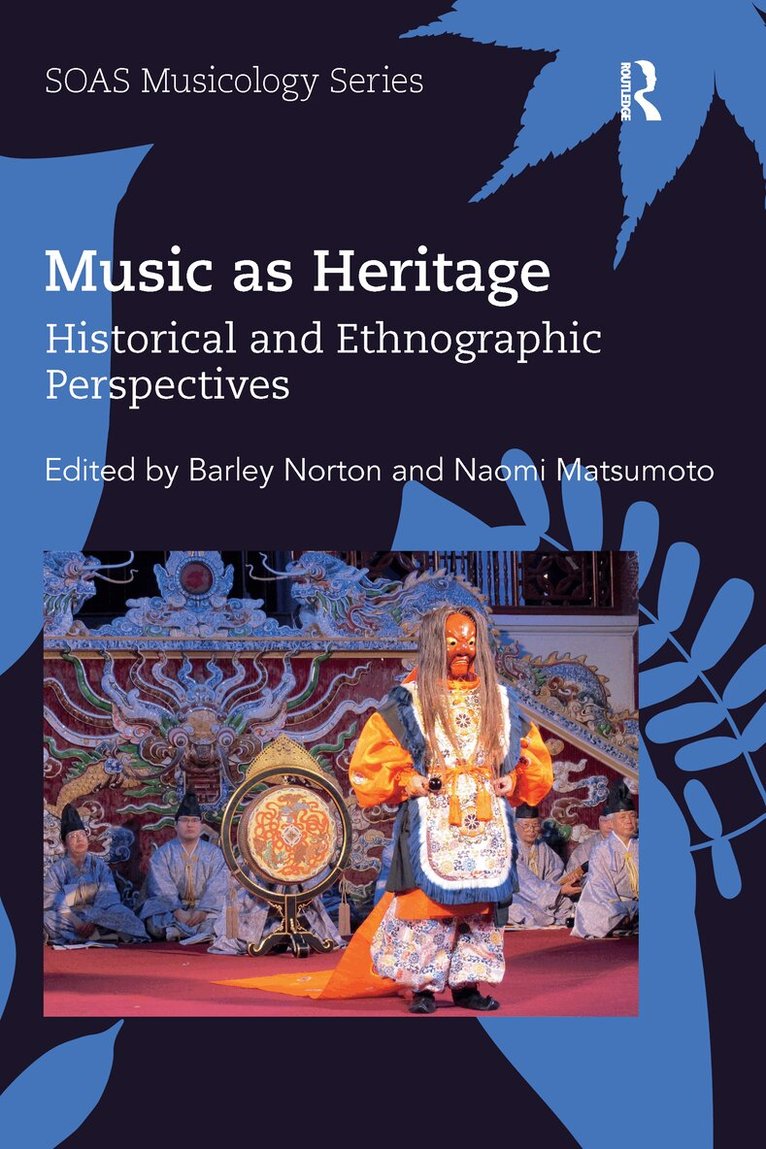
As economic, technological and cultural change gathers pace across the world, issues of music heritage and sustainability have become ever more pressing. Discourse on intangible cultural heritage has developed in complex ways in recent years, and musical practices have been transformed by safeguarding agendas. Music as Heritage takes stock of these transformations, bringing new ethnographic and historical perspectives to bear on our encounters with music heritage. The volume evaluates the cultural politics, ethics and audiovisual representation of music heritage; the methods and consequences of music transmission across national borders; and the perennial issues of revival, change and innovation. UNESCO’s 2003 Convention for the Safeguarding of the Intangible Cultural Heritage provides an essential reference point for studies of music heritage. However, this volume also pays attention to important spheres of musical activity that lie outside of UNESCO’s reach and the reasons why some repertories of music are chosen for safeguarding while others are not. Some practices of art music in Europe explored in this book, for example, have received little attention despite being susceptible to endangerment. Developing a comparative framework that cuts across genre distinctions and disciplinary boundaries, Music as Heritage explores how music cultures are being affected by heritage discourse and the impact of international and national policies on grass-roots music practices.
1 282 kr
Skickas inom 7-10 vardagar
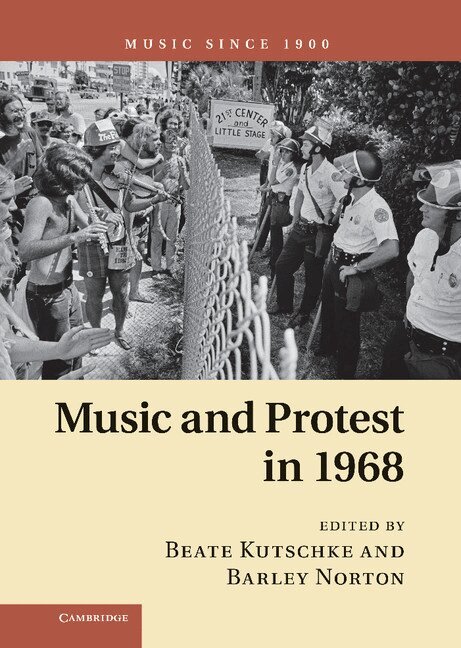
Music was integral to the profound cultural, social and political changes that swept the globe in 1968. This collection of essays offers new perspectives on the role that music played in the events of that year, which included protests against the ongoing Vietnam War, the May riots in France and the assassination of Martin Luther King, Jr. From underground folk music in Japan to antiauthoritarian music in Scandinavia and Germany, Music and Protest in 1968 explores music's key role as a means of socio-political dissent not just in the US and the UK but in Asia, North and South America, Europe and Africa. Contributors extend the understanding of musical protest far beyond a narrow view of the 'protest song' to explore how politics and social protest played out in many genres, including experimental and avant-garde music, free jazz, rock, popular song, and film and theatre music.
428 kr
Skickas inom 7-10 vardagar
Music was integral to the profound cultural, social and political changes that swept the globe in 1968. This collection of essays offers new perspectives on the role that music played in the events of that year, which included protests against the ongoing Vietnam War, the May riots in France and the assassination of Martin Luther King, Jr. From underground folk music in Japan to antiauthoritarian music in Scandinavia and Germany, Music and Protest in 1968 explores music's key role as a means of socio-political dissent not just in the US and the UK but in Asia, North and South America, Europe and Africa. Contributors extend the understanding of musical protest far beyond a narrow view of the 'protest song' to explore how politics and social protest played out in many genres, including experimental and avant-garde music, free jazz, rock, popular song, and film and theatre music.
2 150 kr
Skickas inom 10-15 vardagar
As economic, technological and cultural change gathers pace across the world, issues of music heritage and sustainability have become ever more pressing. Discourse on intangible cultural heritage has developed in complex ways in recent years, and musical practices have been transformed by safeguarding agendas. Music as Heritage takes stock of these transformations, bringing new ethnographic and historical perspectives to bear on our encounters with music heritage. The volume evaluates the cultural politics, ethics and audiovisual representation of music heritage; the methods and consequences of music transmission across national borders; and the perennial issues of revival, change and innovation. UNESCO’s 2003 Convention for the Safeguarding of the Intangible Cultural Heritage provides an essential reference point for studies of music heritage. However, this volume also pays attention to important spheres of musical activity that lie outside of UNESCO’s reach and the reasons why some repertories of music are chosen for safeguarding while others are not. Some practices of art music in Europe explored in this book, for example, have received little attention despite being susceptible to endangerment. Developing a comparative framework that cuts across genre distinctions and disciplinary boundaries, Music as Heritage explores how music cultures are being affected by heritage discourse and the impact of international and national policies on grass-roots music practices.