Barry Collins – författare
Visar alla böcker från författaren Barry Collins. Handla med fri frakt och snabb leverans.
6 produkter
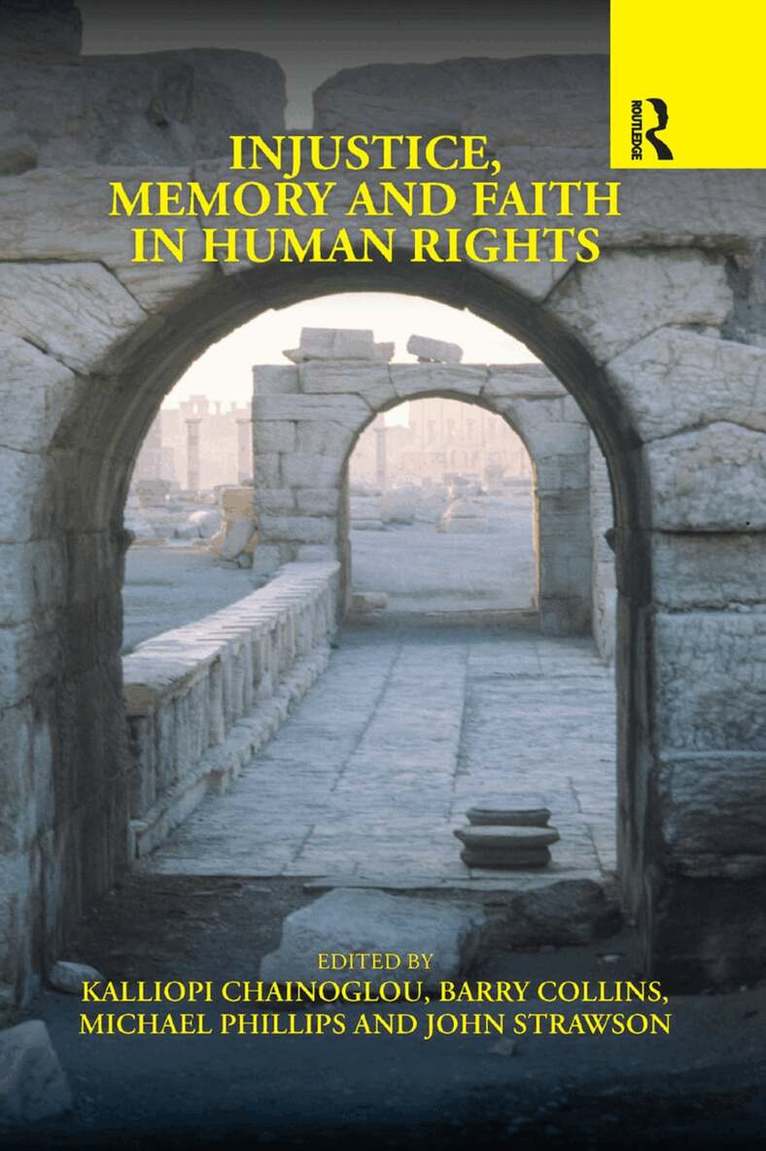
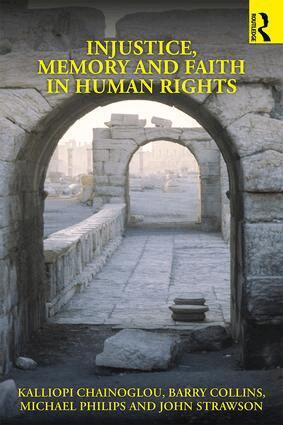
Injustice, Memory and Faith in Human Rights
Av Kalliopi Chainoglou, Barry Collins m. fl.
Häftad, 2019
689 kr
Lägg i varukorg
This multi-disciplinary collection interrogates the role of human rights in addressing past injustices. The volume draws on legal scholars, political scientists, anthropologists and political philosophers grappling with the weight of the memory of historical injustices arising from conflicts in …
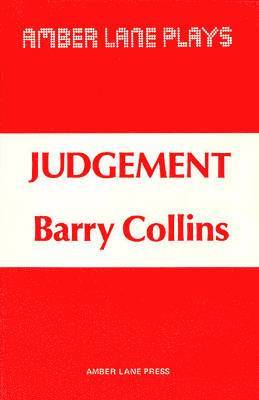
Judgement
Häftad, 1980
135 kr
Lägg i varukorg
Tells the story of a Russian Army Captain who has been put on trial. He narrates how, during World War Two, he survived imprisonment in a deserted Polish monastery by cannibalism over 60 days. Although the story is mostly fictional, there are elements of truth inspired by a brief account in George …
Injustice, Memory and Faith in Human Rights
Av John Strawson, Michael Phillips m. fl.
E-bok, 2017
883 kr
Lägg i varukorg
This multi-disciplinary collection interrogates the role of human rights in addressing past injustices. The volume draws on legal scholars, political scientists, anthropologists and political philosophers grappling with the weight of the memory of historical injustices arising from conflicts in …
Injustice, Memory and Faith in Human Rights
Av John Strawson, Michael Phillips m. fl.
E-bok, 2017
864 kr
Lägg i varukorg
This multi-disciplinary collection interrogates the role of human rights in addressing past injustices. The volume draws on legal scholars, political scientists, anthropologists and political philosophers grappling with the weight of the memory of historical injustices arising from conflicts in …
Injustice, Memory and Faith in Human Rights
Av Kalliopi Chainoglou, Barry Collins m. fl.
Inbunden, 2017
2309 kr
Lägg i varukorg
This multi-disciplinary collection interrogates the role of human rights in addressing past injustices. The volume draws on legal scholars, political scientists, anthropologists and political philosophers grappling with the weight of the memory of historical injustices arising from conflicts in …