Barry H. Steiner – författare
Visar alla böcker från författaren Barry H. Steiner. Handla med fri frakt och snabb leverans.
4 produkter
4 produkter
Inbunden, Engelska, 2004
1 206 kr
Skickas inom 5-8 vardagar
Examines how and why great powers act to defuse ethnic conflict within small powers.Powerful nations have often assumed a leadership role in international relations by becoming involved in ethnic conflict arising within small states. Recently however, their willingness to do so, at least unilaterally, has diminished. This study focuses on why and how powerful nations have acted together to dampen or forestall the expansion of small state conflicts while limiting potential risks to themselves. Employing a case-study method, Barry H. Steiner distinguishes between two types of collective preventive diplomacy, the insulationist and the interventionist. In the former, powerful nations are motivated to contain small power conflict in order to preserve their relations with other powerful nations. In the latter, they act to settle conflict between the small power antagonists themselves.
Häftad, Engelska, 2007
435 kr
Skickas inom 5-8 vardagar
Examines how and why great powers act to defuse ethnic conflict within small powers.Powerful nations have often assumed a leadership role in international relations by becoming involved in ethnic conflict arising within small states. Recently however, their willingness to do so, at least unilaterally, has diminished. This study focuses on why and how powerful nations have acted together to dampen or forestall the expansion of small state conflicts while limiting potential risks to themselves. Employing a case-study method, Barry H. Steiner distinguishes between two types of collective preventive diplomacy, the insulationist and the interventionist. In the former, powerful nations are motivated to contain small power conflict in order to preserve their relations with other powerful nations. In the latter, they act to settle conflict between the small power antagonists themselves.
Inbunden, Engelska, 2018
1 110 kr
Skickas inom 10-15 vardagar
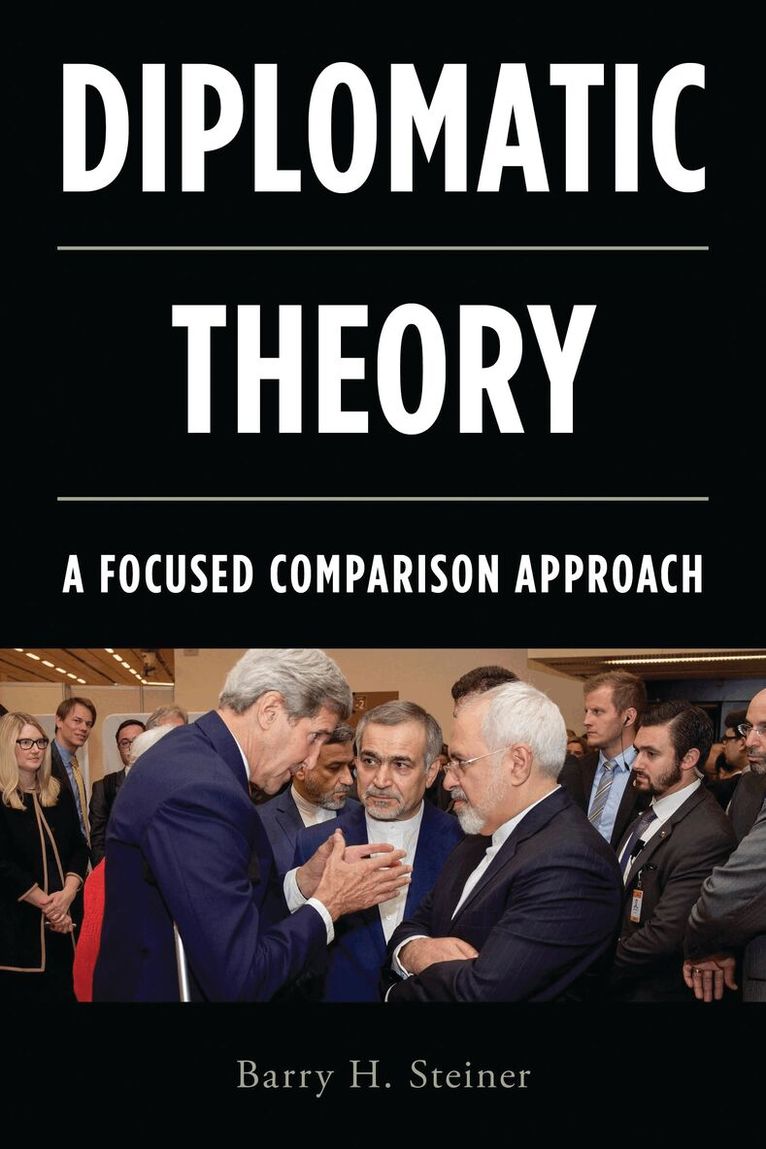
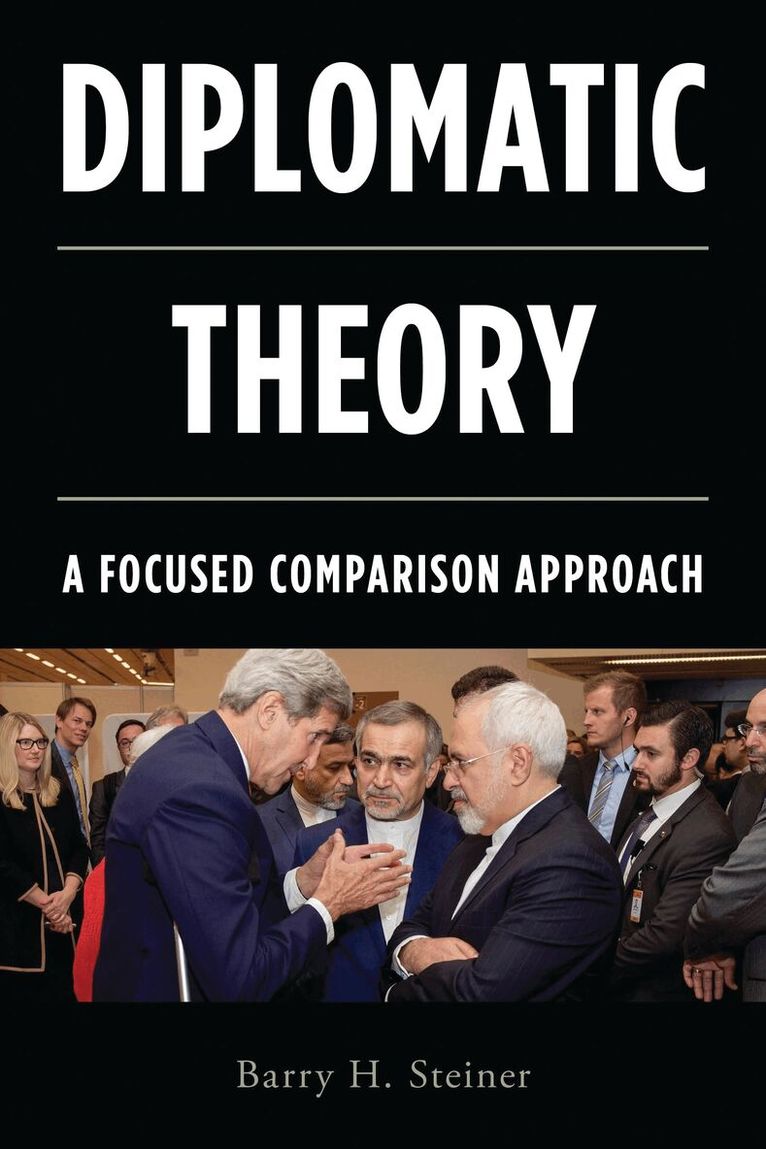
This book is intended as a primer for generalizing on a case-comparison basis about diplomatic statecraft, including resources and techniques available to states to attain their objectives. Twenty years in the making, it employs an inductive method in which small samples of cases occurring at different times and between different states are studied to track and understand specific variable diplomatic behavior. Its concern with empirically-grounded generalization, in which hypotheses are formulated and tested by case similarities and differences, is a new approach to diplomatic analysis. Diplomacy, though central to international relations study and practice, has generally been studied normatively rather than theoretically, in contrast to other international relations topics. Students of diplomacy, emphasizing statecraft’s complexity, have generally shied away from theory, while theory-minded international relations analysts have neglected statecraft and highlighted military capabilities and positional rivalries as determiners of state behavior. This book instead builds diplomatic theory by investigating variation in case experience, especially in the diplomatic choices made by states. It shows that theorizing is enhanced by a diplomatic point of view and by distinguishing diplomatic behavior as cause and as effect.
Häftad, Engelska, 2018
586 kr
Skickas inom 10-15 vardagar
This book is intended as a primer for generalizing on a case-comparison basis about diplomatic statecraft, including resources and techniques available to states to attain their objectives. Twenty years in the making, it employs an inductive method in which small samples of cases occurring at different times and between different states are studied to track and understand specific variable diplomatic behavior. Its concern with empirically-grounded generalization, in which hypotheses are formulated and tested by case similarities and differences, is a new approach to diplomatic analysis. Diplomacy, though central to international relations study and practice, has generally been studied normatively rather than theoretically, in contrast to other international relations topics. Students of diplomacy, emphasizing statecraft’s complexity, have generally shied away from theory, while theory-minded international relations analysts have neglected statecraft and highlighted military capabilities and positional rivalries as determiners of state behavior. This book instead builds diplomatic theory by investigating variation in case experience, especially in the diplomatic choices made by states. It shows that theorizing is enhanced by a diplomatic point of view and by distinguishing diplomatic behavior as cause and as effect.