Barry Marshall - Böcker
Visar alla böcker från författaren Barry Marshall. Handla med fri frakt och snabb leverans.
4 produkter
4 produkter
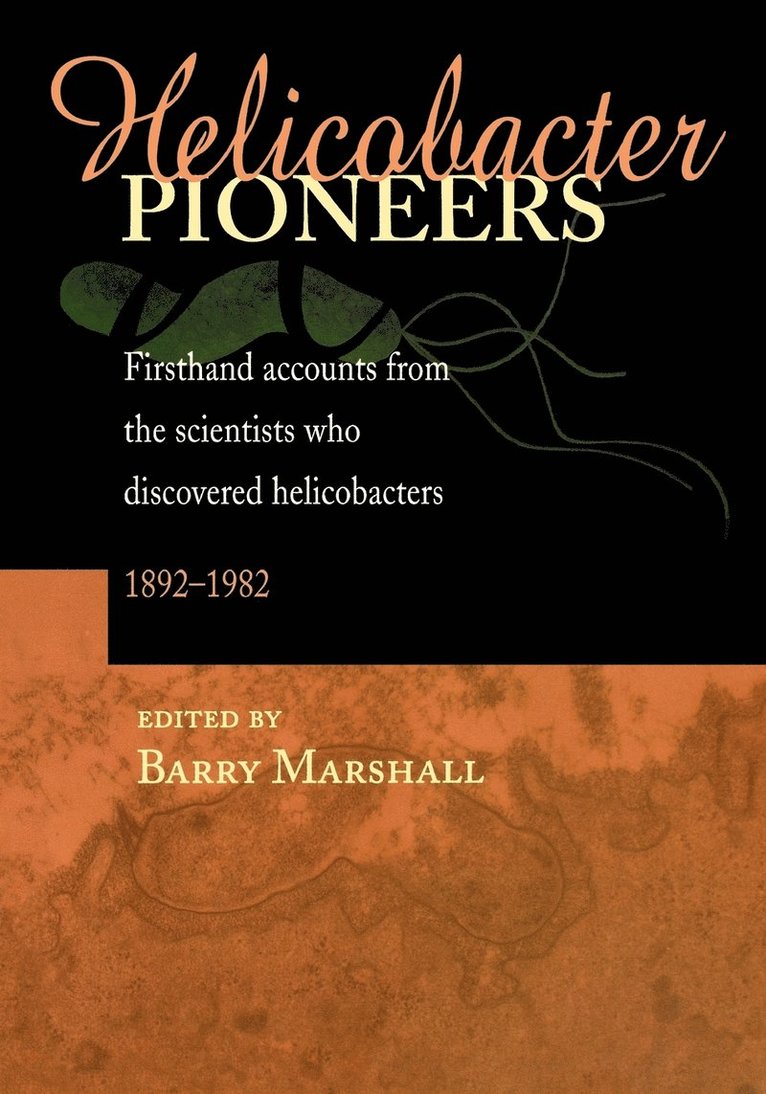
Helicobacter Pioneers
Firsthand Accounts from the Scientists who Discovered Helicobacters 1892 - 1982
Häftad, Engelska, 2005
1 095 kr
Skickas inom 7-10 vardagar
Blackwell is proud to announce Professor Barry Marshall, along with Dr. Robin Warren, have been awarded the Nobel Prize in physiology or medicine. Providing background and the human touch of a discovery process taking almost a century, Helicobacter Pioneers is a collection of accounts from pioneering researchers of Helicobacter pylori, of who had firsthand knowledge of the pioneer.A remarkable work with original accounts that will never date, this book will inspire readers interested in gastroenterology, microbiology, or any facet of medical or scientific history.

How to Win a Nobel Prize
Shortlisted for the Royal Society Young People’s Book Prize
Häftad, Engelska, 2019
103 kr
Skickas inom 7-10 vardagar
A time-travelling adventure with interactive experiments for budding young scientists, by Nobel Prize winning Barry MarshallMary has always wanted to win a Nobel Prize and loves running her own science experiments at home. One day Mary stumbles on a secret meeting of Nobel Prize winners. Dr Barry Marshall agrees to travel with her through time to learn the secrets behind some of the most fascinating and important scientific discoveries. They talk time and space with Albert Einstein, radiation with Marie Curie, DNA with Crick, Watson and Wilkins – and much more.Filled with experiments to try at home and featuring famous Nobel prize-winners:Albert Einstein • Marie Curie • Guglielmo Marconi Francis Crick, James Watson and Maurice Wilkins • Alexander Fleming • Tu Youyou • Subrahmanyan Chandrasekhar • Gertrude Elion • Norman Borlaug • Rita Levi-Montalcini • Jean-Pierre Sauvage, J. Fraser Stoddart and Bernard Feringa • Barry Marshall and Robin Warren
1 101 kr
Skickas inom 10-15 vardagar
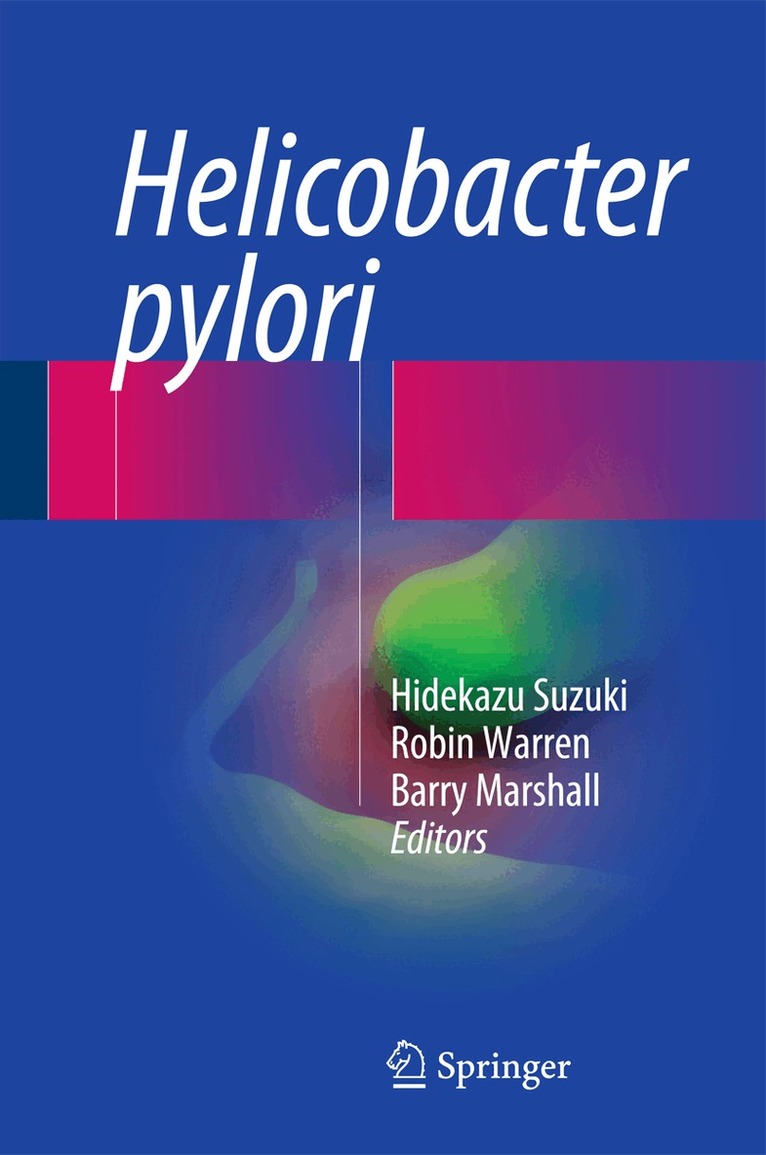
This book provides a detailed review of the most recent pathogenetic, diagnostic and therapeutic approaches in connection with Helicobacter pylori, along with priority areas in research and trends in clinical practice to address this significant pathogen acknowledged as the causative agent in a wide range of diseases, including gastric adenocarcinoma, MALT lymphoma and immune thrombocytopenic purpura (ITP). Medical authorities worldwide now recommend a “test and treat” strategy for this bacterial infection. Eradication therapy approaches range from general mass eradication therapy to tailor-made therapy for antibiotic-resistant refractory infection. In regions with high prevalence of H. pylori infection, the infection itself would be considered a major parameter to predict the risk of gastric adenocarcinoma development. The main interest has shifted recently to the risk stratification strategy for gastric cancer development and to the wide-ranging application of its serological prevention program.This book will benefit all gastroenterologists, hematologists, dermatologists, primary care doctors, epidemiologists, physicians who related with community hygiene, as well as basic scientists, particularly microbiologists, bacteriologists, pathologists, molecular biologists, biochemists, immunologists and oncologists.
1 101 kr
Skickas inom 10-15 vardagar
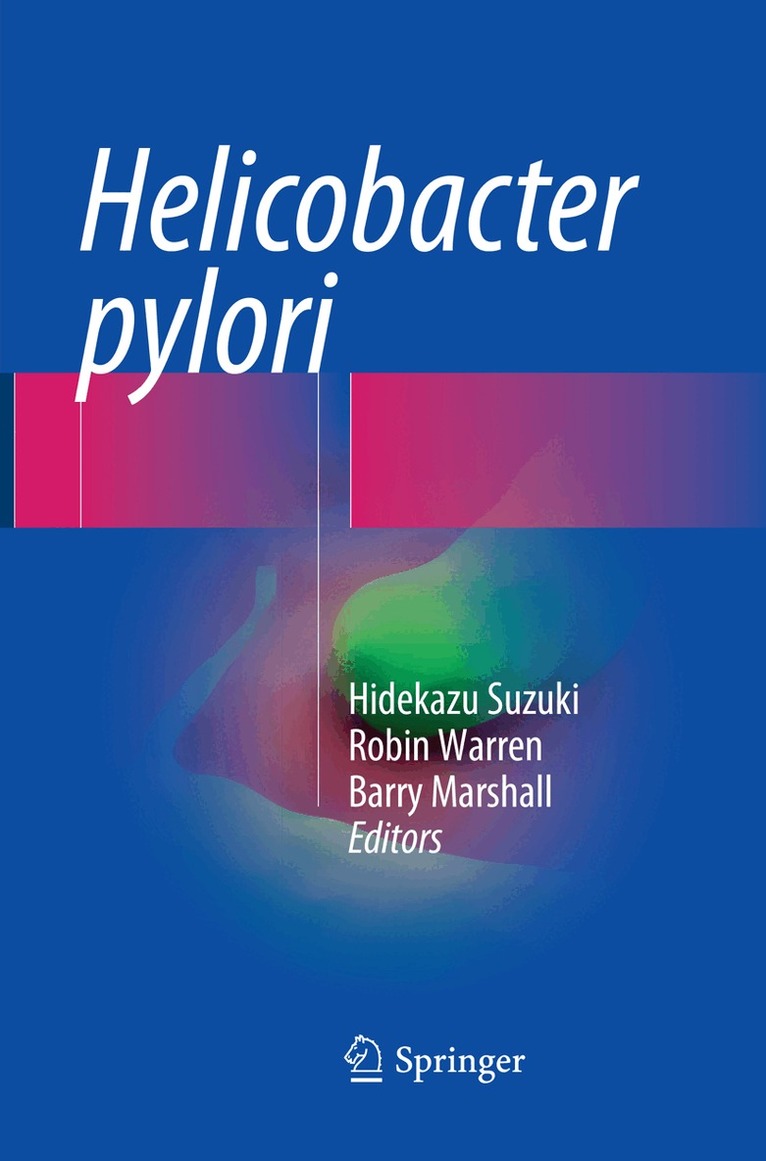
This book provides a detailed review of the most recent pathogenetic, diagnostic and therapeutic approaches in connection with Helicobacter pylori, along with priority areas in research and trends in clinical practice to address this significant pathogen acknowledged as the causative agent in a wide range of diseases, including gastric adenocarcinoma, MALT lymphoma and immune thrombocytopenic purpura (ITP). Medical authorities worldwide now recommend a “test and treat” strategy for this bacterial infection. Eradication therapy approaches range from general mass eradication therapy to tailor-made therapy for antibiotic-resistant refractory infection. In regions with high prevalence of H. pylori infection, the infection itself would be considered a major parameter to predict the risk of gastric adenocarcinoma development. The main interest has shifted recently to the risk stratification strategy for gastric cancer development and to the wide-ranging application of its serological prevention program.This book will benefit all gastroenterologists, hematologists, dermatologists, primary care doctors, epidemiologists, physicians who related with community hygiene, as well as basic scientists, particularly microbiologists, bacteriologists, pathologists, molecular biologists, biochemists, immunologists and oncologists.