Barry S. Fogel – författare
Visar alla böcker från författaren Barry S. Fogel. Handla med fri frakt och snabb leverans.
8 produkter
8 produkter
E-bok
PDF, Engelska, 20151 627 kr
Läs direkt efter köp
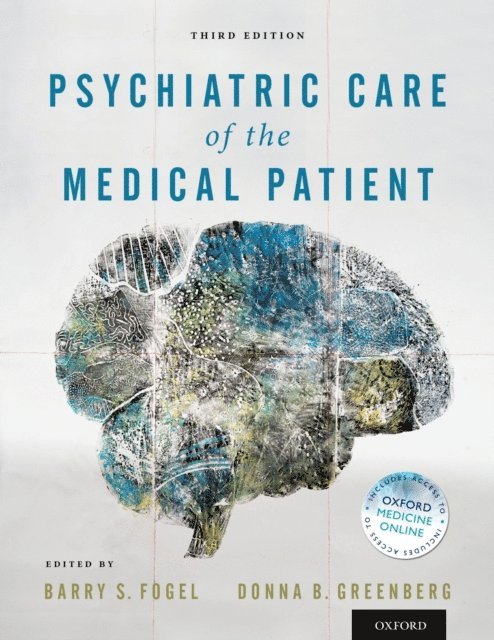
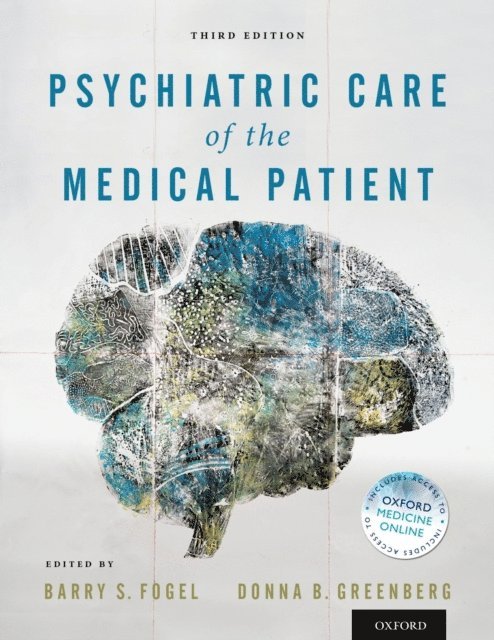
The third edition of Psychiatric Care of the Medical Patient brings a classic reference text into the twenty-first century. It combines critical scholarship with the voice of expert clinicians who work at the interface of psychiatry with medical specialties. It is meant to be read for pleasure as well as consulted as a reference. The editors have worked with the authors to bring a consistent perspective to the book - one that sees the medical psychiatrist as an agent for bringing a more comprehensive perspective to medical care. Even seasoned and knowledgeable practitioners will find much that is new to them in this book.The volume covers topics in depth that other books in the field may not cover at all, such as the use of herbal and nutritional therapies for medical-psychiatric symptoms and syndromes, and the choice of questionnaires to supplement history-taking. It looks at old topics in a new way: The chapter on the physical examination applies psychometric considerations to the Babinski sign, describes the method and application of quantitative bedside olfactory testing, and discusses smartphone apps to improve the sensitivity of the examination.Psychiatric Care of the Medical Patient, 3rd Edition provides concepts and information to facilitate the dialogue between psychiatrists and general medical specialists - minimizing psychiatric jargon and speaking in the common language of caring and curious physicians.
E-bok
Engelska, 20151 642 kr
Läs direkt efter köp
The third edition of Psychiatric Care of the Medical Patient brings a classic reference text into the twenty-first century. It combines critical scholarship with the voice of expert clinicians who work at the interface of psychiatry with medical specialties. It is meant to be read for pleasure as well as consulted as a reference. The editors have worked with the authors to bring a consistent perspective to the book - one that sees the medical psychiatrist as an agent for bringing a more comprehensive perspective to medical care. Even seasoned and knowledgeable practitioners will find much that is new to them in this book.The volume covers topics in depth that other books in the field may not cover at all, such as the use of herbal and nutritional therapies for medical-psychiatric symptoms and syndromes, and the choice of questionnaires to supplement history-taking. It looks at old topics in a new way: The chapter on the physical examination applies psychometric considerations to the Babinski sign, describes the method and application of quantitative bedside olfactory testing, and discusses smartphone apps to improve the sensitivity of the examination.Psychiatric Care of the Medical Patient, 3rd Edition provides concepts and information to facilitate the dialogue between psychiatrists and general medical specialists - minimizing psychiatric jargon and speaking in the common language of caring and curious physicians.
Inbunden, Engelska, 2025
1 281 kr
Skickas inom 5-8 vardagar
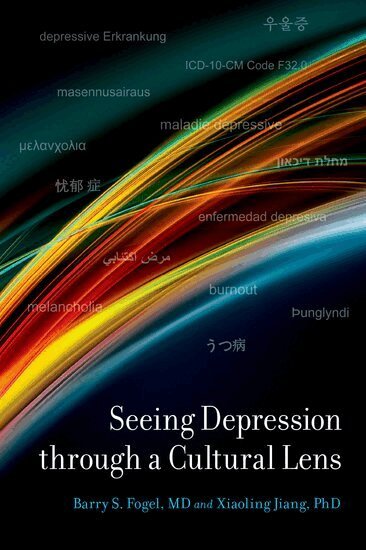
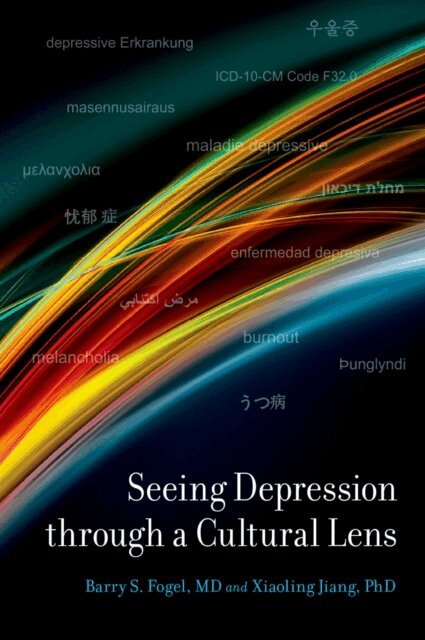
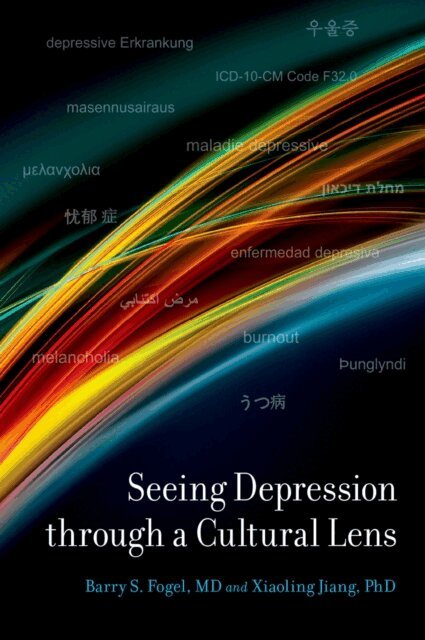
Seeing Depression Through a Cultural Lens, the collaborative work of a clinical neuroscientist and a scholar of comparative culture, examines the effects of cultural identity on the epidemiology, phenomenology, and narratives of depression, the bipolar spectrum, and suicide. Culture is associated with emotional communication style, 'idioms of distress,' the conception of depression and of bipolar disorders, and how people with mood disorders might be stigmatized. It is linked to structural factors--environmental, social, and economic circumstances--that create or mitigate the risk of depression, sometimes precipitate episodes of illness, and facilitate or impede treatment. Culture shapes depressed people's willingness to disclose or acknowledge their condition and to seek care, their relationships with clinicians, and their acceptance or rejection of specific treatments. Cultural context is essential to understanding suicide. It underlies people's motives for suicide, factors that promote or prevent suicide, the social acceptability of death by suicide, and availability of lethal means of self-harm.Cultural identity is always intersectional, comprising elements related to race and ethnicity; gender; age, generation, and life stage; education; social class; occupation; migrant or minority status; region of residence; and religious belief and practice. This book explores the implications of each of these dimensions using salient concepts from the social sciences, memorable narratives from literature, film, and the clinic, and quantitative findings from epidemiology and psychometrics. It offers readers a framework for culturally aware assessment and management of depression, bipolarity, and suicidal risk in diverse individuals and populations.
E-bok
PDF, Engelska, 20241 194 kr
Läs direkt efter köp
Seeing Depression Through a Cultural Lens, the collaborative work of a clinical neuroscientist and a scholar of comparative culture, examines the effects of cultural identity on the epidemiology, phenomenology, and narratives of depression, the bipolar spectrum, and suicide. Culture is associated with emotional communication style, 'idioms of distress,' the conception of depression and of bipolar disorders, and how people with mood disorders might be stigmatized. It is linked to structural factors--environmental, social, and economic circumstances--that create or mitigate the risk of depression, sometimes precipitate episodes of illness, and facilitate or impede treatment. Culture shapes depressed people's willingness to disclose or acknowledge their condition and to seek care, their relationships with clinicians, and their acceptance or rejection of specific treatments. Cultural context is essential to understanding suicide. It underlies people's motives for suicide, factors that promote or prevent suicide, the social acceptability of death by suicide, and availability of lethal means of self-harm.Cultural identity is always intersectional, comprising elements related to race and ethnicity; gender; age, generation, and life stage; education; social class; occupation; migrant or minority status; region of residence; and religious belief and practice. This book explores the implications of each of these dimensions using salient concepts from the social sciences, memorable narratives from literature, film, and the clinic, and quantitative findings from epidemiology and psychometrics. It offers readers a framework for culturally aware assessment and management of depression, bipolarity, and suicidal risk in diverse individuals and populations.
E-bok
Engelska, 20241 238 kr
Läs direkt efter köp
Seeing Depression Through a Cultural Lens, the collaborative work of a clinical neuroscientist and a scholar of comparative culture, examines the effects of cultural identity on the epidemiology, phenomenology, and narratives of depression, the bipolar spectrum, and suicide. Culture is associated with emotional communication style, 'idioms of distress,' the conception of depression and of bipolar disorders, and how people with mood disorders might be stigmatized. It is linked to structural factors--environmental, social, and economic circumstances--that create or mitigate the risk of depression, sometimes precipitate episodes of illness, and facilitate or impede treatment. Culture shapes depressed people's willingness to disclose or acknowledge their condition and to seek care, their relationships with clinicians, and their acceptance or rejection of specific treatments. Cultural context is essential to understanding suicide. It underlies people's motives for suicide, factors that promote or prevent suicide, the social acceptability of death by suicide, and availability of lethal means of self-harm.Cultural identity is always intersectional, comprising elements related to race and ethnicity; gender; age, generation, and life stage; education; social class; occupation; migrant or minority status; region of residence; and religious belief and practice. This book explores the implications of each of these dimensions using salient concepts from the social sciences, memorable narratives from literature, film, and the clinic, and quantitative findings from epidemiology and psychometrics. It offers readers a framework for culturally aware assessment and management of depression, bipolarity, and suicidal risk in diverse individuals and populations.
Inbunden, Engelska, 1993
732 kr
Skickas inom 5-8 vardagar
Inbunden, Engelska, 1995
765 kr
Skickas inom 5-8 vardagar
Inbunden, Engelska, 1991
707 kr
Tillfälligt slut