Bart Ziino – författare
Visar alla böcker från författaren Bart Ziino. Handla med fri frakt och snabb leverans.
12 produkter
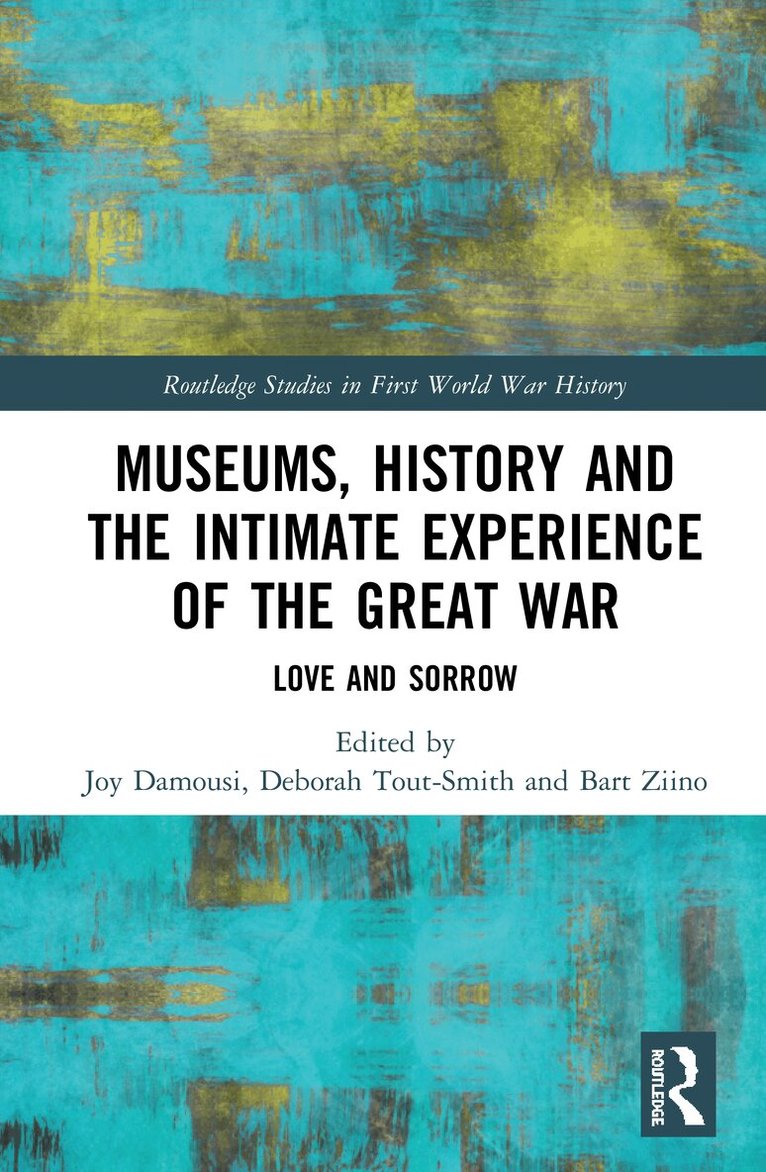
Museums, History and the Intimate Experience of the Great War
Love and Sorrow
Av Joy Damousi, Deborah Tout-Smith m. fl.
Inbunden, 2020
2197 kr
Lägg i varukorg
The Great War of 1914-1918 was fought on the battlefield, on the sea and in the air, and in the heart. Museums Victoria’s exhibition World War I: Love and Sorrow exposed not just the nature of that war, but its depth and duration in personal and familial lives. Hailed by eminent scholar Jay Winter …
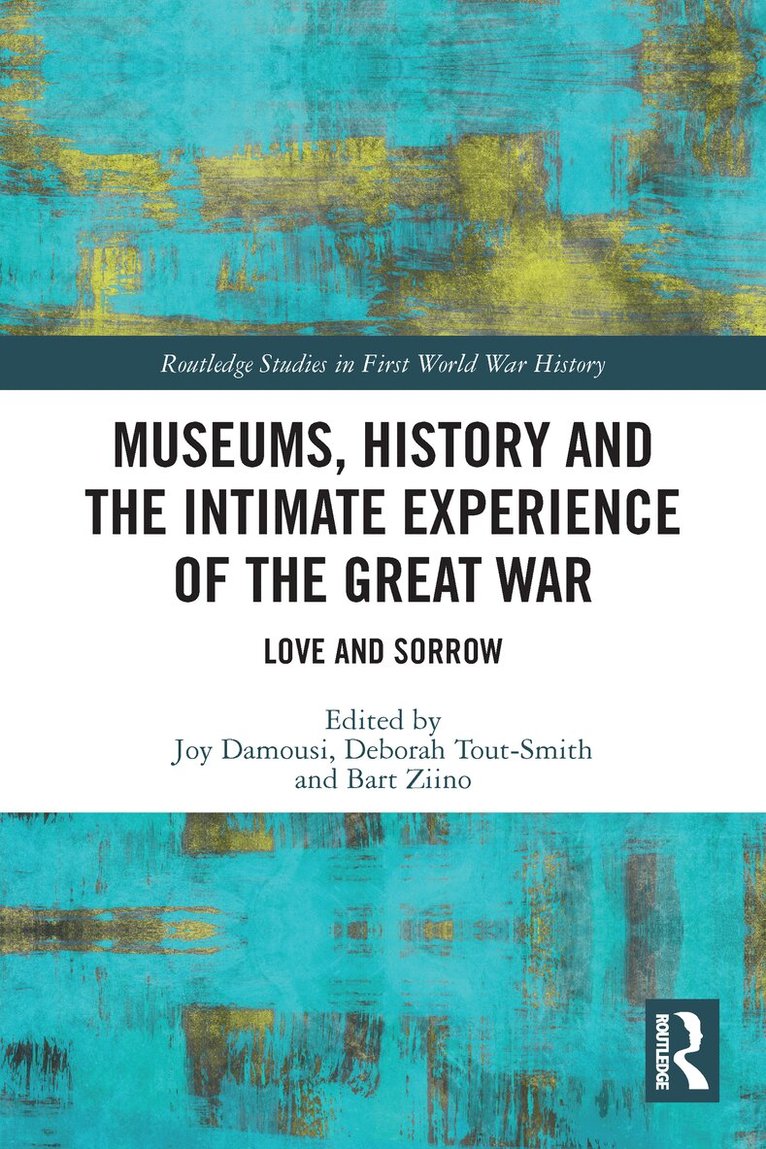
Museums, History and the Intimate Experience of the Great War
Love and Sorrow
Av Joy Damousi, Deborah Tout-Smith m. fl.
Häftad, 2022
727 kr
Lägg i varukorg
The Great War of 1914-1918 was fought on the battlefield, on the sea and in the air, and in the heart. Museums Victoria’s exhibition World War I: Love and Sorrow exposed not just the nature of that war, but its depth and duration in personal and familial lives. Hailed by eminent scholar Jay Winter …
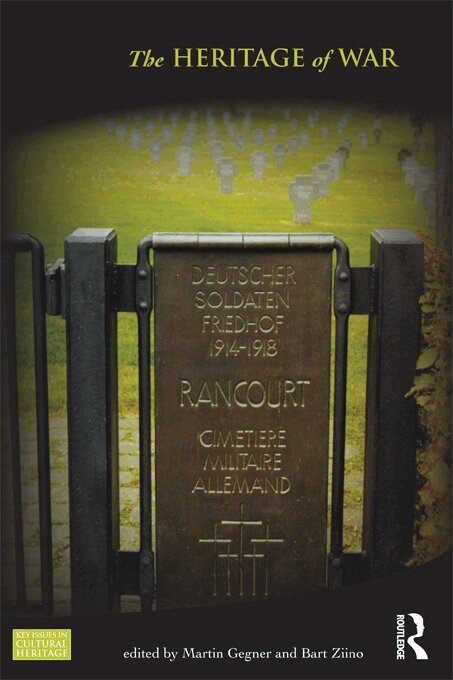
Heritage of War
Inbunden, 2011
2512 kr
Lägg i varukorg
The Heritage of War is an interdisciplinary study of the ways in which heritage is mobilized in remembering war, and in reconstructing landscapes, political systems and identities after conflict. It examines the deeply contested nature of war heritage in a series of places and contexts, …
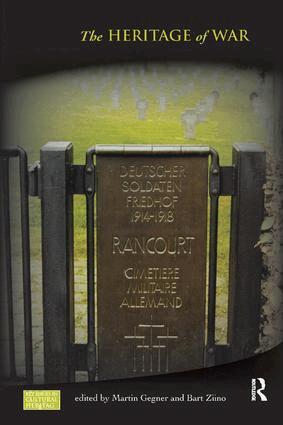
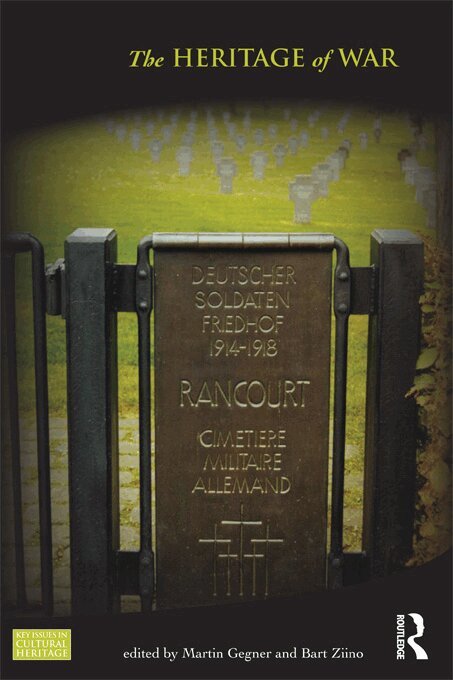
Heritage of War
Häftad, 2011
866 kr
Lägg i varukorg
The Heritage of War is an interdisciplinary study of the ways in which heritage is mobilized in remembering war, and in reconstructing landscapes, political systems and identities after conflict. It examines the deeply contested nature of war heritage in a series of places and contexts, …
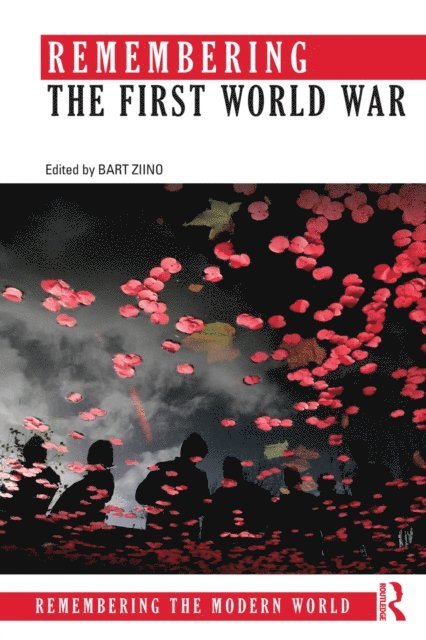
Remembering the First World War
Av Bart Ziino
Inbunden, 2014
2586 kr
Lägg i varukorg
Remembering the First World War brings together a group of international scholars to understand how and why the past quarter of a century has witnessed such an extraordinary increase in global popular and academic interest in the First World War, both as an event and in the ways it is remembered. …
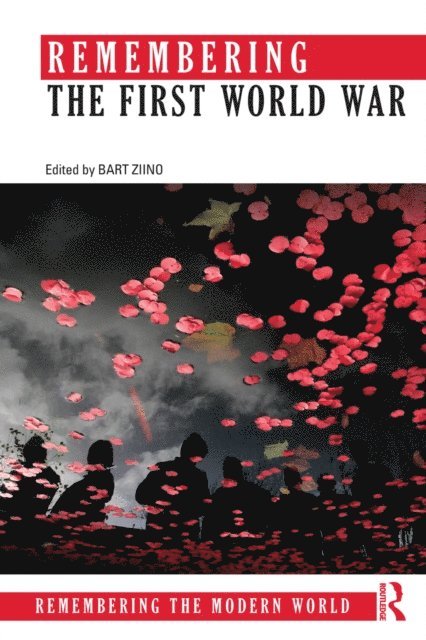
Remembering the First World War
Av Bart Ziino
Häftad, 2014
667 kr
Lägg i varukorg
Remembering the First World War brings together a group of international scholars to understand how and why the past quarter of a century has witnessed such an extraordinary increase in global popular and academic interest in the First World War, both as an event and in the ways it is remembered. …
Museums, History and the Intimate Experience of the Great War
Love and Sorrow
Av Bart Ziino, Deborah Tout-Smith m. fl.
E-bok, 2020
838 kr
Lägg i varukorg
The Great War of 1914-1918 was fought on the battlefield, on the sea and in the air, and in the heart. Museums Victoria’s exhibition World War I: Love and Sorrow exposed not just the nature of that war, but its depth and duration in personal and familial lives. Hailed by eminent scholar Jay …
Museums, History and the Intimate Experience of the Great War
Love and Sorrow
Av Bart Ziino, Deborah Tout-Smith m. fl.
E-bok, 2020
838 kr
Lägg i varukorg
The Great War of 1914-1918 was fought on the battlefield, on the sea and in the air, and in the heart. Museums Victoria’s exhibition World War I: Love and Sorrow exposed not just the nature of that war, but its depth and duration in personal and familial lives. Hailed by eminent scholar Jay …
Heritage of War
E-bok, 2011
1000 kr
Lägg i varukorg
The Heritage of War is an interdisciplinary study of the ways in which heritage is mobilized in remembering war, and in reconstructing landscapes, political systems and identities after conflict. It examines the deeply contested nature of war heritage in a series of places and contexts, …
Heritage of War
E-bok, 2011
1022 kr
Lägg i varukorg
The Heritage of War is an interdisciplinary study of the ways in which heritage is mobilized in remembering war, and in reconstructing landscapes, political systems and identities after conflict. It examines the deeply contested nature of war heritage in a series of places and contexts, …
Remembering the First World War
Av Bart Ziino
E-bok, 2014
785 kr
Lägg i varukorg
Remembering the First World War brings together a group of international scholars to understand how and why the past quarter of a century has witnessed such an extraordinary increase in global popular and academic interest in the First World War, both as an event and in the ways it is remembered. …
Remembering the First World War
Av Bart Ziino
E-bok, 2014
785 kr
Lägg i varukorg
Remembering the First World War brings together a group of international scholars to understand how and why the past quarter of a century has witnessed such an extraordinary increase in global popular and academic interest in the First World War, both as an event and in the ways it is remembered. …