Bartolomé Yun-Casalilla – författare
Visar alla böcker från författaren . Handla med fri frakt och snabb leverans.
10 produkter
10 produkter
Inbunden, Engelska, 2021
2 503 kr
Skickas inom 10-15 vardagar
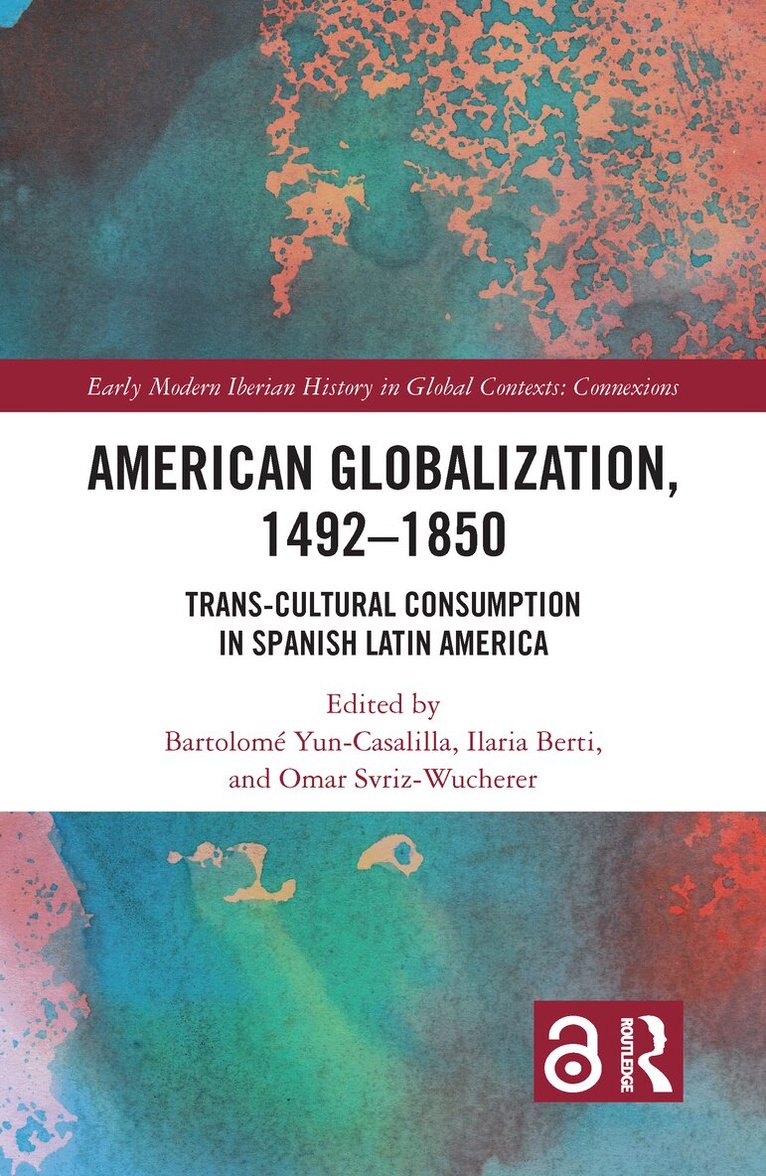
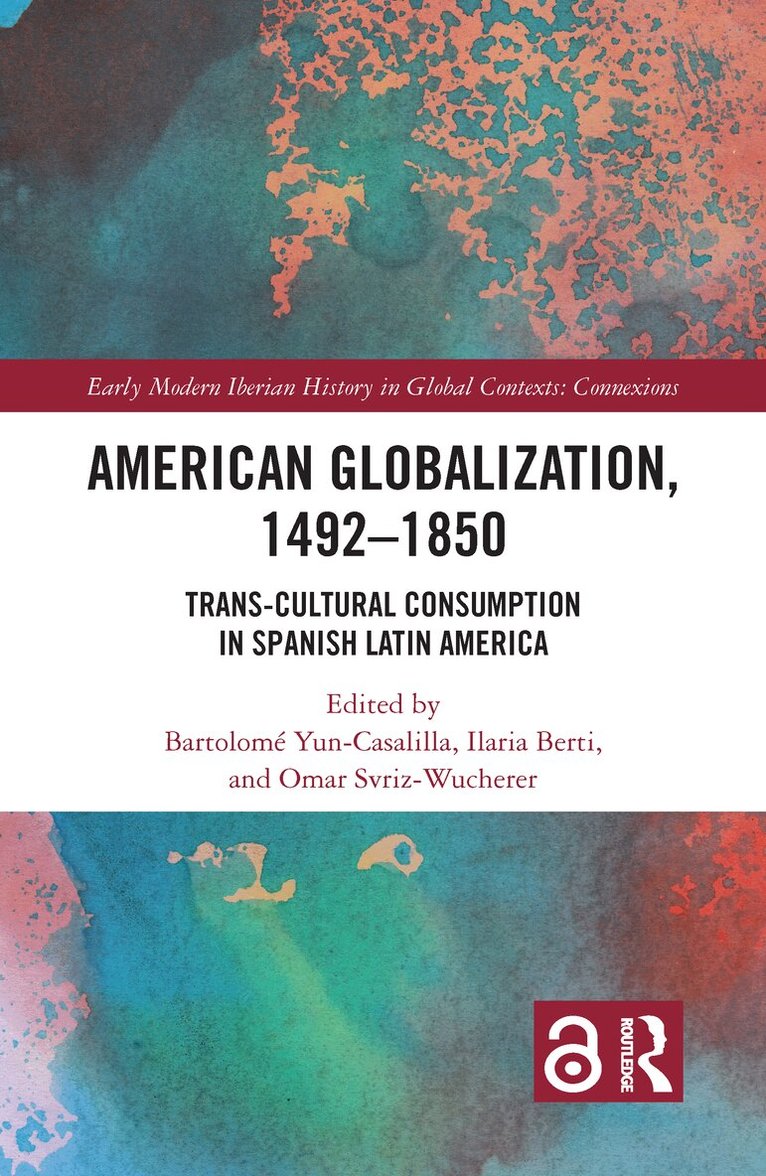
Following a study on the world flows of American products during early globalization, here the authors examine the reverse process. By analyzing the imperial political economy, the introduction, adaptation and rejection of new food products in America, as well as of other European, Asian and African goods, American Globalization, 1492–1850, addresses the history of consumerism and material culture in the New World, while also considering the perspective of the history of ecological globalization.This book shows how these changes triggered the formation of mixed imagined communities as well as of local and regional markets that gradually became part of a global economy. But it also highlights how these forces produced a multifaceted landscape full of contrasts and recognizes the plurality of the actors involved in cultural transfers, in which trade, persuasion and violence were entwined. The result is a model of the rise of consumerism that is very different from the ones normally used to understand the European cases, as well as a more nuanced vision of the effects of ecological imperialism, which was, moreover, the base for the development of unsustainable capitalism still present today in Latin America.Chapters 1, 3, 4, 7, 8, 11, and 13 of this book are freely available as a downloadable Open Access PDF under a Creative Commons Attribution-Non Commercial-No Derivatives 4.0 license available at http://www.taylorfrancis.com
Inbunden, Engelska, 2005
2 503 kr
Skickas inom 5-8 vardagar
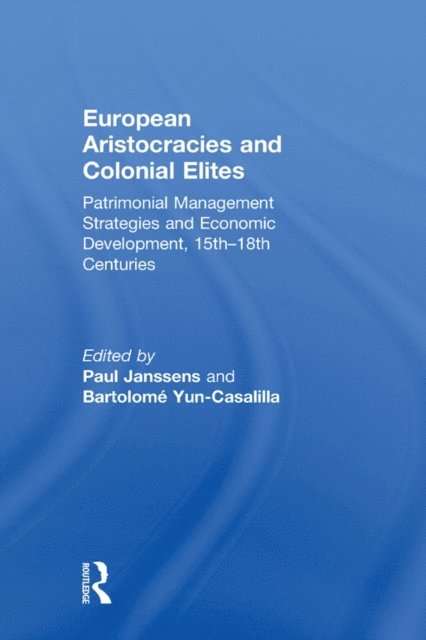
'Aristocracies', 'Old Regime colonial elites' - from Adam Smith to Karl Marx and beyond, scholars have discussed their role in the rise of the modern world, in economic development and capitalism. Generally speaking and with the exception of the English landlords, the verdict has been always negative. Furthermore, historians have usually viewed the Ancien régime aristocracies and colonial elites as social groups with entirely irrational or completely apathetic attitudes towards the management of their estates. This book constitutes the first attempt to analyse the question in a more critical and historical way. It takes a directly comparative approach, covering countries from Peru to Russia and from Naples to England in the early modern period and up to the end of the 18th century. The rationale of how these elites administered their patrimonies, its political, social and sometime moral dimensions, and the real effects of all this on economic development are considered here as key aspects for a better understanding of economic life. The result is a quite different picture in which economic history is also seen as the outcome of human actions in their own social and political context.
Häftad, Engelska, 2020
799 kr
Skickas inom 5-8 vardagar
Inbunden, Engelska, 2020
856 kr
Skickas inom 5-8 vardagar
Häftad, Engelska, 2023
646 kr
Skickas inom 10-15 vardagar
Following a study on the world flows of American products during early globalization, here the authors examine the reverse process. By analyzing the imperial political economy, the introduction, adaptation and rejection of new food products in America, as well as of other European, Asian and African goods, American Globalization, 1492–1850, addresses the history of consumerism and material culture in the New World, while also considering the perspective of the history of ecological globalization.This book shows how these changes triggered the formation of mixed imagined communities as well as of local and regional markets that gradually became part of a global economy. But it also highlights how these forces produced a multifaceted landscape full of contrasts and recognizes the plurality of the actors involved in cultural transfers, in which trade, persuasion and violence were entwined. The result is a model of the rise of consumerism that is very different from the ones normally used to understand the European cases, as well as a more nuanced vision of the effects of ecological imperialism, which was, moreover, the base for the development of unsustainable capitalism still present today in Latin America.Chapters 1, 3, 4, 7, 8, 11, and 13 of this book are freely available as a downloadable Open Access PDF under a Creative Commons Attribution-Non Commercial-No Derivatives 4.0 license available at http://www.taylorfrancis.com
Häftad, Engelska, 2019
805 kr
Skickas inom 10-15 vardagar
'Aristocracies', 'Old Regime colonial elites' - from Adam Smith to Karl Marx and beyond, scholars have discussed their role in the rise of the modern world, in economic development and capitalism. Generally speaking and with the exception of the English landlords, the verdict has been always negative. Furthermore, historians have usually viewed the Ancien régime aristocracies and colonial elites as social groups with entirely irrational or completely apathetic attitudes towards the management of their estates. This book constitutes the first attempt to analyse the question in a more critical and historical way. It takes a directly comparative approach, covering countries from Peru to Russia and from Naples to England in the early modern period and up to the end of the 18th century. The rationale of how these elites administered their patrimonies, its political, social and sometime moral dimensions, and the real effects of all this on economic development are considered here as key aspects for a better understanding of economic life. The result is a quite different picture in which economic history is also seen as the outcome of human actions in their own social and political context.
Inbunden, Engelska, 2026
1 210 kr
Skickas inom 5-8 vardagar
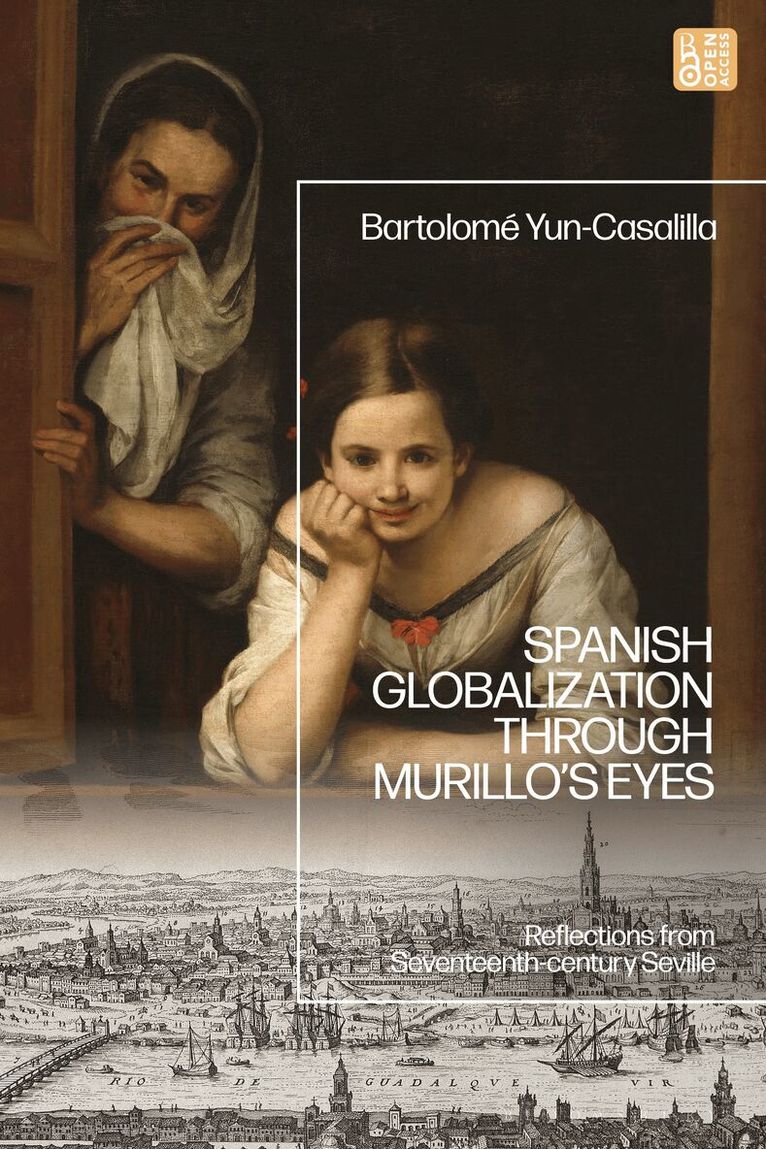
This open access book examines the work of the 17th-century Baroque painter, Bartolomé Esteban Murillo (1618-1682) – a figure who barely left the city of Seville – as a way of understanding globalization, its consequences, and its limits.Full of saints, friars, virgins, and Christs, or poor people and cheerful pícaros oblivious to social injustice, Murillo's painting has been considered representative of the Counter-Reformation and the exponent of an immobile, even introverted, society that regressed with the ‘crisis of the 17th century’. Spanish Globalization through Murillo's Eyes introduces a global perspective by considering the Atlantic art market and developing comparisons with Protestant paintings and an analysis of Murillo’s iconography alongside the social and political theory of his time. Such comparisons and analyses illuminate a different image, emphasizing the idea of a common European path towards modernity, individualism, emotional self-control and social change.The book also examines how Murillo’s contemporaries interpreted his iconography. The result is a new and sharper understanding of the tensions created by globalization in the field of art, in the construction of imagined communities, and in social relations in the early modern era.The ebook editions of this book are available open access under a CC BY-NC-ND 4.0 licence on bloomsburycollections.com.
E-bok
Engelska, 2017952 kr
Läs direkt efter köp
''Aristocracies'', ''Old Regime colonial elites'' - from Adam Smith to Karl Marx and beyond, scholars have discussed their role in the rise of the modern world, in economic development and capitalism. Generally speaking and with the exception of the English landlords, the verdict has been always negative. Furthermore, historians have usually viewed the Ancien régime aristocracies and colonial elites as social groups with entirely irrational or completely apathetic attitudes towards the management of their estates. This book constitutes the first attempt to analyse the question in a more critical and historical way. It takes a directly comparative approach, covering countries from Peru to Russia and from Naples to England in the early modern period and up to the end of the 18th century. The rationale of how these elites administered their patrimonies, its political, social and sometime moral dimensions, and the real effects of all this on economic development are considered here as key aspects for a better understanding of economic life. The result is a quite different picture in which economic history is also seen as the outcome of human actions in their own social and political context.
E-bok
PDF, Engelska, 2017952 kr
Läs direkt efter köp
''Aristocracies'', ''Old Regime colonial elites'' - from Adam Smith to Karl Marx and beyond, scholars have discussed their role in the rise of the modern world, in economic development and capitalism. Generally speaking and with the exception of the English landlords, the verdict has been always negative. Furthermore, historians have usually viewed the Ancien régime aristocracies and colonial elites as social groups with entirely irrational or completely apathetic attitudes towards the management of their estates. This book constitutes the first attempt to analyse the question in a more critical and historical way. It takes a directly comparative approach, covering countries from Peru to Russia and from Naples to England in the early modern period and up to the end of the 18th century. The rationale of how these elites administered their patrimonies, its political, social and sometime moral dimensions, and the real effects of all this on economic development are considered here as key aspects for a better understanding of economic life. The result is a quite different picture in which economic history is also seen as the outcome of human actions in their own social and political context.
Inbunden, Engelska, 2019
563 kr
Skickas inom 10-15 vardagar
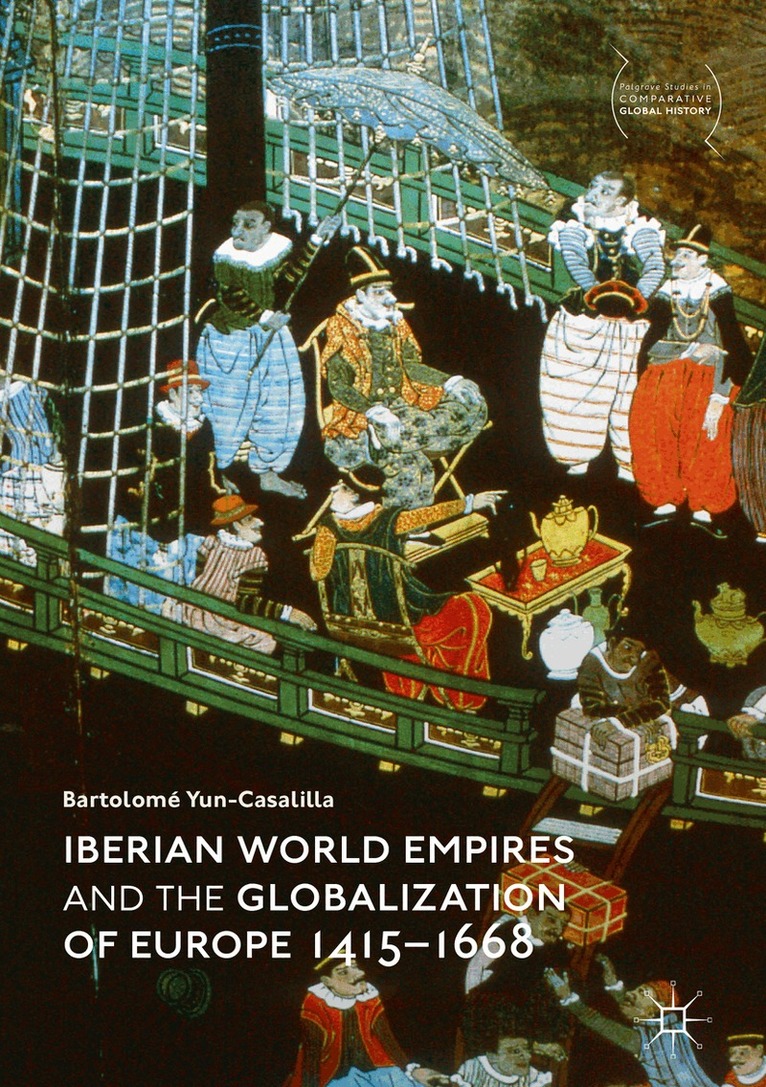
This open access book analyses Iberian expansion by using knowledge accumulated in recent years to test some of the most important theories regarding Europe’s economic development. Adopting a comparative perspective, it considers the impact of early globalization on Iberian and Western European institutions, social development and political economies. In spite of globalization’s minor importance from the commercial perspective before 1750, this book finds its impact decisive for institutional development, political economies, and processes of state-building in Iberia and Europe. The book engages current historiographies and revindicates the need to take the concept of composite monarchies as a point of departure in order to understand the period’s economic and social developments, analysing the institutions and societies resulting from contact with Iberian peoples in America and Asia. The outcome is a study that nuances and contests an excessively-negative yet prevalent image of the Iberian societies, explores the difficult relationship between empires and globalization and opens paths for comparisons to other imperial formations.