Bas van Heur - Böcker
Visar alla böcker från författaren Bas van Heur. Handla med fri frakt och snabb leverans.
6 produkter
6 produkter
2 088 kr
Skickas inom 10-15 vardagar
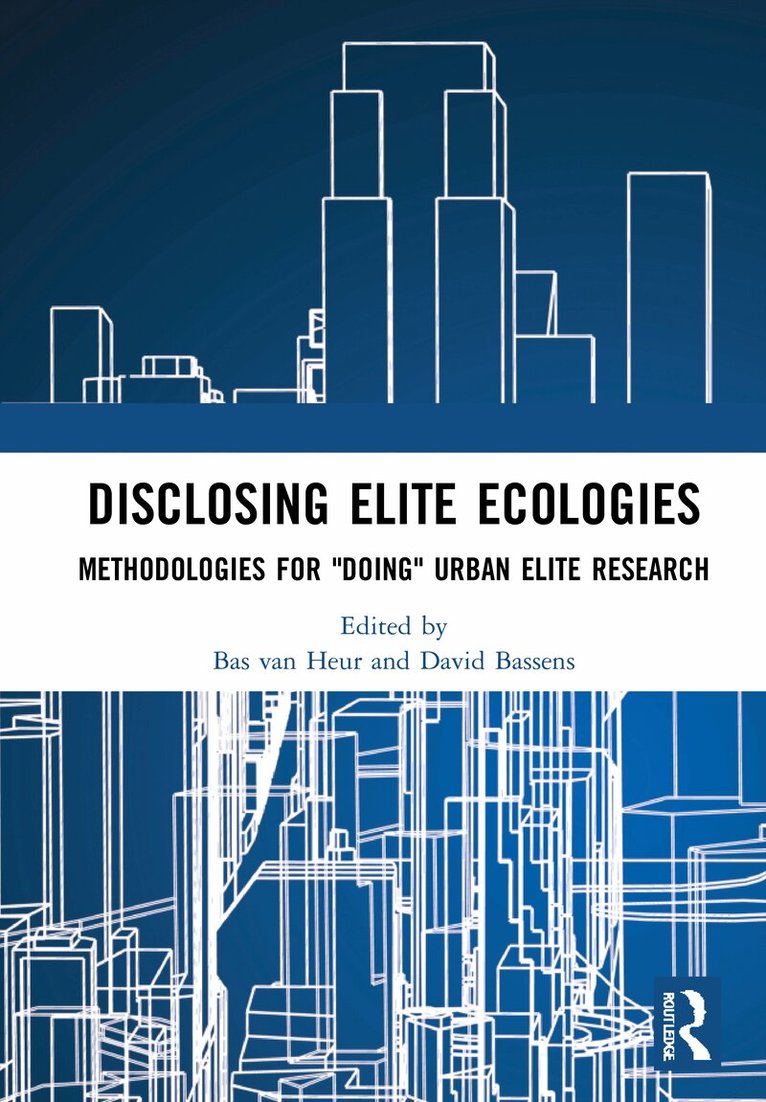
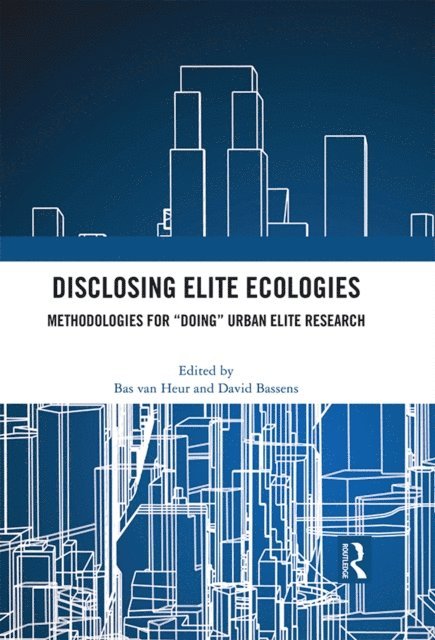
Disclosing elite ecologies: Methodologies for "Doing" Urban Elite Research offers a set of methodologies to chart urban elites. Whereas most research has focused on the global super-rich, this book pays specific attention to the multidimensional urban geographies of elite reproduction and transformation, as elites depend on urban contexts for capital accumulation, consumption and leisure, and housing. Adopting an interdisciplinary approach to the topic, contributing authors discuss various theoretical and methodological antecedents in urban studies and related areas of research that have investigated economic elites. Building on, but also moving beyond these bodies of literature, the book rejects a-priori definitions of the size and shape of this social group and instead pursues relational, place specific conceptualizations of elite composition and behavior. In particular, the contributions to the volume show that urban elite research benefits from paying more attention to: (i) boundary work between elites and non-elites; (ii) intra-elite competition and distinction; (iii) national state spaces in determining elite composition; and (iv) the urban sense of belonging of economic elites.This extensive volume provides readers with various empirical inroads into the study of urban elites drawing on research set in Brussels, Fez, London, Lyon, Madrid, Manchester, Milan, New York City, Paris, and Porto Alegre. Taking inspiration from urban and economic geography, elite theory and urban sociology, cultural sociology, political economy, anthropology, criminology, architecture, and migration studies, this book aims to open up the opportunity for methodological cross-fertilization.The chapters in this book were originally published as a special issue of Urban Geography.
617 kr
Skickas inom 10-15 vardagar
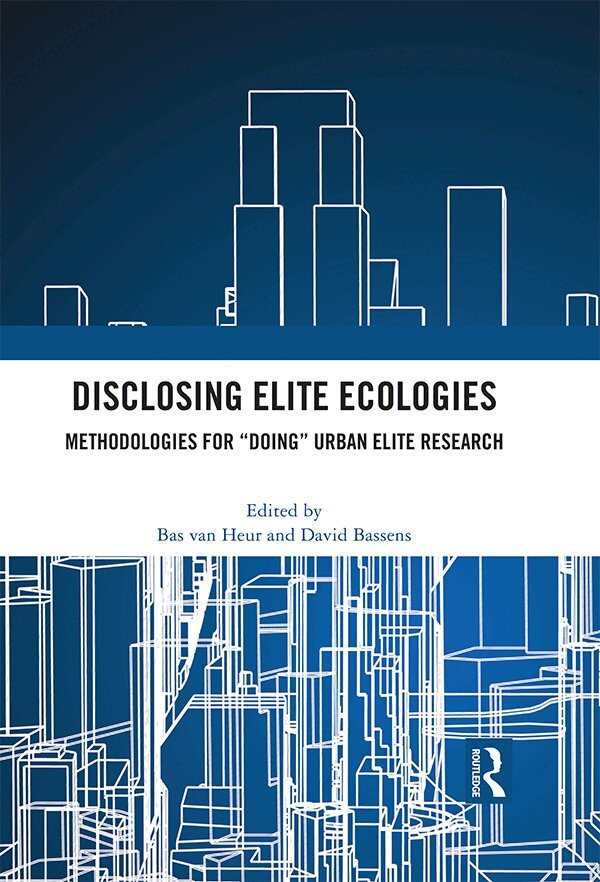
Disclosing elite ecologies: Methodologies for "Doing" Urban Elite Research offers a set of methodologies to chart urban elites. Whereas most research has focused on the global super-rich, this book pays specific attention to the multidimensional urban geographies of elite reproduction and transformation, as elites depend on urban contexts for capital accumulation, consumption and leisure, and housing. Adopting an interdisciplinary approach to the topic, contributing authors discuss various theoretical and methodological antecedents in urban studies and related areas of research that have investigated economic elites. Building on, but also moving beyond these bodies of literature, the book rejects a-priori definitions of the size and shape of this social group and instead pursues relational, place specific conceptualizations of elite composition and behavior. In particular, the contributions to the volume show that urban elite research benefits from paying more attention to: (i) boundary work between elites and non-elites; (ii) intra-elite competition and distinction; (iii) national state spaces in determining elite composition; and (iv) the urban sense of belonging of economic elites.This extensive volume provides readers with various empirical inroads into the study of urban elites drawing on research set in Brussels, Fez, London, Lyon, Madrid, Manchester, Milan, New York City, Paris, and Porto Alegre. Taking inspiration from urban and economic geography, elite theory and urban sociology, cultural sociology, political economy, anthropology, criminology, architecture, and migration studies, this book aims to open up the opportunity for methodological cross-fertilization.The chapters in this book were originally published as a special issue of Urban Geography.
2 222 kr
Skickas inom 10-15 vardagar
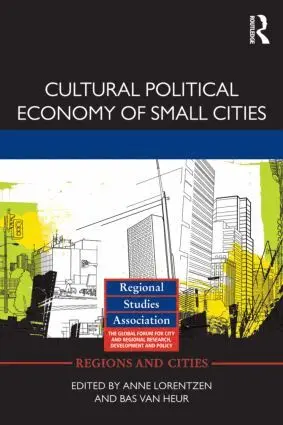
The volume highlights ongoing changes in the political economy of small cities in relation to the field of culture and leisure. Culture and leisure are focal points both to local entrepreneurship and to planning by city governments, which means that these developments are subject to market dynamics as well as to political discourse and action. Public-private partnerships as well as conflicts of interests characterise the field, and a major issue related to the strategic development of culture and leisure is the balance between market and welfare.This field is gaining importance in most cities today in planning, production and consumption, but to the extent that these changes have drawn academic attention it has focused on large, metropolitan areas and on creative clusters and flagship high culture projects. Smaller cities and their often substantively different cultural strategies have been largely ignored, thus leading to a huge gap in our knowledge on contemporary urban change. By bringing together a number of case studies as well as theoretical reflections on the cultural political economy of small cities, this volume contributes to an emerging small cities research agenda and to the development of policy-relevant expertise that is sensitive to place-specific cultural dynamics.In taking this approach, the volume hopes to contribute to emerging research on culture and leisure economies by developing a differentiated spatial dimension to it, without which sustainable urban strategies cannot be developed. This book integrates perspectives of economic development with questions of governance and equity in relation to the fields of culture and leisure planning and development. This book should be of interest to students and researchers of Urban Studies and Planning, Regional Studies and Economics, as well as Sociology and Geography.
807 kr
Skickas inom 10-15 vardagar
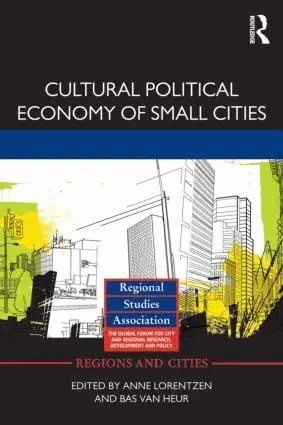
The volume highlights ongoing changes in the political economy of small cities in relation to the field of culture and leisure. Culture and leisure are focal points both to local entrepreneurship and to planning by city governments, which means that these developments are subject to market dynamics as well as to political discourse and action. Public-private partnerships as well as conflicts of interests characterise the field, and a major issue related to the strategic development of culture and leisure is the balance between market and welfare.This field is gaining importance in most cities today in planning, production and consumption, but to the extent that these changes have drawn academic attention it has focused on large, metropolitan areas and on creative clusters and flagship high culture projects. Smaller cities and their often substantively different cultural strategies have been largely ignored, thus leading to a huge gap in our knowledge on contemporary urban change. By bringing together a number of case studies as well as theoretical reflections on the cultural political economy of small cities, this volume contributes to an emerging small cities research agenda and to the development of policy-relevant expertise that is sensitive to place-specific cultural dynamics.In taking this approach, the volume hopes to contribute to emerging research on culture and leisure economies by developing a differentiated spatial dimension to it, without which sustainable urban strategies cannot be developed. This book integrates perspectives of economic development with questions of governance and equity in relation to the fields of culture and leisure planning and development. This book should be of interest to students and researchers of Urban Studies and Planning, Regional Studies and Economics, as well as Sociology and Geography.
959 kr
Skickas inom 10-15 vardagar
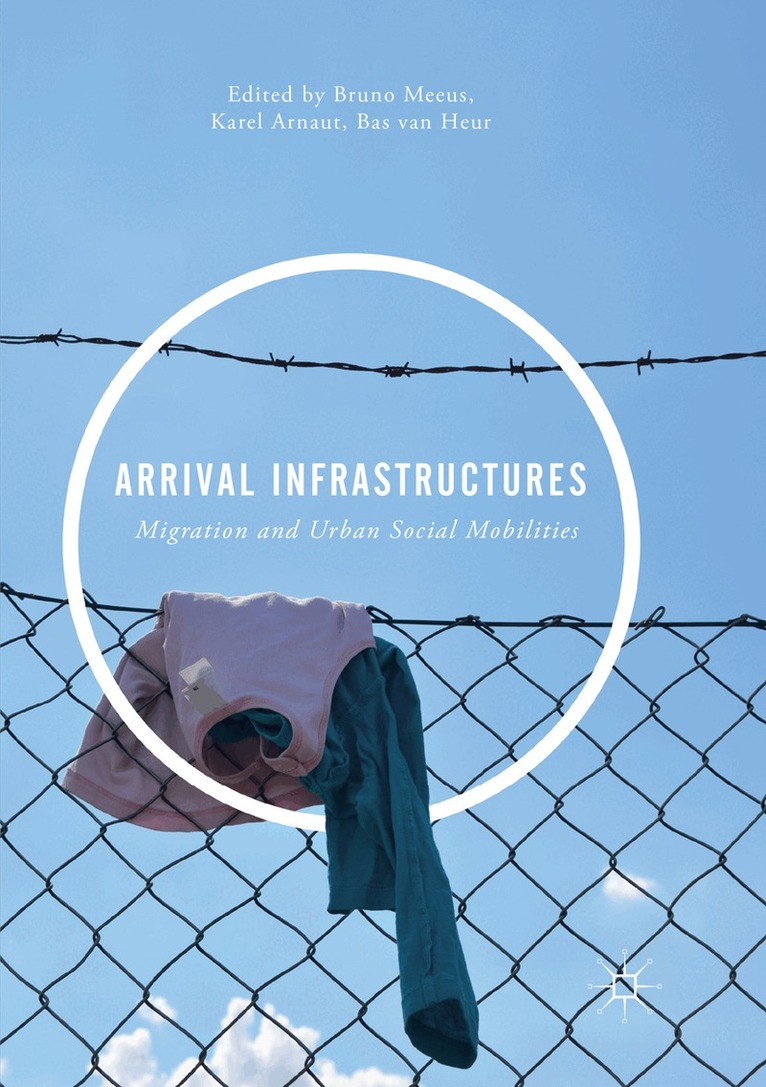
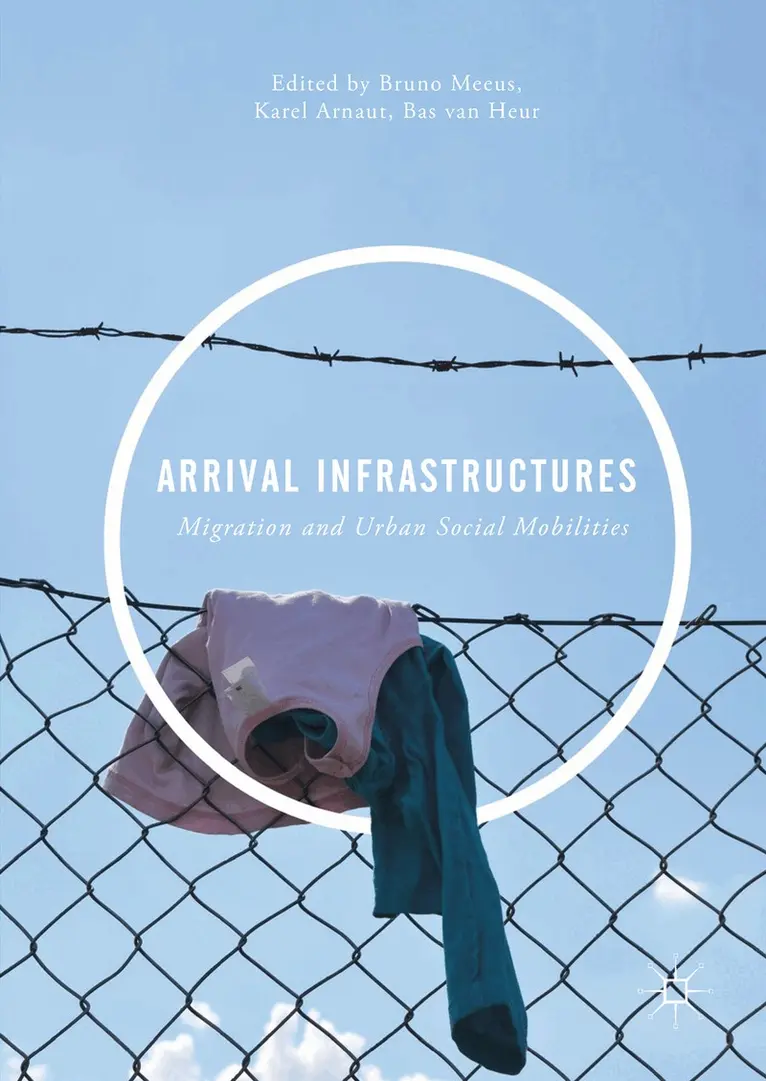
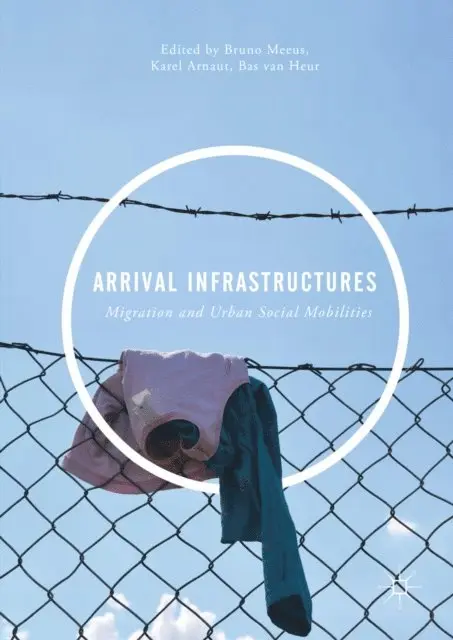
?This volume introduces a strategic interdisciplinary research agenda on arrival infrastructures. Arrival infrastructures are those parts of the urban fabric within which newcomers become entangled on arrival, and where their future local or translocal social mobilities are produced as much as negotiated.
959 kr
Skickas inom 10-15 vardagar
?This volume introduces a strategic interdisciplinary research agenda on arrival infrastructures. Arrival infrastructures are those parts of the urban fabric within which newcomers become entangled on arrival, and where their future local or translocal social mobilities are produced as much as negotiated.