Bashir Abu-Manneh – författare
Visar alla böcker från författaren Bashir Abu-Manneh. Handla med fri frakt och snabb leverans.
9 produkter
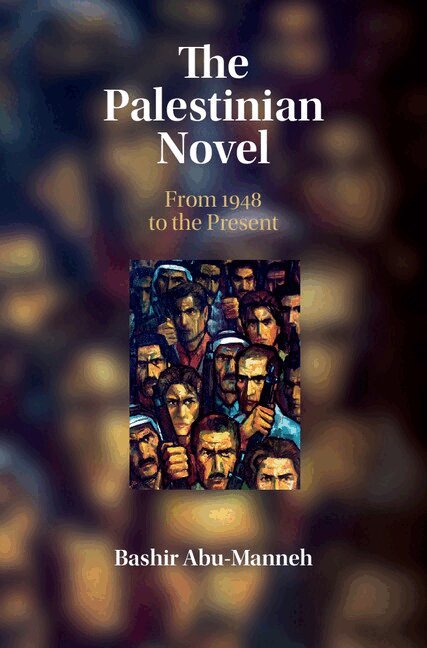
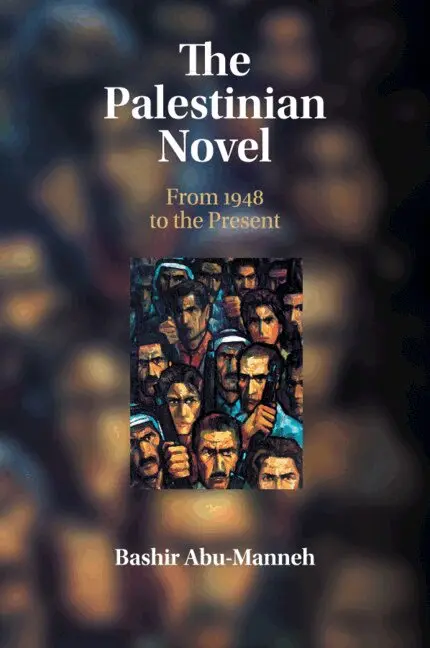
The Palestinian Novel
From 1948 to the Present
Inbunden, 2016
1832 kr
Lägg i varukorg
What happens to the Palestinian novel after the national dispossession of the nakba, and how do Palestinian novelists respond to this massive crisis? This is the first study in English to chart the development of the Palestinian novel in exile and under occupation from 1948 onwards. By reading the …
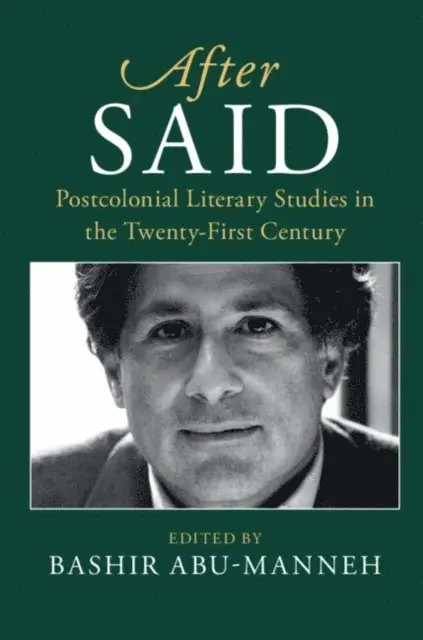
After Said
Postcolonial Literary Studies in the Twenty-First Century
Inbunden, 2018
1531 kr
Lägg i varukorg
By the time of his death in 2003, Edward Said was one of the most famous literary critics of the twentieth century. Said's work has been hugely influential far beyond academia. As a prominent advocate for the Palestinian cause and noted cultural critic, Said redefined the role of the public …
After Said
Postcolonial Literary Studies in the Twenty-First Century
Häftad, 2018
467 kr
Lägg i varukorg
By the time of his death in 2003, Edward Said was one of the most famous literary critics of the twentieth century. Said's work has been hugely influential far beyond academia. As a prominent advocate for the Palestinian cause and noted cultural critic, Said redefined the role of the public …
After Said
Postcolonial Literary Studies in the Twenty-First Century
E-bok, 2018
441 kr
Lägg i varukorg
By the time of his death in 2003, Edward Said was one of the most famous literary critics of the twentieth century. Said''s work has been hugely influential far beyond academia. As a prominent advocate for the Palestinian cause and noted cultural critic, Said redefined the role of the public …
After Said
Postcolonial Literary Studies in the Twenty-First Century
E-bok, 2018
450 kr
Lägg i varukorg
By the time of his death in 2003, Edward Said was one of the most famous literary critics of the twentieth century. Said''s work has been hugely influential far beyond academia. As a prominent advocate for the Palestinian cause and noted cultural critic, Said redefined the role of the public …
The Palestinian Novel
From 1948 to the Present
Häftad, 2018
654 kr
Lägg i varukorg
What happens to the Palestinian novel after the national dispossession of the nakba, and how do Palestinian novelists respond to this massive crisis? This is the first study in English to chart the development of the Palestinian novel in exile and under occupation from 1948 onwards. By reading the …
Disposable Palestinians
Israel's Wars and Genocide in Gaza
Inbunden, 2026
195 kr
Kommande
Palestinians are undergoing another era of disposability and their existence in Palestine is in peril. How do Palestinians living under occupation get here, what are the causes of October 7 and Israel's genocidal policy in Gaza, and can Palestinians overcome their systemic dehumanization by …
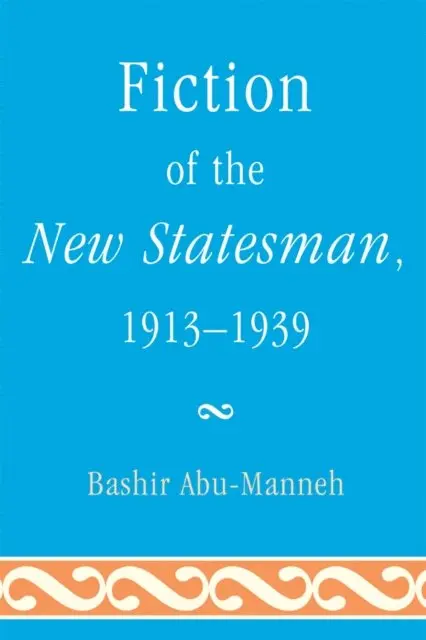
Fiction of the New Statesman, 1913-1939
Inbunden, 2011
1635 kr
Lägg i varukorg
Fiction of the New Statesman is the first study of the short stories published in the renowned British journal theNew Statesman. This book argues that New Statesman fiction advances a strong realist preoccupation with ordinary, everyday life, and shows how British domestic concerns have a strong …
Fiction of the New Statesman, 1913-1939
E-bok, 2011
1754 kr
Lägg i varukorg
Fiction of the New Statesman is the first study of the short stories published in the renowned British journal the New Statesman . This book argues that New Statesman fiction advances a strong realist preoccupation with ordinary, everyday life, and shows how British domestic concerns have a strong …