Beatriz Valverde – författare
Visar alla böcker från författaren Beatriz Valverde. Handla med fri frakt och snabb leverans.
11 produkter
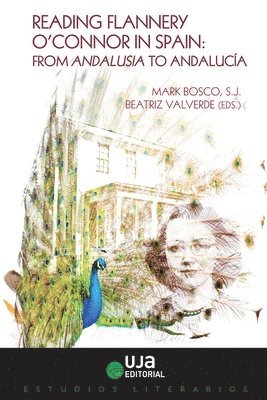
Reading Flannery O'Connor in Spain
From Andalusia to Andalucia
Av Mark Bosco, Beatriz Valverde
Häftad, 2020
512 kr
Lägg i varukorg
This collection of essays places Flannery O’Connor’s work in constructive and collaborative dialogue with Spanish literature and literary aesthetics. The international scholars who contributed to this volume explore the ways in which O’Connor’s literary and religious vision continues to work in the …
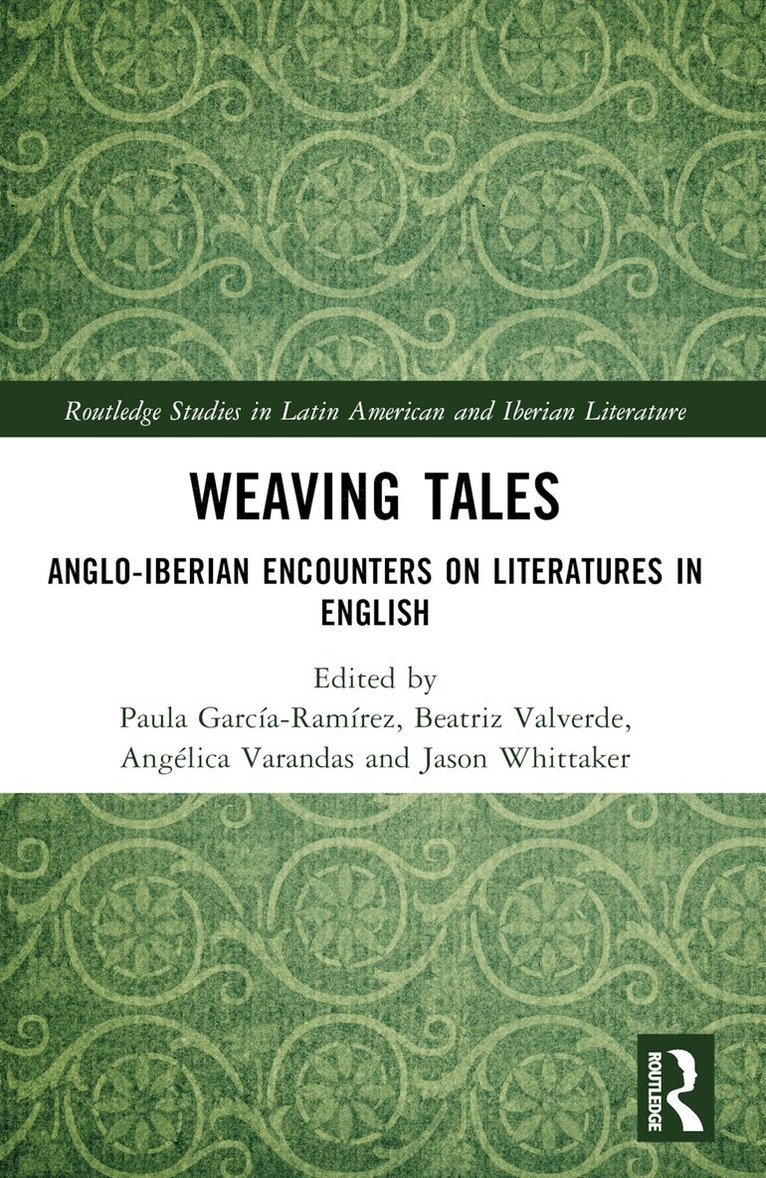
Weaving Tales
Anglo-Iberian Encounters on Literatures in English
Av Jason Whittaker, Angelica Varandas m. fl.
E-bok, 2023
829 kr
Lägg i varukorg
This collection of essays brings together a wide range of Spanish and Portuguese academics and writers exploring the ways in which our encounters with literatures in English inform our assumptions about texts and identities (or texts as identities) and the way we read them. Mapping, examining, …
Weaving Tales
Anglo-Iberian Encounters on Literatures in English
Av Jason Whittaker, Angelica Varandas m. fl.
E-bok, 2023
856 kr
Lägg i varukorg
This collection of essays brings together a wide range of Spanish and Portuguese academics and writers exploring the ways in which our encounters with literatures in English inform our assumptions about texts and identities (or texts as identities) and the way we read them. Mapping, examining, …
Weaving Tales
Anglo-Iberian Encounters on Literatures in English
Av Paula García-Ramírez, Beatriz Valverde m. fl.
Inbunden, 2023
3156 kr
Lägg i varukorg
This collection of essays brings together a wide range of Spanish and Portuguese academics and writers exploring the ways in which our encounters with literatures in English inform our assumptions about texts and identities (or texts as identities) and the way we read them. Mapping, examining, …
Weaving Tales
Anglo-Iberian Encounters on Literatures in English
Av Paula García-Ramírez, Beatriz Valverde m. fl.
Häftad, 2025
728 kr
Lägg i varukorg
This collection of essays brings together a wide range of Spanish and Portuguese academics and writers exploring the ways in which our encounters with literatures in English inform our assumptions about texts and identities (or texts as identities) and the way we read them. Mapping, examining, …
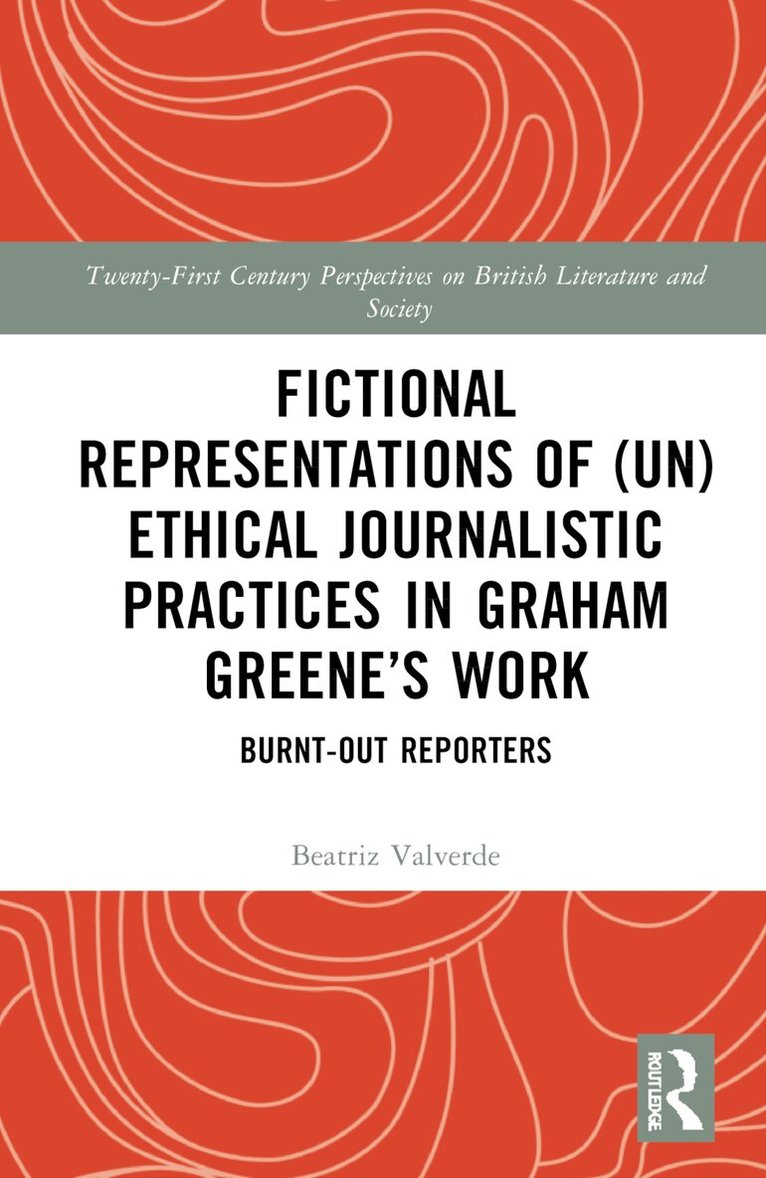
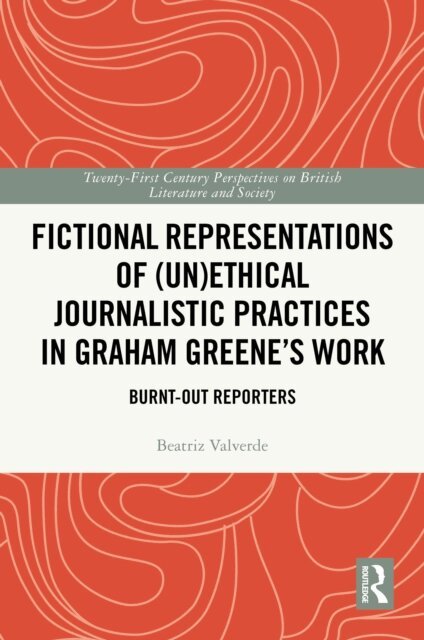
Fictional Representations of (Un)ethical Journalistic Practices in Graham Greene’s Work
Burnt-Out Reporters
Inbunden, 2024
2888 kr
Lägg i varukorg
British author Graham Greene pursued a professional career as a journalist before becoming a full-time writer. After that, he continued taking on reporting assignments as a correspondent for a variety of publications. Greene knew the profession inside out, and the role of the media in shaping the …
Fictional Representations of (Un)ethical Journalistic Practices in Graham Greene’s Work
Burnt-Out Reporters
Häftad, 2026
812 kr
Lägg i varukorg
British author Graham Greene pursued a professional career as a journalist before becoming a full-time writer. After that, he continued taking on reporting assignments as a correspondent for a variety of publications. Greene knew the profession inside out, and the role of the media in shaping the …
Fictional Representations of (Un)ethical Journalistic Practices in Graham Greene's Work
Burnt-Out Reporters
E-bok, 2024
926 kr
Lägg i varukorg
British author Graham Greene pursued a professional career as a journalist before becoming a full-time writer. After that, he continued taking on reporting assignments as a correspondent for a variety of publications. Greene knew the profession inside out, and the role of the media in shaping the …
Fictional Representations of (Un)ethical Journalistic Practices in Graham Greene's Work
Burnt-Out Reporters
E-bok, 2024
956 kr
Lägg i varukorg
British author Graham Greene pursued a professional career as a journalist before becoming a full-time writer. After that, he continued taking on reporting assignments as a correspondent for a variety of publications. Greene knew the profession inside out, and the role of the media in shaping the …
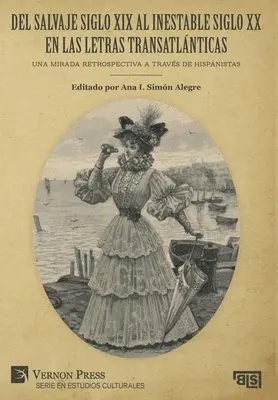
Del salvaje siglo XIX al inestable siglo XX en las letras transatlánticas: Una mirada retrospectiva a través de hispanistas
Av Ana Isabel Simón Alegre, Miguel Filipe Pateiro Mochila m. fl.
Inbunden, 2022
1427 kr
Lägg i varukorg
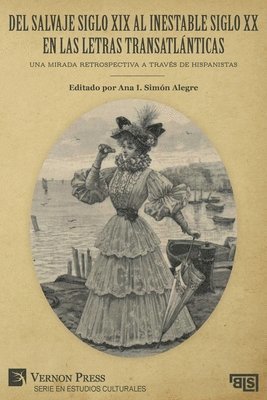
Del salvaje siglo XIX al inestable siglo XX en las letras transatlánticas: Una mirada retrospectiva a través de hispanistas
Una mirada retrospectiva a través de hispanistas
Av Ana Isabel Simón Alegre, Miguel Filipe Pateiro Mochila m. fl.
Häftad, 2022
863 kr
Lägg i varukorg