Becky Carlzon – författare
Visar alla böcker från författaren . Handla med fri frakt och snabb leverans.
2 produkter
2 produkter
Häftad, Engelska, 2018
334 kr
Skickas
In Powering Up Children Guy Claxton and Becky Carlzon harness the design principles of the Learning Power Approach to provide a rich resource of effective teaching strategies for use in the primary school classroom.The Learning Power Approach (LPA) is a pedagogical formula which aims to develop all pupils as confident and capable learners – ready, willing and able to choose, design, research, pursue, troubleshoot and evaluate learning for themselves, alone and with others, in school and out. This approach therefore empowers teachers to complement their delivery of content, knowledge and skills with the nurturing of positive habits of mind that will better prepare students to flourish in later life.Building upon the foundations carefully laid by Guy’s first book in the Learning Power series, The Learning Power Approach, this new instalment embeds the ideas of his influential method in the context of the primary school. Guy and Becky offer a thorough explanation of how the LPA’s core components apply to this level of education and, by presenting a wide range of classroom examples, illustrate how they can be put into practice with different age groups (from the early years through to age 11) and in different curricular areas – especially relating to literacy and numeracy, but also in specific subjects such as science, history, art and PE.Suitable for both newly qualified and experienced primary school teachers.
E-bok
Engelska, 2018245 kr
Läs direkt efter köp
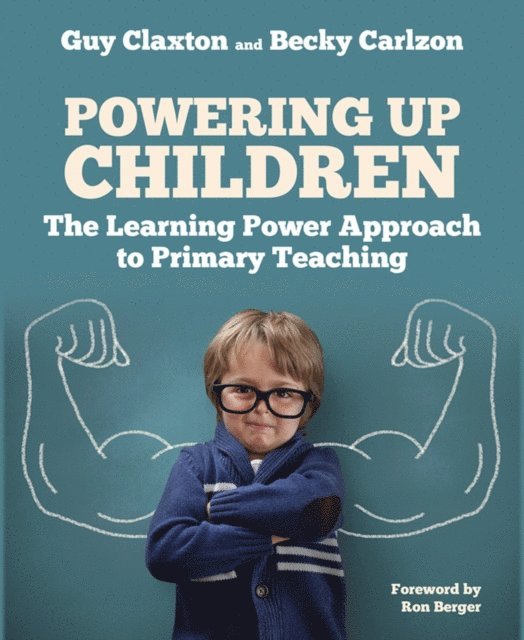
In Powering Up Children: The Learning Power Approach to primary teaching, Guy Claxton and Becky Carlzon harness the design principles of the Learning Power Approach (LPA) to provide a rich resource of effective teaching strategies for use in the primary school classroom.Foreword by Ron Berger.The LPA is a way of teaching which aims to develop all children as confident and capable learners ready, willing, and able to choose, design, research, pursue, troubleshoot, and evaluate learning for themselves, alone and with others, in school and out. This approach therefore empowers teachers to complement their delivery of content, knowledge, and skills with the nurturing of positive habits of mind that will better prepare students to flourish in later life.Building upon the foundations carefully laid in The Learning Power Approach (ISBN 9781785832451), the first book in the Learning Power series, Guy Claxton and Becky Carlzon''s Powering Up Children embeds the ideas of this influential method in the context of the primary school.It offers a thorough explanation of how the LPA''s design principles apply to this level of education and, by presenting a wide range of practical strategies and classroom examples, illustrates how they can be put into action with different age groups and in different curricular areas especially relating to literacy and numeracy, but also in specific subjects such as science, history, art, and PE.Bursting with tips and techniques to get students'' learning muscles stretching from a young age, the book is designed for busy primary school teachers who want to get started on the LPA journey as well as for those who have already made good progress and are looking for fresh ideas. The central chapters are structured around thematic clusters of the LPA''s design principles, and follow a common format:1. First, the authors explain why the design principles focused on are important; including what''s in it for the teacher and what''s in it for the children.2. Next, they offer a menu of practical low-risk tweaks to classroom practice that enable teachers to engage with the design principles and experience some quick wins.3. Then they provide some ideas about how to embed the principles more deeply in the ongoing life of the classroom including some rich lesson examples from across the primary age range, and from different school subjects.4. Finally, they address some of the common bumps and issues that may crop up along the way, and offer advice to help teachers overcome such potential obstacles.Suitable for both newly qualified and experienced teachers of learners aged 3 to 11.