Bekithemba Dube – författare
Visar alla böcker från författaren Bekithemba Dube. Handla med fri frakt och snabb leverans.
8 produkter
8 produkter
Inbunden, Engelska, 2023
1 187 kr
Skickas inom 10-15 vardagar
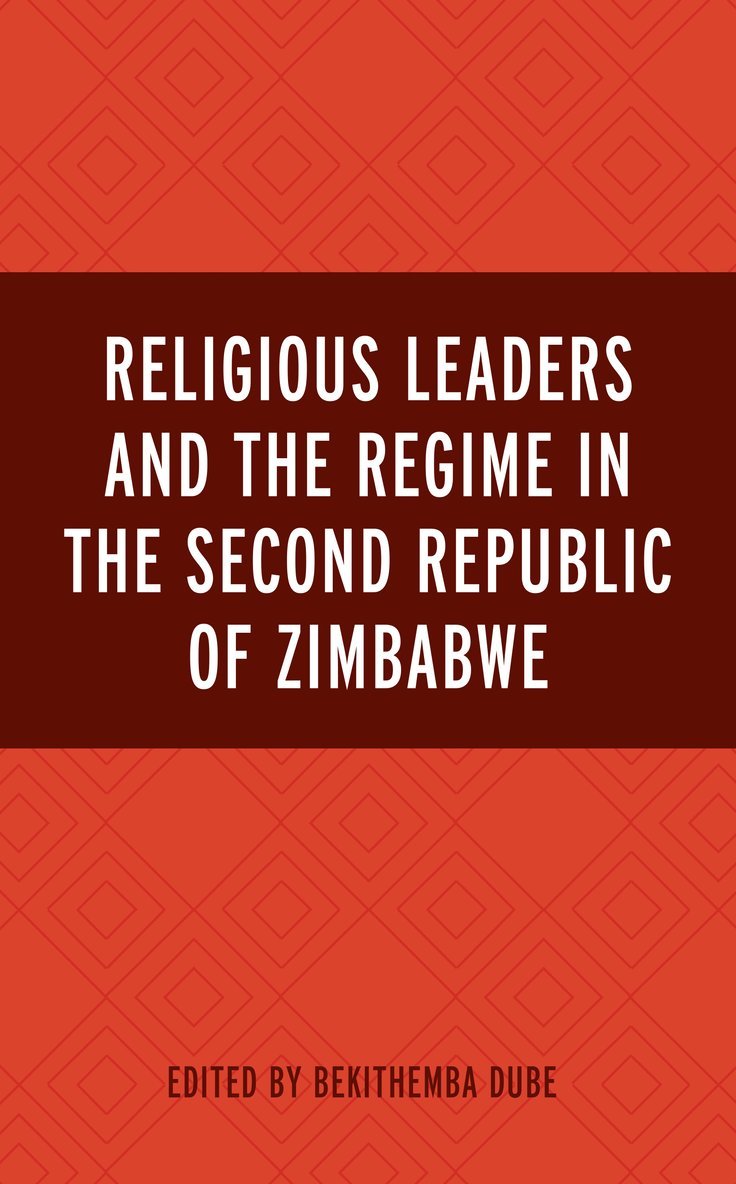
Religious Leaders and the Regime in the Second Republic of Zimbabwe looks at the nexus of religion and politics in Zimbabwe. Religious leaders and institutes are discussed as either regime enablers, resistors, or transformers. This book focuses on how religion has played a role in thwarting democracy and has acted as a machine to silence dissenting voices, repression, and poor governance. The book addresses religious figures such as Andrew Wutawunashe, Talent Chiwenga, Bishop Mutendi, and Mapostori. In discussing these figures, the book highlights how ZANU PF has taken advantage of religious power to thwart democracy while rewarding regime enablers. The book also discusses the road to 2023 Zimbabwean elections and highlights the role of the church in creating an enabling and catastrophic environment. This book challenges oppressive systems perpetrated by religious leaders and politicians.
Inbunden, Engelska, 2024
1 154 kr
Skickas inom 10-15 vardagar
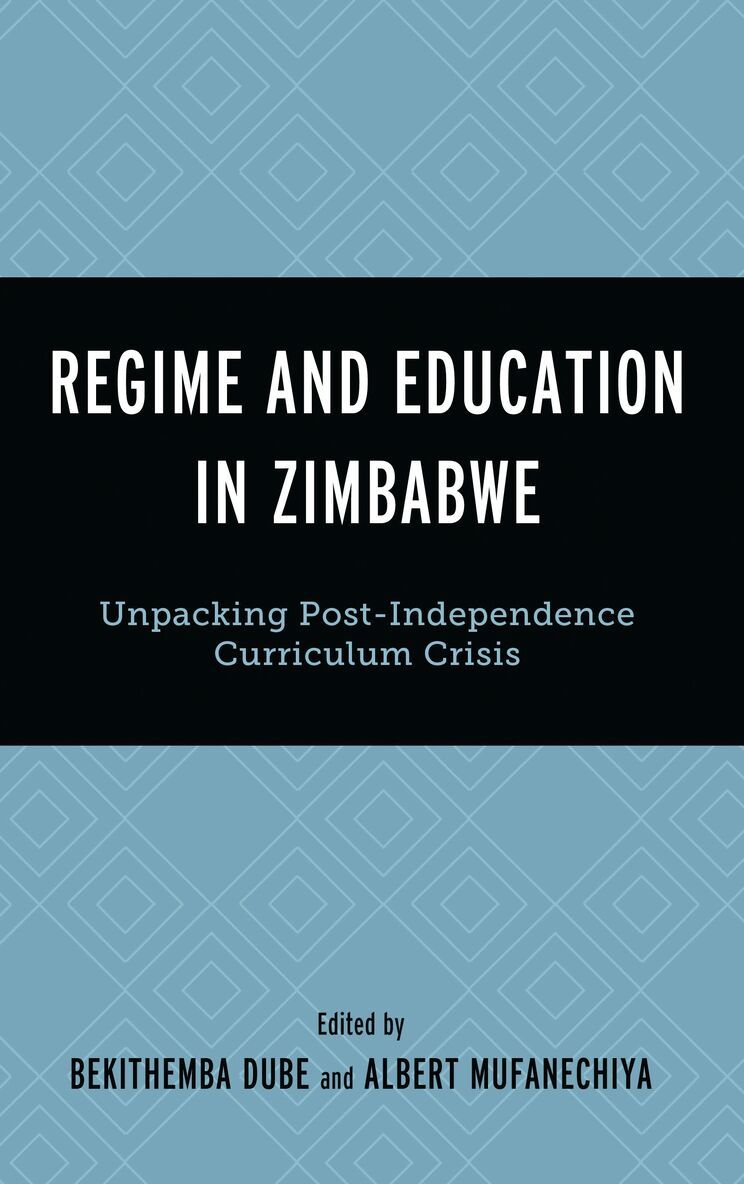
This collection focuses on the post-independence educational development in Zimbabwe. It shows how the ZANU PF regime has presided over the demise of education, and covers a wide range of topics such as violence against teachers, poor salaries, student activism, minority languages, and curriculum innovations. This volume argues that the regime has used education as a tool for repression. Curriculum innovations introduced and implemented in Zimbabwe have little to do with improving the performance of the learners, and more to do with stopping teachers from pushing the regime change agenda. Consequently, this has resulted in a nation in crisis, marked with high turnover, poor economy, and mass exodus of teachers and learners. The contributors to this volume make various suggestions which could recenter education towards addressing the experiences of the learners, as opposed to being used as a tool to push repression and thwart democracy.
Inbunden, Engelska, 2025
1 187 kr
Skickas inom 10-15 vardagar
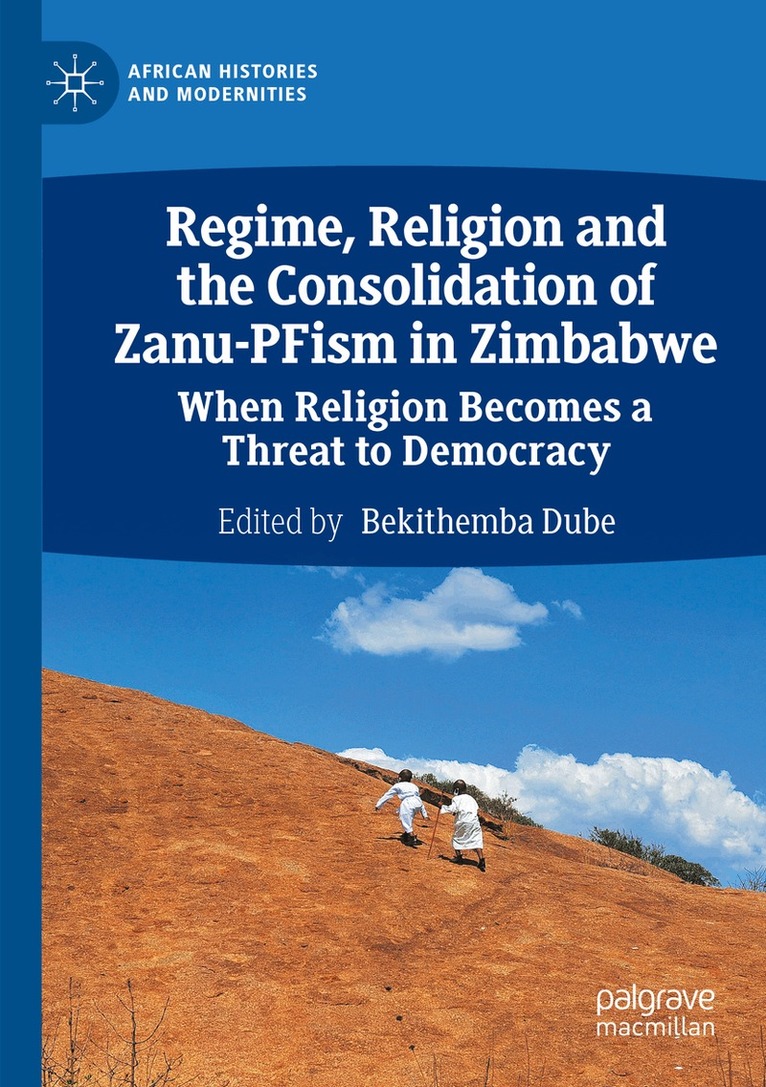
The book offers an incisive examination of the governing philosophy of the Zimbabwe African National Union-Patriotic Front (ZANU-PF), referred to as Zanupfism, characterizing it as marked by callousness and malevolence towards dissenting voices from civil society and opposition factions. This pernicious application of power extends beyond mere verbal aggression to encompass militaristic actions, engendering a profound generational crisis within Zimbabwe. The contributors explore the compelling juxtaposition between President Emmerson Mnangagwa and the biblical Nebuchadnezzar II, a ruler notorious for his autocratic reign and expansive ambitions. Further, critically scrutinizing the complicity of neo-Pentecostal prophets in the book reveals how these religious figures promote an esoteric understanding of the divine, diverging from a theology rooted in justice, thereby enabling the oppressive regime's practices. This critique underscores the imperative for prophets to recalibrate their theological perspectives, urging them to move beyond magical interpretations of faith toward an authentic engagement with a personal God who champions justice. The book further encompasses the complex interplay of political and religious narratives, examining how church leaders either bolster or undermine Mnangagwa’s political ideology, highlighting the tendency among certain religious factions to deify political authority, ultimately exacerbating societal inequities. In advocating for a transformative theological discourse in Zimbabwe, the book asserts that religious narratives must serve as instruments for fostering democracy, social justice, and equity, rather than sustaining a status quo that entrenches authoritarian governance. The necessity for unified, principled resistance, grounded in the collective agency of the populace, emerges as a salient theme in the quest for meaningful political and social reform.
Häftad, Engelska, 2027
678 kr
Kommande
E-bok
Engelska, 20251 286 kr
Läs direkt efter köp
The book offers an incisive examination of the governing philosophy of the Zimbabwe African National Union-Patriotic Front (ZANU-PF), referred to as Zanupfism, characterizing it as marked by callousness and malevolence towards dissenting voices from civil society and opposition factions. This pernicious application of power extends beyond mere verbal aggression to encompass militaristic actions, engendering a profound generational crisis within Zimbabwe. The contributors explore the compelling juxtaposition between President Emmerson Mnangagwa and the biblical Nebuchadnezzar II, a ruler notorious for his autocratic reign and expansive ambitions. Further, critically scrutinizing the complicity of neo-Pentecostal prophets in the book reveals how these religious figures promote an esoteric understanding of the divine, diverging from a theology rooted in justice, thereby enabling the oppressive regime's practices. This critique underscores the imperative for prophets to recalibrate their theological perspectives, urging them to move beyond magical interpretations of faith toward an authentic engagement with a personal God who champions justice. The book further encompasses the complex interplay of political and religious narratives, examining how church leaders either bolster or undermine Mnangagwa's political ideology, highlighting the tendency among certain religious factions to deify political authority, ultimately exacerbating societal inequities. In advocating for a transformative theological discourse in Zimbabwe, the book asserts that religious narratives must serve as instruments for fostering democracy, social justice, and equity, rather than sustaining a status quo that entrenches authoritarian governance. The necessity for unified, principled resistance, grounded in the collective agency of the populace, emerges as a salient theme in the quest for meaningful political and social reform.
Inbunden, Engelska, 2023
1 508 kr
Skickas inom 10-15 vardagar
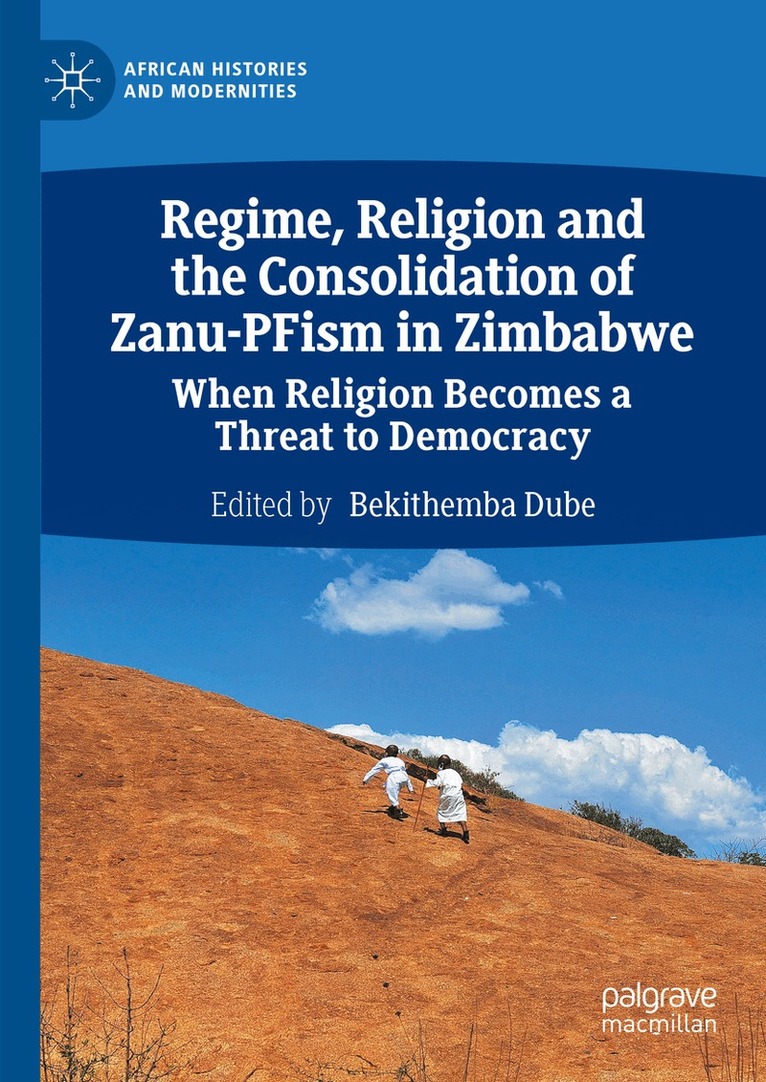
This collection focuses on the role of religious leaders and religious institutions in supporting or resisting the democratization process in Zimbabwe. It scrutinizes the actions of religious leaders such Andrew Wutawunashe and Jeremiah Mutendi who were prominent in the political scene and participated as enablers of the undemocratic regime. The contributors to this volume employ a variety of methodological approaches to understand the operational dilemma of the second republic under Emmerson Dambudzo Mnangagwa, commonly referred to as Zanupfism. It is an empirical study to determine the impact of religious leaders as regime enablers and assess the effects of such an approach in terms of social development, democracy, and social transformation as espoused in the rise of the second republic. In order to balance the narrative, the book highlights and offers critique of religious leaders and institutes who are the resistors of the regime. It specifically explores the Zimbabwe Catholic Bishops Conference, Evangelical Fellowship of Zimbabwe, Zimbabwe Council of Churches, Talent Chiwenga and Shingi Munyeza. This is a critical study of decoloniality in a religious context that documents characters such as Shingi Mayeza, Bishop Mutendi, Mapostori who seldomly appear in scholarship despite their great impact (either positive or negative) on the lives of the people of Zimbabwe.
E-bok
Engelska, 20231 947 kr
Läs direkt efter köp
This collection focuses on the role of religious leaders and religious institutions in supporting or resisting the democratization process in Zimbabwe. It scrutinizes the actions of religious leaders such Andrew Wutawunashe and Jeremiah Mutendi who were prominent in the political scene and participated as enablers of the undemocratic regime. The contributors to this volume employ a variety of methodological approaches to understand the operational dilemma of the second republic under Emmerson Dambudzo Mnangagwa, commonly referred to as Zanupfism. It is an empirical study to determine the impact of religious leaders as regime enablers and assess the effects of such an approach in terms of social development, democracy, and social transformation as espoused in the rise of the second republic. In order to balance the narrative, the book highlights and offers critique of religious leaders and institutes who are the resistors of the regime. It specifically explores the Zimbabwe Catholic Bishops Conference, Evangelical Fellowship of Zimbabwe, Zimbabwe Council of Churches, Talent Chiwenga and Shingi Munyeza. This is a critical study of decoloniality in a religious context that documents characters such as Shingi Mayeza, Bishop Mutendi, Mapostori who seldomly appear in scholarship despite their great impact (either positive or negative) on the lives of the people of Zimbabwe.
Häftad, Engelska, 2024
1 508 kr
Skickas inom 10-15 vardagar
This collection focuses on the role of religious leaders and religious institutions in supporting or resisting the democratization process in Zimbabwe. It scrutinizes the actions of religious leaders such Andrew Wutawunashe and Jeremiah Mutendi who were prominent in the political scene and participated as enablers of the undemocratic regime. The contributors to this volume employ a variety of methodological approaches to understand the operational dilemma of the second republic under Emmerson Dambudzo Mnangagwa, commonly referred to as Zanupfism. It is an empirical study to determine the impact of religious leaders as regime enablers and assess the effects of such an approach in terms of social development, democracy, and social transformation as espoused in the rise of the second republic. In order to balance the narrative, the book highlights and offers critique of religious leaders and institutes who are the resistors of the regime. It specifically explores the Zimbabwe Catholic Bishops Conference, Evangelical Fellowship of Zimbabwe, Zimbabwe Council of Churches, Talent Chiwenga and Shingi Munyeza. This is a critical study of decoloniality in a religious context that documents characters such as Shingi Mayeza, Bishop Mutendi, Mapostori who seldomly appear in scholarship despite their great impact (either positive or negative) on the lives of the people of Zimbabwe.