Belinda Edmondson - Böcker
Visar alla böcker från författaren Belinda Edmondson. Handla med fri frakt och snabb leverans.
5 produkter
5 produkter
1 770 kr
Skickas inom 3-6 vardagar
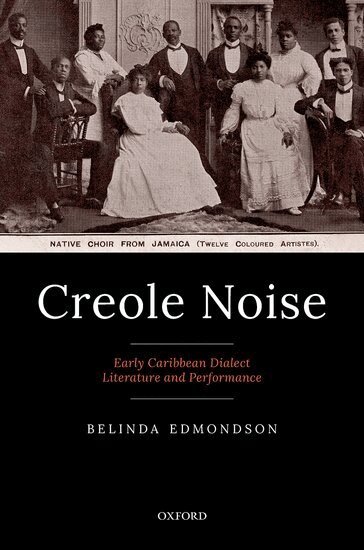
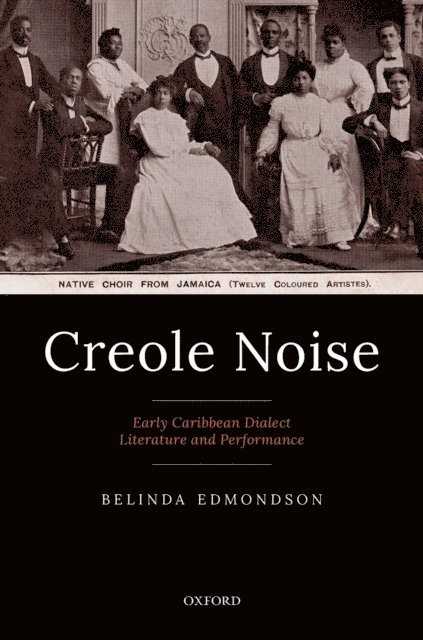
Creole Noise is a history of Creole, or 'dialect', literature and performance in the English-speaking Caribbean, from the late eighteenth century to the early twentieth century. By emphasizing multiracial origins, transnational influences, and musical performance alongside often violent historical events of the nineteenth century - slavery, Emancipation, the Morant Bay Rebellion, the era of blackface minstrelsy, indentureship and immigration - it revises the common view that literary dialect in the Caribbean was a relatively modern, twentieth-century phenomenon, associated with regional anti-colonial or black-affirming nationalist projects. It explores both the lives and the literary texts of a number of early progenitors, among these a number of pro-slavery white creoles as well as the first black author of literary dialect in the English-speaking Caribbean. Creole Noise features a number of fascinating historical characters, among these Henry Garland Murray, a black Jamaican journalist and lecturer; Michael McTurk, the white magistrate from British Guiana who, as 'Quow', authored one of the earliest books of dialect literature; as well as blackface comedian and calypsonian Sam Manning, who along with Marcus Garvey's ex-wife, Amy Ashwood Garvey, wrote a popular dialect play that traveled across the United States. In so doing it reconstructs an earlier period of dialect literature, usually isolated or dismissed from the cultural narrative as racist mimicry or merely political, not part of a continuum of artistic production in the Caribbean.
398 kr
Skickas inom 5-8 vardagar
Creole Noise is a history of Creole, or 'dialect', literature and performance in the English-speaking Caribbean, from the late eighteenth century to the early twentieth century. By emphasizing multiracial origins, transnational influences, and musical performance alongside often violent historical events of the nineteenth century - slavery, Emancipation, the Morant Bay Rebellion, the era of blackface minstrelsy, indentureship and immigration - it revises the common view that literary dialect in the Caribbean was a relatively modern, twentieth-century phenomenon, associated with regional anti-colonial or black-affirming nationalist projects. It explores both the lives and the literary texts of a number of early progenitors, among these a number of pro-slavery white creoles as well as the first black author of literary dialect in the English-speaking Caribbean. Creole Noise features a number of fascinating historical characters, among these Henry Garland Murray, a black Jamaican journalist and lecturer; Michael McTurk, the white magistrate from British Guiana who, as 'Quow', authored one of the earliest books of dialect literature; as well as blackface comedian and calypsonian Sam Manning, who along with Marcus Garvey's ex-wife, Amy Ashwood Garvey, wrote a popular dialect play that traveled across the United States. In so doing it reconstructs an earlier period of dialect literature, usually isolated or dismissed from the cultural narrative as racist mimicry or merely political, not part of a continuum of artistic production in the Caribbean
714 kr
Skickas inom 10-15 vardagar
It is commonly assumed that Caribbean culture is split into elite highbrow culture—which is considered derivative of Europe and not rooted in the Caribbean—and authentic working-class culture, which is often identified with such iconic island activities as salsa, carnival, calypso, and reggae. In Caribbean Middlebrow, Belinda Edmondson recovers a middle ground, a genuine popular culture in the English-speaking Caribbean that stretches back into the nineteenth century.Edmondson shows that popular novels, beauty pageants, and music festivals are examples of Caribbean culture that are mostly created, maintained, and consumed by the Anglophone middle class. Much of middle-class culture, she finds, is further gendered as "female": women are more apt to be considered recreational readers of fiction, for example, and women's behavior outside the home is often taken as a measure of their community's respectability.Edmondson also highlights the influence of American popular culture, especially African American popular culture, as early as the nineteenth century. This is counter to the notion that the islands were exclusively under the sway of British tastes and trends. She finds the origins of today's "dub" or spoken-word Jamaican poetry in earlier traditions of genteel dialect poetry—as exemplified by the work of the Jamaican folklorist, actress, and poet Louise "Miss Lou" Bennett Coverley—and considers the impact of early Caribbean novels, including Emmanuel Appadocca (1853) and Jane's Career (1913).
483 kr
Skickas inom 10-15 vardagar
Examines the ways in which the ""romance"" trope is employed within contemporary Caribbean popular culture and literature to idealize the newly independent postcolonial societies of the region. These essays situate this discourse of idealization within its historical and cultural contexts.
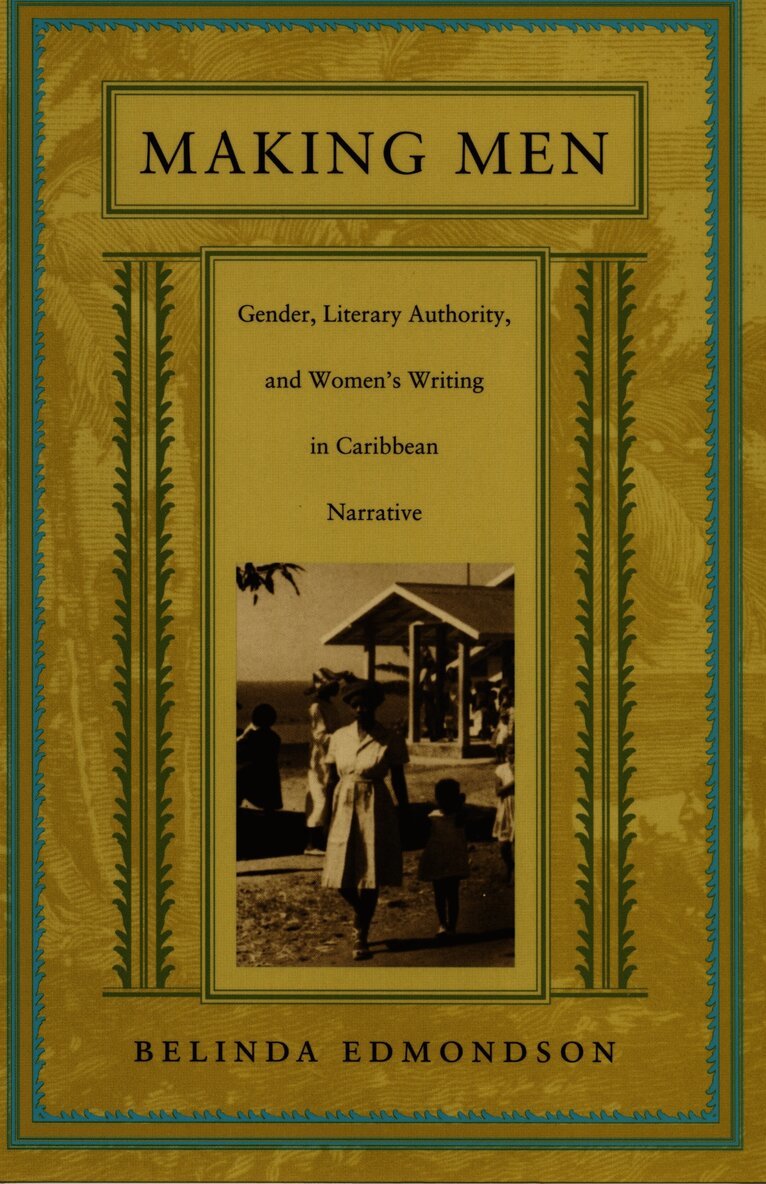
Making Men
Gender, Literary Authority, and Women's Writing in Caribbean Narrative
Häftad, Engelska, 1998
259 kr
Skickas
Colonialism left an indelible mark on writers from the Caribbean. Many of the mid-century male writers, on the eve of independence, looked to England for their models. The current generation of authors, many of whom are women, have increasingly looked-and relocated-to the United States. Incorporating postcolonial theory, West Indian literature, feminist theory, and African American literary criticism, Making Men carves out a particular relationship between the Caribbean canon-as represented by C. L. R. James and V. S. Naipaul, among others-and contemporary Caribbean women writers such as Jean Rhys, and Jamaica Kincaid, Paule Marshall, and Michelle Cliff, who now live in the United States.Discussing the canonical Caribbean narrative as it reflects national identity under the domination of English cultural authority, Belinda Edmondson focuses particularly on the pervasive influence of Victorian sensibilities in the structuring of twentieth-century national identity. She shows that issues of race and English constructions of masculinity not only are central to West Indian identity but also connect Caribbean authorship to the English literary tradition. This perspective on the origins of West Indian literary nationalism then informs Edmondson’s search for female subjectivity in current literature by West Indian women immigrants in America. Making Men compares the intellectual exile of men with the economic migration of women, linking the canonical male tradition to the writing of modern West Indian women and exploring how the latter write within and against the historical male paradigm in the continuing process of national definition.With theoretical claims that invite new discourse on English, Caribbean, and American ideas of exile, migration, race, gender identity, and literary authority, Making Men will be informative reading for those involved with postcolonial theory, African American and women’s studies, and Caribbean literature.