Belinda Smaill - Böcker
Visar alla böcker från författaren Belinda Smaill. Handla med fri frakt och snabb leverans.
3 produkter
3 produkter
454 kr
Skickas inom 5-8 vardagar
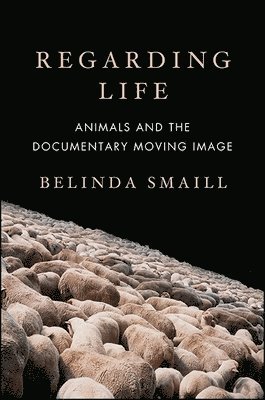
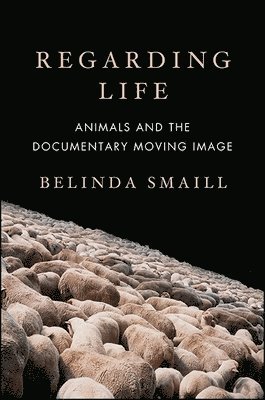
Contends that the narrative and aesthetic qualities of the documentary genre enable new understandings of animals and animal/human relationships.As indicated by the success of such films as March of the Penguins and Food, Inc., the documentary has become the preeminent format for rendering animals and nature onscreen. In Regarding Life, Belinda Smaill brings together examples from a broad array of moving image contexts, including wildlife film and television, advocacy documentary, avant-garde nonfiction, and new media to identify a new documentary terrain in which the representation of animals in the wild and in industrial settings is becoming markedly more complex and increasingly more involved with pivotal ecological debates over species loss, food production, and science.While attending to some of the most discussed documentaries of the last two decades, including Grizzly Man; Food, Inc.; Sweetgrass; Our Daily Bread; and Darwin's Nightmare, the book also draws on lesser-known film examples, and is one of the first to bring film studies understandings to new media such as YouTube. The result is a study that melds film studies and animal studies to explore how documentary films render both humans and animals, and to what political ends.
1 122 kr
Tillfälligt slut
Contends that the narrative and aesthetic qualities of the documentary genre enable new understandings of animals and animal/human relationships.As indicated by the success of such films as March of the Penguins and Food, Inc., the documentary has become the preeminent format for rendering animals and nature onscreen. In Regarding Life, Belinda Smaill brings together examples from a broad array of moving image contexts, including wildlife film and television, advocacy documentary, avant-garde nonfiction, and new media to identify a new documentary terrain in which the representation of animals in the wild and in industrial settings is becoming markedly more complex and increasingly more involved with pivotal ecological debates over species loss, food production, and science.While attending to some of the most discussed documentaries of the last two decades, including Grizzly Man; Food, Inc.; Sweetgrass; Our Daily Bread; and Darwin's Nightmare, the book also draws on lesser-known film examples, and is one of the first to bring film studies understandings to new media such as YouTube. The result is a study that melds film studies and animal studies to explore how documentary films render both humans and animals, and to what political ends.
675 kr
Skickas inom 10-15 vardagar
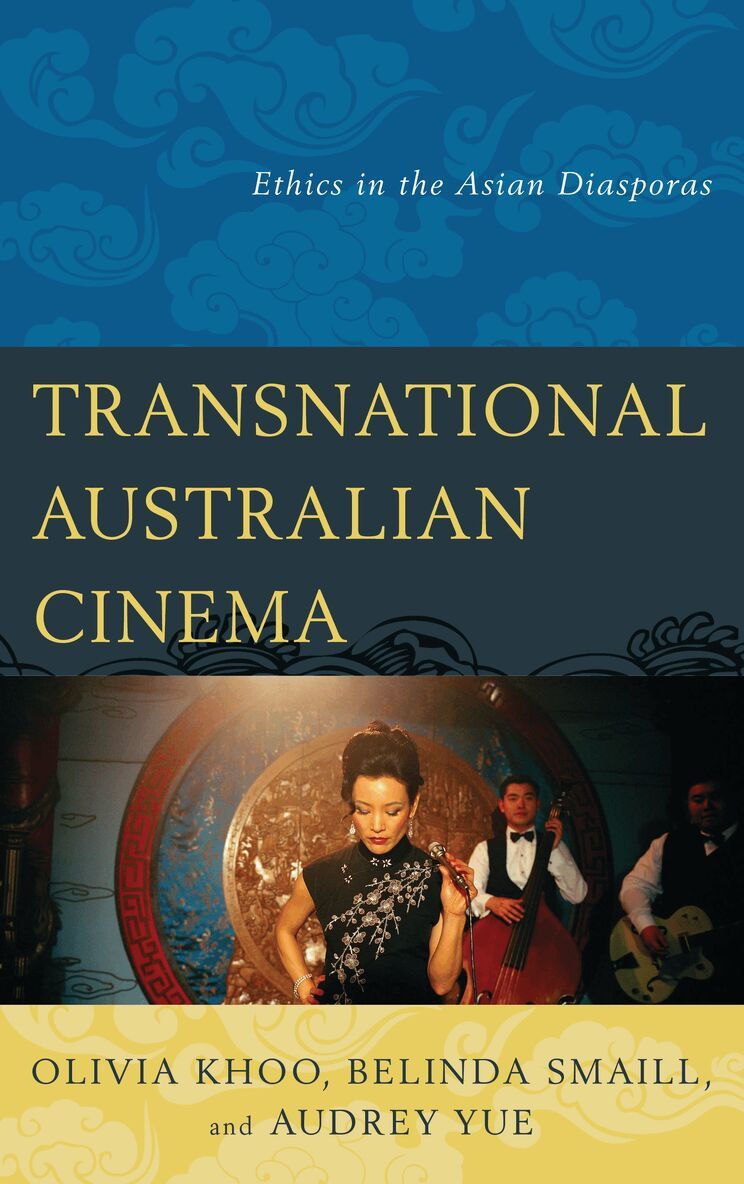
To date, there has been little sustained attention given to the historical cinema relations between Australia and Asia. This is a significant omission given Australia’s geo-political position and the place Asia has held in the national imaginary, oscillating between threat and opportunity. Many accounts of Australian cinema begin with the 1970s film revival, placing “Asian-Australian cinema” within a post-revival schema of multicultural or diasporic cinema and ignoring Asian-Australian connections prior to the revival. Transnational Australian Cinema charts a history of Asian-Australian cinema, encompassing the work of diasporic Asian filmmakers, films featuring images of Asia and Asians, films produced by Australians working in Asia’s film industries or addressed at Asian audiences, and Asian films that use Australian resources, including locations and personnel. Utilizing an interdisciplinary approach, the book considers diasporic Asian histories, the impact of government immigration and film policies on representation, and the new aesthetic styles and production regimes created by filmmakers who have forged links, both through roots and routes, with Asia. This expanded history of Asian-Australian cinema allows for a renewed discussion of so-called dormant periods in the nation’s film history. In this respect, the mapping of an expanded history of cinema practices contributes to our broader aim to rethink the transnationalism of Australian cinema.