Ben Daley - Böcker
Visar alla böcker från författaren Ben Daley. Handla med fri frakt och snabb leverans.
4 produkter
4 produkter
2 170 kr
Skickas inom 10-15 vardagar
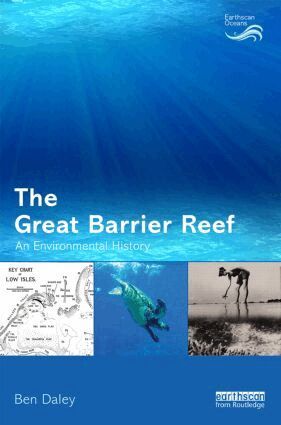
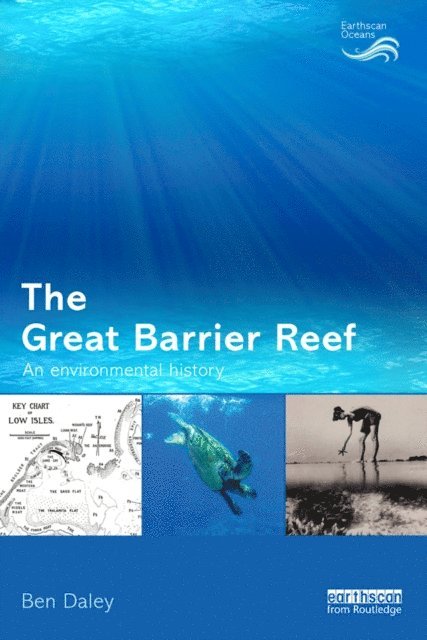
The Great Barrier Reef is located along the coast of Queensland in north-east Australia and is the world's largest coral reef ecosystem. Designated a World Heritage Area, it has been subject to increasing pressures from tourism, fishing, pollution and climate change, and is now protected as a marine park. This book provides an original account of the environmental history of the Great Barrier Reef, based on extensive archival and oral history research. It documents and explains the main human impacts on the Great Barrier Reef since European settlement in the region, focusing particularly on the century from 1860 to 1960 which has not previously been fully documented, yet which was a period of unprecedented exploitation of the ecosystem and its resources. The book describes the main changes in coral reefs, islands and marine wildlife that resulted from those impacts. In more recent decades, human impacts on the Great Barrier Reef have spread, accelerated and intensified, with implications for current management and conservation practices. There is now better scientific understanding of the threats faced by the ecosystem. Yet these modern challenges occur against a background of historical levels of exploitation that is little-known, and that has reduced the ecosystem's resilience. The author provides a compelling narrative of how one of the world's most iconic and vulnerable ecosystems has been exploited and degraded, but also how some early conservation practices emerged.
2 103 kr
Skickas inom 10-15 vardagar
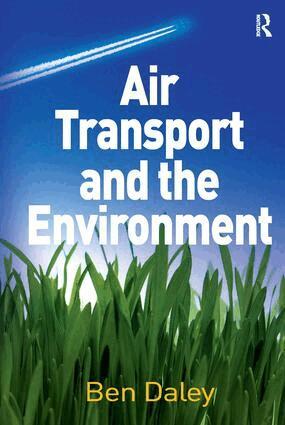
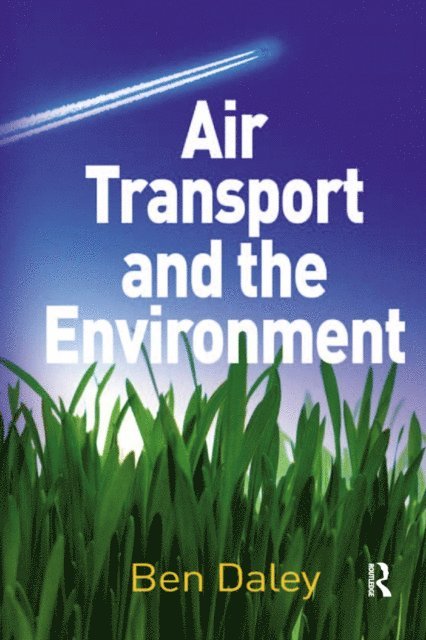
Air Transport and the Environment provides an overview of the main issues relating to aviation environmental impacts. It explains the challenge facing policymakers in terms of sustainable development, focusing on the importance of balancing the industry's economic, social and environmental costs and benefits, both for people living now and for future generations. Individual chapters review the current scientific understanding of the main aviation environmental impacts: climate change, local air pollution and aircraft noise. Various responses to those issues are also considered, including a range of policy options based on regulatory, market-based and voluntary approaches. Key concepts such as environmental capacity, radiative forcing and carbon offsetting are explained. In addition, the book emphasises the main implications of aviation environmental issues for policymakers and for the management of the air transport industry. Debates about the environmental impacts of flying often generate strongly polarised reactions, yet this book adopts a constructive approach to the subject and attempts to present the environmental issues in a clear, straightforward manner. It aims to provide a policy-relevant synthesis of a wide range of perspectives rather than advocating one particular viewpoint. Yet the central purpose of this book is to bring the sustainable development challenge facing the air transport industry to the fore, and so to inform effective policy responses. Air transport plays a critical role in supporting economies and societies that are increasingly interconnected by globalisation; this book presents the view that the vital economic and social benefits of the air transport industry should not be lost - and in fact could be distributed far more widely and equitably - but that the environmental impacts of air transport nevertheless require urgent and effective management. Air Transport and the Environment has been written primarily for professionals in the air transport industry, policymakers and regulators. It is also intended for use by academic researchers, students and others who are interested in the complex relationship between air transport and the environment.
512 kr
Skickas inom 10-15 vardagar
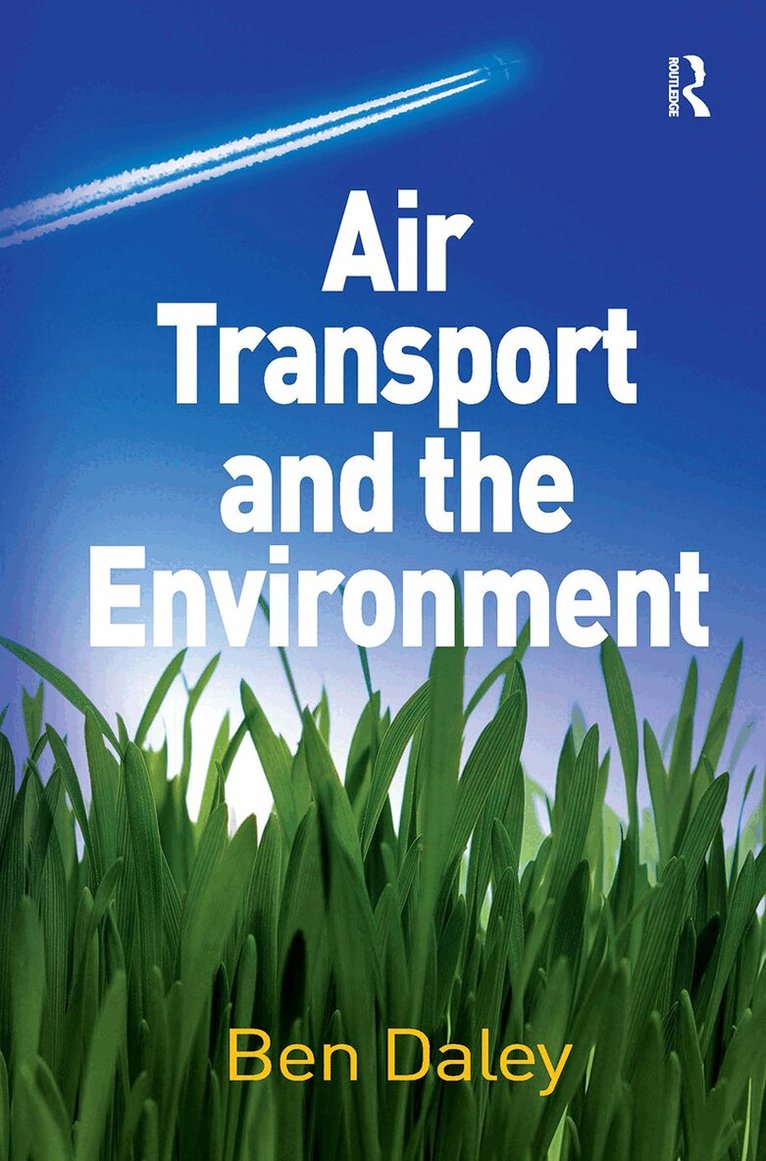
Air Transport and the Environment provides an overview of the main issues relating to aviation environmental impacts. It explains the challenge facing policymakers in terms of sustainable development, focusing on the importance of balancing the industry's economic, social and environmental costs and benefits, both for people living now and for future generations. Individual chapters review the current scientific understanding of the main aviation environmental impacts: climate change, local air pollution and aircraft noise. Various responses to those issues are also considered, including a range of policy options based on regulatory, market-based and voluntary approaches. Key concepts such as environmental capacity, radiative forcing and carbon offsetting are explained. In addition, the book emphasises the main implications of aviation environmental issues for policymakers and for the management of the air transport industry. Debates about the environmental impacts of flying often generate strongly polarised reactions, yet this book adopts a constructive approach to the subject and attempts to present the environmental issues in a clear, straightforward manner. It aims to provide a policy-relevant synthesis of a wide range of perspectives rather than advocating one particular viewpoint. Yet the central purpose of this book is to bring the sustainable development challenge facing the air transport industry to the fore, and so to inform effective policy responses. Air transport plays a critical role in supporting economies and societies that are increasingly interconnected by globalisation; this book presents the view that the vital economic and social benefits of the air transport industry should not be lost - and in fact could be distributed far more widely and equitably - but that the environmental impacts of air transport nevertheless require urgent and effective management. Air Transport and the Environment has been written primarily for professionals in the air transport industry, policymakers and regulators. It is also intended for use by academic researchers, students and others who are interested in the complex relationship between air transport and the environment.
730 kr
Skickas inom 10-15 vardagar
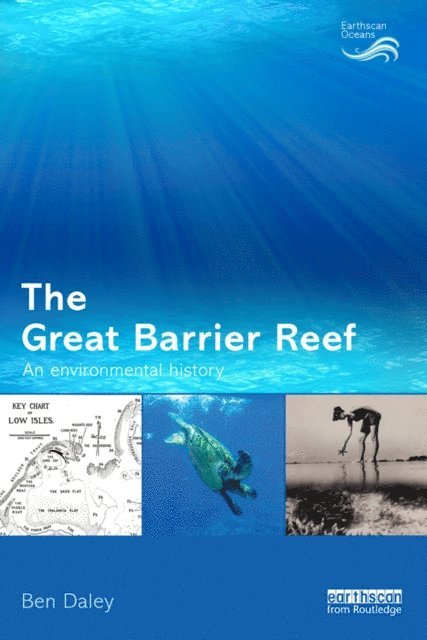
The Great Barrier Reef is located along the coast of Queensland in north-east Australia and is the world's largest coral reef ecosystem. Designated a World Heritage Area, it has been subject to increasing pressures from tourism, fishing, pollution and climate change, and is now protected as a marine park. This book provides an original account of the environmental history of the Great Barrier Reef, based on extensive archival and oral history research. It documents and explains the main human impacts on the Great Barrier Reef since European settlement in the region, focusing particularly on the century from 1860 to 1960 which has not previously been fully documented, yet which was a period of unprecedented exploitation of the ecosystem and its resources. The book describes the main changes in coral reefs, islands and marine wildlife that resulted from those impacts. In more recent decades, human impacts on the Great Barrier Reef have spread, accelerated and intensified, with implications for current management and conservation practices. There is now better scientific understanding of the threats faced by the ecosystem. Yet these modern challenges occur against a background of historical levels of exploitation that is little-known, and that has reduced the ecosystem's resilience. The author provides a compelling narrative of how one of the world's most iconic and vulnerable ecosystems has been exploited and degraded, but also how some early conservation practices emerged.