Ben Parsons - Böcker
Visar alla böcker från författaren Ben Parsons. Handla med fri frakt och snabb leverans.
5 produkter
5 produkter
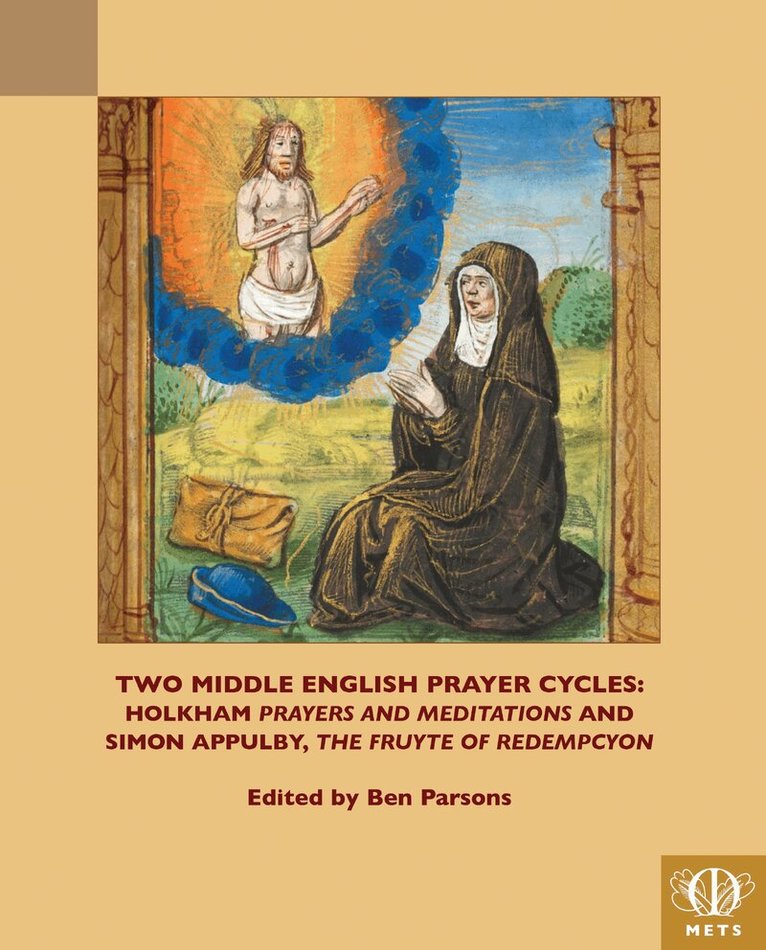
Two Middle English Prayer Cycles
Holkham, "Prayers and Meditations" and Simon Appulby, "Fruyte of Redempcyon"
Häftad, Engelska, 2023
273 kr
Skickas inom 5-8 vardagar
This volume presents the first critical editions of two fascinating but overlooked medieval prayer sequences: the Holkham “Prayers and Meditations” (c. 1400-1420), a rare example of medieval religious literature by a female author written to guide a “religious sustir” in her devotions; and Simon Appulby’s “Fruyte of Redempcyon (1514), composed by one of England’s last anchorites to serve his urban community. Patterned after the widely influential fourteenth-century Meditationes vitae Christi (“Meditations on the Life of Christ”) and its psychological model of prayer, both cycles direct their readers to imagine themselves in Jesus’s presence during key events of Christian history, mystically envisioning and experiencing Christ’s life and passion in the here and now through a state of spiritual intimacy. Despite their differences in century, contexts, and intended audiences, these prayer sequences together introduce readers to one of the most vital and idiosyncratic traditions of medieval Christian devotion.
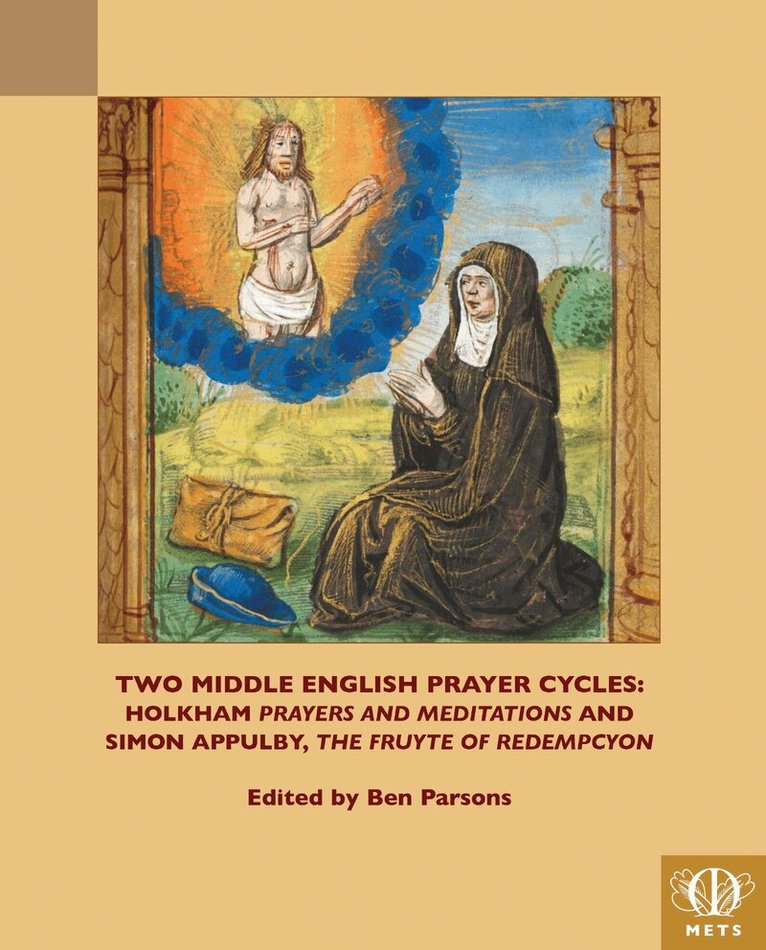
Two Middle English Prayer Cycles
Holkham, "Prayers and Meditations" and Simon Appulby, "Fruyte of Redempcyon"
Inbunden, Engelska, 2023
1 307 kr
Skickas inom 5-8 vardagar
This book presents the first critical editions of two fascinating but overlooked devotional texts. Each shines its own light on medieval faith.The Holkham Prayers and Meditations (ca.1410) is a rare example of female authorship, written by an unnamed woman to guide a "religious sustir." Simon Appulby's Fruyte of Redempcyon (1514) is more popular in aim, composed by one of England's last anchorites to serve his urban community.Patterned after the widely influential fourteenth-century Meditationes vitae Christi ("Meditations on the Life of Christ") and its psychological model of prayer, both cycles direct their readers to imagine themselves in Jesus's presence during key events of Christian history, mystically envisioning and experiencing Christ's life and passion in the here and now through a state of spiritual intimacy. Despite their differences in century, contexts, and intended audiences, these prayer sequences together introduce readers to one of the most vital and idiosyncratic traditions of medieval Christian devotion.Both texts are accompanied by extensive notes and introductory essays to aid students and specialists alike.
217 kr
Skickas inom 5-8 vardagar
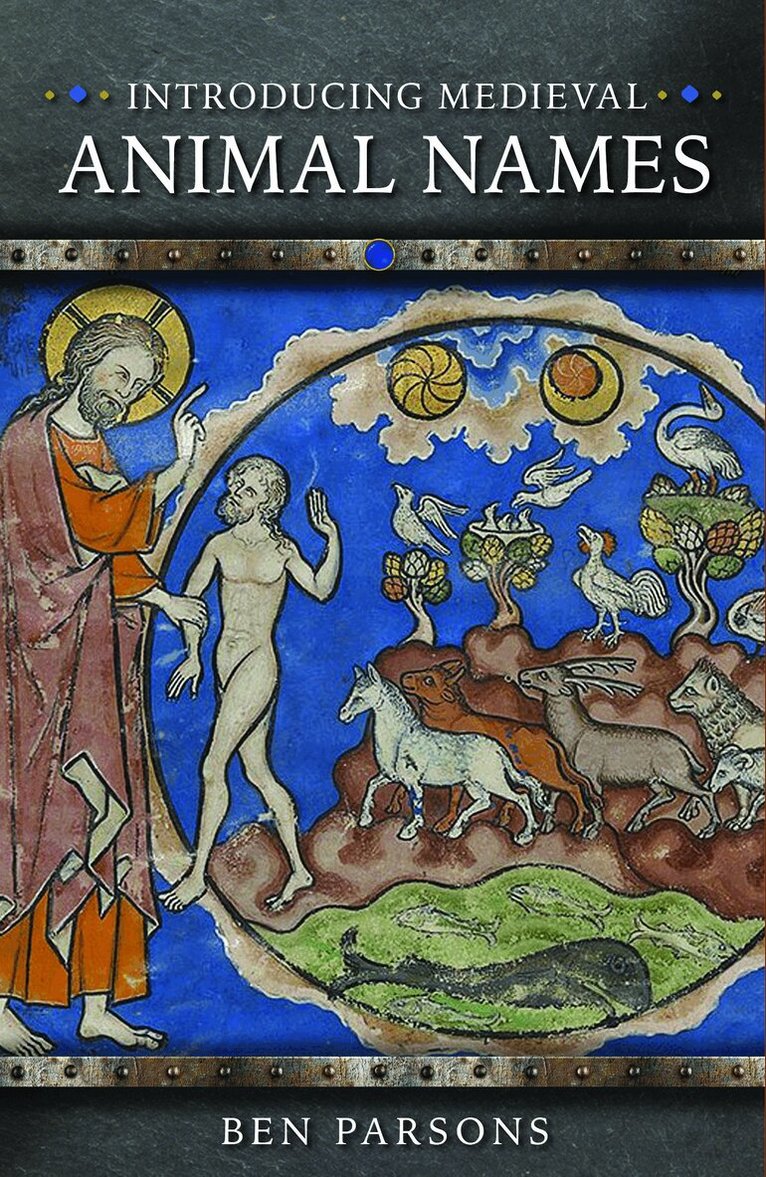
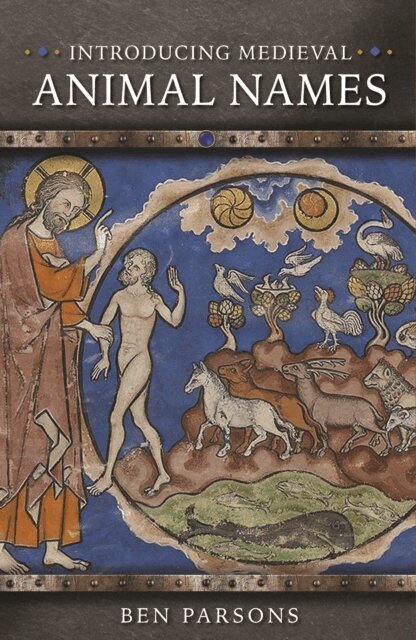
What did medieval people call the animals they lived and worked with? Why did they give them the names they did? This book sets out to answer these questions. Drawing evidence from literary, documentary and material sources, it surveys the surviving evidence of pet-naming from the period, as well as examining the labels given to livestock and working animals, and the folk-names given to wild birds and beasts. Alongside building up a corpus of names, the conventions that directed animal naming in the Middle Ages are considered, as well as how proper nouns behaved when given to non-human organisms. Through its inquiry, the book lays bare the period’s larger attitudes towards animals, their functions and identities, and at the same time sheds light on how the Middle Ages conceived the natural world as a whole and its relationship with human beings and their culture.
1 331 kr
Skickas inom 7-10 vardagar
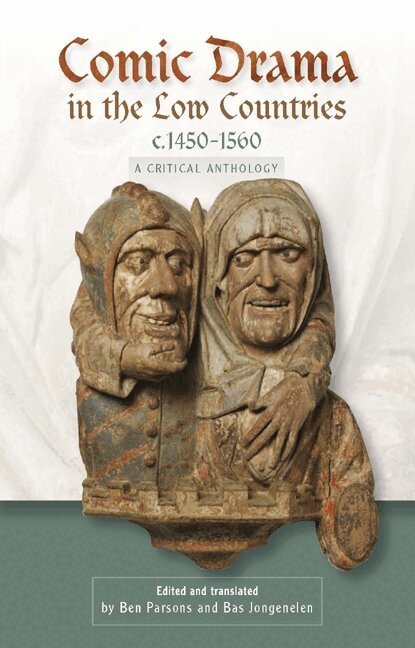
Text and translation of comic plays sheds light on a fascinating era of theatrical production.`[Opens] up an entirely new corpus of texts for scholars and readers familar with and interested in European dramatic texts from this period, but who have heretofore not had access to them due to the language barrier.' Professor David F. Johnson, Florida State University, TallahasseeDuring the Middle Ages and early modern period, a dramatic culture of astonishing vitality developed in the Low Countries. Owing to the activities of organisationsknown as rederijkerskamers, or "chambers of rhetoric", drama became a central aspect of public life in the cities of the Netherlands. The comedies produced by these groups are particularly interesting. Drawing their forms and narratives from folklore and popular ritual, and entertaining in their own right, they also bring together a range of important concerns; they respond directly to some of the key developments in the period, reflecting the political and religious turmoil of the Reformation and Dutch Revolt, the emergence of humanism, and the appearance of an early capitalist economy.This collection brings together the original Middle Dutch text of ten of these comic plays, with facing translation into modern English. The selection is divided evenly between formal stage-plays and monologues, and provides a representation of the full range of rederijker drama, from the sophisticatedFarce of the Fisherman, with its sly undermining of audience expectation, to the hearty scatology of A Mock-Sermon on Saint Nobody, and the grim gallows humour of The Farce of the Beggar. An introduction and notes place the plays in their context and elucidate difficulties of interpretation.Ben Parsons is Teaching Fellow at the University of Leicester; Bas Jongenelen is teacher of Dutch Literature at Fontys Lerarenopleidingin Tilburg.
1 350 kr
Skickas inom 10-15 vardagar
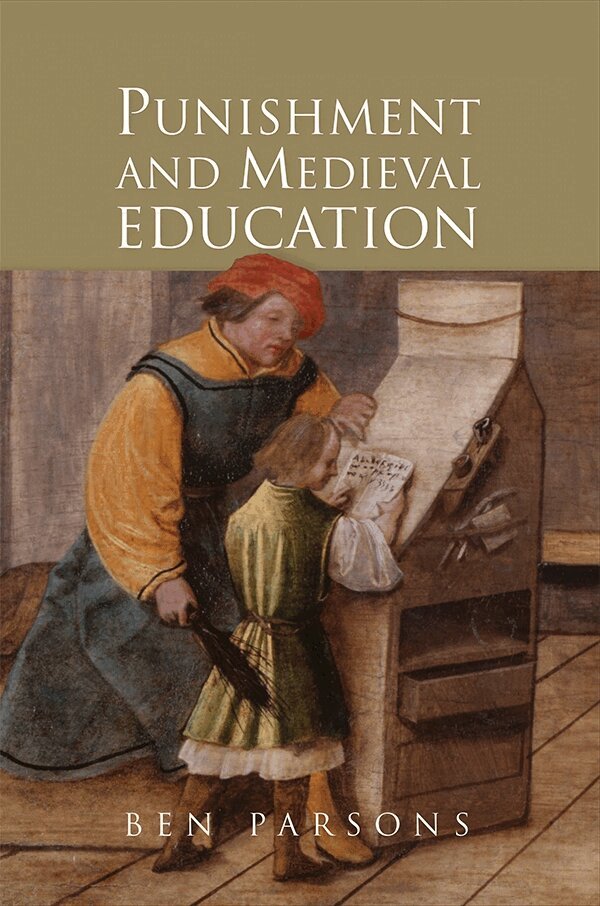
An exploration of the contours imposed on physical punishment by education, establishing how pedagogues accommodated violence into a system of rules, rituals and objectives.What meanys shall I use to lurne withoute betynge?, asks a pupil in a translation exercise compiled at Oxford in 1460s. One of the most conspicuous features of medieval education is its reliance on flogging. Throughout the period, the rod looms large in literary and artistic depictions of the schoolroom: it appears in teaching manuals, classroom exercises, and even in the iconography of instruction, which invariably personifies Grammatica as a woman brandishing a birch or ferule. However, as this book seeks to demonstrate, the association between teaching and beating was more than simply conventional. Medieval pedagogues and theorists did not merely accept the utility of punishment without question, but engaged with the issue in depth and detail. Almost every conceivable aspect of discipline was subject to intense scrutiny: the benefits it might transmit to learners, the relationship between mental development and physical correction, and the optimal ways in which chastisement should be performed, were all carefully examined. This book unpicks the various levels of this debate. It surveys material from multiple languages and discourses, in order to build up the fullest possible picture of medieval thought and practice. Each chapter addresses a specific aspect of punishment in school: topics include the classical inheritance of medieval teaching, therituals and structures of discipline, theoretical accounts of its effects, and the responses of students themselves to grammar's regimen. As a whole, the study not only exposes the impressive rigour with which beating was defined, but also some of the doubts, paradoxes, and even anxieties that surrounded its usage. At the same time, it also raises larger questions about the presence of violence across medieval culture, and how we might confront it withoutplaying into the reductive stereotype of "a barbaric age". BEN PARSONS is Lecturer in Medieval and Early Modern Literature at the University of Leicester.