Ben Ramalingam - Böcker
Visar alla böcker från författaren Ben Ramalingam. Handla med fri frakt och snabb leverans.
7 produkter
7 produkter
239 kr
Skickas
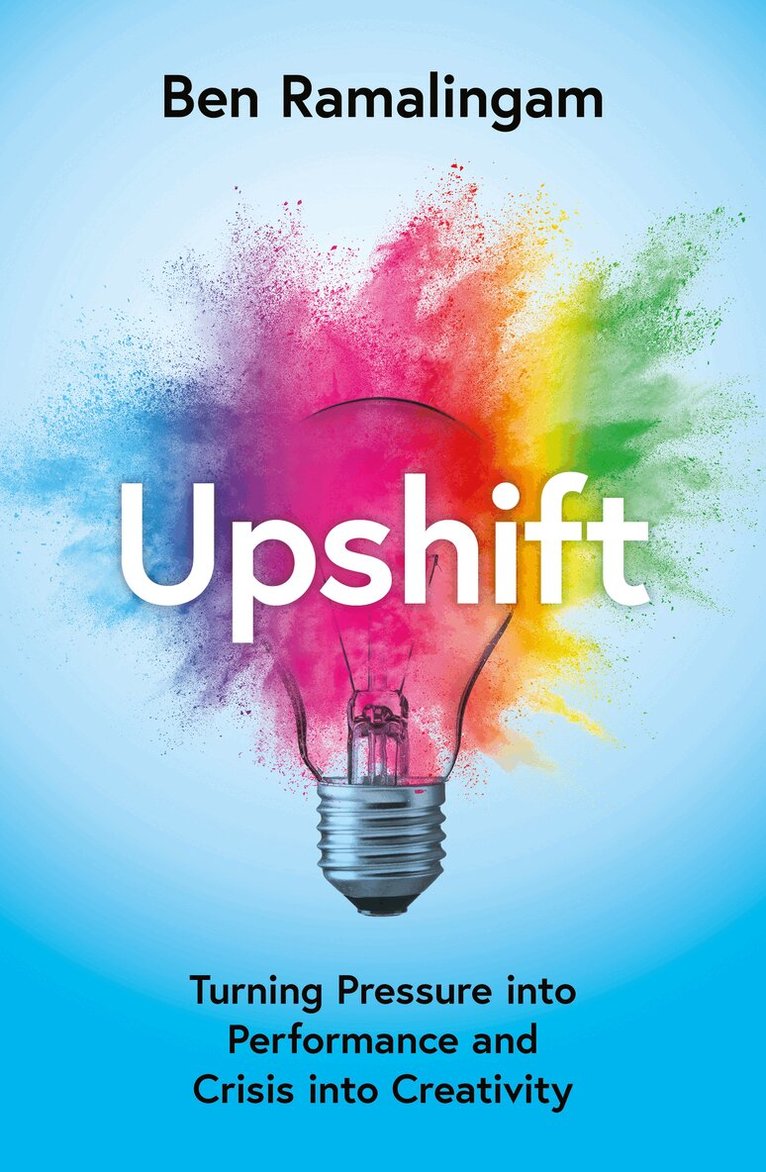
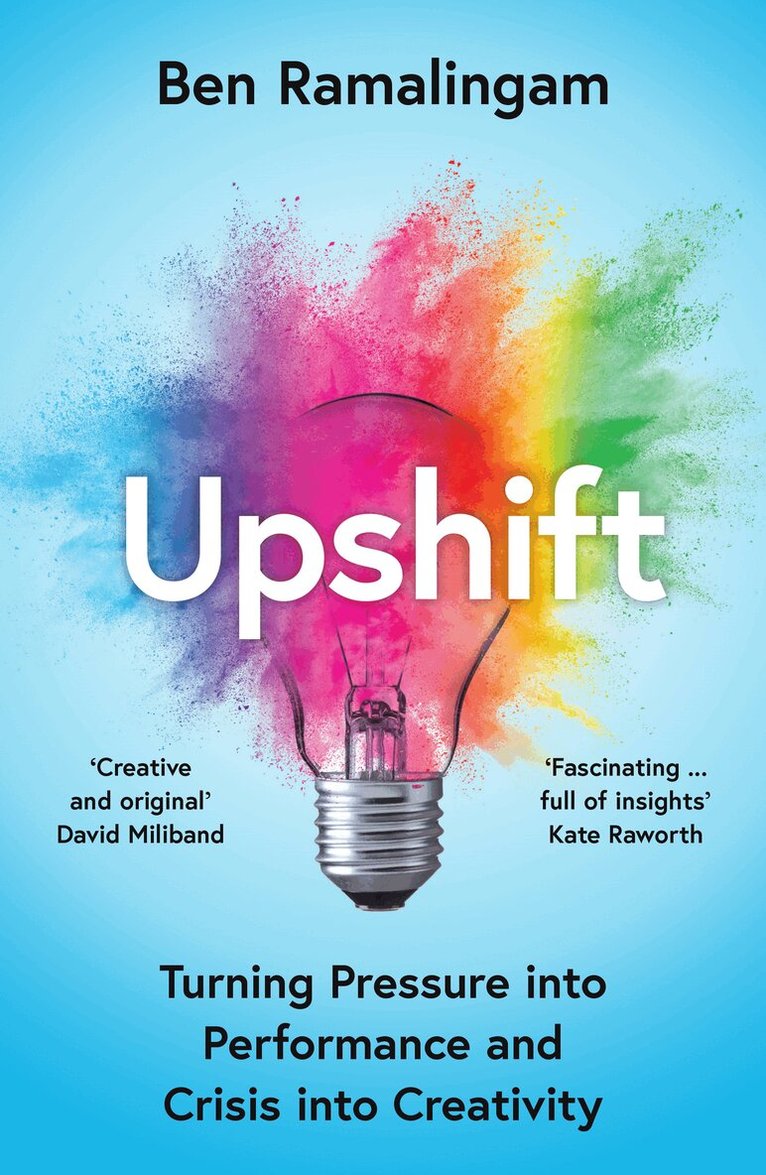
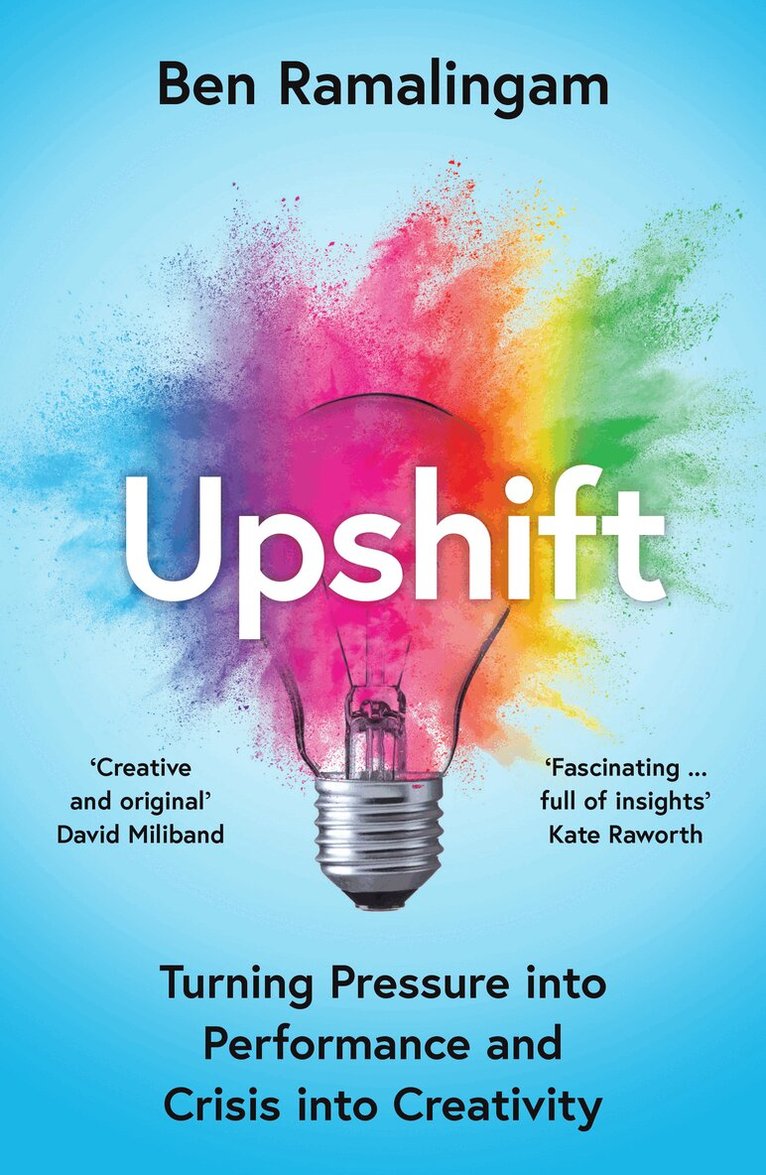
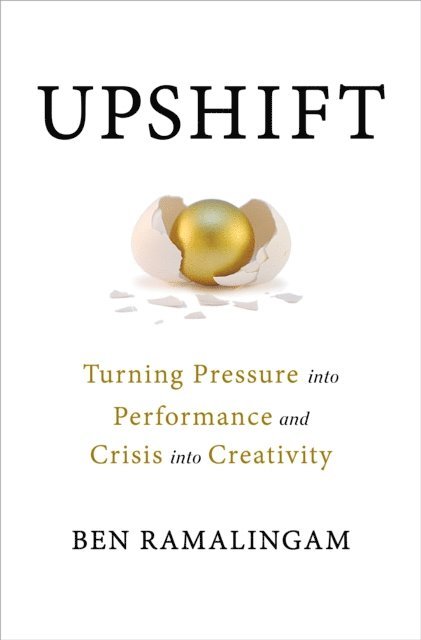
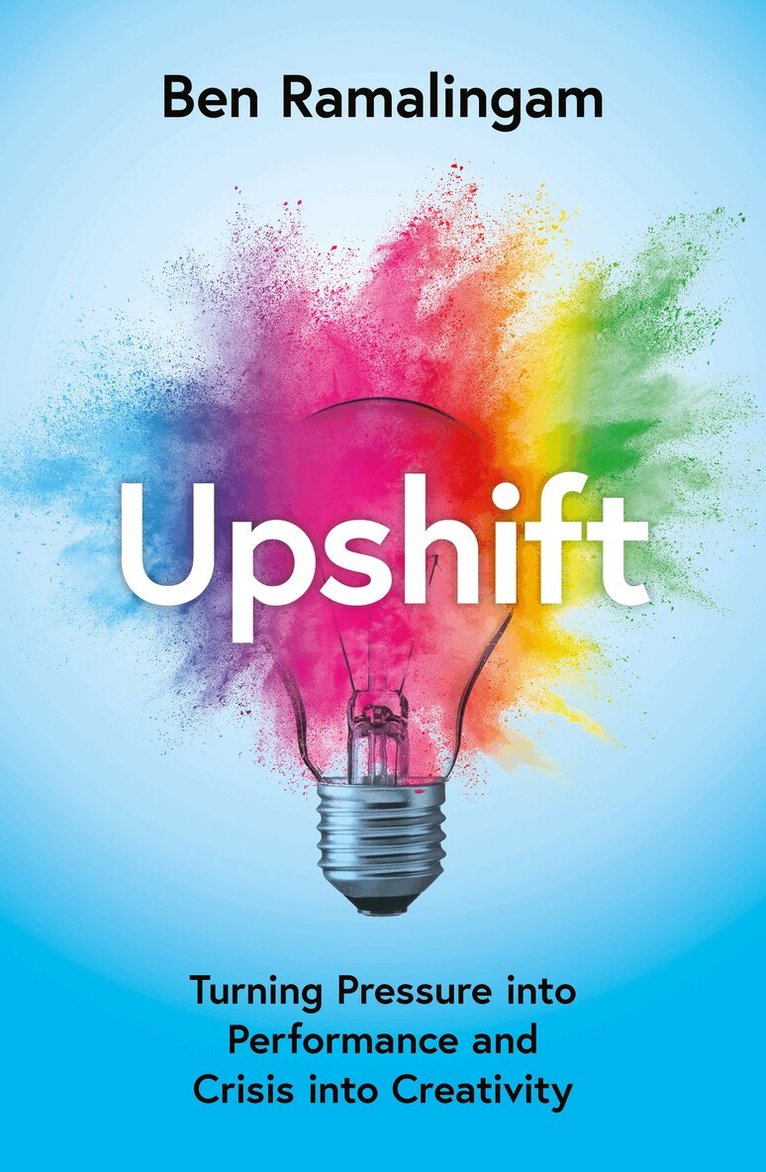
‘[A] creative and original book on resilience through crises’ DAVID MILIBAND ‘[A] fascinating book is full of insights … I highly recommend it’ KATE RAWORTH, AUTHOR OF DOUGHNUT ECONOMICS From a leading international crisis management expert, a breakthrough book about performance under pressure that will change the way you think about stress When we experience too much stress, we often feel like shutting down and escaping the source: we ‘downshift’. With too little stress, we become apathetic and disengaged. But what happens in the middle zone – when we experience what psychologists call ‘positive stress’ – and how can we use it to overcome extraordinary barriers and perform at our peak?From his role as a globally recognised change-maker at the likes of the United Nations, the International Red Cross and the World Bank, Ben Ramalingam has a unique vantage point from which to identify the key principles that can enable anyone to use stress as an opportunity for change. We learn how a switch in mentality helps musicians dazzle huge crowds against all odds; how astronauts focus on originality to overcome life-threatening incidents; and how discovering a sense of purpose allows emergency health workers and aid experts to deal with unprecedented crises.Through a sweep of fascinating interviews, in-depth research and inspiring human stories, Upshift provides us with an everyday toolkit that can help to improve our work, relationships and mindset, and places us on the road to success. Taking readers on an epic journey from early humans’ survival of the Ice Age to how modern social movements emerge and propagate in the digital world, Upshift is a reminder that creative solutions to complex problems will always exist – as long as we’re ready to innovate.
183 kr
Skickas
‘[A] creative and original book on resilience through crises’ DAVID MILIBAND ‘[A] fascinating book is full of insights … I highly recommend it’ KATE RAWORTH, AUTHOR OF DOUGHNUT ECONOMICS From a leading international crisis management expert, a breakthrough book about performance under pressure that will change the way you think about stress When we experience too much stress, we often feel like shutting down and escaping the source: we ‘downshift’. With too little stress, we become apathetic and disengaged. But what happens in the middle zone – when we experience what psychologists call ‘positive stress’ – and how can we use it to overcome extraordinary barriers and perform at our peak?From his role as a globally recognised change-maker at the likes of the United Nations, the International Red Cross and the World Bank, Ben Ramalingam has a unique vantage point from which to identify the key principles that can enable anyone to use stress as an opportunity for change. We learn how a switch in mentality helps musicians dazzle huge crowds against all odds; how astronauts focus on originality to overcome life-threatening incidents; and how discovering a sense of purpose allows emergency health workers and aid experts to deal with unprecedented crises.Through a sweep of fascinating interviews, in-depth research and inspiring human stories, Upshift provides us with an everyday toolkit that can help to improve our work, relationships and mindset, and places us on the road to success. Taking readers on an epic journey from early humans’ survival of the Ice Age to how modern social movements emerge and propagate in the digital world, Upshift is a reminder that creative solutions to complex problems will always exist – as long as we’re ready to innovate.
123 kr
Skickas
‘[A] creative and original book on resilience through crises’ DAVID MILIBAND ‘[A] fascinating book is full of insights … I highly recommend it’ KATE RAWORTH, AUTHOR OF DOUGHNUT ECONOMICS From a leading international crisis management expert, a breakthrough book about performance under pressure that will change the way you think about stress When we experience too much stress, we often feel like shutting down and escaping the source: we ‘downshift’. With too little stress, we become apathetic and disengaged. But what happens in the middle zone – when we experience what psychologists call ‘positive stress’ – and how can we use it to overcome extraordinary barriers and perform at our peak?From his role as a globally recognised change-maker at the likes of the United Nations, the International Red Cross and the World Bank, Ben Ramalingam has a unique vantage point from which to identify the key principles that can enable anyone to use stress as an opportunity for change. We learn how a switch in mentality helps musicians dazzle huge crowds against all odds; how astronauts focus on originality to overcome life-threatening incidents; and how discovering a sense of purpose allows emergency health workers and aid experts to deal with unprecedented crises.Through a sweep of fascinating interviews, in-depth research and inspiring human stories, Upshift provides us with an everyday toolkit that can help to improve our work, relationships and mindset, and places us on the road to success. Taking readers on an epic journey from early humans’ survival of the Ice Age to how modern social movements emerge and propagate in the digital world, Upshift is a reminder that creative solutions to complex problems will always exist – as long as we’re ready to innovate.
Aid on the Edge of Chaos
Rethinking International Cooperation in a Complex World
Häftad, Engelska, 2015
348 kr
Skickas
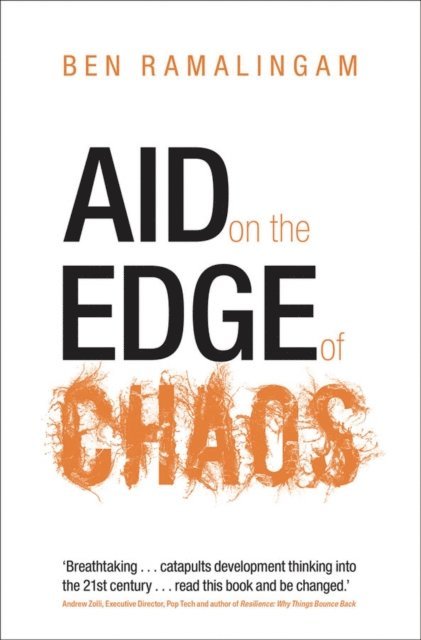
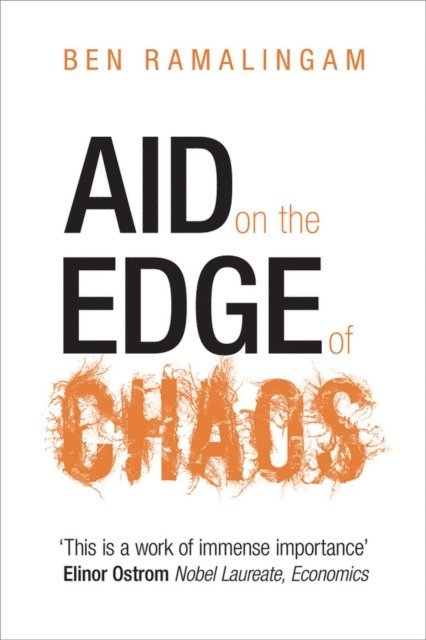
Many agree that the foreign aid system - which today involves virtually every nation on earth - needs drastic change. But there is much conflict as to what should be done. In Aid on the Edge of Chaos, Ben Ramalingam argues that what is most needed is the creative and innovative transformation of how aid works. Foreign aid today is dominated by linear, mechanistic ideas that emerged from early twentieth century industry, and are ill-suited to the world we face today. The problems and systems aid agencies deal with on a daily basis have more in common with ecosystems than machines: they are interconnected, diverse, and dynamic; they cannot be just simply re-engineered or fixed. Outside of aid, social scientists, economists, business leaders, and policy makers have started applying innovative and scientific approaches to such problems, informed by ideas from the 'new science' of complex adaptive systems. Inspired by these efforts, aid practitioners and researchers have started experimenting with such approaches in their own work. This book showcases the experiences, insights, and often remarkable results of innovative thinkers and practitioners who are working to bring these approaches into the mainstream of aid. From transforming child malnutrition to rethinking economic growth, from building peace to reversing desertification, from rural Vietnam to urban Kenya, the ideas of complex systems thinking are starting to be used to make foreign aid more relevant, more appropriate, and more catalytic. Aid on the Edge of Chaos argues that such ideas and approaches should play a vital part of the transformation of aid. Aid should move from being an imperfect post-World War II global resource transfer system, to a new form of global cooperation that is truly fit for the twenty-first century.
Aid on the Edge of Chaos
Rethinking International Cooperation in a Complex World
Inbunden, Engelska, 2013
445 kr
Skickas inom 5-8 vardagar
It is widely recognised that the foreign aid system - which today involves every country in the world - is in need of drastic change. But there are conflicting opinions as to what is needed. Some call for dramatic increases in resources, to meet long-overdue commitments, and to scale up what is already being done around the world. Others point to the flaws in aid, and bang the drum for cutting it altogether - and argue that the fate of poor and vulnerable people be best placed in the hands of markets and the private sector. Meanwhile, growing numbers are suggesting that what is most needed is the creative, innovative transformation of how aid works. Aid on the Edge of Chaos is firmly in the third of these camps.In this ground-breaking book, Ben Ramalingam shows that the linear, mechanistic models and assumptions on which foreign aid is built would be more at home in early twentieth century factory floors than in the dynamic, complex world we face today. All around us, we can see the costs and limitations of dealing economies and societies as if they are analogous to machines. The reality is that such social systems have far more in common with ecosystems: they are complex, dynamic, diverse and unpredictable.Many thinkers and practitioners in science, economics, business, and public policy have started to embrace more 'ecologically literate' approaches to guide both thinking and action, informed by ideas from the 'new science' of complex adaptive systems. Inspired by these efforts, there is an emerging network of aid practitioners, researchers, and policy makers who are experimenting with complexity-informed responses to development and humanitarian challenges.This book showcases the insights, experiences, and often remarkable results from these efforts. From transforming approaches to child malnutrition, to rethinking processes of economic growth, from building peace to combating desertification, from rural Vietnam to urban Kenya, Aid on the Edge of Chaos shows how embracing the ideas of complex systems thinking can help make foreign aid more relevant, more appropriate, more innovative, and more catalytic. Ramalingam argues that taking on these ideas will be a vital part of the transformation of aid, from a post-WW2 mechanism of resource transfer, to a truly innovative and dynamic form of global cooperation fit for the twenty-first century.
300 kr
Skickas
243 kr
Kommande