
Häftad, Engelska
246 kr
Skickas inom 3-6 vardagar
246 kr
Skickas inom 3-6 vardagar
173 kr
Läs direkt efter köp
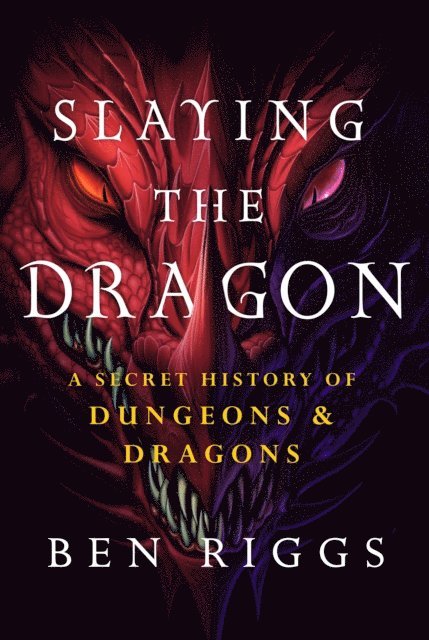
Role-playing game historian Ben Riggs unveils the secret history of TSR— the company that unleashed imaginations with Dungeons & Dragons, was driven into ruin by disastrous management decisions, and then saved by their bitterest rival."Ben Riggs manages to walk the fine line between historical accuracy and fun about as well as anyone and SLAYING THE DRAGON is equal parts historical accuracy and entertainment. It was an essential read for me while directing and producing the Official D&D documentary but I’d recommend it to anyone regardless of the subject material. It’s a wild and fun ride through the turbulent history of one the most influential brands in our lifetime." - JOE MANGANIELLOCo-created by wargame enthusiasts Gary Gygax and Dave Arneson, the original Dungeons & Dragons role-playing game released by TSR (Tactical Studies Rules) in 1974 created a radical new medium: the role-playing game. For the next two decades, TSR rocketed to success, producing multiple editions of D&D, numerous settings for the game, magazines, video games, New York Times bestselling novels by Margaret Weis, Tracy Hickman, and R. A. Salvatore, and even a TV show! But by 1997, a series of ruinous choices and failed projects brought TSR to the edge of doom—only to be saved by their fiercest competitor, Wizards of the Coast, the company behind the collectible card game Magic: The Gathering.Unearthed from Ben Riggs’s own adventurous campaign of in-depth research, interviews with major players, and acquisitions of secret documents, Slaying the Dragon reveals the true story of the rise and fall of TSR. Go behind the scenes of their Lake Geneva headquarters where innovative artists and writers redefined the sword and sorcery genre, managers and executives sabotaged their own success by alienating their top talent, ignoring their customer fanbase, accruing a mountain of debt, and agreeing to deals which, by the end, made them into a publishing company unable to publish so much as a postcard.As epic and fantastic as the adventures TSR published, Slaying the Dragon is the legendary tale of the rise and fall of the company that created the role-playing game world.
204 kr
Skickas
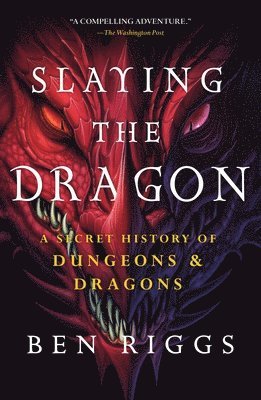
Role-playing game historian Ben Riggs unveils the secret history of TSR the company that unleashed imaginations with Dungeons & Dragons, was driven into ruin by disastrous management decisions, and then saved by their bitterest rival."Ben Riggs manages to walk the fine line between historical accuracy and fun about as well as anyone and SLAYING THE DRAGON is equal parts historical accuracy and entertainment. It was an essential read for me while directing and producing the Official D&D documentary but Id recommend it to anyone regardless of the subject material. Its a wild and fun ride through the turbulent history of one the most influential brands in our lifetime." - JOE MANGANIELLOCo-created by wargame enthusiasts Gary Gygax and Dave Arneson, the original Dungeons & Dragons role-playing game released by TSR (Tactical Studies Rules) in 1974 created a radical new medium: the role-playing game. For the next two decades, TSR rocketed to success, producing multiple editions of D&D, numerous settings for the game, magazines, video games, New York Times bestselling novels by Margaret Weis, Tracy Hickman, and R. A. Salvatore, and even a TV show! But by 1997, a series of ruinous choices and failed projects brought TSR to the edge of doomonly to be saved by their fiercest competitor, Wizards of the Coast, the company behind the collectible card game Magic: The Gathering.Unearthed from Ben Riggss own adventurous campaign of in-depth research, interviews with major players, and acquisitions of secret documents, Slaying the Dragon reveals the true story of the rise and fall of TSR. Go behind the scenes of their Lake Geneva headquarters where innovative artists and writers redefined the sword and sorcery genre, managers and executives sabotaged their own success by alienating their top talent, ignoring their customer fanbase, accruing a mountain of debt, and agreeing to deals which, by the end, made them into a publishing company unable to publish so much as a postcard.As epic and fantastic as the adventures TSR published, Slaying the Dragon is the legendary tale of the rise and fall of the company that created the role-playing game world.
151 kr
Skickas inom 5-8 vardagar
132 kr
Läs direkt efter köp
What does storytelling-narrative-have to do with reporting-nonfiction? Everything.
In 1965, Capote published In Cold Blood, an account of a series of ghastly murders in the late ''50s. His book became a bestseller, marked by factual accuracy shared through the transporting power of fictional prose. He called it a "nonfiction novel," and some have called it a literary experiment that "opened the way for a new kind of literature." See it as a writer''s version of crosspollination, maybe even a certain literary alchemy.
Before In Cold Blood, America''s interest in nonfiction and journalism had already begun to grow. The breakneck speed of reporting captured readers'' attention. With it came a writing technique that treated the reader more like a receptacle for information and headlines rather than someone to compel and entice with words and sentences from the first word to the final period. The Inverted Pyramid, the journalist''s map for writing, ensured that a report''s first paragraphs contained all the information readers would need, like a shirt in an overstuffed suitcase. This guaranteed readers'' access to anything useful if the bottom paragraph had to be cut.
Storytelling offers great resources for accomplishing most of the goals of nonfiction writing. In fact, most of the marketing, selling, persuading, and entertaining goals attached to today''s writing finds its lineage in the bloodline of storytelling; namely, what prompts readers'' curiosity, compels them to continue reading, and satisfies their needs as readers.
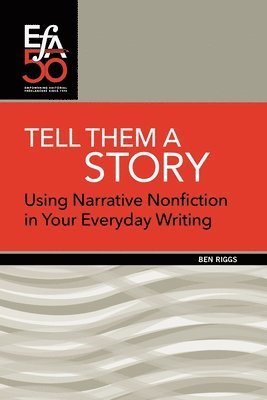
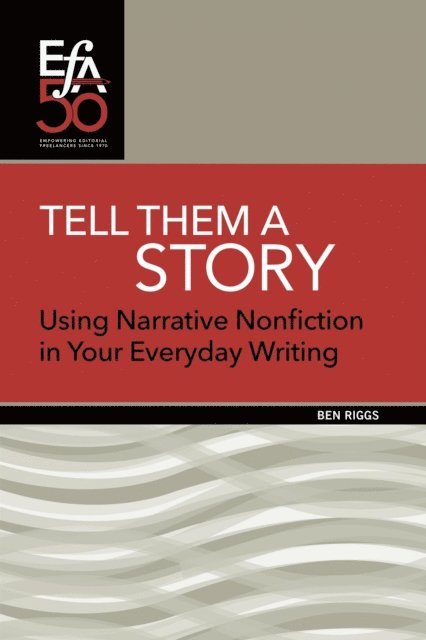
If you''re writing leadership articles or recipe blogs or online-marketing copy, how can you use storytelling to your advantage? In Tell Them a Story: Using the Best Lessons from Narrative Nonfiction in Your Everyday Writing, Ben Riggs breaks down the differences between a report and a story, asks the reader to examine the different purposes of "efferent" writing and "aesthetic" writing, and to consider the benefits of joining the two to meet the needs of an audience.
In an examination of the importance of theme, Riggs teaches that by situating your piece of writing on the back of a theme you can inject deeper meaning into even the most prosaic and pragmatic of nonfiction pieces.
Writers still need to know how to distill real life accurately into words. Nonfiction. To accomplish all of these strategies, writers still need to write to entice, entertain, and compel readers. Narrative.
Even for genres that don''t seem inherently "story-friendly," you can make many writing decisions that bring any reader to think, "What happens next?" Ideally, writing this way doesn''t occur at the expense of the clarity and factual nature of nonfiction writing and its many forms.
This booklet contains tools and strategies to help you write nonfiction in a way that helps your readers - whoever they are - ask those three words, even if they don''t know they''re asking them. If you make certain writing decisions, they will find themselves traveling from sentence to sentence, paragraph to paragraph, having forgotten where they were before they started reading because they''ve been transported elsewhere.
246 kr
Skickas inom 3-6 vardagar
173 kr
Läs direkt efter köp
Role-playing game historian Ben Riggs unveils the secret history of TSR— the company that unleashed imaginations with Dungeons & Dragons, was driven into ruin by disastrous management decisions, and then saved by their bitterest rival."Ben Riggs manages to walk the fine line between historical accuracy and fun about as well as anyone and SLAYING THE DRAGON is equal parts historical accuracy and entertainment. It was an essential read for me while directing and producing the Official D&D documentary but I’d recommend it to anyone regardless of the subject material. It’s a wild and fun ride through the turbulent history of one the most influential brands in our lifetime." - JOE MANGANIELLOCo-created by wargame enthusiasts Gary Gygax and Dave Arneson, the original Dungeons & Dragons role-playing game released by TSR (Tactical Studies Rules) in 1974 created a radical new medium: the role-playing game. For the next two decades, TSR rocketed to success, producing multiple editions of D&D, numerous settings for the game, magazines, video games, New York Times bestselling novels by Margaret Weis, Tracy Hickman, and R. A. Salvatore, and even a TV show! But by 1997, a series of ruinous choices and failed projects brought TSR to the edge of doom—only to be saved by their fiercest competitor, Wizards of the Coast, the company behind the collectible card game Magic: The Gathering.Unearthed from Ben Riggs’s own adventurous campaign of in-depth research, interviews with major players, and acquisitions of secret documents, Slaying the Dragon reveals the true story of the rise and fall of TSR. Go behind the scenes of their Lake Geneva headquarters where innovative artists and writers redefined the sword and sorcery genre, managers and executives sabotaged their own success by alienating their top talent, ignoring their customer fanbase, accruing a mountain of debt, and agreeing to deals which, by the end, made them into a publishing company unable to publish so much as a postcard.As epic and fantastic as the adventures TSR published, Slaying the Dragon is the legendary tale of the rise and fall of the company that created the role-playing game world.
204 kr
Skickas
Role-playing game historian Ben Riggs unveils the secret history of TSR the company that unleashed imaginations with Dungeons & Dragons, was driven into ruin by disastrous management decisions, and then saved by their bitterest rival."Ben Riggs manages to walk the fine line between historical accuracy and fun about as well as anyone and SLAYING THE DRAGON is equal parts historical accuracy and entertainment. It was an essential read for me while directing and producing the Official D&D documentary but Id recommend it to anyone regardless of the subject material. Its a wild and fun ride through the turbulent history of one the most influential brands in our lifetime." - JOE MANGANIELLOCo-created by wargame enthusiasts Gary Gygax and Dave Arneson, the original Dungeons & Dragons role-playing game released by TSR (Tactical Studies Rules) in 1974 created a radical new medium: the role-playing game. For the next two decades, TSR rocketed to success, producing multiple editions of D&D, numerous settings for the game, magazines, video games, New York Times bestselling novels by Margaret Weis, Tracy Hickman, and R. A. Salvatore, and even a TV show! But by 1997, a series of ruinous choices and failed projects brought TSR to the edge of doomonly to be saved by their fiercest competitor, Wizards of the Coast, the company behind the collectible card game Magic: The Gathering.Unearthed from Ben Riggss own adventurous campaign of in-depth research, interviews with major players, and acquisitions of secret documents, Slaying the Dragon reveals the true story of the rise and fall of TSR. Go behind the scenes of their Lake Geneva headquarters where innovative artists and writers redefined the sword and sorcery genre, managers and executives sabotaged their own success by alienating their top talent, ignoring their customer fanbase, accruing a mountain of debt, and agreeing to deals which, by the end, made them into a publishing company unable to publish so much as a postcard.As epic and fantastic as the adventures TSR published, Slaying the Dragon is the legendary tale of the rise and fall of the company that created the role-playing game world.
151 kr
Skickas inom 5-8 vardagar
132 kr
Läs direkt efter köp
What does storytelling-narrative-have to do with reporting-nonfiction? Everything.
In 1965, Capote published In Cold Blood, an account of a series of ghastly murders in the late ''50s. His book became a bestseller, marked by factual accuracy shared through the transporting power of fictional prose. He called it a "nonfiction novel," and some have called it a literary experiment that "opened the way for a new kind of literature." See it as a writer''s version of crosspollination, maybe even a certain literary alchemy.
Before In Cold Blood, America''s interest in nonfiction and journalism had already begun to grow. The breakneck speed of reporting captured readers'' attention. With it came a writing technique that treated the reader more like a receptacle for information and headlines rather than someone to compel and entice with words and sentences from the first word to the final period. The Inverted Pyramid, the journalist''s map for writing, ensured that a report''s first paragraphs contained all the information readers would need, like a shirt in an overstuffed suitcase. This guaranteed readers'' access to anything useful if the bottom paragraph had to be cut.
Storytelling offers great resources for accomplishing most of the goals of nonfiction writing. In fact, most of the marketing, selling, persuading, and entertaining goals attached to today''s writing finds its lineage in the bloodline of storytelling; namely, what prompts readers'' curiosity, compels them to continue reading, and satisfies their needs as readers.
If you''re writing leadership articles or recipe blogs or online-marketing copy, how can you use storytelling to your advantage? In Tell Them a Story: Using the Best Lessons from Narrative Nonfiction in Your Everyday Writing, Ben Riggs breaks down the differences between a report and a story, asks the reader to examine the different purposes of "efferent" writing and "aesthetic" writing, and to consider the benefits of joining the two to meet the needs of an audience.
In an examination of the importance of theme, Riggs teaches that by situating your piece of writing on the back of a theme you can inject deeper meaning into even the most prosaic and pragmatic of nonfiction pieces.
Writers still need to know how to distill real life accurately into words. Nonfiction. To accomplish all of these strategies, writers still need to write to entice, entertain, and compel readers. Narrative.
Even for genres that don''t seem inherently "story-friendly," you can make many writing decisions that bring any reader to think, "What happens next?" Ideally, writing this way doesn''t occur at the expense of the clarity and factual nature of nonfiction writing and its many forms.
This booklet contains tools and strategies to help you write nonfiction in a way that helps your readers - whoever they are - ask those three words, even if they don''t know they''re asking them. If you make certain writing decisions, they will find themselves traveling from sentence to sentence, paragraph to paragraph, having forgotten where they were before they started reading because they''ve been transported elsewhere.