Ben Skipper - Böcker
Visar alla böcker från författaren Ben Skipper. Handla med fri frakt och snabb leverans.
13 produkter
13 produkter
231 kr
Tillfälligt slut
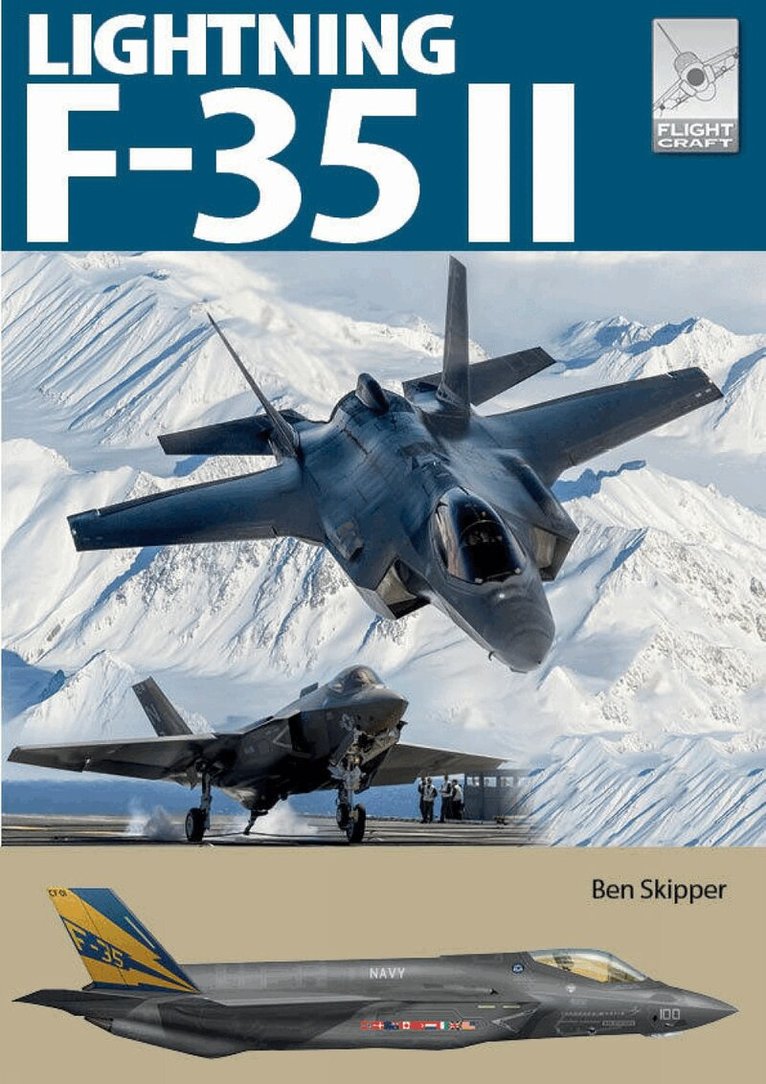
The Lockheed Martin F-35 Lightning II is heralded as the ultimate fifth-generation fighter, merging advanced engineering with multinational collaboration. Developed during a time of military reorganization and technological mergers, it integrates the best features of previous generations into a versatile platform for varied operational roles across military branches.The F-35 is the first fifth-generation multi-service aircraft designed for continuous technological evolution. Despite funding delays and complexities, it remains the largest defense contract in history. Its three variants serve diverse roles: the F-35A for conventional take-off and landing (CTOL), the F-35B for short take-off and vertical landing (STOVL), and the F-35C for carrier operations with Catapult-Assisted Take-Off But Arrested Recovery (CATOBAR).Since its inaugural flight on December 15, 2006, the F-35 has demonstrated exceptional capabilities, becoming a cornerstone of air forces worldwide. Designed to maintain air superiority into the 2070s, it represents the pinnacle of stealth and multi-role combat.
177 kr
Skickas
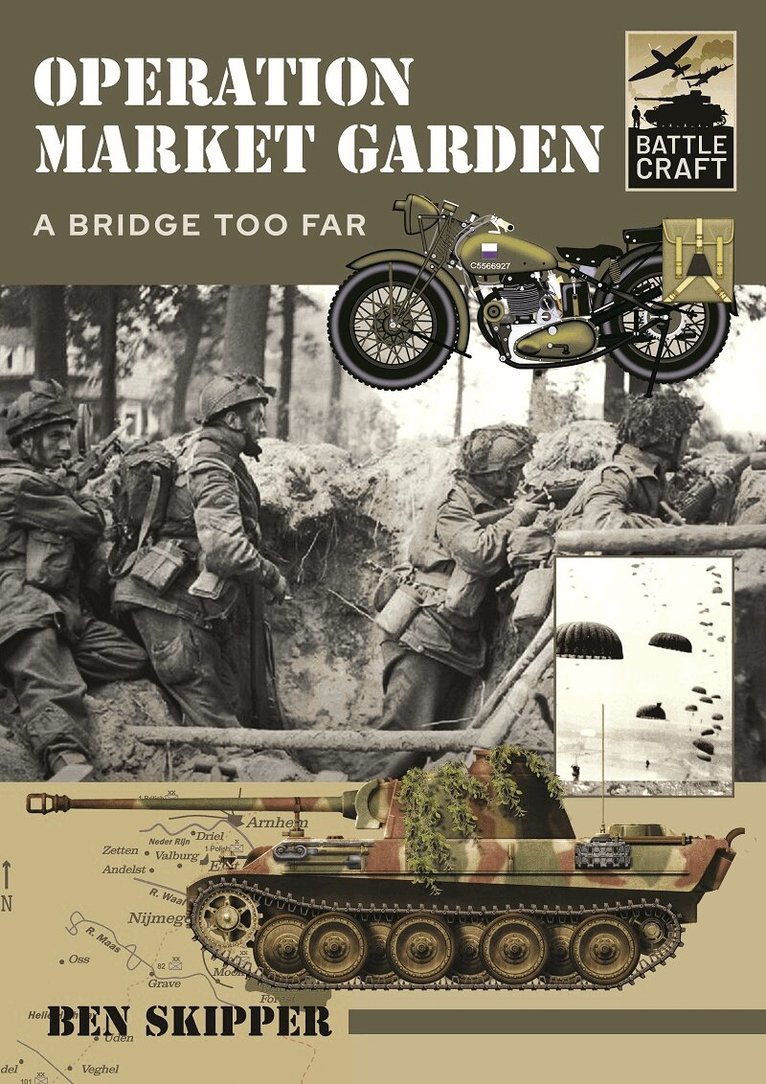
Every General's aim is to end a war by Christmas, and Montgomery, perhaps, saw his opportunity in a bold strike across the southern portion of the Netherlands close to the borders of an embattled Reich. Still heady from earlier victories in the Normandy campaign, the plan to push deep into enemy territory, with land and airborne forces, was as daring as it was dangerous. Some would say the furthest objective, Arnhem Bridge, was a Bridge too Far.Separated into two distinct elements, Market, the airborne assault, was designed to capture the vital bridges across the many rivers and canals that were needed. Garden, the ground assault, would ensure the bridges were soon part of a wider Allied salient. However, planning and intelligence was as not as thorough as it had been in previous operations and Market Garden turned from glorious adventure, with easily achievable aims, to an almost devastating defeat.This Battle Craft title also looks at four pieces of military hardware that were involved in these legendary battles. Representing the land forces are the Triumph HW3 motorcycle, a dispatch riders stalwart and the unique German Sd.Kfz.2 Kettenkrad. These amazing machines were vital in maintaining lines of communications. On the main route of the march, the state-of-the-art British Cromwell duelled valiantly against the deadly Panther Ausf G.The Quartermaster section provides the modeller with an insight into the development and operational use of the four chosen vehicles that were involved in Market Garden. A selection of historical and contemporary photos and illustrations feature alongside stunning showcase builds, providing the modeller with subjects to whet the creative appetite. It also features details of model kits and extras that can really help the modeller bring military history to life.
183 kr
Skickas
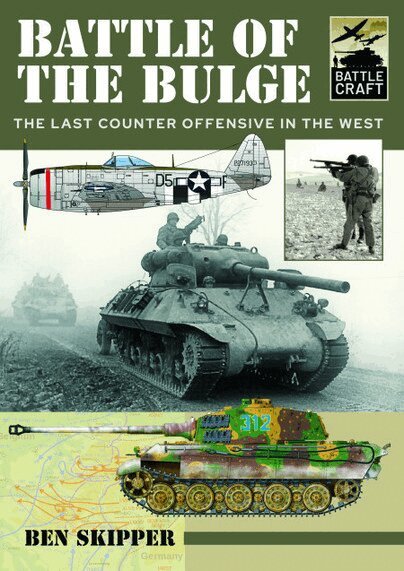
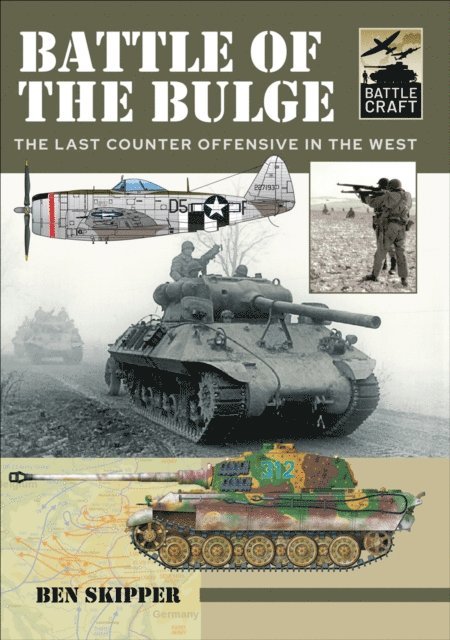
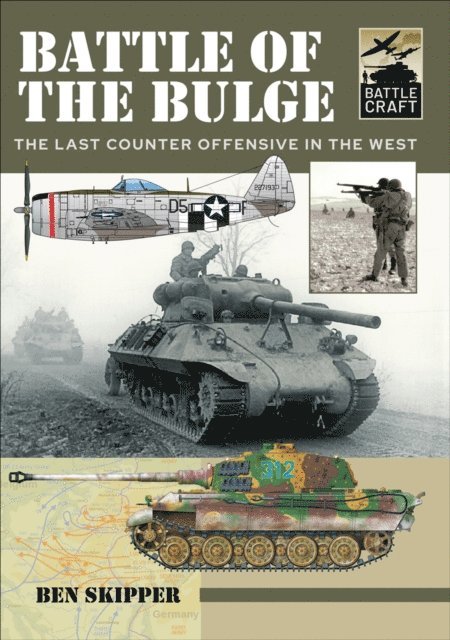
The Battle of the Bulge was the perfect storm for the Allies in late 1944; a tired army, overstretched supply lines, and poor intelligence on what was waiting on the other side of the hill. On 16th December, with almost complete surprise, the Germans launched their last major offensive in the West. Emerging from thick fog and through the dense woodland of the Ardennes nearly 500,000 German troops slammed into American lines.For almost a week the Germans were able to make good ground, and the glory days of 1940 beckoned as they crushed all resistances before them, often with extreme cruelty. On Christmas Eve, the Germans had lost their initial advantage, the skies cleared and air support returned. For the next 3 weeks the battle hung in the balance. For the Americans the Battle of the Bulge would be the deadliest single battle of the Second World War.This Battle Craft title also looks at four pieces of military hardware that were involved in these legendary battles. Massive King Tigers rained down terror and destruction among the Allies M4's and other armour, until the arrival of nimble M18 Hellcats which counted for several King Tigers. Over head the almost uncatchable ME262 battled with its own nemesis, the virtually indestructible P-47.The Quartermaster section provides the modeller with an insight into the development and operational use of the four chosen vehicles and aircraft that were involved in the Battle of the Bulge. A selection of historical and contemporary photos and illustrations feature alongside stunning showcase builds, providing the modeller with subjects to whet the creative appetite. It also features details of model kits and extras that can really help the modeller bring military history to life.
183 kr
Skickas
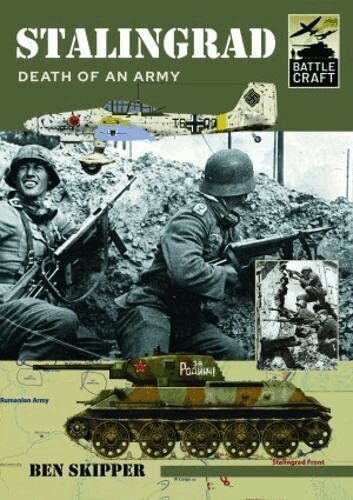
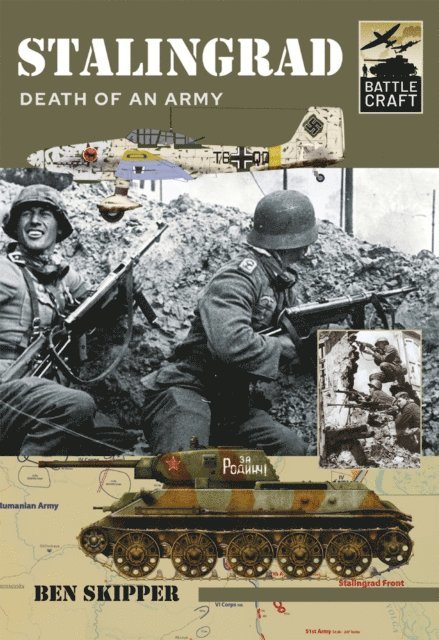
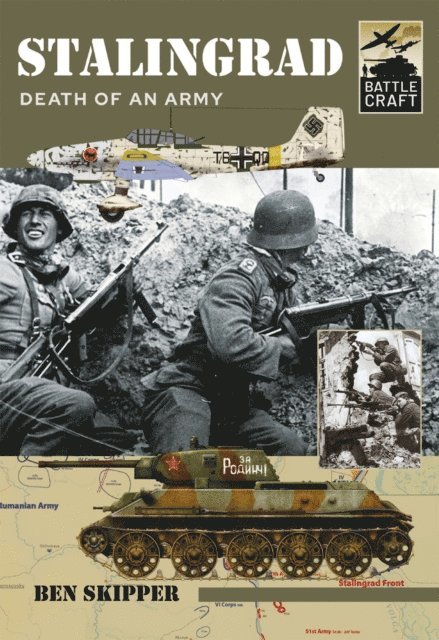
The very name Stalingrad has become synonymous with military folly and political arrogance. Its capture by the Wehrmacht was a crushing defeat, both militarily and politically, for the Red Army. The 6th Army was a highly experienced key element of Army Group South. In late June 1942 it rolled eastwards as part of the summer offensive to capture the vital oilfields of Baku and secure the city on the Volga that bore the name of the Soviet leader.The 6th Army was the acme of German military might and on paper it should have easily overwhelmed the defenders of Chuikov's 62nd Army. However its commander, General Friedrich Wilhelm Ernst Paulus, lacked field experience. His army would pay the price. Stalingrad was a new type of battlefield and it would test the mettle of attacker and defender to the very limit, all the while the thermometer plunged.This Battle Craft title also looks at four pieces of military hardware that were involved in these legendary battles. Innumerable T-34's, which often rolled off local assembly lines unpainted and straight into battle took on the Stug III assault gun as it supported troops fighting for mere meters of territory. Overhead, in the frigid air, deadly V, Ju87 Stuka and Yak 9s, were locked in battle for air superiority over the shattered remains of a once vibrant city.The Quartermaster section provides the modeller with an insight into the development and operational use of the four chosen vehicles and aircraft that were involved in the Battles of El Alamein. A selection of historical and contemporary photos and illustrations feature alongside stunning showcase builds, providing the modeller with subjects to whet the creative appetite. It also features details of model kits and extras that can really help the modeller bring military history to life.
210 kr
Skickas
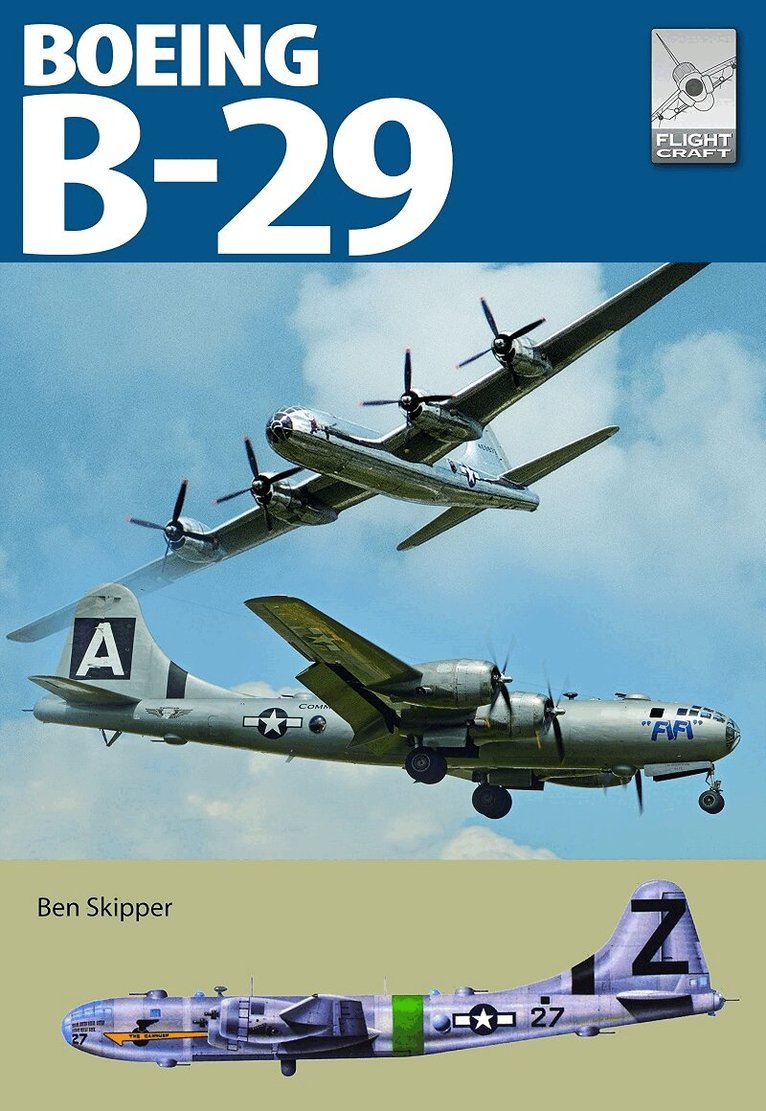
The B-29 Superfortress was the definitive expression in piston-powered offensive air power. It was designed for an air force that was slowly realising it needed larger and heavy aircraft to support its operations, especially in the Pacific. Riding on the waves made by the equally ground breaking B-17, the B-29 was a bigger, more capable and more complex platform which incorporated myriad lessons learned from the European air war. It was soon decided to utilise the B-29's exceptional range of 3,250 miles in the Pacific Theater, where its payload would go on to wreak havoc among the forces of Imperial Japan. As well as military targets, the B-29s of the specially formed 20th Air Force would strike hard against the Japanese home islands, initially from bases in India and China, before following on behind MacArthur's push towards Japan. It was from the island of Tinian that B-29s would drop atomic bomb over the cities of Hiroshima and Nagasaki. The B-29 was a genuine behemoth of the skies, and its flight endurance would see its ten-man crew provided with rest bunks, remotely operated defensive guns and a tunnel linking the front and rear of the aircraft. It was also tough, capable of using the most basic landing strips, providing they were long enough. As a new aircraft it presented both new and converting pilots with a challenge, notwithstanding the B-29's high-wing loading. From flying the large aircraft to operating its many systems, the B-29 was as complex as it was large, and each member of the ten-man crew had to know their role and perform it flawlessly to ensure operational efficiency. In the post-war era the B-29 was retained by the USAAF and, from 1948, the USAF as the primary strategic bomber. Indeed, the B-29's fighting days were far from over and it would go on to see action over the skies of Korea. It would also supplement the Royal Air Force's bomber capacity while Bomber Command awaited the arrival of the Canberra and its next generation of jet-powered V-bombers. The B-29 has more than earned its place in the halls of aviation fame. It was an aircraft ahead of its time that helped usher in a new age of military aviation and provided a tangible bridge between new and old ways. AUTHOR: Ben Skipper, a RAF veteran, is an avid modeler and writer of military themes, specialising in 20th century subjects. Skipper's work has been featured in previous Pen & Sword titles and has, on occasion, won prizes.
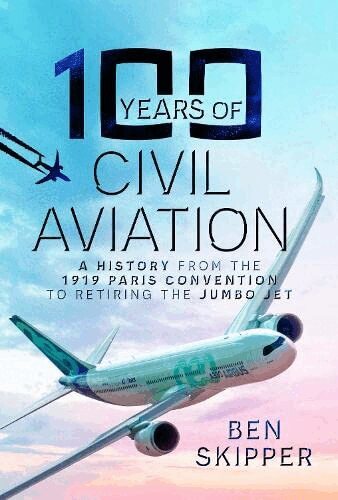
100 Years of Civil Aviation
A History from the 1919 Paris Convention to Retiring the Jumbo Jet
Inbunden, Engelska, 2023
258 kr
Skickas
The book examines a century of civil aviation; in 1919 a fledgling industry was born out of civilianizing First World War bombers. The book covers the design and development of civil aircraft and all the personalities that shaped the industry; it features the hay-day of air travel before the advent of mass passenger transit, and the rise of smaller, austerity airlines. It covers the influence of military aircraft on civil planes, unpacks the laws that govern civil aviation and how they have changed over the past century. It chronicles air disasters, both mechanical and tyrannical, and for the first time, looks at the role of women in civil aviation. Playing its part in times of crisis, civil aviation has led rescue missions and covert operations; civilian pilots were often used to test and transport new aircraft from their manufacturers to the frontline, often unarmed and unescorted. The book ends with the quiet retirement of an icon, amid a global pandemic and what lies in store for a greener flying future.
318 kr
Skickas
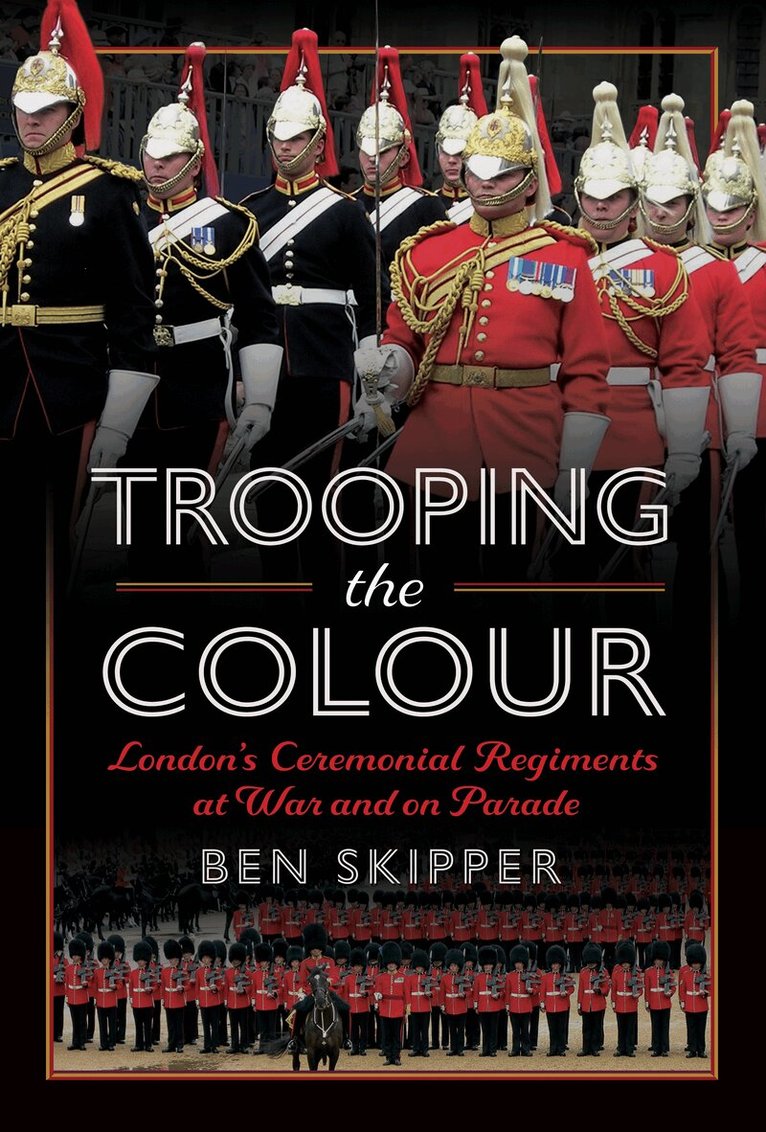
Today Trooping the Colour gathers crowds of tourists; along with the pomp and ceremony it is an event filled with tradition that spans many hundreds of years. In that history lies duty, a call to arms, and a rallying in battle. The regimental colours were presented to the soldiers daily so that they would recognize it in the melee of battle and rally toward it. In 1748 the Grenadier Guards began this tradition, also called the Kings Birthday Parade, which is now held annually at Horse Guards Parade in London.Boots, buckles and busbies gleaming, formations perfect and eyes right, Trooping the Colour is the culmination of months of hard work by the staff of the London District and the Royal Household, without whom state ceremonial and public duties would not exist. From regimental bands and gun salutes to Lord Lieutenants and Yeoman, it is the personalities and traditions that make the history of ceremonial duties so colourful.Trooping the Colour describes the histories of the key personalities and units of the London District, the Royal Household. Their histories are intertwined in one of the most complex narratives of the modern age. It describes the numerous moments, stories and traditions behind the many appointments that produce some of the most awe-inspiring displays now taken for granted. The book examines those defining moments in contemporary British history when planning and experience have delivered breathtaking spectacles of grandeur enjoyed by billions of people around the globe. Though it's not all parades and pomp though, these fine regiments have served with distinction in battles across the world and through time. This book explores London's Ceremonial Regiments at war and on parade.
198 kr
Skickas
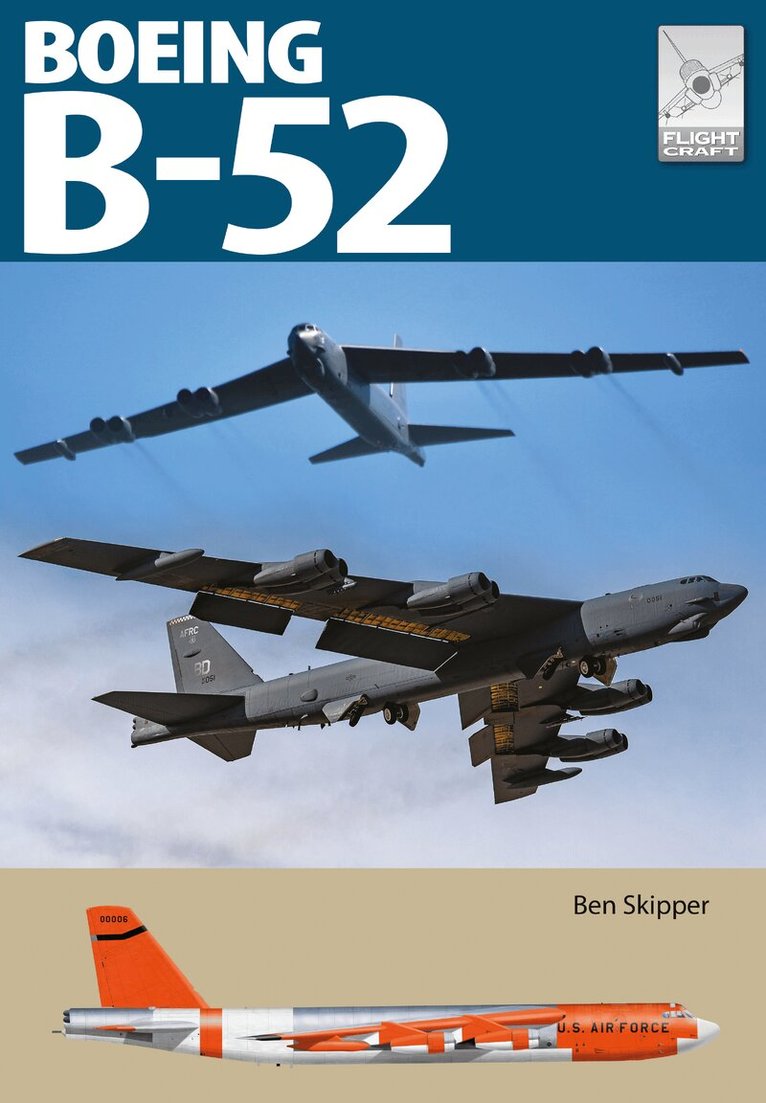
First flown in 1952, the Boeing B-52 Stratofortress became the ultimate expression of Cold War very heavy bomber design. The last of the famous ‘Fortress’ series of aircraft produced by the legendary Seattle-based company, the B-52 was created over a weekend in a hotel suite in Ohio, resulting in a design that gave America’s post-war Strategic Air Command, led by General Curtis Le May, an additional nuclear-capable edge.The B-52 was almost as big as Convair’s B-36 Peacemaker, the largest serial-produced piston-powered aircraft ever built. The B-52 could carry a very similar bomb load, but flew it further, higher and faster. The turbojet-powered B-52 utilized techniques Boeing had learned from the Model 450 B-47 Stratojet and was designed to meet the Strategic Air Command’s ever-changing needs in the nuclear age.Like its predecessors, Boeing’s B-52 proved to be a highly flexible aircraft, capable of carrying increasing payloads, meaning it has remained in service well beyond its expected lifespan. Over the decades the B-52 gradually become a strategic and tactical airborne platform capable of delivering evermore deadly attacks against targets in various environments, from jungle to arid mountains. The B-52 had become the universal tool for commanders on the ground and a symbol of American military power, capable of striking a target anywhere in the world – as evidenced by its deployment in, for example, the Vietnam War and the Gulf War. Such was its potency, that the USAF and Boeing had developed an aeroplane of such importance that it now seems impossible to discuss conventional air power without including the B-52.This Flight Craft title offers the aviation enthusiast, historian and modeller an exciting selection of B-52-related resources through photographs, illustrations and excellent showcase examples to help build their own versions of this fearsome military aircraft.
210 kr
Skickas
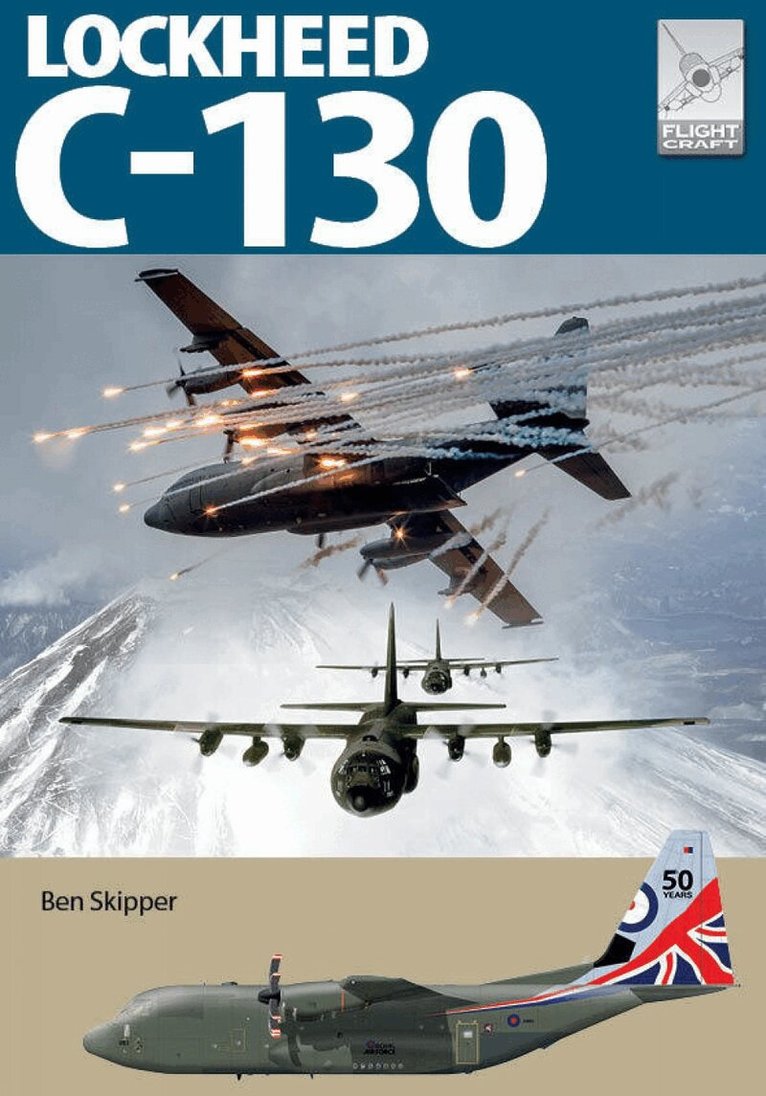
Known as ‘Fat Albert’, Lockheed’s ubiquitous C-130 Hercules was a product of combat experiences gained during the Korean War, a conflict that highlighted the need for a rugged transport aircraft designed with a do-anything, go-anywhere ethos in mind. First flown in August 1954, the C-130, powered by four turboprop engines mounted underneath a high wing which allowed for effortless loading via a rear ramp, soon proved its worth as a highly versatile aircraft.The easily configured cargo area helped the C-130 stand out from the crowd, and soon variants began to appear, with the first being a ski-equipped resupply aircraft. It was this type of tasking the C-130 excelled at, and soon air movement staff was developing new ways to deploy cargo. This included low-level drops, proving invaluable in aiding isolated disaster-struck areas. Other variants included air-to-air tankers, electronic reconnaissance platforms and weather reconnaissance aircraft.Now produced by Lockheed Martin, the C-130 has become synonymous with tactical airlifting and is the longest continuously produced military aircraft since the first one rolled off the production line in 1954\. In fact, since its introduction into service the C-130 has produced over seventy variants, including gunships, search-and-rescue and scientific research aircraft, and is currently in service with some seventy nations. As well as the military C-130, Lockheed has also produced a commercial variant of their famous aircraft, the L-100\.Not for nothing do Lockheed Martin claim that there is at least one C-130 airborne somewhere in the world at any given moment in time. With over 2,500 produced, and some almost thirty years old, that's more than plausible.This Flight Craft title offers the aviation enthusiast, historian and modeller an exciting selection of C-130-related resources through photographs, illustrations and excellent showcase examples to help build their own versions of this hugely successful, highly flexible aircraft.
183 kr
Skickas
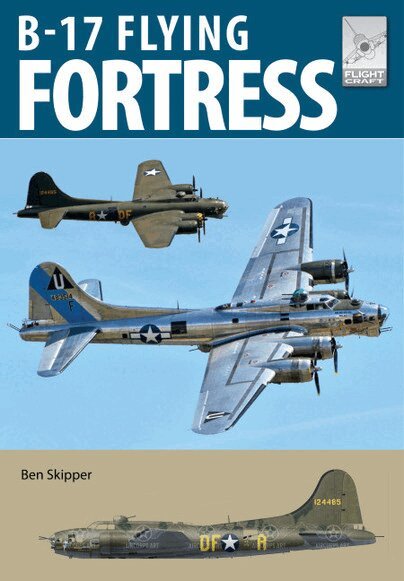
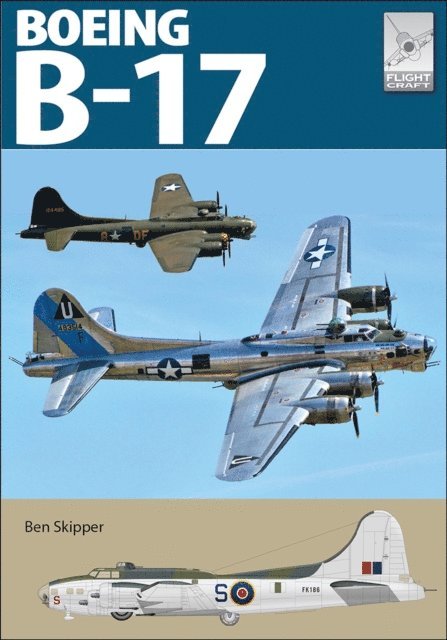
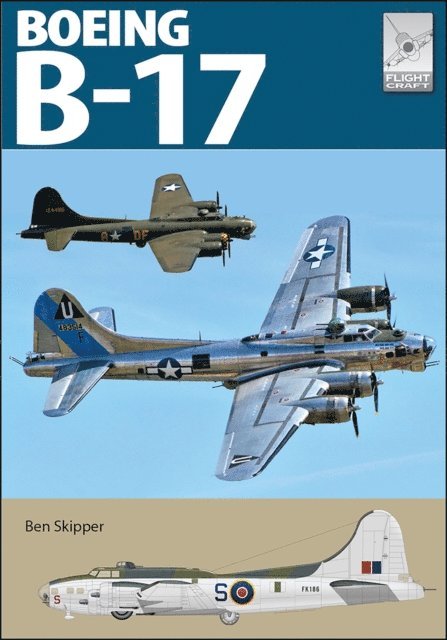
The B-17 Flying Fortress, a term coined by a Seattle Daily Times report in 1935, was a quantum leap in offensive air power. Designed for a nation whose foreign policy was still deeply isolationist, and an Air Corps whose in-service bomber fleet was dominated by bi-planes, the B-17, with its four engines, huge wingspan, enviable payload - almost double that of contemporary bombers - and all metal construction, ushered in a new age.For an aircraft of its size and relative complexity the B-17's design and development was heralded by a host of key innovations with the unveiling of the XB-15 (Boeing 294), including engine access crawl ways, enhanced endurance and massive load capacity. Within a year the Y1B-17 or Model 299 had refined ideas from the XB-15 and produced a sleek, attractive-looking aircraft. By 1937 all testing had been completed and the first 12 aircraft were delivered to 2nd Bombardment Group for assessment.At the start of the Second World War the still-new B-17 was just beginning to fill the ranks of US bomber squadron's and by early 1941 the B-17C, arguably the fastest B-17 built, was flying in RAF Service. The B-17 was soon flying over Europe with the newly-created United States Army Air Forces, as well as taking the fight to the Japanese in the Pacific and to the Axis in the Mediterranean.When production of the B-17 was halted in April 1945, at which point the B-17 had been supplanted by the B-24 in the Pacific, over 12,700 B-17s had been built. The type would bow out as a bomber not long after the war's end, though a few would soldier on as SB-17 air-sea rescue aircraft. Ultimately the B-17 would fly with 26 countries.This Flight Craft title offers the modeller an exciting selection of photographs, illustrations and showcase examples to help build their own version of this icon of the skies.
178 kr
Skickas
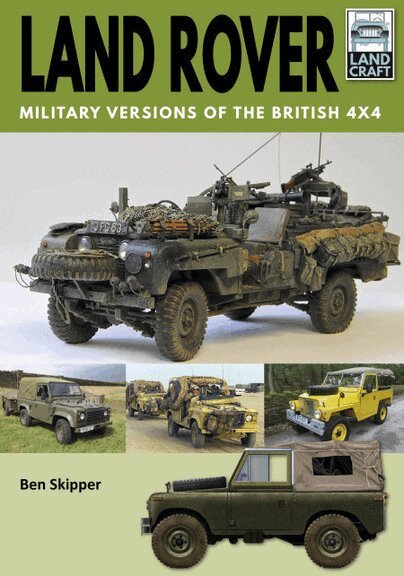
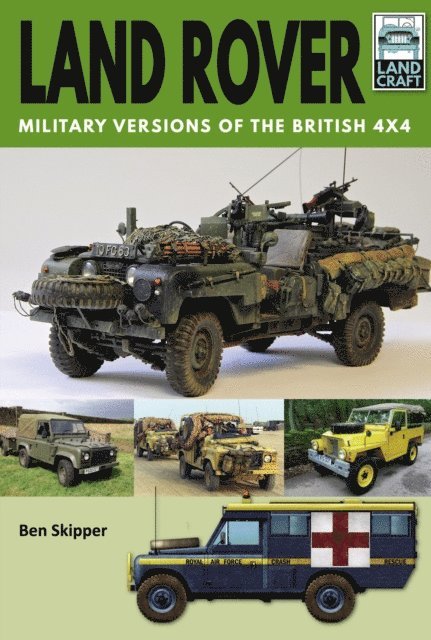
After the Second World War many American military vehicles become surplus stock and soon found their way into the hands of farmers and land owners across Great Britain. The subsequent heavy use and the real possibility of difficulties obtaining spares led Maurice Wilks, the Rover Car Company Chief Engineer, to design and build a replacement. Not only would the new Land Rover fill a gap in Rover's portfolio, but also bring in much needed post-war money.Intended as a stop gap, the Land Rover would cease production almost 68 years later, after a production run that had produced over two million vehicles. During that time it would transform how the military saw and used motor transport. From utilitarian General Service truck to cutting-edge weapon's platform the Land Rover would prove its worth time and again.This latest LandCraft title looks at the design and development of the Land Rover as well as the military specific variants designed and built, including the famous SAS Pink Panther, the nimble Light Weight and powerful Forward Control gun tractor. The title will also look at those key conversions that took place on standard Land Rovers throughout the duration of its life span.From the humble beings of the box like Series 1 to the formidable firepower and pace of the WOLF WMIK, the Land Rover was a constantly improved military vehicle. Through numerous trials, lessons learned and operational requirements the Land Rover was a vehicle that grew with the times.This LandCraft title removes some of the mystique that surrounds the myriad versions and how the Land Rover developed. It also includes the story of the design and development of the exclusively military Light Weight and Forward Control versions. It also charts how the Land Rover became a virtual barometer for the technological and engineering developments that have occurred over the past 70 years.It demonstrates how the Land Rover's flexibility to change was its core strength. How the innovation of Rover and military mechanical engineers created a series of unbeatable military trucks.This section also looks at the smaller, important developments and variations in design which showed how adaptable the Land Rover really was. From specialist signals line layers to first responder fire and rescue vehicles, to the unit- and theatre-led changes, the Land Rover was a vehicle that took all in its stride, proving its versatility.For the modeller there is nothing more important than the little things and this image-rich section of LandCraft's Land Rover title delivers the goods. Filled with crisp images, that chart the Land Rovers development, combined with detailed accompanying text, forms an enviable visual guide for the enthusiast and modeller alike.
178 kr
Skickas
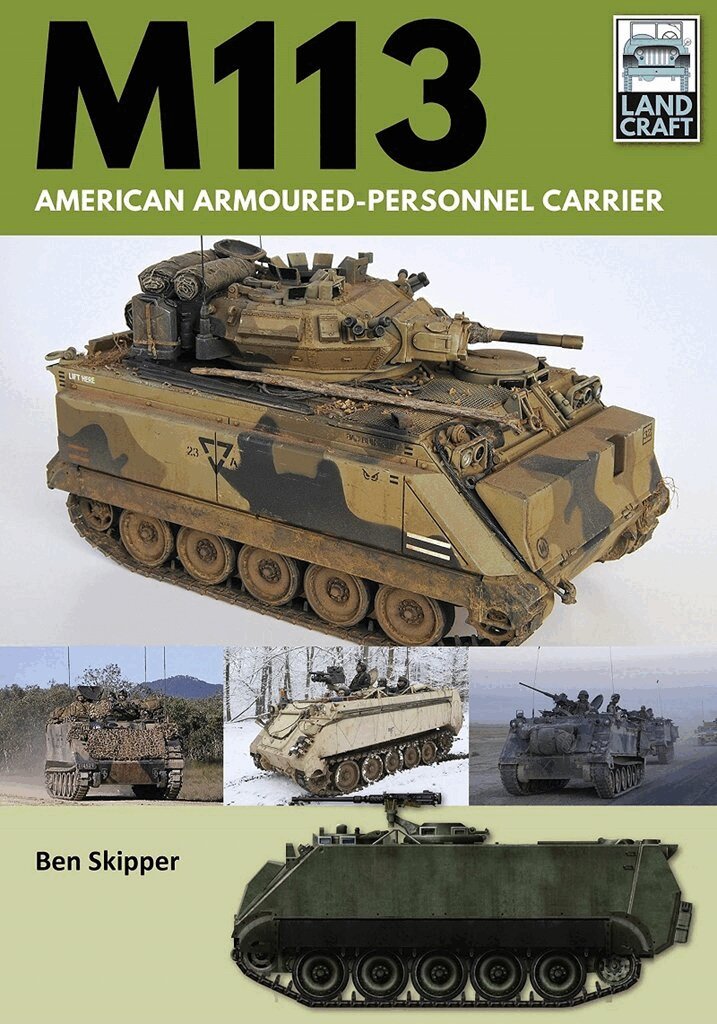
The M113 has become as much a recognisable part of the US military machine at war as the Bell UH-1 Iroquois and M16 assault rifle. Earning its stripes in the jungles and highlands of Vietnam, it became the most widely armoured vehicle of the campaign. Such was its prowess that the Viet Cong gave it the nickname Green Dragon on account of its ability to go virtually anywhere.Its ground-breaking aluminium hull gives the M113 a relatively low weight of 12ts, this allows it to be easily transported by air and gives it an amphibious ability. The design was also easy to modify and can carry a range of support and indirect fire weapons. From mortars to ballistic missiles, the M113 spawned a progeny of useful and innovative vehicles.The base M113 is lightly armoured and safe against only the lightest of small arms fire and shell splinter. As a result a range of up-armour packages have been used in the past, from sandbags to complex applique armour.80,000 M113s of all types have been produced and are in use with over 50 countries, making it one of the most widely used armoured fighting vehicles to be produced. Indeed such was its popularity that the US bought their final M113s in as late as 2007.The M113 was designed and developed by the Food Machinery Corporation (FMC) to replace the heavier and less reliable steel-bodied M59 and M75 armoured personnel carriers. It was specifically designed to be lighter, air-portable and have amphibious capability. Carrying a crew of two, driver and commander, who manned the M113's only weapon, a .50cal machine gun, the M113 would transport 11 soldiers into combat before withdrawing to the rear.Powered initially by a V8 petrol engine the M113 would be continuously up-engined throughout its frontline and subsequent rear support lifespan. Changes included improved suspension, smoke dischargers and externally fitted fuel tanks. Other changes have included armoured commander's turrets and slat armour.This LandCraft title looks at the M113s development where the FMC sought to utilise its chassis into as many roles as possible, from smoke generators to flamethrowers. The book also looks at how the M113 was adapted for use by numerous overseas customers and how these are upgraded to suit local conditions.Finally the title looks at the M113's changing roles in the more sophisticated contemporary battlescape and how it's still providing service in theatres across the world in a variety of roles, both combat and support.For the modeller there is nothing more important than the little things and this image-rich section of Land Crafts M113 title delivers the goods. Filled with crisp photos that show the M113's many details, combined with helpful accompanying text, forms an enviable visual guide for the enthusiast and modeller alike.
172 kr
Skickas
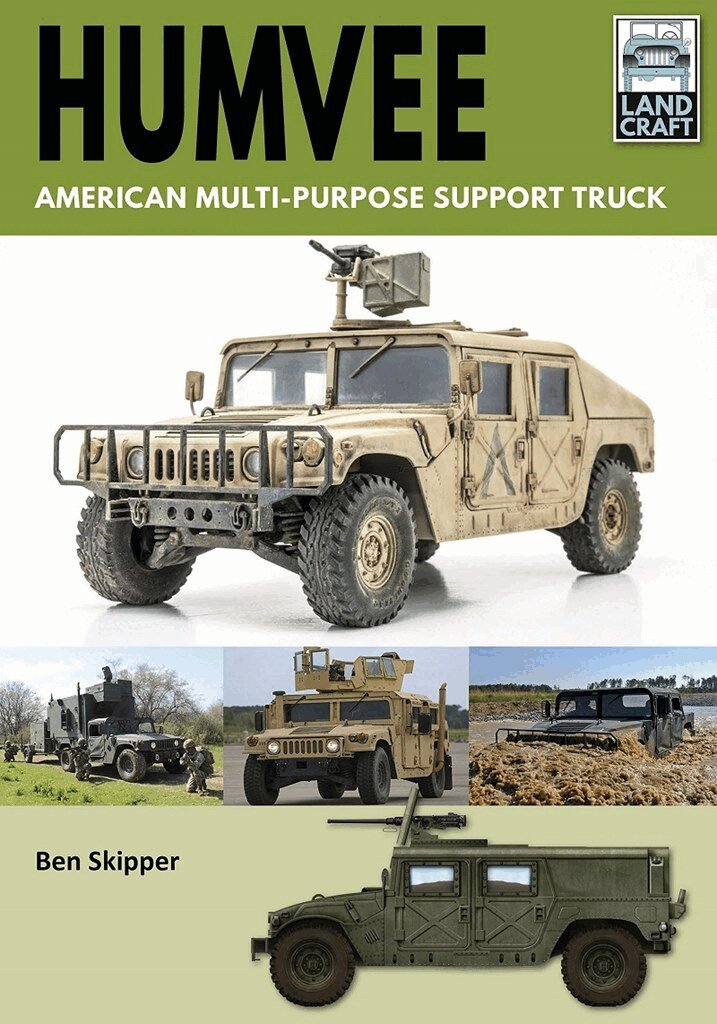
With its characteristic wide track, low silhouette and its distinctively deep exhaust note the Humvee sets itself apart from the range of light utility trucks it replaced. Fully air-portable, the Humvee features an aluminium body seated on a steel ladder chassis, powered by a 190hp V8 engine.Introduced into service in 1985, the Humvee remained pretty much unnoticed until its baptism of fire during the invasion of Panama in Operation Just Cause. It wasn't until almost a year later, in Operation Desert Shield and Desert Strom that the Humvee really came into the public eye.As a result of its newly found fame its manufacturer, American Motors General, started to produce a civilized version for public consumption, with sales and profile boosted by Hollywood patronage. At the same time the Humvee continued to serve in some of the most dangerous US operations undertaken to date. From the streets of Mogadishu to the Balkans, the Humvee developed into a vehicle far removed from its original design intentions.With some 17 variants now in service, from the basic troop carrier to the awesome Avenger Anti-Aircraft system, this Humvee LandCraft title provides the modeller with a rich vein of inspirations and subject.This title looks at the process behind the design and development of the Humvee and how American Motors General were able to fulfil a complex design brief to deliver a single vehicle that was able to replace a host of in-service vehicles. This title will chart how the Humvee grew from a light utility truck into a versatile platform whose modesty hides its potential.With its specially designed track, impressive ground clearance, waterproofed electronics and ability to carry a one tonne load, the first Humvees were light years ahead of the vehicles they replaced. With its unique suspension and transmission systems to its unique engine arrangement this 4x4 is capable of feats normally only afforded to tracked vehicles.With some 17 versions in US service the Humvee fulfils its traditional role as cargo and troop carrier as well as special-weapons platform, ambulances, Direct Air Support vehicles and communications shelter vehicles.After 35 years of service the Humvee has changed from soft skinned run-about to a lightly armoured force protection asset. Fitted with a larger engine, inter-changeable armour, specially designed escape windows and a unique blast chimney, the Humvee's story is indeed proof that development of military vehicles never stops.For the modeller there is nothing more important than the little things and this image-rich section of LandCrafts' Humvee title delivers the goods. Filled with crisp images that chart the Humvee's development, combined with informative accompanying text, forms an enviable visual guide for the enthusiast and modeller alike.