Benedikt Erforth – författare
Visar alla böcker från författaren Benedikt Erforth. Handla med fri frakt och snabb leverans.
5 produkter
5 produkter
Inbunden, Engelska, 2022
1 891 kr
Skickas inom 10-15 vardagar
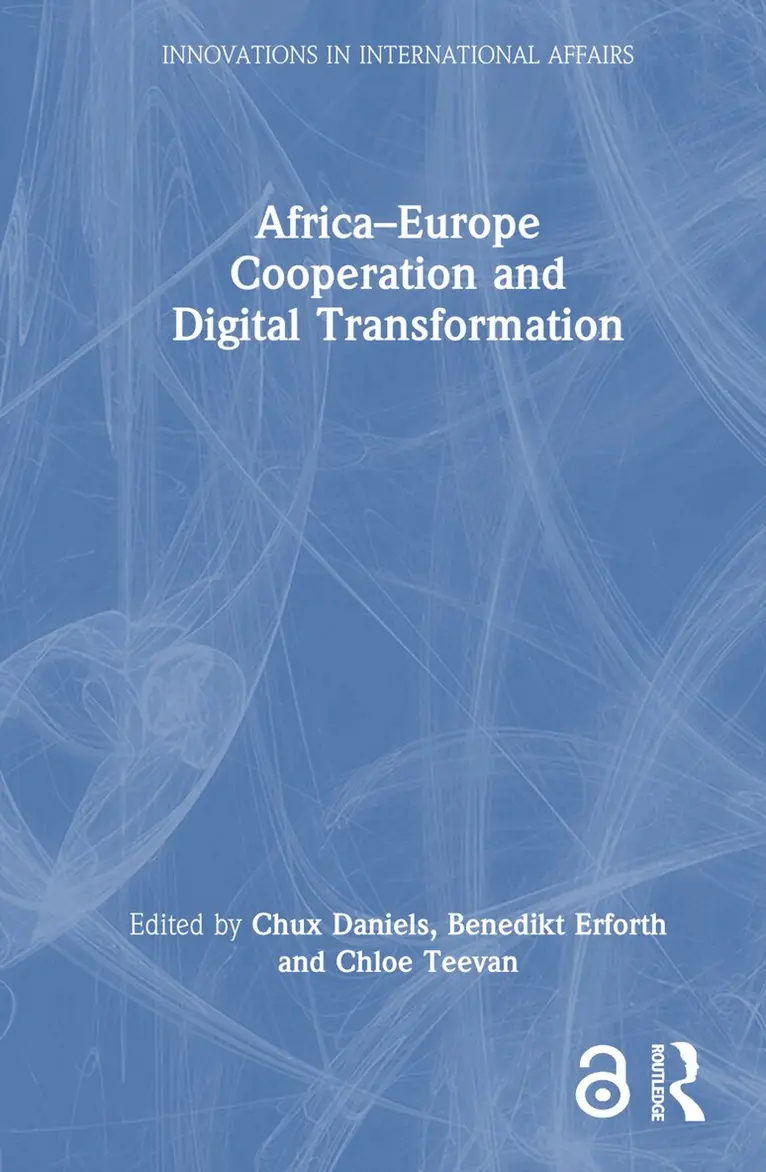
Africa–Europe Cooperation and Digital Transformation explores the opportunities and challenges for cooperation between Africa and Europe in the digital sphere.Digitalisation and digital technologies are not only essential for building competitive and dynamic economies; they transform societies, pose immense challenges for policymakers, and increasingly play a pivotal role in global power relations. Digital transformations have had catalytic effects on African and European governance, economies, and societies, and will continue to do so. The COVID-19 pandemic has already accelerated the penetration of digital tools all over the globe and is likely to be perceived as a critical juncture in how and to what purpose the world accepts and uses new and emerging technologies. This book offers a holistic analysis of how Africa and Europe can manage and harness digital transformation as partners in a globalised world. The authors shed light on issues ranging from economic growth, youth employment, and gender, to regulatory frameworks, business environments, entrepreneurship, and interest-driven power politics. They add much-needed perspectives to the debates that shape the two continents’ digital transformation and innovation environments.This book will interest practitioners working in the areas of innovation, digital technologies, and digital entrepreneurship, as well as students and scholars of international relations. It will also be relevant for policymakers, regulators, decision-makers, and leaders in Africa and Europe.The Open Access version of this book, available at www.taylorfrancis.com, has been made available under a Creative Commons Attribution-Non Commercial-No Derivatives 4.0 license.
Häftad, Engelska, 2022
549 kr
Skickas inom 10-15 vardagar
Africa–Europe Cooperation and Digital Transformation explores the opportunities and challenges for cooperation between Africa and Europe in the digital sphere.Digitalisation and digital technologies are not only essential for building competitive and dynamic economies; they transform societies, pose immense challenges for policymakers, and increasingly play a pivotal role in global power relations. Digital transformations have had catalytic effects on African and European governance, economies, and societies, and will continue to do so. The COVID-19 pandemic has already accelerated the penetration of digital tools all over the globe and is likely to be perceived as a critical juncture in how and to what purpose the world accepts and uses new and emerging technologies. This book offers a holistic analysis of how Africa and Europe can manage and harness digital transformation as partners in a globalised world. The authors shed light on issues ranging from economic growth, youth employment, and gender, to regulatory frameworks, business environments, entrepreneurship, and interest-driven power politics. They add much-needed perspectives to the debates that shape the two continents’ digital transformation and innovation environments.This book will interest practitioners working in the areas of innovation, digital technologies, and digital entrepreneurship, as well as students and scholars of international relations. It will also be relevant for policymakers, regulators, decision-makers, and leaders in Africa and Europe.The Open Access version of this book, available at www.taylorfrancis.com, has been made available under a Creative Commons Attribution-Non Commercial-No Derivatives 4.0 license.
Inbunden, Engelska, 2019
920 kr
Skickas inom 10-15 vardagar
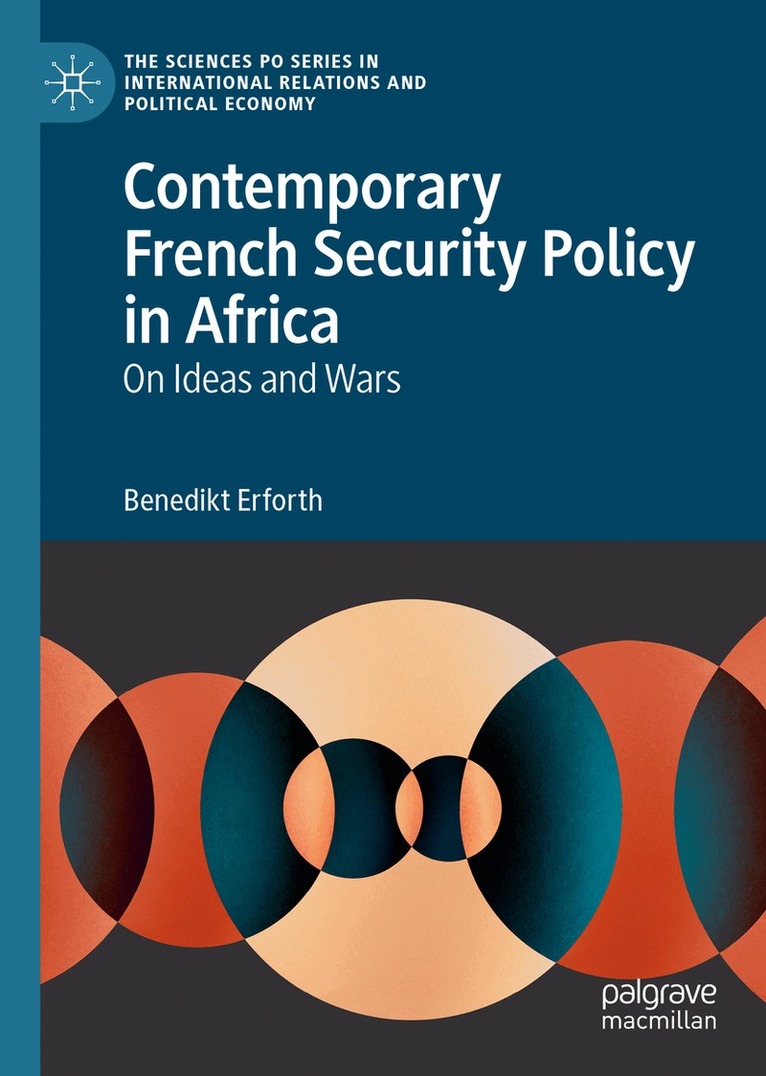
Despite efforts to normalize its post-colonial relationship and the downsizing of its permanent military presence, France remains a sought-after security provider in Africa. This book uncovers individual and collective motivations that drive French foreign and security policy in Africa. It explains French interventionism by drawing on actors’ subjective perceptions of reality and seeks to answer why French decision-makers are ready to accept the considerable risks and costs involved in guaranteeing the security of African countries. Adopting an actor-centric constructivist ontology, the author traces the emergence and subsequent development of ideas throughout the decision-making processes that led to Operation Serval in Mali and Operation Sangaris in the Central African Republic.
E-bok
Engelska, 20191 179 kr
Läs direkt efter köp
Despite efforts to normalize its post-colonial relationship and the downsizing of its permanent military presence, France remains a sought-after security provider in Africa. This book uncovers individual and collective motivations that drive French foreign and security policy in Africa. It explains French interventionism by drawing on actors’ subjective perceptions of reality and seeks to answer why French decision-makers are ready to accept the considerable risks and costs involved in guaranteeing the security of African countries. Adopting an actor-centric constructivist ontology, the author traces the emergence and subsequent development of ideas throughout the decision-making processes that led to Operation Serval in Mali and Operation Sangaris in the Central African Republic.
Häftad, Engelska, 2020
920 kr
Skickas inom 10-15 vardagar
Despite efforts to normalize its post-colonial relationship and the downsizing of its permanent military presence, France remains a sought-after security provider in Africa. This book uncovers individual and collective motivations that drive French foreign and security policy in Africa. It explains French interventionism by drawing on actors’ subjective perceptions of reality and seeks to answer why French decision-makers are ready to accept the considerable risks and costs involved in guaranteeing the security of African countries. Adopting an actor-centric constructivist ontology, the author traces the emergence and subsequent development of ideas throughout the decision-making processes that led to Operation Serval in Mali and Operation Sangaris in the Central African Republic.