Benedikt Hallgrimsson – författare
Visar alla böcker från författaren Benedikt Hallgrimsson. Handla med fri frakt och snabb leverans.
5 produkter
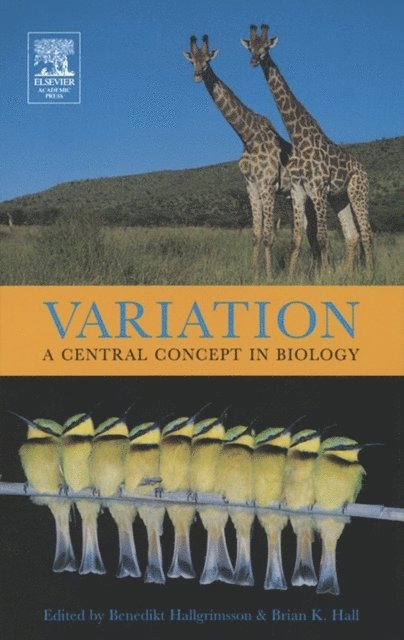
Variation
A Central Concept in Biology
Av Brian K. Hall, Benedikt Hallgrimsson
E-bok, 2011
1100 kr
Lägg i varukorg
Darwin''s theory of evolution by natural selection was based on the observation that there is variation between individuals within the same species. This fundamental observation is a central concept in evolutionary biology. However, variation is only rarely treated directly. It has remained …
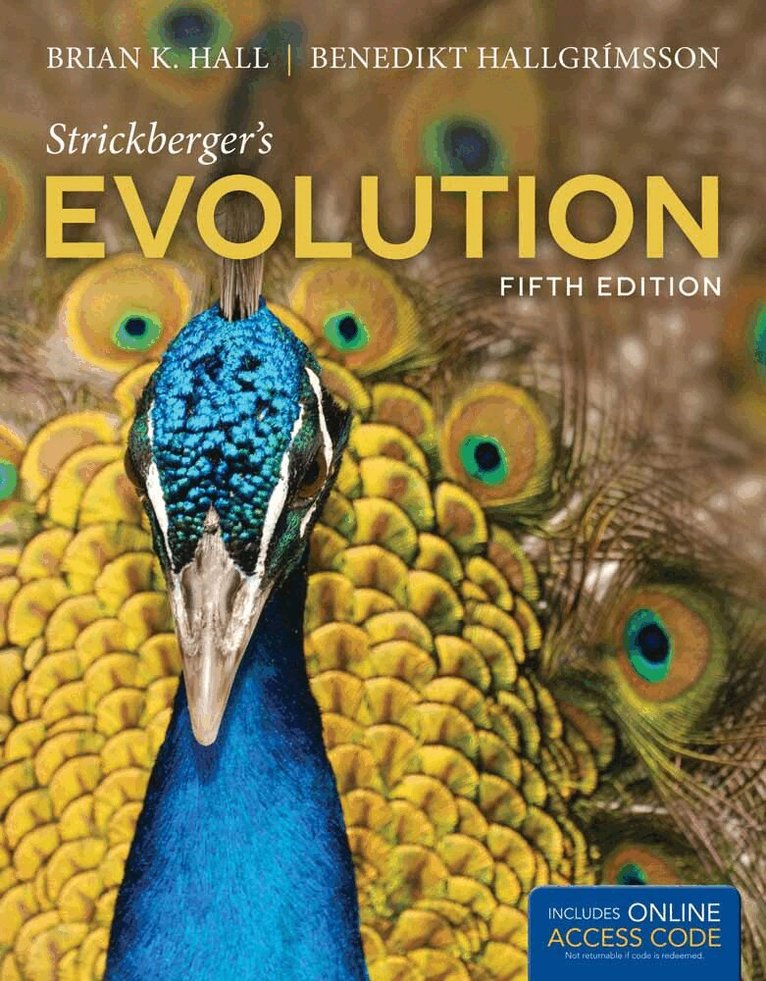
Strickberger's Evolution
Av Brian K. Hall, Benedikt Hallgrímsson
Häftad, 2013
2562 kr
Lägg i varukorg
Now with a new full color design and art program, the Fifth Edition of Strickberger's Evolution is updated with the latest data and updates from the field. It continues to present an overview of prevailing evidence and theories about evolution by discussing how the world and its organisms arose and …
Advanced Imaging in Biology and Medicine
Technology, Software Environments, Applications
Av Ch.W. Sensen, Benedikt Hallgrimsson
Inbunden, 2008
2254 kr
Lägg i varukorg
A picture says more than a thousand words. This is something that we all know to be true. Imaging has been important since the early days of medicine and bi- ogy, as seen in the anatomical studies of Leonardo Da Vinci or Andreas Vesalius. More than 100 years ago, the ?rst noninvasive imaging …
Advanced Imaging in Biology and Medicine
Technology, Software Environments, Applications
Av Benedikt Hallgrimsson, Ch.W. Sensen
E-bok, 2008
2948 kr
Lägg i varukorg
A picture says more than a thousand words. This is something that we all know to be true. Imaging has been important since the early days of medicine and bi- ogy, as seen in the anatomical studies of Leonardo Da Vinci or Andreas Vesalius. More than 100 years ago, the ?rst noninvasive imaging …
Advanced Imaging in Biology and Medicine
Technology, Software Environments, Applications
Av Ch.W. Sensen, Benedikt Hallgrimsson
Häftad, 2010
2254 kr
Lägg i varukorg
A picture says more than a thousand words. This is something that we all know to be true. Imaging has been important since the early days of medicine and bi- ogy, as seen in the anatomical studies of Leonardo Da Vinci or Andreas Vesalius. More than 100 years ago, the ?rst noninvasive imaging …