Benedikt Paul Gocke – författare
824 kr
Läs direkt efter köp
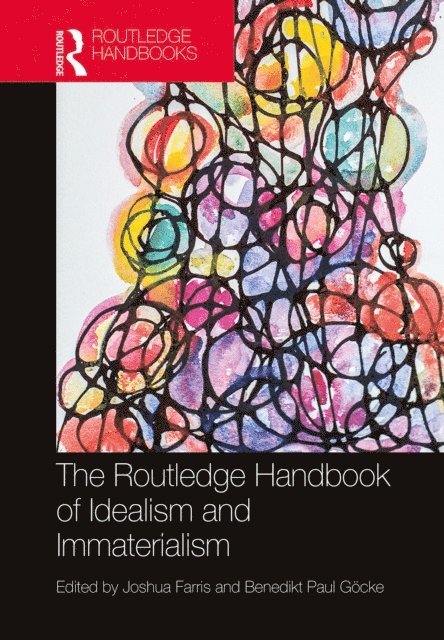
The influence of materialist ontology largely dominates philosophical and scientific discussions. However, there is a resurgent interest in alternative ontologies from panpsychism (the view that at the base of reality exists potential minds, minds, or mind-lets) to idealism and dualism (the view that all of reality is material and mental).
The Routledge Handbook of Idealism and Immaterialism is an outstanding reference source and the first major collection of its kind. Historically grounded and constructively motivated, it covers the key topics in philosophy, science, and theology, providing students and scholars with a comprehensive introduction to idealism and immaterialism. Also addressed are post-materialism developments, with explicit attention to variations of idealism and immaterialism (the view that reality depends on a mind or a set of minds).
Comprising 44 chapters written by an international and interdisciplinary team of contributors, the Handbook is organised into five clear parts:
Idealism and the history of philosophy Important figures in idealism Systematic assessment of idealism Idealism and science Idealism, physicalism, panpsychism, and substance dualism
Essential reading for students and researchers in metaphysics, philosophy of science, philosophy of religion, and philosophy of mind, The Routledge Handbook of Idealism and Immaterialism will also be of interest to those in related discplines where idealist and immaterialist ontology impinge on history, science, and theology.
824 kr
Läs direkt efter köp
The influence of materialist ontology largely dominates philosophical and scientific discussions. However, there is a resurgent interest in alternative ontologies from panpsychism (the view that at the base of reality exists potential minds, minds, or mind-lets) to idealism and dualism (the view that all of reality is material and mental).
The Routledge Handbook of Idealism and Immaterialism is an outstanding reference source and the first major collection of its kind. Historically grounded and constructively motivated, it covers the key topics in philosophy, science, and theology, providing students and scholars with a comprehensive introduction to idealism and immaterialism. Also addressed are post-materialism developments, with explicit attention to variations of idealism and immaterialism (the view that reality depends on a mind or a set of minds).
Comprising 44 chapters written by an international and interdisciplinary team of contributors, the Handbook is organised into five clear parts:
Idealism and the history of philosophy Important figures in idealism Systematic assessment of idealism Idealism and science Idealism, physicalism, panpsychism, and substance dualism
Essential reading for students and researchers in metaphysics, philosophy of science, philosophy of religion, and philosophy of mind, The Routledge Handbook of Idealism and Immaterialism will also be of interest to those in related discplines where idealist and immaterialist ontology impinge on history, science, and theology.
740 kr
Läs direkt efter köp
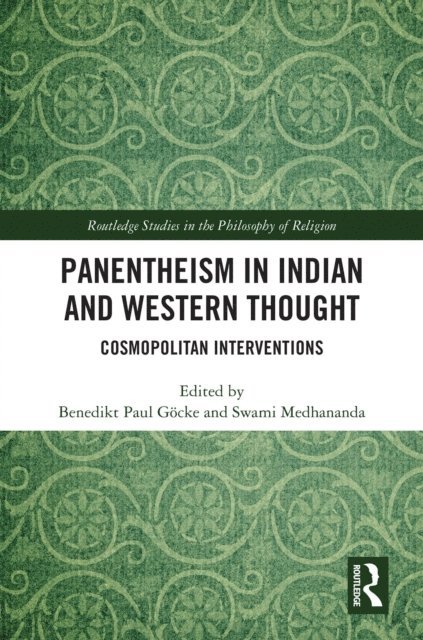
For too long, scholars interested in panentheism have focused almost exclusively on Western approaches to the issue. This book offers the first in-depth study of a wide range of Indian paradigms of panentheism, both ancient and modern, and brings these paradigms into creative and constructive dialogue with Western traditions.
This volume features original essays written by leading international scholars. The volume discusses a broad range of Indian panentheistic traditions, including the Upaniṣads, Bhedābheda Vedānta, Rāmānuja’s Viśiṣṭādvaita Vedānta, Yogācāra Buddhism, and the Ramakrishna-Vivekananda tradition. The chapters connect these traditions with Western panentheistic conceptions developed by thinkers such as Spinoza, Berkeley, Schopenhauer, Krause, Royce, Tononi and Koch, and Western process philosophers.
Panentheism in Indian and Western Thought will be of interest to scholars and advanced students working in philosophy of religion, Indian philosophy, comparative philosophy, and comparative religion.
740 kr
Läs direkt efter köp
For too long, scholars interested in panentheism have focused almost exclusively on Western approaches to the issue. This book offers the first in-depth study of a wide range of Indian paradigms of panentheism, both ancient and modern, and brings these paradigms into creative and constructive dialogue with Western traditions.
This volume features original essays written by leading international scholars. The volume discusses a broad range of Indian panentheistic traditions, including the Upaniṣads, Bhedābheda Vedānta, Rāmānuja’s Viśiṣṭādvaita Vedānta, Yogācāra Buddhism, and the Ramakrishna-Vivekananda tradition. The chapters connect these traditions with Western panentheistic conceptions developed by thinkers such as Spinoza, Berkeley, Schopenhauer, Krause, Royce, Tononi and Koch, and Western process philosophers.
Panentheism in Indian and Western Thought will be of interest to scholars and advanced students working in philosophy of religion, Indian philosophy, comparative philosophy, and comparative religion.
807 kr
Läs direkt efter köp
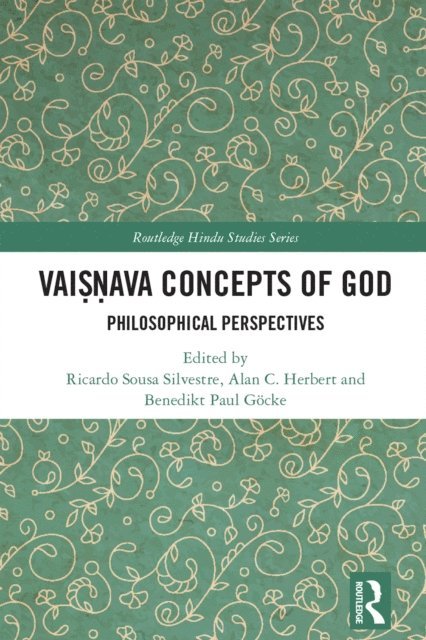
This book explores a number of concepts of God in Vaiṣṇavism, which is commonly referred to as one of the great Hindu monotheistic traditions. By addressing the question of what attributes God possesses according to particular Vaiṣṇava textual sources and traditions, the book locates these concepts within a global philosophical framework.
The book is divided into two parts. The first part, God in Vaiṣṇava Texts, deals with concepts of God found in some of the more prominent canonical Vaiṣṇava texts: the Bhagavad-Gītā, the Bhagavata-Purāṇa, the Jayākhya-Saṃhitā as representative of the Pāñcarātras, and the Mahābhārata. The second part, God in Vaiṣṇava Traditions, addresses concepts of God found in several Vaiṣṇava traditions and their respective key theologians. In addition to the Āḻvārs, the five traditional Vaiṣṇava schools—the Śrī Vaiṣṇava tradition, the Madhva tradition, the Nimbārka tradition, the Puṣṭimārga tradition, and the Caitanya Vaiṣṇava tradition—and two contemporary ones—those of Ramakrishna (who has Vaiṣṇava leanings) and Swami Bhaktivedanta—are considered.
The book combines normative, critical, and descriptive elements. Some chapters are philosophical in nature, and others are more descriptive. Each unpacks a specific Vaiṣṇava concept of God for future philosophical analysis and critique. Written by experts who break new ground in this presentation and representation of the diversity of Vaiṣṇava texts and traditions, the book provides approaches that reflect the amount of philosophical and historical deliberation on the specific issues and divine attributes so far considered in the field of Hindu Studies. This book will be of interest to researchers in disciplines including philosophy of religion and Indian philosophy, cross-cultural and comparative philosophy, analytic philosophy of religion, Hindu Studies, theology, and religious studies.
807 kr
Läs direkt efter köp
This book explores a number of concepts of God in Vaiṣṇavism, which is commonly referred to as one of the great Hindu monotheistic traditions. By addressing the question of what attributes God possesses according to particular Vaiṣṇava textual sources and traditions, the book locates these concepts within a global philosophical framework.
The book is divided into two parts. The first part, God in Vaiṣṇava Texts, deals with concepts of God found in some of the more prominent canonical Vaiṣṇava texts: the Bhagavad-Gītā, the Bhagavata-Purāṇa, the Jayākhya-Saṃhitā as representative of the Pāñcarātras, and the Mahābhārata. The second part, God in Vaiṣṇava Traditions, addresses concepts of God found in several Vaiṣṇava traditions and their respective key theologians. In addition to the Āḻvārs, the five traditional Vaiṣṇava schools—the Śrī Vaiṣṇava tradition, the Madhva tradition, the Nimbārka tradition, the Puṣṭimārga tradition, and the Caitanya Vaiṣṇava tradition—and two contemporary ones—those of Ramakrishna (who has Vaiṣṇava leanings) and Swami Bhaktivedanta—are considered.
The book combines normative, critical, and descriptive elements. Some chapters are philosophical in nature, and others are more descriptive. Each unpacks a specific Vaiṣṇava concept of God for future philosophical analysis and critique. Written by experts who break new ground in this presentation and representation of the diversity of Vaiṣṇava texts and traditions, the book provides approaches that reflect the amount of philosophical and historical deliberation on the specific issues and divine attributes so far considered in the field of Hindu Studies. This book will be of interest to researchers in disciplines including philosophy of religion and Indian philosophy, cross-cultural and comparative philosophy, analytic philosophy of religion, Hindu Studies, theology, and religious studies.
712 kr
Läs direkt efter köp
1 891 kr
Läs direkt efter köp
Welt - Geist - Gott: Erkundungen Zu Panpsychismus Und Panentheismus
442 kr
Skickas inom 3-6 vardagar
680 kr
Läs direkt efter köp
827 kr
Läs direkt efter köp
155 kr
Läs direkt efter köp
161 kr
Läs direkt efter köp
248 kr
Läs direkt efter köp