Benito Cao - Böcker
Visar alla böcker från författaren Benito Cao. Handla med fri frakt och snabb leverans.
4 produkter
4 produkter
2 096 kr
Skickas inom 10-15 vardagar
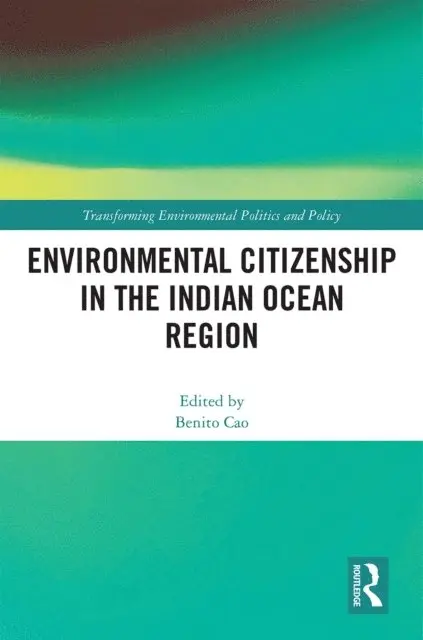
The scale and severity of our environmental challenges are quickly becoming apparent. The Indian Ocean region features many places particularly vulnerable to the effects of environmental degradation and climate change, which will have profound social, economic, and cultural impacts. The increasing preoccupation with the state of the environment is also having significant political effects, including on the concept and content of citizenship. The language of citizenship has permeated environmental discourse and, conversely, environmental issues are often articulated in the language of citizenship. This book explores environmental citizenship and civil society responses to environmental challenges in the Indian Ocean region. The articles provide practical insights to improve resilience and adaptation, as well as conceptual insights into the nature of environmental citizenship discourse and practice across this vast region, from Mauritius to Malaysia. The volume showcases the complex field of environmental citizenship through a wide range of approaches, and alongside closely related concepts, such as environmental governance, environmental education, environmental justice, and corporate social responsibility. In essence, the book provides a rich, diverse and multidimensional picture of environmental citizenship in the Indian Ocean region.The chapters in this book were originally published as a special issue in the Journal of the Indian Ocean Region.
613 kr
Skickas inom 10-15 vardagar
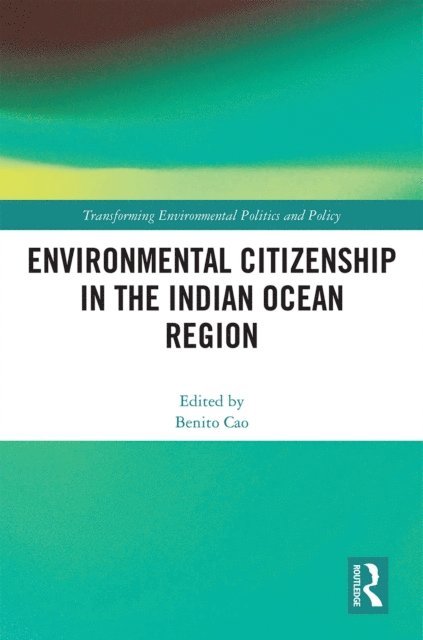
The scale and severity of our environmental challenges are quickly becoming apparent. The Indian Ocean region features many places particularly vulnerable to the effects of environmental degradation and climate change, which will have profound social, economic, and cultural impacts. The increasing preoccupation with the state of the environment is also having significant political effects, including on the concept and content of citizenship. The language of citizenship has permeated environmental discourse and, conversely, environmental issues are often articulated in the language of citizenship. This book explores environmental citizenship and civil society responses to environmental challenges in the Indian Ocean region. The articles provide practical insights to improve resilience and adaptation, as well as conceptual insights into the nature of environmental citizenship discourse and practice across this vast region, from Mauritius to Malaysia. The volume showcases the complex field of environmental citizenship through a wide range of approaches, and alongside closely related concepts, such as environmental governance, environmental education, environmental justice, and corporate social responsibility. In essence, the book provides a rich, diverse and multidimensional picture of environmental citizenship in the Indian Ocean region.The chapters in this book were originally published as a special issue in the Journal of the Indian Ocean Region.
2 298 kr
Skickas inom 10-15 vardagar
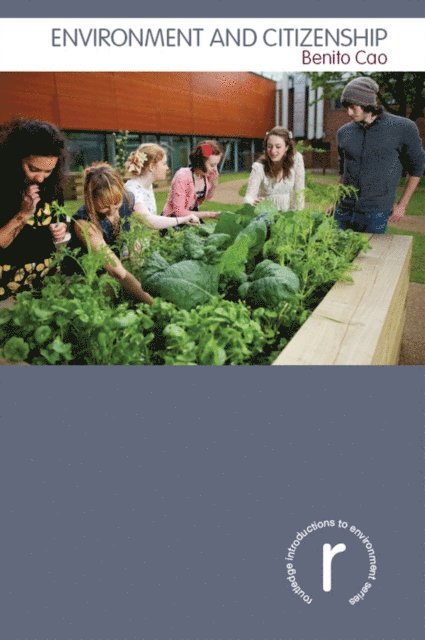
The increasing awareness of the human impact on the environment is having a profound effect on the concept and content of citizenship – one of the fundamental institutions that structures human relations. In what is the first introduction of its kind, this book provides an accessible, stimulating and multidimensional overview of the many ways in which concern for the environment – driven primarily by the preoccupation with sustainability – is reshaping our understanding of citizenship. Environment and Citizenship is structured into three parts. Part I introduces the reader to the concept and theories of citizenship and explores the impact that environmental concerns is having on contemporary formulations of citizenship, both traditional (e.g. national, liberal and republican) and emerging (e.g. cosmopolitan, ecological and ecofeminist). Part II explores the practical manifestations of environmental citizenship, with each chapter focusing on a particular actor: citizens, governments, and corporations. These chapters include references to examples and case studies from a wide range of countries, broadly categorized as belonging to the Global North and the Global South. Part III explores the making of green citizens and outlines the dominant articulations of environmental citizenship that emerge from formal education, news media and popular culture. The book concludes with a general reflection on the present and future of environmental citizenship. The book contains a variety of illustrations, boxed case-studies, links to online resources and suggestions for further reading. This original and engaging text is essential reading for students and scholars of environmental politics, sustainability studies and development studies, as well as for environmental activists, policy practitioners and environmental educators. More broadly, this book will appeal to anyone interested in and concerned with issues of sustainability, social justice and citizenship in the twenty-first century.
923 kr
Skickas inom 10-15 vardagar
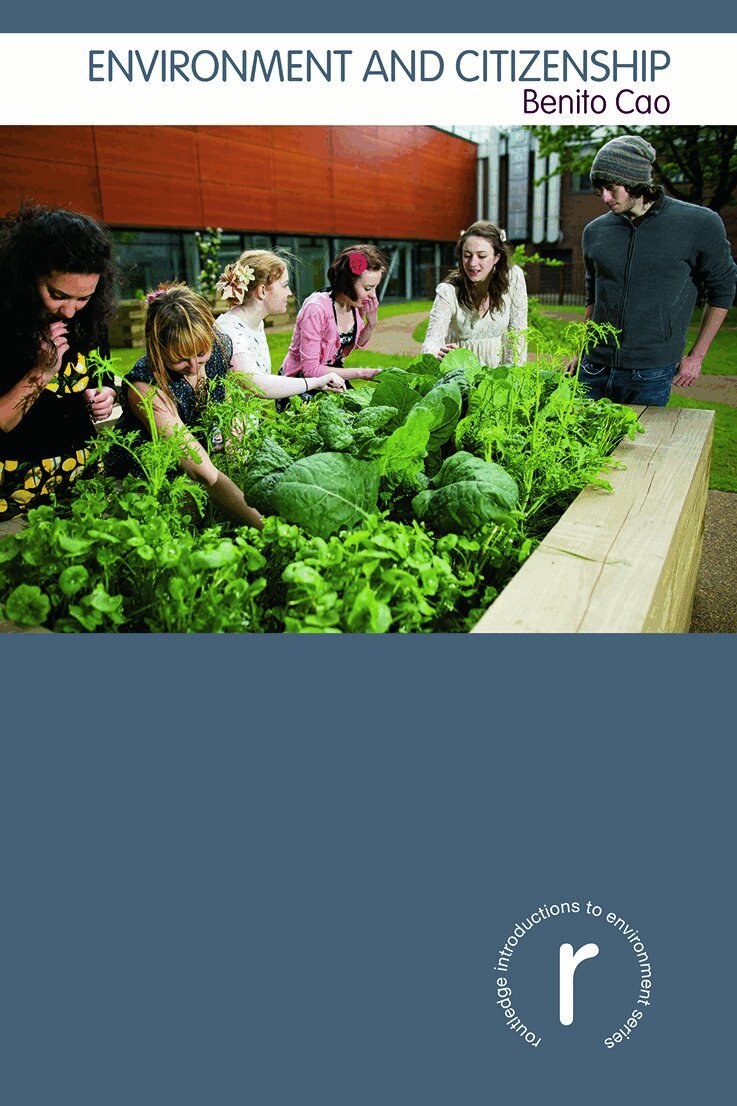
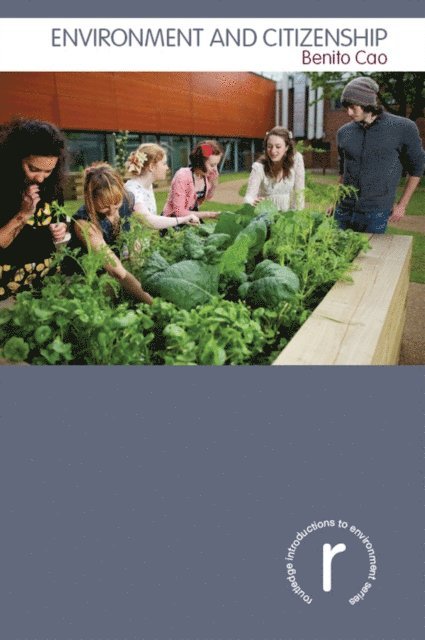
The increasing awareness of the human impact on the environment is having a profound effect on the concept and content of citizenship – one of the fundamental institutions that structures human relations. In what is the first introduction of its kind, this book provides an accessible, stimulating and multidimensional overview of the many ways in which concern for the environment – driven primarily by the preoccupation with sustainability – is reshaping our understanding of citizenship. Environment and Citizenship is structured into three parts. Part I introduces the reader to the concept and theories of citizenship and explores the impact that environmental concerns is having on contemporary formulations of citizenship, both traditional (e.g. national, liberal and republican) and emerging (e.g. cosmopolitan, ecological and ecofeminist). Part II explores the practical manifestations of environmental citizenship, with each chapter focusing on a particular actor: citizens, governments, and corporations. These chapters include references to examples and case studies from a wide range of countries, broadly categorized as belonging to the Global North and the Global South. Part III explores the making of green citizens and outlines the dominant articulations of environmental citizenship that emerge from formal education, news media and popular culture. The book concludes with a general reflection on the present and future of environmental citizenship. The book contains a variety of illustrations, boxed case-studies, links to online resources and suggestions for further reading. This original and engaging text is essential reading for students and scholars of environmental politics, sustainability studies and development studies, as well as for environmental activists, policy practitioners and environmental educators. More broadly, this book will appeal to anyone interested in and concerned with issues of sustainability, social justice and citizenship in the twenty-first century.