Benjamin Lempert - Böcker
Visar alla böcker från författaren Benjamin Lempert. Handla med fri frakt och snabb leverans.
2 produkter
2 produkter
110 kr
Skickas
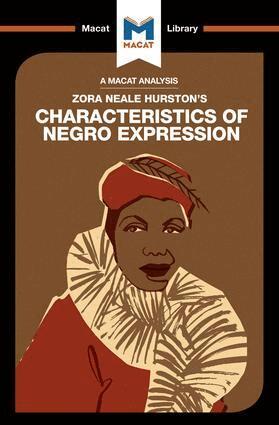
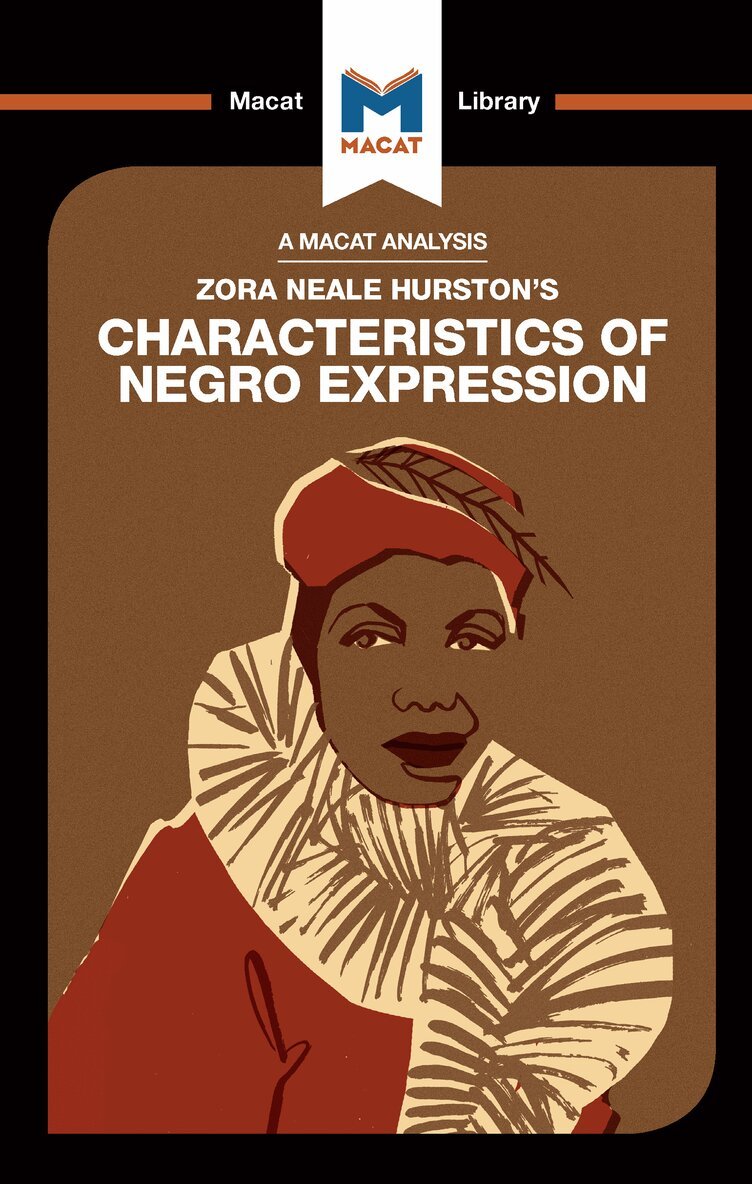
A critical analysis of African-American novelist and anthropologist Zora Neale Hurston' 1934 essay Characteristics of Negro Expression: A crushing evaluation of the many racial prejudices of 1930s America, including a common presumption that African American art was unoriginal – merely poorly copying white culture. Hurston’s approach and premises may seem in many ways dated to modern readers, but the essay still shows an incisive mind carefully evaluating arguments and cutting them down to size. African-American art of the time did not – Hurston influentially argued – play by the same rules as white art, so it could not meaningfully be discussed by ‘white’ notions of aesthetic value. Where white European tradition views art as something fixed, Hurston saw African-American art works as a distinctive form of mimicry, reshaping and altering the original object until it became something new and novel. In this way, she contended, African-American creative expression is a process that generates its own form of originality – turning borrowed material into something original and unique. By carefully evaluating the relevance of previous arguments, Hurston showed African American artistic expression in an entirely new light.
319 kr
Skickas inom 10-15 vardagar
A critical analysis of African-American novelist and anthropologist Zora Neale Hurston' 1934 essay Characteristics of Negro Expression: A crushing evaluation of the many racial prejudices of 1930s America, including a common presumption that African American art was unoriginal – merely poorly copying white culture. Hurston’s approach and premises may seem in many ways dated to modern readers, but the essay still shows an incisive mind carefully evaluating arguments and cutting them down to size. African-American art of the time did not – Hurston influentially argued – play by the same rules as white art, so it could not meaningfully be discussed by ‘white’ notions of aesthetic value. Where white European tradition views art as something fixed, Hurston saw African-American art works as a distinctive form of mimicry, reshaping and altering the original object until it became something new and novel. In this way, she contended, African-American creative expression is a process that generates its own form of originality – turning borrowed material into something original and unique. By carefully evaluating the relevance of previous arguments, Hurston showed African American artistic expression in an entirely new light.