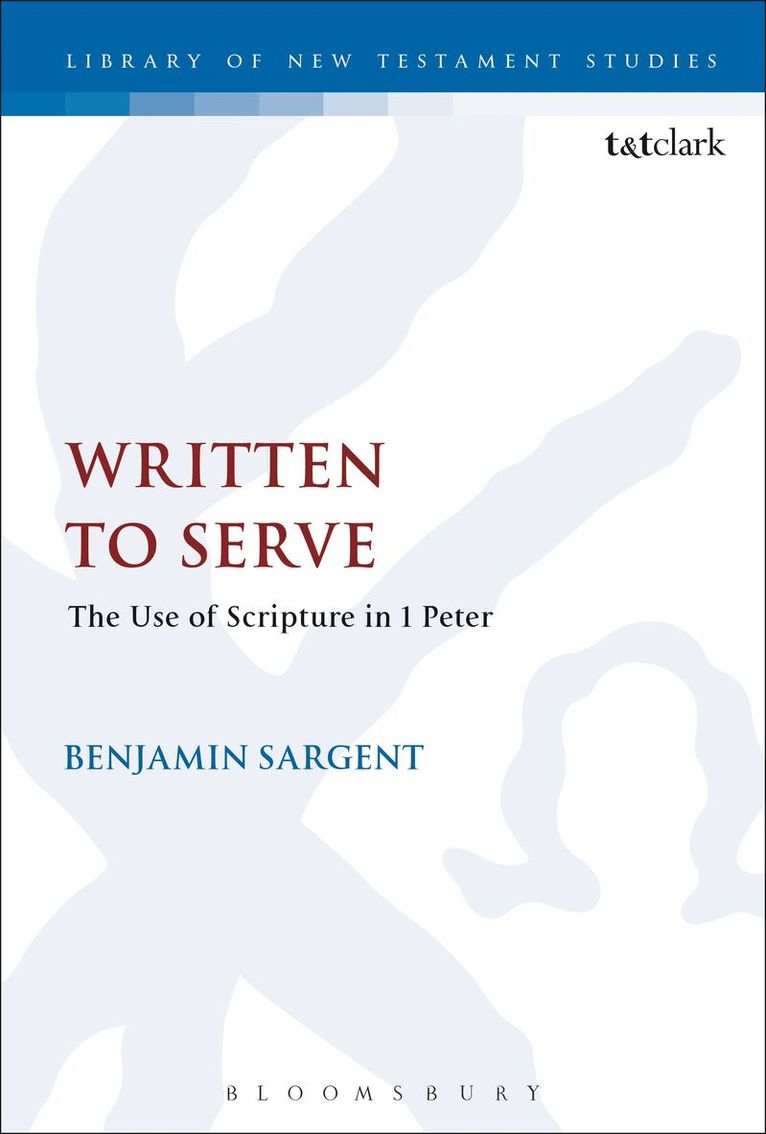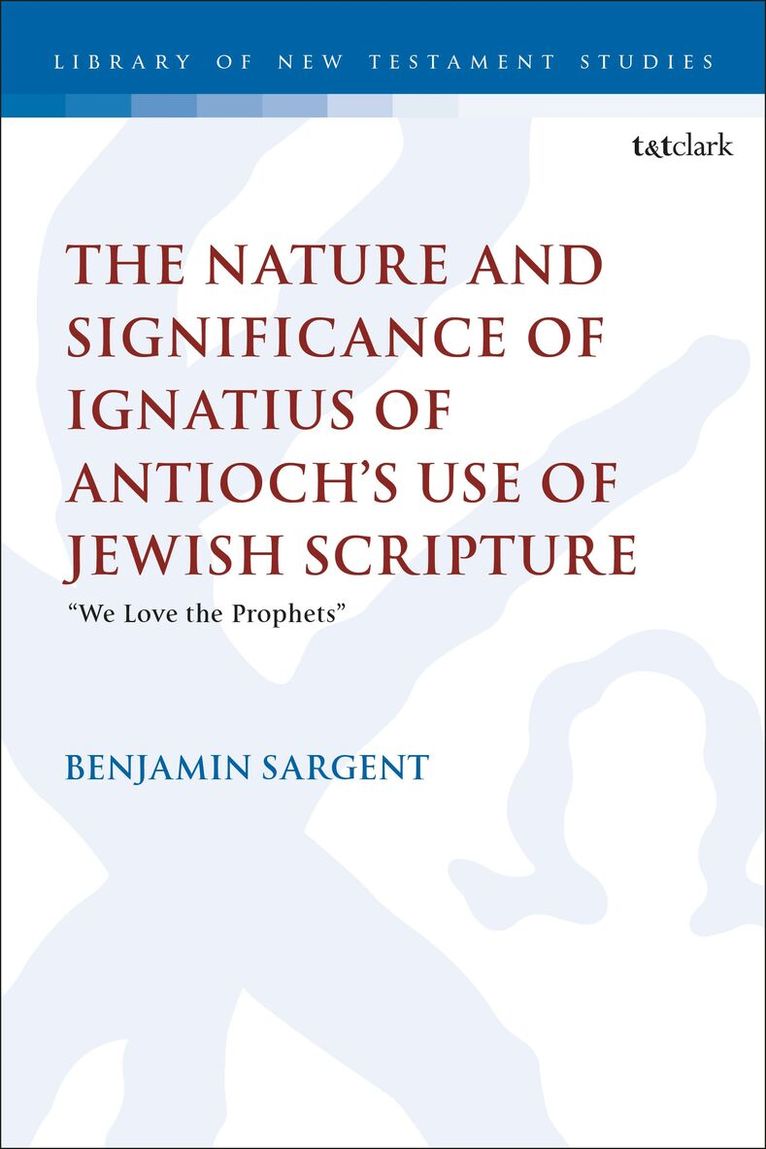
Benjamin Sargent – författare
483 kr
Läs direkt efter köp
1 941 kr
Skickas inom 10-15 vardagar
449 kr
Skickas inom 10-15 vardagar
1 251 kr
Skickas inom 10-15 vardagar
1 199 kr
Läs direkt efter köp
1 199 kr
Läs direkt efter köp
261 kr
Skickas
145 kr
Läs direkt efter köp
82 kr
Skickas inom 5-8 vardagar
1 648 kr
Skickas inom 5-8 vardagar
1 664 kr
Läs direkt efter köp
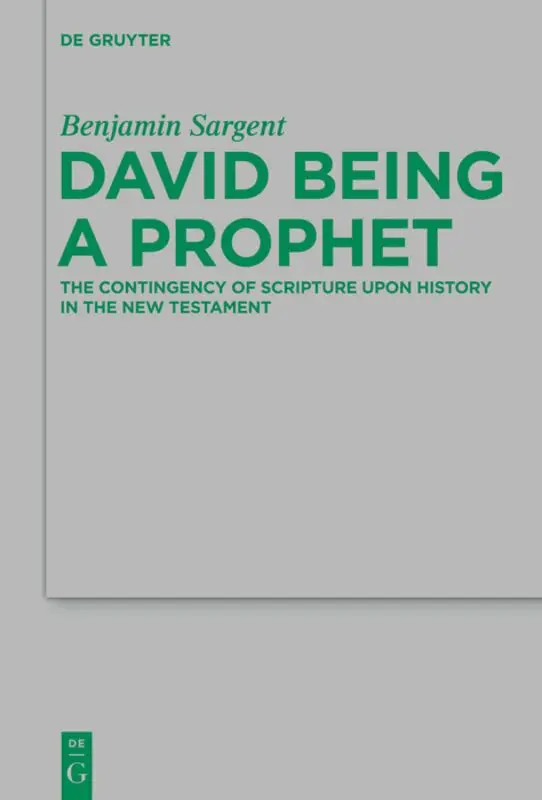
This book seeks to identify a distinct approach to interpreting Scripture in the New Testament that makes use of assumptions about a text''s author or time of composition. Focusing upon the Epistle to the Hebrews, the Acts of the Apostles and the Davidssohnfrage in the Synoptic Gospels, it is argued that in certain cases the meaning of a scriptural text is understood by the New Testament author to be contingent upon its history: that the meaning of a text is found when the identity of its author is taken into account or when its time of origin is considered. This approach to interpretation appears to lack clear precedents in intertestamental and 1st Century exegetical literature, suggesting that it is dependent upon distinctly Christian notions of Heilsgeschichte. The analysis of the Davidssohnfrage suggests also that the origins of this approach to interpretation may be associated with traditions of Jesus'' exegetical sayings. A final chapter questions whether an early Christian use of history in the interpretation of Scripture might offer something to contemporary discussion of the continuing relevance of historical criticism.
1 669 kr
Läs direkt efter köp
This book seeks to identify a distinct approach to interpreting Scripture in the New Testament that makes use of assumptions about a text''s author or time of composition. Focusing upon the Epistle to the Hebrews, the Acts of the Apostles and the Davidssohnfrage in the Synoptic Gospels, it is argued that in certain cases the meaning of a scriptural text is understood by the New Testament author to be contingent upon its history: that the meaning of a text is found when the identity of its author is taken into account or when its time of origin is considered. This approach to interpretation appears to lack clear precedents in intertestamental and 1st Century exegetical literature, suggesting that it is dependent upon distinctly Christian notions of Heilsgeschichte. The analysis of the Davidssohnfrage suggests also that the origins of this approach to interpretation may be associated with traditions of Jesus'' exegetical sayings. A final chapter questions whether an early Christian use of history in the interpretation of Scripture might offer something to contemporary discussion of the continuing relevance of historical criticism.