Benjamin Smart – författare
Visar alla böcker från författaren Benjamin Smart. Handla med fri frakt och snabb leverans.
8 produkter
Philosophy of Disease
Inbunden, 2015
552 kr
Lägg i varukorg
Disease is everywhere. Everyone experiences disease, everyone knows somebody who is, or has been diseased, and disease-related stories hit the headlines on a regular basis. Many important issues in the philosophy of disease, however, have received remarkably little attention from philosophical …
Philosophy of Disease
E-bok, 2016
779 kr
Lägg i varukorg
Disease is everywhere. Everyone experiences disease, everyone knows somebody who is, or has been diseased, and disease-related stories hit the headlines on a regular basis. Many important issues in the philosophy of disease, however, have received remarkably little attention from philosophical …
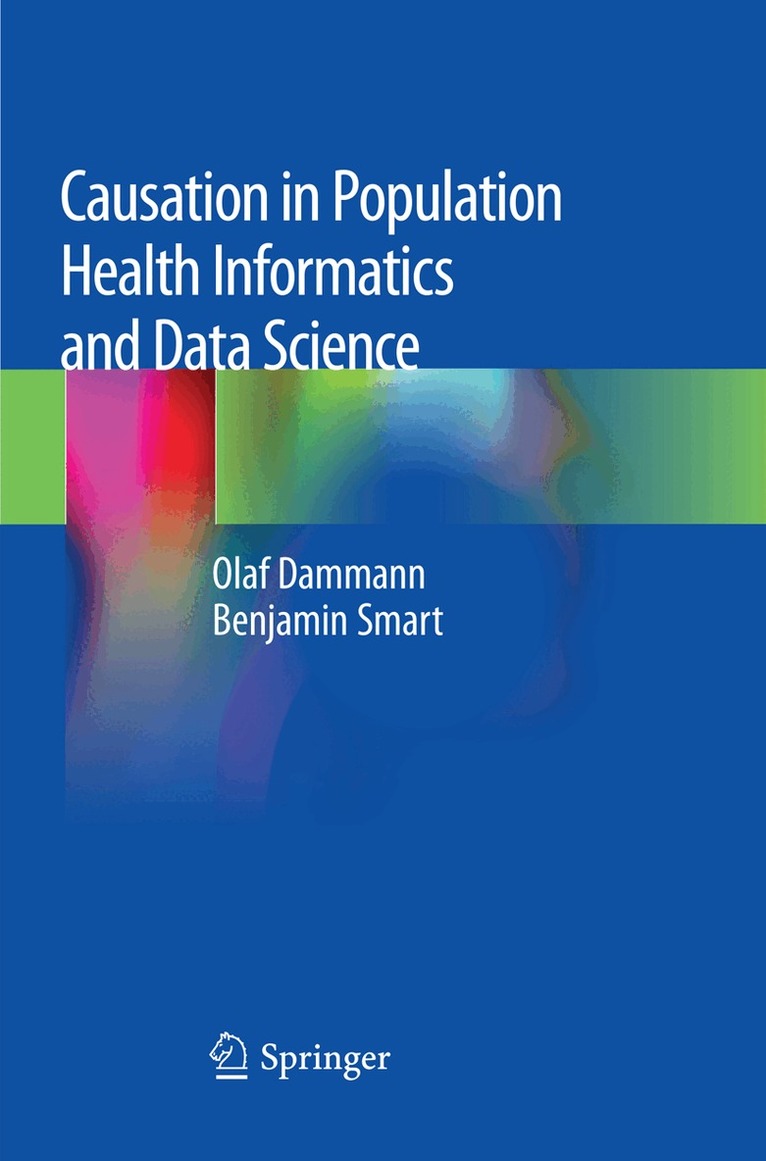
Causation in Population Health Informatics and Data Science
Av Olaf Dammann, Benjamin Smart
Häftad, 2019
1425 kr
Lägg i varukorg
Marketing text: This book covers the overlap between informatics, computer science, philosophy of causation, and causal inference in epidemiology and population health research. Key concepts covered include how data are generated and interpreted, and how and why concepts in health informatics and …
Philosophy of Public Health
A Capacities Approach
Inbunden, 2025
1316 kr
Lägg i varukorg
This book, inspired by public health policymaking during the Covid-19 pandemic, proposes an innovative capacities-based approach to understanding health at all levels of biological complexity - including at the level of the population. This capacities approach to health is applied to various issues …
Philosophy of Public Health
A Capacities Approach
E-bok, 2025
1746 kr
Lägg i varukorg
This book, inspired by public health policymaking during the Covid-19 pandemic, proposes an innovative capacities-based approach to understanding health at all levels of biological complexity - including at the level of the population. This capacities approach to health is applied to various issues …
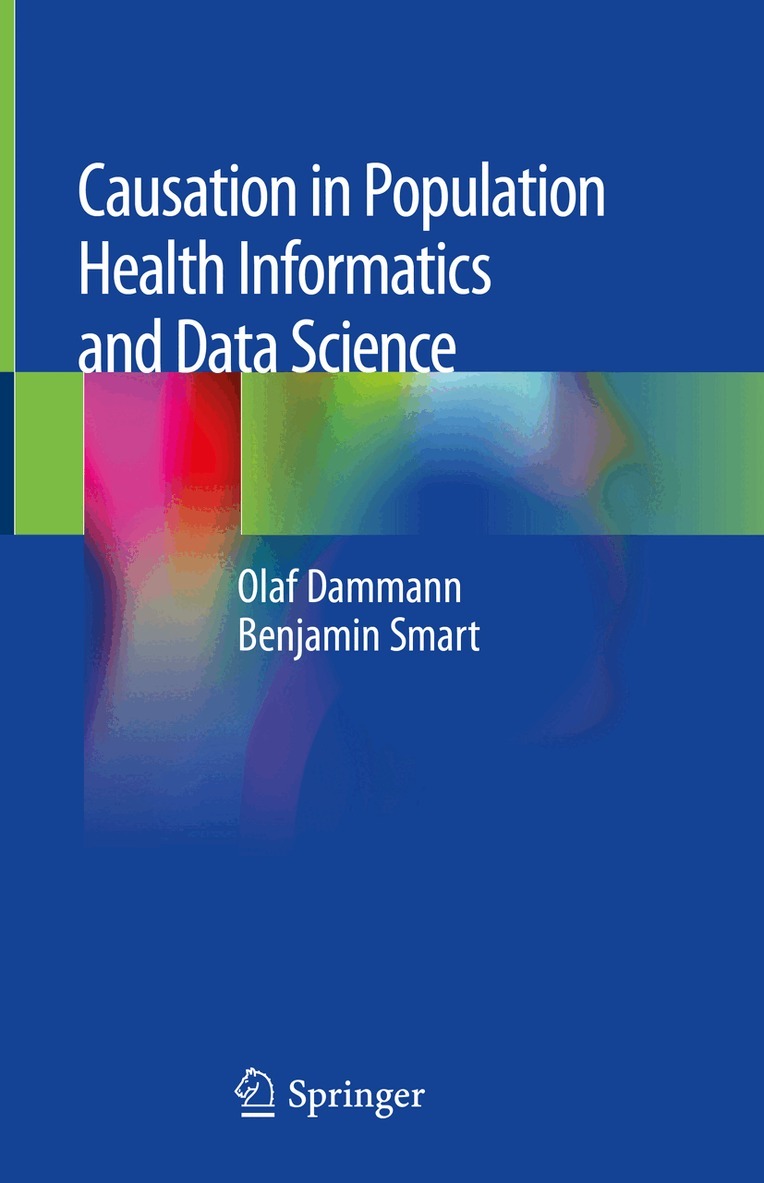
Causation in Population Health Informatics and Data Science
Av Olaf Dammann, Benjamin Smart
Inbunden, 2018
1468 kr
Lägg i varukorg
Marketing text: This book covers the overlap between informatics, computer science, philosophy of causation, and causal inference in epidemiology and population health research. Key concepts covered include how data are generated and interpreted, and how and why concepts in health informatics and …
Causation in Population Health Informatics and Data Science
Av Benjamin Smart, Olaf Dammann
E-bok, 2018
1746 kr
Lägg i varukorg
Marketing text: This book covers the overlap between informatics, computer science, philosophy of causation, and causal inference in epidemiology and population health research. Key concepts covered include how data are generated and interpreted, and how and why concepts in health informatics and …