Benjamin Yakir – författare
Visar alla böcker från författaren Benjamin Yakir. Handla med fri frakt och snabb leverans.
7 produkter
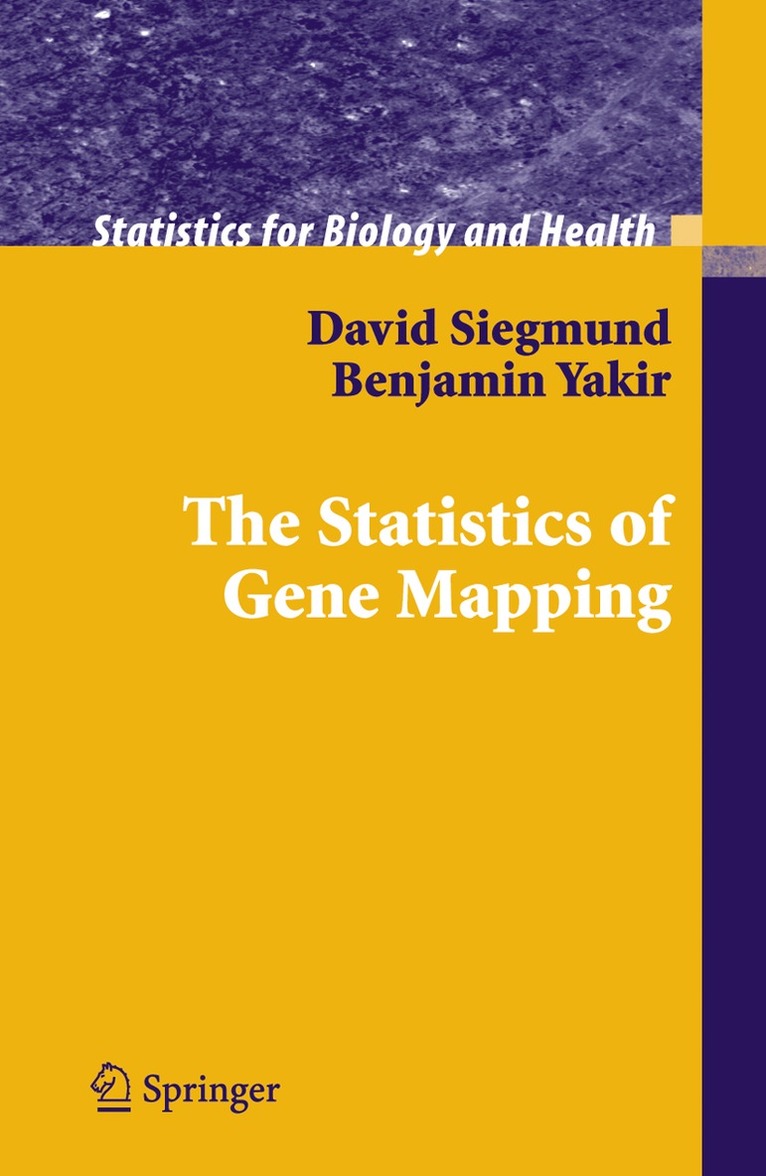
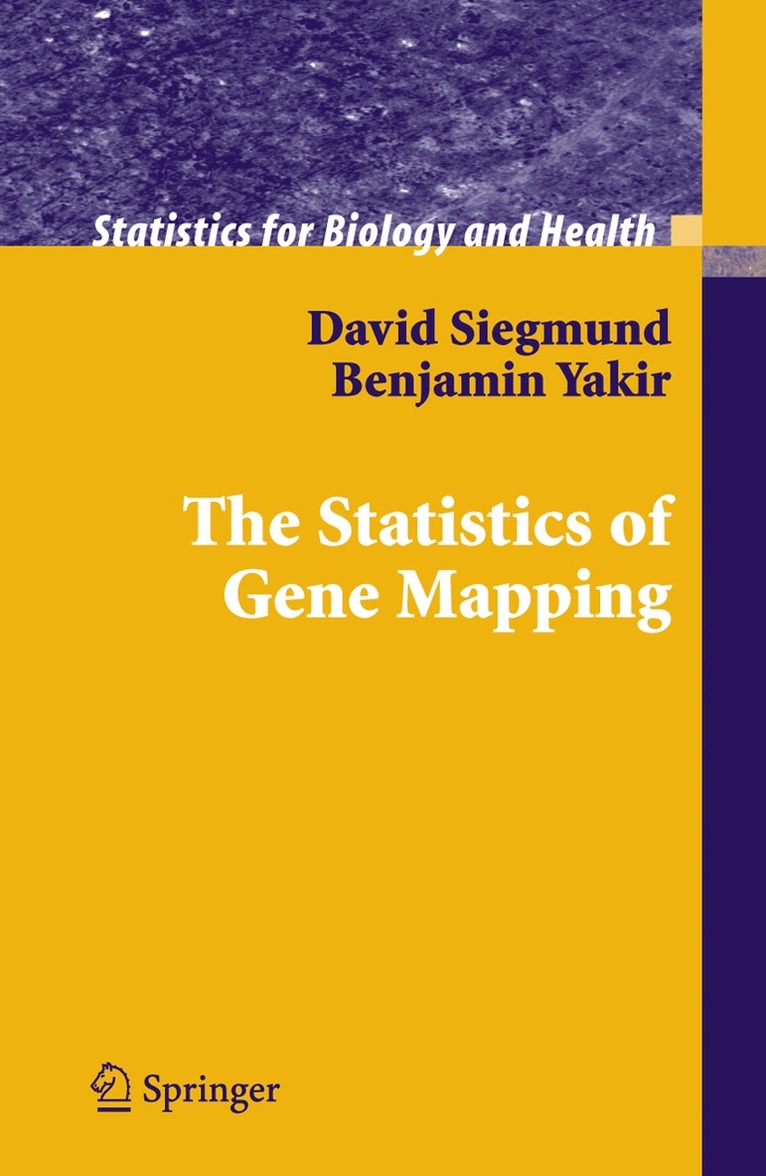
Statistics of Gene Mapping
Av David Siegmund, Benjamin Yakir
Inbunden, 2007
1687 kr
Lägg i varukorg
Gene mapping is used in experimental genetics to improve the hardiness or productivity of animals or plants of agricultural value, to explore basic mechanisms of inheritance, or to study animal models of human inheritance. In human populations it is used as a first step to identify genes associated …
Statistics of Gene Mapping
Av Benjamin Yakir, David Siegmund
E-bok, 2007
1670 kr
Lägg i varukorg
Gene mapping is used in experimental genetics to improve the hardiness or productivity of animals or plants of agricultural value, to explore basic mechanisms of inheritance, or to study animal models of human inheritance. In human populations it is used as a first step to identify genes associated …
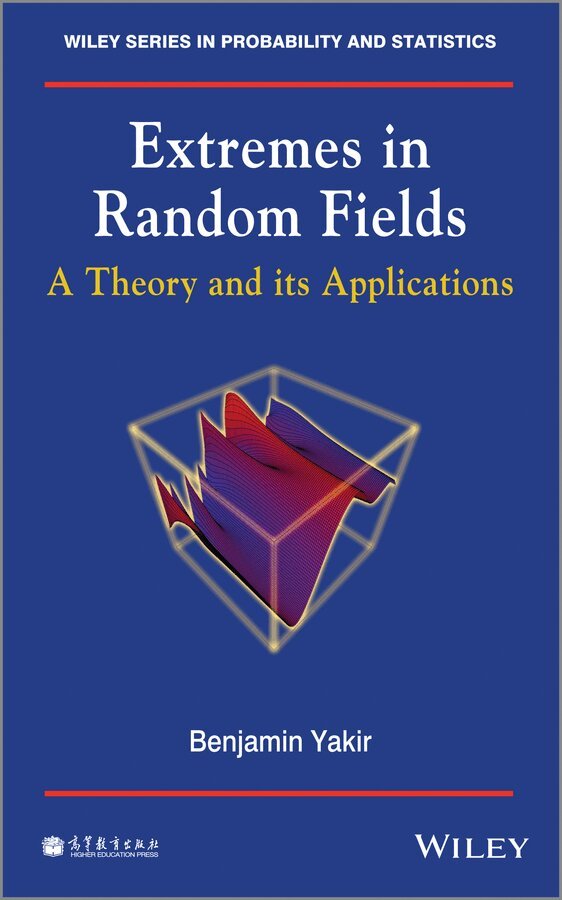
Extremes in Random Fields
A Theory and Its Applications
Inbunden, 2013
1147 kr
Lägg i varukorg
Presents a useful new technique for analyzing the extreme-value behaviour of random fieldsModern science typically involves the analysis of increasingly complex data. The extreme values that emerge in the statistical analysis of complex data are often of particular interest. This book focuses on …
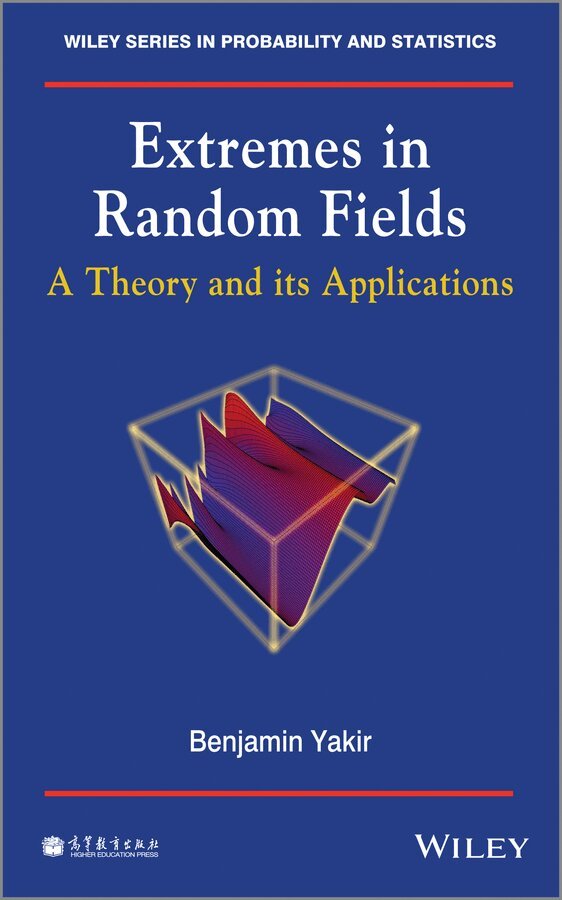
Extremes in Random Fields
A Theory and Its Applications
E-bok, 2013
1336 kr
Lägg i varukorg
Presents a useful new technique for analyzing the extreme-value behaviour of random fields Modern science typically involves the analysis of increasingly complex data. The extreme values that emerge in the statistical analysis of complex data are often of particular interest. This book focuses on …
Extremes in Random Fields
A Theory and Its Applications
E-bok, 2013
1336 kr
Lägg i varukorg
Presents a useful new technique for analyzing the extreme-value behaviour of random fields Modern science typically involves the analysis of increasingly complex data. The extreme values that emerge in the statistical analysis of complex data are often of particular interest. This book focuses on …
Statistics of Gene Mapping
Av David Siegmund, Benjamin Yakir
Häftad, 2010
1239 kr
Lägg i varukorg
Gene mapping is used in experimental genetics to improve the hardiness or productivity of animals or plants of agricultural value, to explore basic mechanisms of inheritance, or to study animal models of human inheritance. In human populations it is used as a first step to identify genes associated …
Extremes in Random Fields – A Theory and its Applications
2013
1114 kr
Tillfälligt slut
Presents a useful new technique for analyzing the extreme-value behaviour of random fields Modern science typically involves the analysis of increasingly complex data. The extreme values that emerge in the statistical analysis of complex data are often of particular interest. This book focuses on …