Berend Smit – författare
Visar alla böcker från författaren Berend Smit. Handla med fri frakt och snabb leverans.
8 produkter
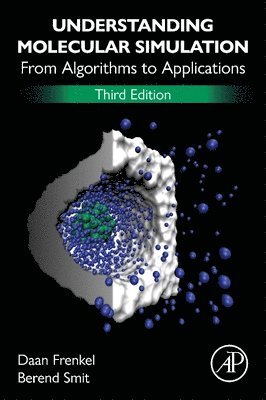
Understanding Molecular Simulation
From Algorithms to Applications
Inbunden, 2001
1072 kr
Lägg i varukorg
Understanding Molecular Simulation: From Algorithms to Applications explains the physics behind the "recipes" of molecular simulation for materials science. Computer simulators are continuously confronted with questions concerning the choice of a particular technique for a given application. A wide …
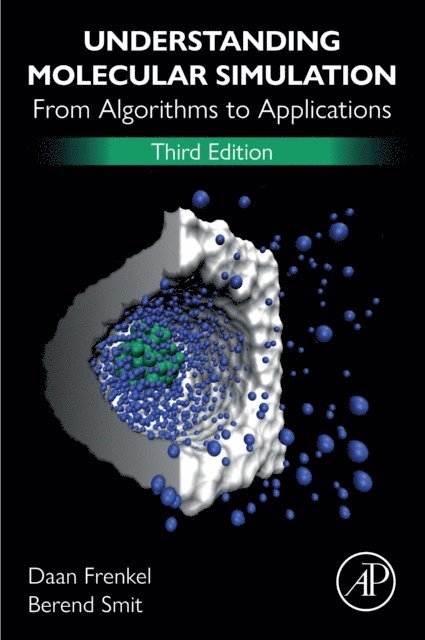
Understanding Molecular Simulation
From Algorithms to Applications
E-bok, 2023
1686 kr
Lägg i varukorg
Understanding Molecular Simulation explains molecular simulation from a chemical-physics and statistical-mechanics perspective. It highlights how physical concepts are used to develop better algorithms and expand the range of applicability of simulations. Understanding Molecular Simulation is …
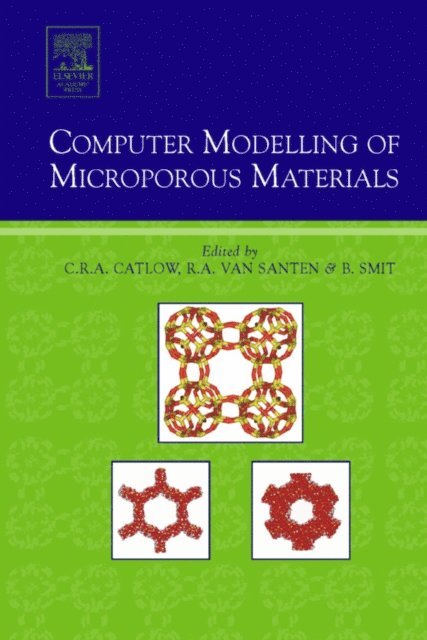
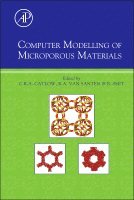
Computer Modelling of Microporous Materials
Av R.A. van Santen, Berend Smit m. fl.
E-bok, 2004
2282 kr
Lägg i varukorg
Microporous materials, including both zeolites and aluminophosphates are amongst the most fascinating classes of materials, with wide ranging important applications in catalysis, gas separation and ion exchange. The breadth of the field has, moreover, been extended in the last ten years by the …
Understanding Molecular Simulation
From Algorithms to Applications
E-bok, 2001
1011 kr
Lägg i varukorg
Understanding Molecular Simulation: From Algorithms to Applications explains the physics behind the "recipes" of molecular simulation for materials science. Computer simulators are continuously confronted with questions concerning the choice of a particular technique for a given application. A wide …
Computer Modelling of Microporous Materials
Av Richard Catlow, Berend Smit m. fl.
Inbunden, 2004
2189 kr
Lägg i varukorg
Microporous materials, including both zeolites and aluminophosphates are amongst the most fascinating classes of materials, with wide ranging important applications in catalysis, gas separation and ion exchange. The breadth of the field has, moreover, been extended in the last ten years by the …
Understanding Molecular Simulation
From Algorithms to Applications
Häftad, 2023
1187 kr
Lägg i varukorg
Understanding Molecular Simulation explains molecular simulation from a chemical-physics and statistical-mechanics perspective. It highlights how physical concepts are used to develop better algorithms and expand the range of applicability of simulations. Understanding Molecular Simulation is …
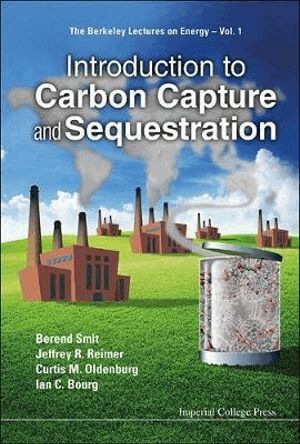
INTRODUCTION TO CARBON CAPTURE AND SEQUESTRATION
Av Berend Smit, Jeffrey A Reimer m. fl.
Inbunden, 2014
1889 kr
Lägg i varukorg
The aim of the book is to provide an understanding of the current science underpinning Carbon Capture and Sequestration (CCS) and to provide students and interested researchers with sufficient background on the basics of Chemical Engineering, Material Science, and Geology that they can understand …
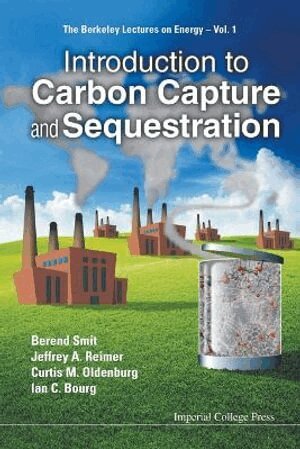
INTRODUCTION TO CARBON CAPTURE AND SEQUESTRATION
Av Berend Smit, Jeffrey A Reimer m. fl.
Häftad, 2014
1040 kr
Lägg i varukorg
The aim of the book is to provide an understanding of the current science underpinning Carbon Capture and Sequestration (CCS) and to provide students and interested researchers with sufficient background on the basics of Chemical Engineering, Material Science, and Geology that they can understand …