Bernadine Barnes – författare
Visar alla böcker från författaren Bernadine Barnes. Handla med fri frakt och snabb leverans.
4 produkter
4 produkter
2 275 kr
Skickas inom 10-15 vardagar
In seeing printed reproductions as a form of response to Michelangelo's work, Bernadine Barnes focuses on the choices that printmakers and publishers made as they selected which works would be reproduced and how they would be presented to various audiences. Six essays set the reproductions in historical context, and consider the challenges presented by works in various media and with varying degrees of accessibility, while a seventh considers how published verbal descriptions competed with visual reproductions. Rather than concentrating on the intentions of the artist, Barnes treats the prints as important indicators of the use of, and public reaction to, Michelangelo's works. Emphasizing reception and the construction of history, her approach adds to the growing body of scholarship on print culture in the Renaissance. The volume includes a comprehensive checklist organized by the work reproduced.
858 kr
Skickas inom 10-15 vardagar
In seeing printed reproductions as a form of response to Michelangelo's work, Bernadine Barnes focuses on the choices that printmakers and publishers made as they selected which works would be reproduced and how they would be presented to various audiences. Six essays set the reproductions in historical context, and consider the challenges presented by works in various media and with varying degrees of accessibility, while a seventh considers how published verbal descriptions competed with visual reproductions. Rather than concentrating on the intentions of the artist, Barnes treats the prints as important indicators of the use of, and public reaction to, Michelangelo's works. Emphasizing reception and the construction of history, her approach adds to the growing body of scholarship on print culture in the Renaissance. The volume includes a comprehensive checklist organized by the work reproduced.
192 kr
Tillfälligt slut
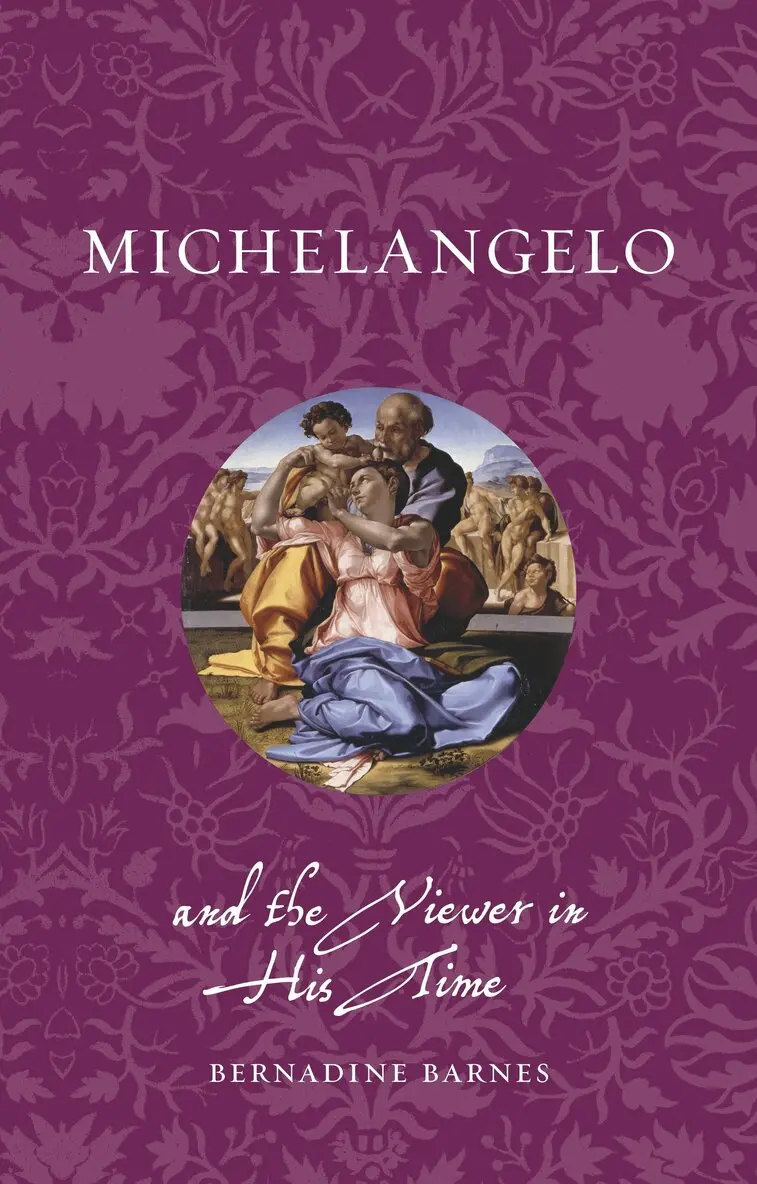
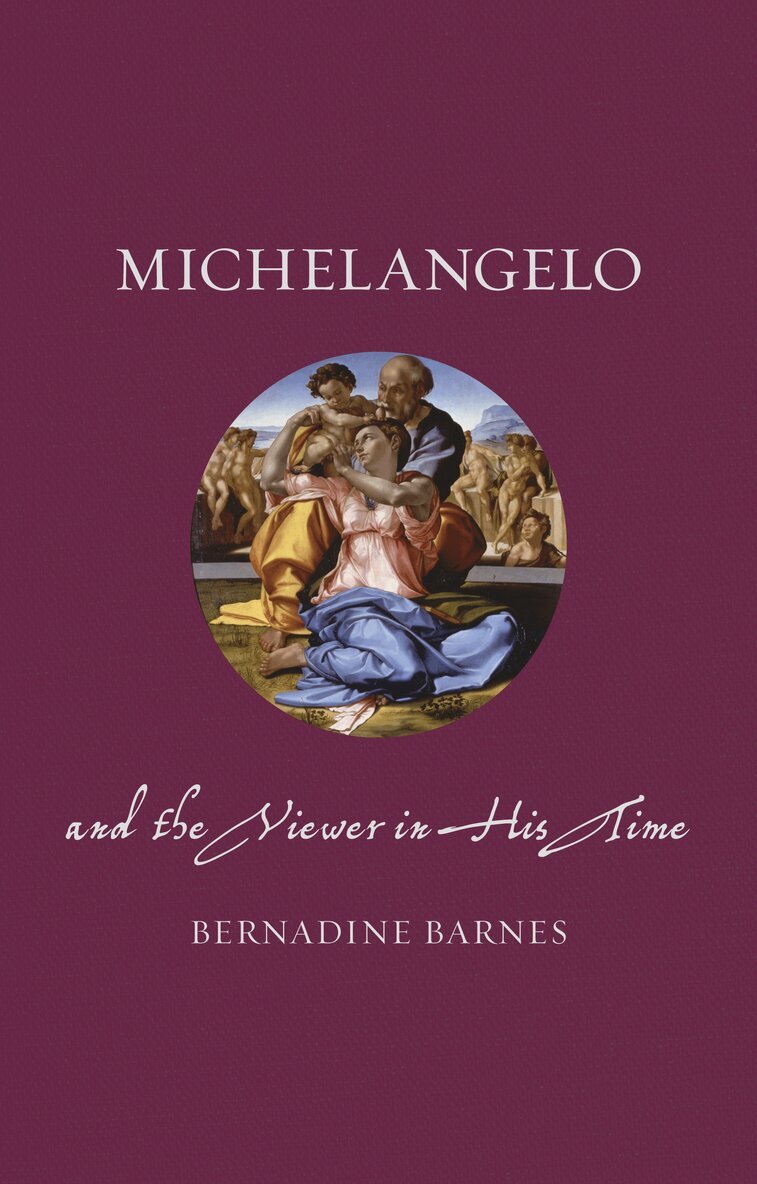
Today Michelangelo’s painting and sculpture is seen most often in museums, while his architectural designs have been left incomplete or modified by others so that some are barely recognizable. But his art was made to be viewed in churches, homes and political settings, by people who brought their own needs and expectations to his work. Paintings and sculptures were rarely seen in isolation; instead they were seen as part of rituals and ceremonies. Viewers of Michelangelo’s time would experience the work under specific lighting conditions and from particular positions. They would move through spaces and past sculpture, and they might make comparisons to other objects nearby.In this engaging book, Bernadine Barnes brings together new research to show how Michelangelo’s art was seen in its own time. The original setting is reconstructed for works that have been moved, modified or left incomplete. Michelangelo’s consideration of his audience changed throughout his career: sometimes he produced work for conventional religious settings, and at other times he was given unprecedented freedom by open-minded patrons. This book brings the viewer back into the development of Michelangelo’s work, and gives emphasis to the differences between viewers in specific settings.Michelangelo lived in a time when the development of prints and published art criticism changed the nature of the viewing public in ways that foreshadow our own media culture. This book encourages today’s viewers to take a fresh look at Michelangelo’s work.
166 kr
Skickas
In this engaging account, now in paperback, Bernadine Barnes uses new research to show how Michelangelo’s art was seen in its own time. The original setting is reconstructed for works that have been moved, modified or left incomplete. Michelangelo’s consideration of his audience changed throughout his career: sometimes he produced work for conventional religious settings and at other times he was given unprecedented freedom by open-minded patrons. This book brings the viewer back into the development of Michelangelo’s work and gives emphasis to the differences between viewers in specific settings.Michelangelo lived in a time when the development of prints and published art criticism changed the nature of the viewing public in ways that foreshadow our own media culture. This book encourages today’s viewers to take a fresh look at Michelangelo’s work.