Bernard A. Wood – författare
Visar alla böcker från författaren Bernard A. Wood. Handla med fri frakt och snabb leverans.
13 produkter
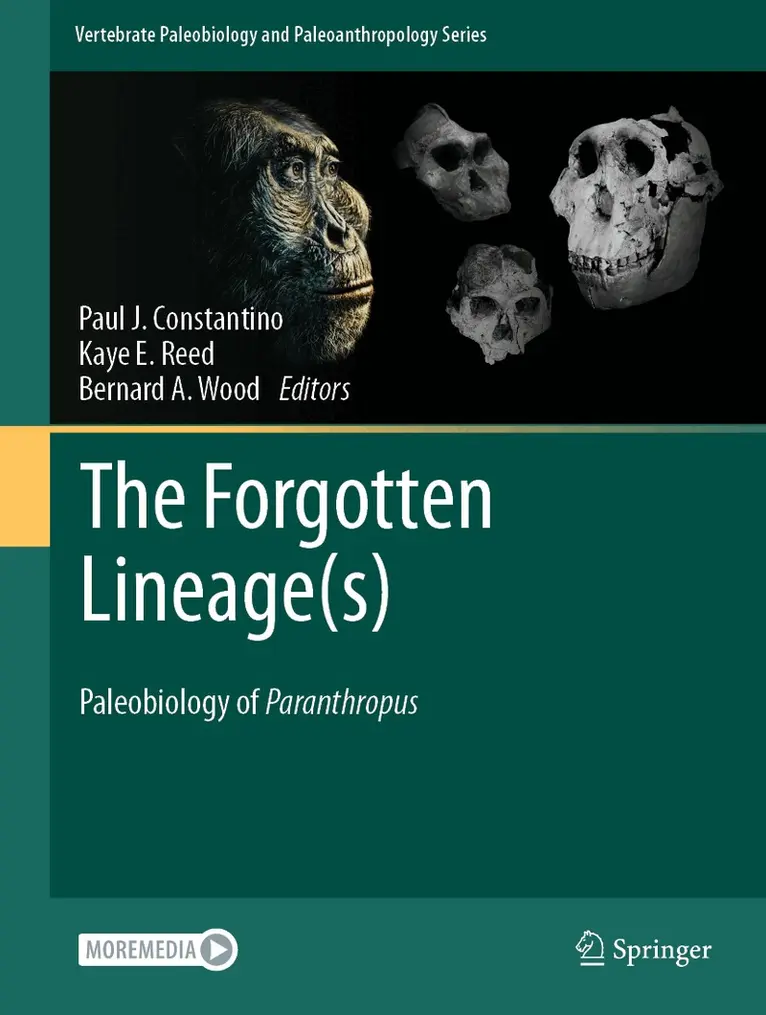
Forgotten Lineage(s)
Paleobiology of Paranthropus
Av Paul J. Constantino, Kaye E. Reed m. fl.
Inbunden, 2026
1344 kr
Lägg i varukorg
This volume brings together an international roster of scientists, many of which have spent their careers researching the fossil evidence for, and the context of, the taxa that are conventionally subsumed within the genus Paranthropus, to present and synthesize the latest research about the …
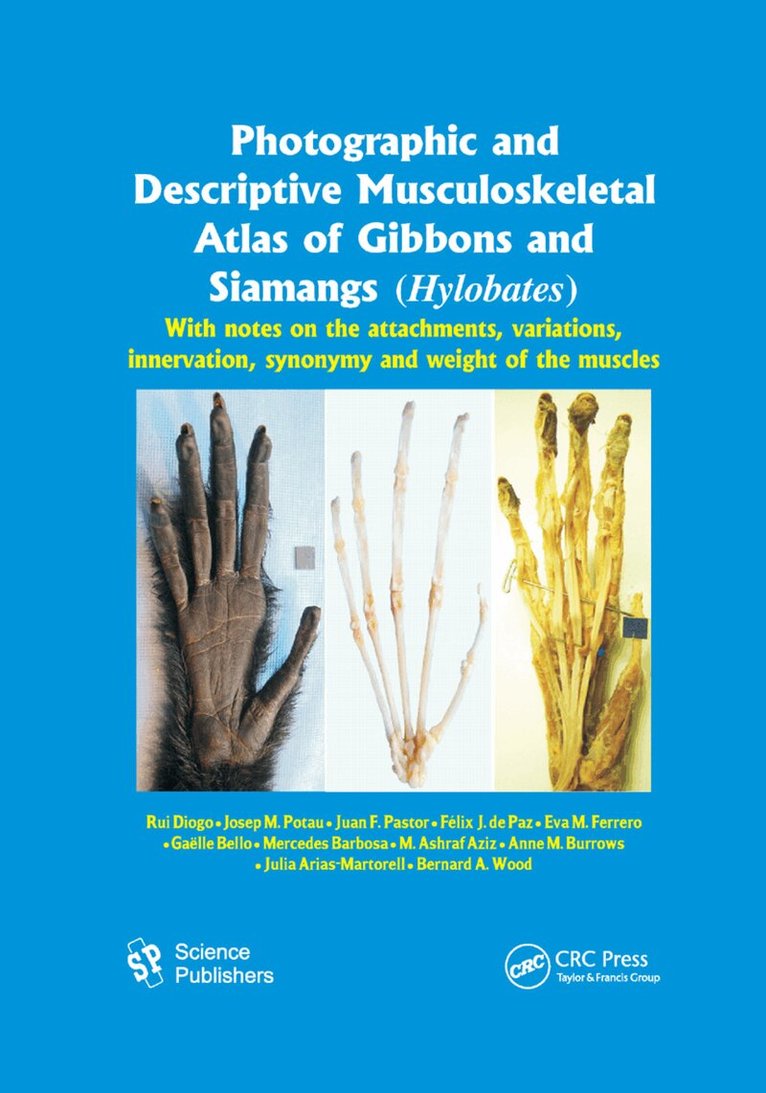
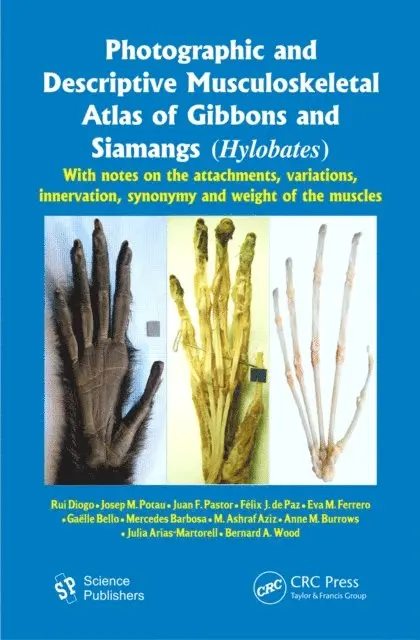
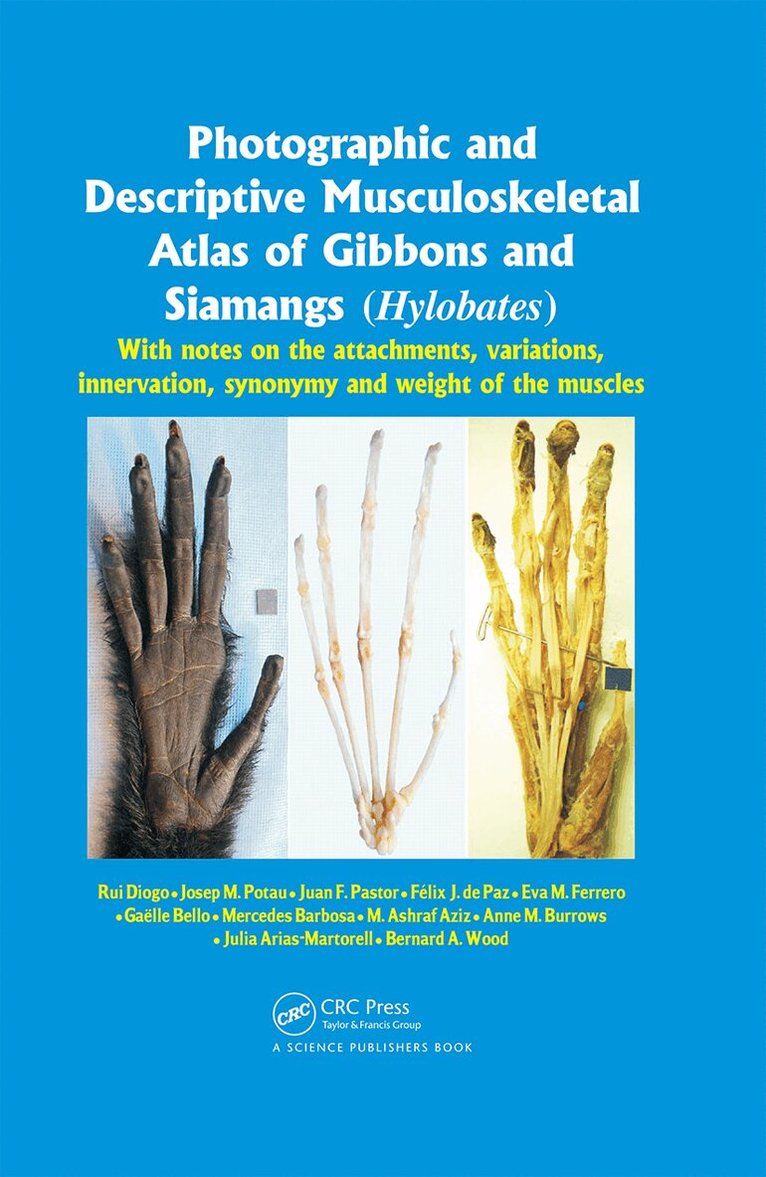
Photographic and Descriptive Musculoskeletal Atlas of Gibbons and Siamangs (Hylobates)
With Notes on the Attachments, Variations, Innervation, Synonymy and Weight of the Muscles
Av Rui Diogo, Josep M. Potau m. fl.
Häftad, 2019
1069 kr
Lägg i varukorg
This book is the first photographic and descriptive musculoskeletal atlas of Hylobates, and adopts the same format as the photographic atlas of Gorilla published by the same authors in 2010. These two books are part of a series of monographs that will set out the comparative and phylogenetic …
Major Topics in Primate and Human Evolution
Av Bernard A. Wood, Lawrence B. Martin m. fl.
Häftad, 2009
732 kr
Lägg i varukorg
The fragmentary fossil record of primates and hominids has generated fundamental, and often well publicised, differences of opinion about their evolution. The objective of this book, based upon a joint symposium of the Anatomical Society and Primate Society of Great Britain, is to present a review …
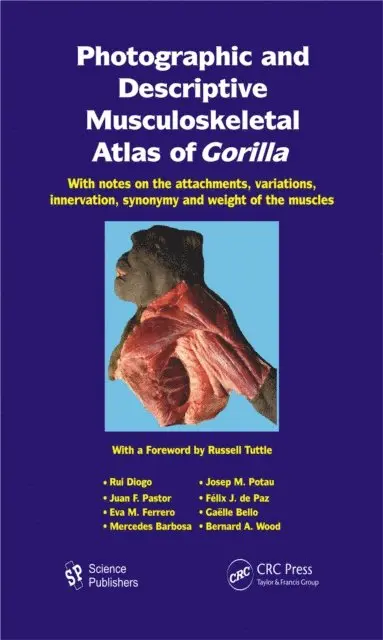
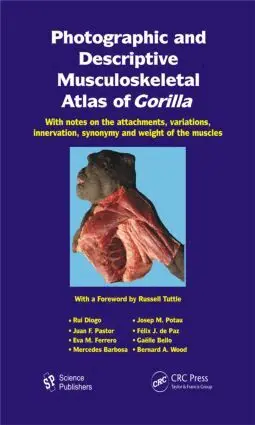
Photographic and Descriptive Musculoskeletal Atlas of Gorilla
With Notes on the Attachments, Variations, Innervation, Synonymy and Weight of the Muscles
Av Rui Diogo, Josep M. Potau m. fl.
Häftad, 2017
1288 kr
Lägg i varukorg
Even though the gorilla is our closest living relative, information about its anatomy, and particularly its musculature, is scarce. This book is the first photographic and descriptive musculoskeletal atlas of the gorilla. It includes high-quality photographs of musculoskeletal structures from most …
Photographic and Descriptive Musculoskeletal Atlas of Gorilla
With Notes on the Attachments, Variations, Innervation, Synonymy and Weight of the Muscles
Av Bernard A. Wood, Mercedex Barbosa m. fl.
E-bok, 2010
1569 kr
Lägg i varukorg
Even though the gorilla is our closest living relative, information about its anatomy, and particularly its musculature, is scarce. This book is the first photographic and descriptive musculoskeletal atlas of the gorilla. It includes high-quality photographs of musculoskeletal structures from most …
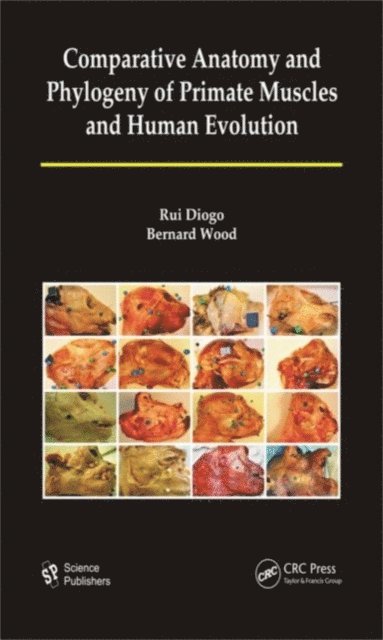
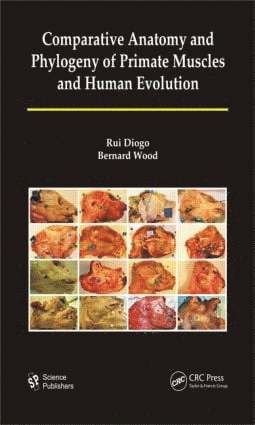
Comparative Anatomy and Phylogeny of Primate Muscles and Human Evolution
E-bok, 2012
4848 kr
Lägg i varukorg
This book challenges the assumption that morphological data are inherently unsuitable for phylogeny reconstruction, argues that both molecular and morphological phylogenies should play a major role in systematics, and provides the most comprehensive review of the comparative anatomy, homologies and …
Photographic and Descriptive Musculoskeletal Atlas of Gibbons and Siamangs (Hylobates)
With Notes on the Attachments, Variations, Innervation, Synonymy and Weight of the Muscles
Av Bernard A. Wood, Julia Arias-Martorell m. fl.
E-bok, 2012
1239 kr
Lägg i varukorg
This book is the first photographic and descriptive musculoskeletal atlas of Hylobates, and adopts the same format as the photographic atlas of Gorilla published by the same authors in 2010. These two books are part of a series of monographs that will set out the comparative and phylogenetic …
Food Acquisition and Processing in Primates
Av Alan Bilsborough, Bernard A. Wood m. fl.
E-bok, 2013
1459 kr
Lägg i varukorg
This book results from a two-day symposium and three-day workshop held in Cambridge between March 22nd and March 26th 1982 and sponsored by the Primate Society of Great Britain and the Anatomical Society of Great Britain and Ireland. More than 100 primatologists attended the symposium and some 35 …
Food Acquisition and Processing in Primates
Av David J. Chivers, Bernard A. Wood m. fl.
Häftad, 2013
1095 kr
Lägg i varukorg
This book results from a two-day symposium and three-day workshop held in Cambridge between March 22nd and March 26th 1982 and sponsored by the Primate Society of Great Britain and the Anatomical Society of Great Britain and Ireland. More than 100 primatologists attended the symposium and some 35 …
Photographic and Descriptive Musculoskeletal Atlas of Gorilla
With Notes on the Attachments, Variations, Innervation, Synonymy and Weight of the Muscles
Av Rui Diogo, Josep M. Potau m. fl.
Inbunden, 2010
3520 kr
Lägg i varukorg
Even though the gorilla is our closest living relative, information about its anatomy, and particularly its musculature, is scarce. This book is the first photographic and descriptive musculoskeletal atlas of the gorilla. It includes high-quality photographs of musculoskeletal structures from most …
Comparative Anatomy and Phylogeny of Primate Muscles and Human Evolution
Inbunden, 2012
4217 kr
Lägg i varukorg
This book challenges the assumption that morphological data are inherently unsuitable for phylogeny reconstruction, argues that both molecular and morphological phylogenies should play a major role in systematics, and provides the most comprehensive review of the comparative anatomy, homologies and …
Photographic and Descriptive Musculoskeletal Atlas of Gibbons and Siamangs (Hylobates)
With Notes on the Attachments, Variations, Innervation, Synonymy and Weight of the Muscles
Av Rui Diogo, Josep M. Potau m. fl.
Inbunden, 2012
3055 kr
Lägg i varukorg
This book is the first photographic and descriptive musculoskeletal atlas of Hylobates, and adopts the same format as the photographic atlas of Gorilla published by the same authors in 2010. These two books are part of a series of monographs that will set out the comparative and phylogenetic …
Forgotten Lineage(s)
Paleobiology of Paranthropus
Av Bernard A. Wood, Kaye E. Reed m. fl.
E-bok, 2026
1634 kr
Lägg i varukorg
This volume brings together an international roster of scientists, many of which have spent their careers researching the fossil evidence for, and the context of, the taxa that are conventionally subsumed within the genus Paranthropus, to present and synthesize the latest research about the …