Bernard Edwards – författare
Visar alla böcker från författaren Bernard Edwards. Handla med fri frakt och snabb leverans.
25 produkter
25 produkter
Inbunden, Engelska, 2022
211 kr
Skickas
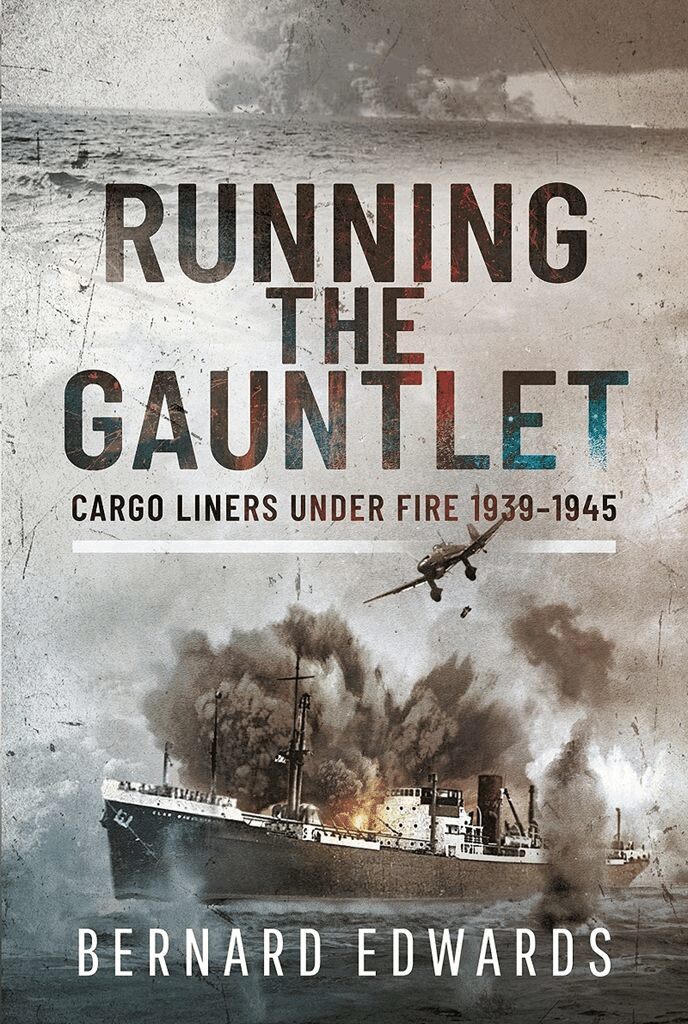
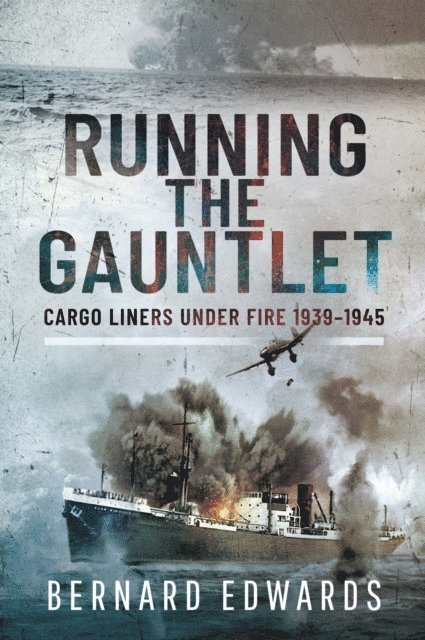
The British Merchant Navy dominated the world trade routes in the years leading up to the Second World War. The star players of the fleet were the cargo liners, faster and larger than the tramps and offering limited passenger accommodation. On the outbreak of war these cargo liners became crucial to the nation's survival using their speed and expertise to evade Nazi warships, raiders and U-boats.Initially operating alone, but increasingly relying on Royal Navy protected convoys, these key elements of the Merchant Navy plied the oceans and seas despite mounting losses, throughout the war years.This superbly researched book describes numerous dramatic incidents. Some ended in disaster such as the New Zealand Shipping Company's Turakina which was sunk after a running battle with the German raider Orion. Others were triumphs for example Operation Substance when six fast cargo liners succeeded against all the odds in reaching besieged Malta with vital supplies.The common denominations in all these historic voyages were the courage and skilled seamanship of the Merchant Navy crews. As Running The Gauntlet vividly illustrates, their contribution to victory, too long overlooked, cannot be overstated.
Inbunden, Engelska, 2023
211 kr
Skickas
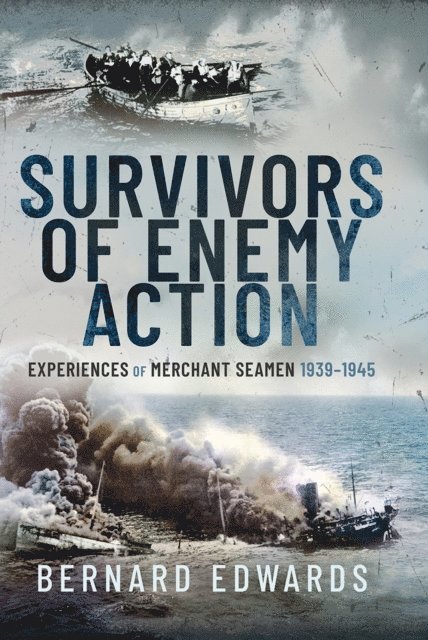
The war years 1939 - 1945 were the most perilous in the long history of the British Merchant Navy. The figures speak for themselves. With 2,535 ships sunk and 36,749 merchant seamen lost, the proportional casualty rate was higher than any branch of the Armed Forces except for Bomber Command.The danger to the lightly armed merchant ships came from enemy air attacks, surface warships, raiders and, of course submarines. Prisoners were seldom taken so the crews of stricken vessels had to fend for themselves. Those who survived enemy action faced death by drowning, exposure and lack of food and water.Compiled mainly from experiences related direct to the author, this inspiring book draws on first-hand accounts of the lucky few who survived. With extraordinary honesty and modesty their stories describe the events leading up to the enemy attack, the actions and the aftermath.Readers will be struck by the courage and fortitude of these men who often suffered extreme hardship and privation. Too many died before reaching land or being rescued. These men are without doubt the unsung heroes of the Second World War and this fine book is an overdue recognition of their sacrifices and courage.
E-bok
Engelska, 2022156 kr
Läs direkt efter köp
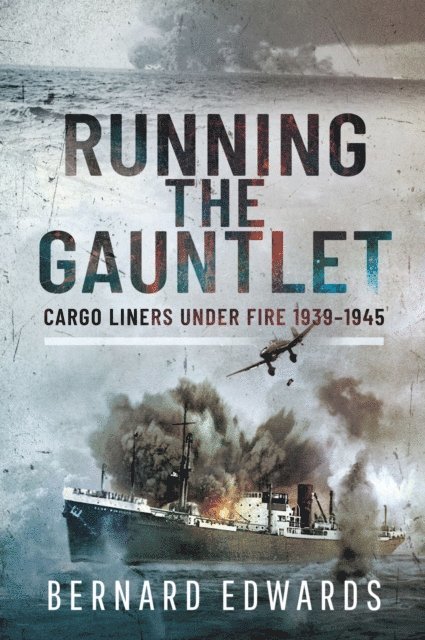
The British Merchant Navy dominated the world trade routes in the years leading up to the Second World War. The star players of the fleet were the cargo liners, faster and larger than the tramps and offering limited passenger accommodation. On the outbreak of war these cargo liners became crucial to the nation’s survival using their speed and expertise to evade Nazi warships, raiders and U-boats. Initially operating alone, but increasingly relying on Royal Navy protected convoys, these key elements of the Merchant Navy plied the oceans and seas despite mounting losses, throughout the war years. This superbly researched book describes numerous dramatic incidents. Some ended in disaster such as the New Zealand Shipping Company’s Turakina which was sunk after a running battle with the German raider Orion. Others were triumphs for example Operation Substance when six fast cargo liners succeeded against all the odds in reaching besieged Malta with vital supplies. The common denominations in all these historic voyages were the courage and skilled seamanship of the Merchant Navy crews. As Running The Gauntlet vividly illustrates, their contribution to victory, too long overlooked, cannot be overstated.
E-bok
PDF, Engelska, 2022156 kr
Läs direkt efter köp
The British Merchant Navy dominated the world trade routes in the years leading up to the Second World War. The star players of the fleet were the cargo liners, faster and larger than the tramps and offering limited passenger accommodation. On the outbreak of war these cargo liners became crucial to the nation’s survival using their speed and expertise to evade Nazi warships, raiders and U-boats. Initially operating alone, but increasingly relying on Royal Navy protected convoys, these key elements of the Merchant Navy plied the oceans and seas despite mounting losses, throughout the war years. This superbly researched book describes numerous dramatic incidents. Some ended in disaster such as the New Zealand Shipping Company’s Turakina which was sunk after a running battle with the German raider Orion. Others were triumphs for example Operation Substance when six fast cargo liners succeeded against all the odds in reaching besieged Malta with vital supplies. The common denominations in all these historic voyages were the courage and skilled seamanship of the Merchant Navy crews. As Running The Gauntlet vividly illustrates, their contribution to victory, too long overlooked, cannot be overstated.
E-bok
Engelska, 2021123 kr
Läs direkt efter köp
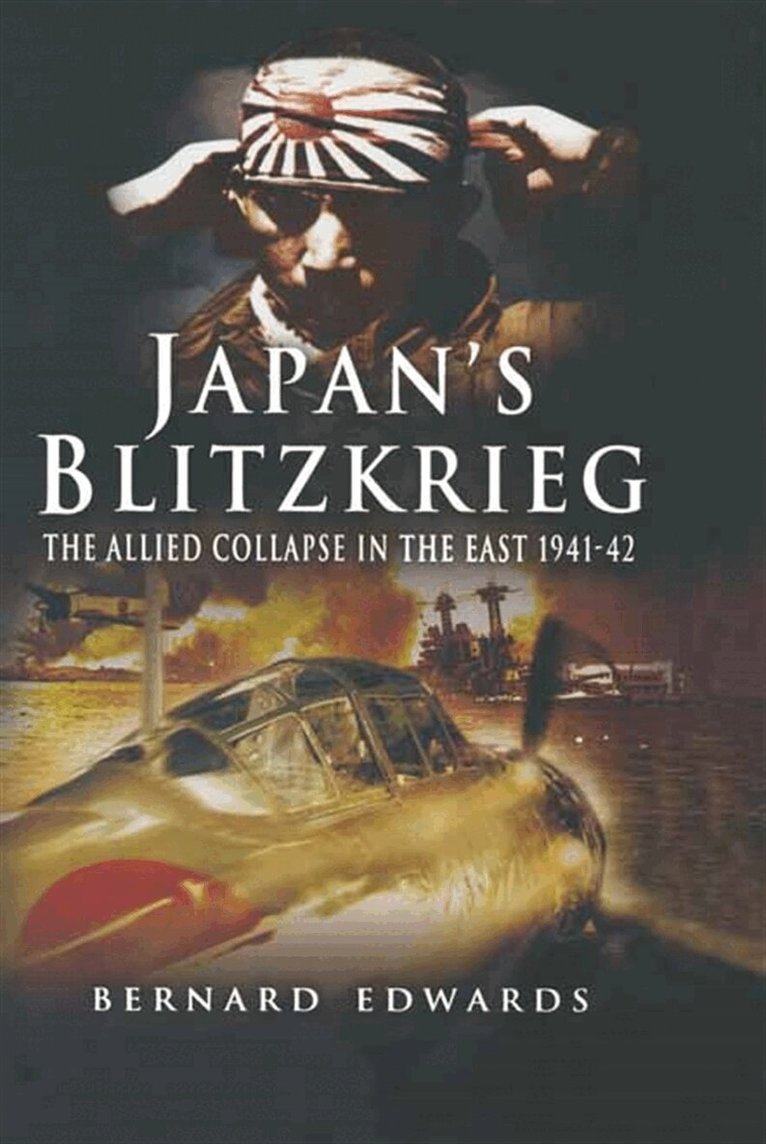
Early on the morning of 7 December 1941, 360 Japanese carrier-borne aircraft made a surprise attack on the US naval base at Pearl Harbor, and laid waste to the American Far East Fleet. They sank four battleships, crippled three cruisers and three destroyers, and seriously damaged two other battleships. One hundred and sixty-four planes were destroyed and 2,403 servicemen and civilians were killed. All for the loss of twenty-nine Japanese aircraft and fifty-five men. Two days later, the British battleships Prince of Wales and Repulse, were sunk by Japanese torpedo bombers as they raced north to intercept an enemy invasion force heading for Malaya. In these two bold forays, the Japanese had successfully emasculated Allied naval power in the East. There now remained no big guns afloat anywhere in the Pacific and Indian oceans capable of opposing Admiral Yamamoto's ships.So began Japan's blitzkrieg. The Malay peninsular was rapidly overwhelmed, Hong Kong surrendered on Christmas Day, Manila went the same way on the 31st, and on 15 February 1942, in one of the most ignominious defeats in modern warfare, 85,000 British troops laid down their arms, and the vital base of Singapore was in Japanese hands. Thereafter, the rays of the Rising Sun spread ever outwards, overrunning island after island, until even Australia was threatened. The book tells how the Dutch Spice Islands, Java and Sumatra, became a last refuge for those fleeing before the Japanese whirlwind advance, and it was from here that the remaining Allied merchant ships in the area made their bid for freedom carrying hundreds of refugees. For many of these ships it was to be their last voyage
E-bok
Engelska, 2021124 kr
Läs direkt efter köp
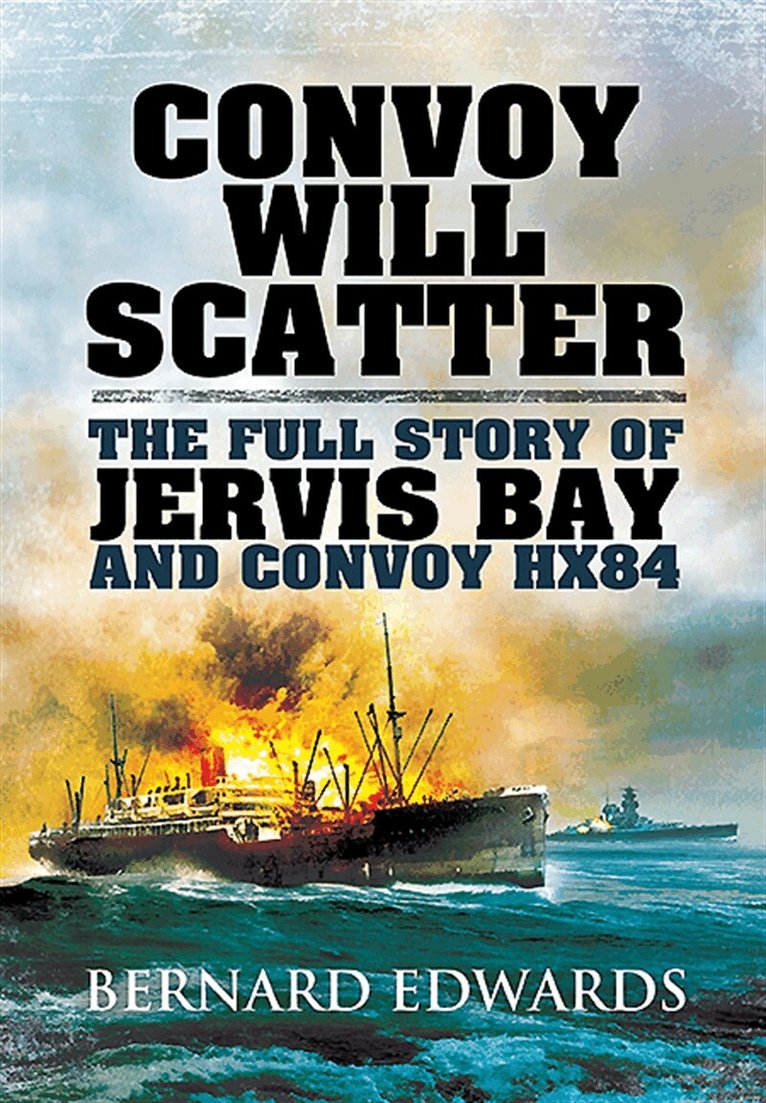
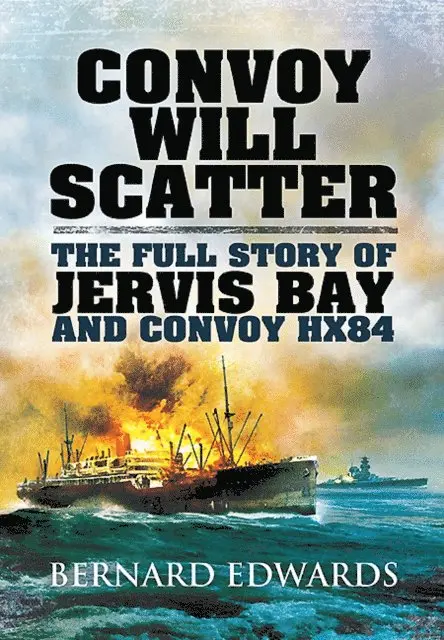
On 5 November, 1940 the eastbound convoy HX 84 of thirty-seven merchant ships, escorted by the armed merchant cruiser HMS Jervis Bay, was attacked in mid-Atlantic by the German pocket battleship Admiral Scheer. The Jervis Bay, commanded by Captain Edward Fegen, charged at the enemy. Hopelessly out-gunned, she was blown out of the water by the Scheer's 11-inch guns.
Meanwhile, led by HX 84's commodore ship, the Cardiff tramp Cornish City, the merchantmen scattered under the cover of a smoke screen, were picked off one by one by the radar-equipped Admiral Scheer.
Captain Hugh Pettigrew, commanding the highly armed Canadian Pacific cargo liner Beaverford, began a desperate game of hide and seek with the Scheer, which continued until Beaverford was sunk with no survivors. Thanks to this sacrifice, incredibly only four other merchantmen were sunk.
Later the neutral flag Swedish freighter Stureholm, commanded by Captain Olander, picked up survivors from the Jervis Bay. Without this brave and dangerous gesture no one would have lived to tell the tale of the death throes of the Jervis Bay, whose Captain was awarded the VC.
Sadly, the history books only mention the Beaverford and the Stureholm in passing. This thrilling book puts the record straight.
E-bok
PDF, Engelska, 201328 kr
Läs direkt efter köp
A naval historian reveals the full story of the HMS Jervis Bay and the merchant ships that valiantly saved lives during the WWII Battle of the Atlantic. On November 5th, 1940, the thirty-eight merchant ships of Convoy HX84 were making their way across the North Atlantic, escorted by the armed cruiser HMS Jervis Bay. In mid-ocean, they were attacked by the German pocket battleship Admiral Scheer. Though the Jervis Bay charged at the enemy, she was hopelessly outgunned. Within twenty-two minutes, the ship was destroyed. Meanwhile, the merchantmen scattered under the cover of a smokescreen. But the radar-equipped Admiral Scheer was still capable of picking them off one at a time. Captain Hugh Pettigrew, commanding the highly armed Canadian Pacific cargo liner SS Beaverford, began a desperate game of hide and seek with the Scheer, which continued until the Beaverford was sunk with no survivors. Thanks to this sacrifice, thirty-three merchantmen were able to escape. Later the neutral flag Swedish freighter Stureholm, commanded by Captain Olander, picked up survivors from the Jervis Bay. While Jervis Bay's Captain Edward Fegen was rightly awarded the Victoria Cross for his bravery and sacrifice, the history books only mention the Beaverford and the Stureholm in passing. This thrilling book puts the record straight.
E-bok
Engelska, 2021123 kr
Läs direkt efter köp
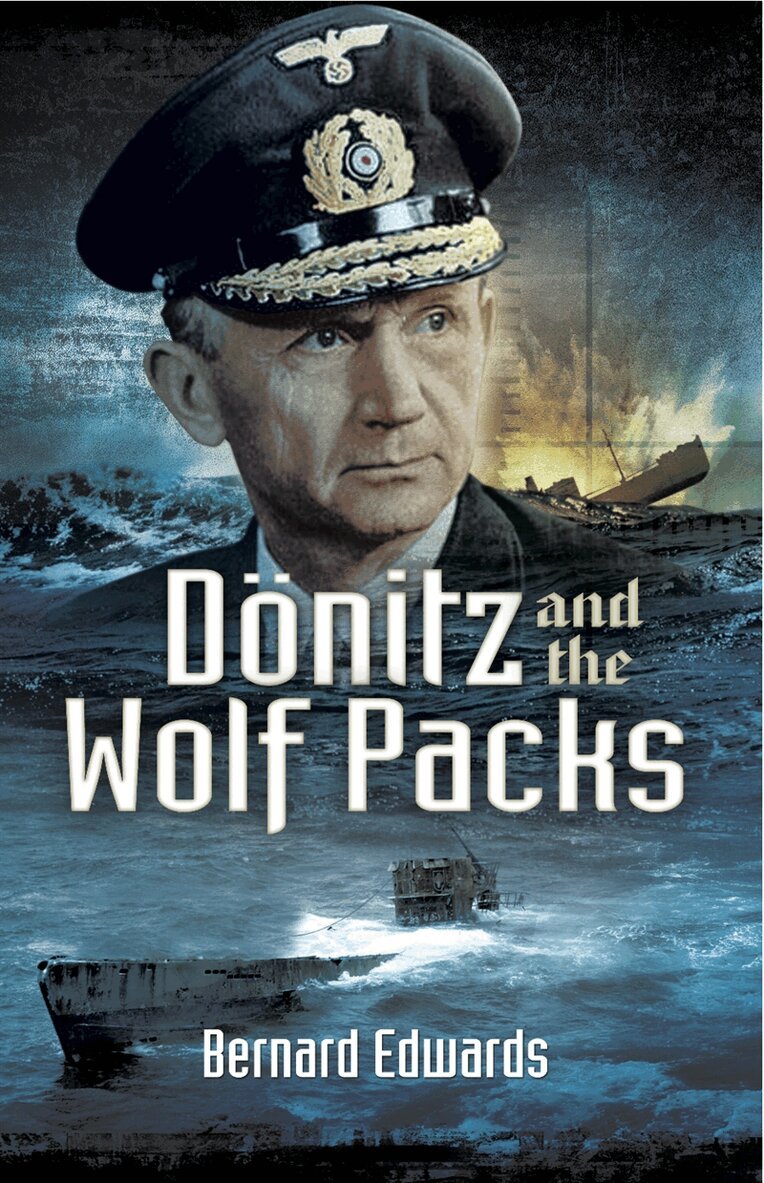
On 17 September 1942 Admiral Karl Donitz, C-in-C U-boats, issued the following directive:
To all Commanders - 'All attempts to rescue members of ships sunk, therefore also fishing out swimmers and putting them into lifeboats, righting capsized lifeboats, handing out provisions and water, have to cease. Rescue contradicts the most fundamental demands of war for the annihilation of enemy ships and crews'.
This order ended what had hitherto been a war in which the opposing factions treated each other with a certain respect, seaman to seaman, showing mercy where mercy was due. It also marked the point at which the Battle of the Atlantic became a dirty war of attrition, with the U-boats hunting in packs snarling and snapping at the heels of the hard-pressed convoys. Ships began to go down like corn before the reaper, men were dying in their hundreds in the cold grey waters of the great ocean. This was a battle without quarter. A battle the U-boats would have won had it not been for the grit and determination of the convoy escorts and the unflagging resilience of the men who manned the vulnerable merchant ships.
This book faithfully records the progress of the Battle of the Atlantic, which began within hours of the declaration of war on 3 September 1939 and continued without let-up until the last torpedo was fired on the night of 7 May 1945, just one hour before Germany surrendered. The story is told from both sides of the periscope.
E-bok
Engelska, 2021123 kr
Läs direkt efter köp
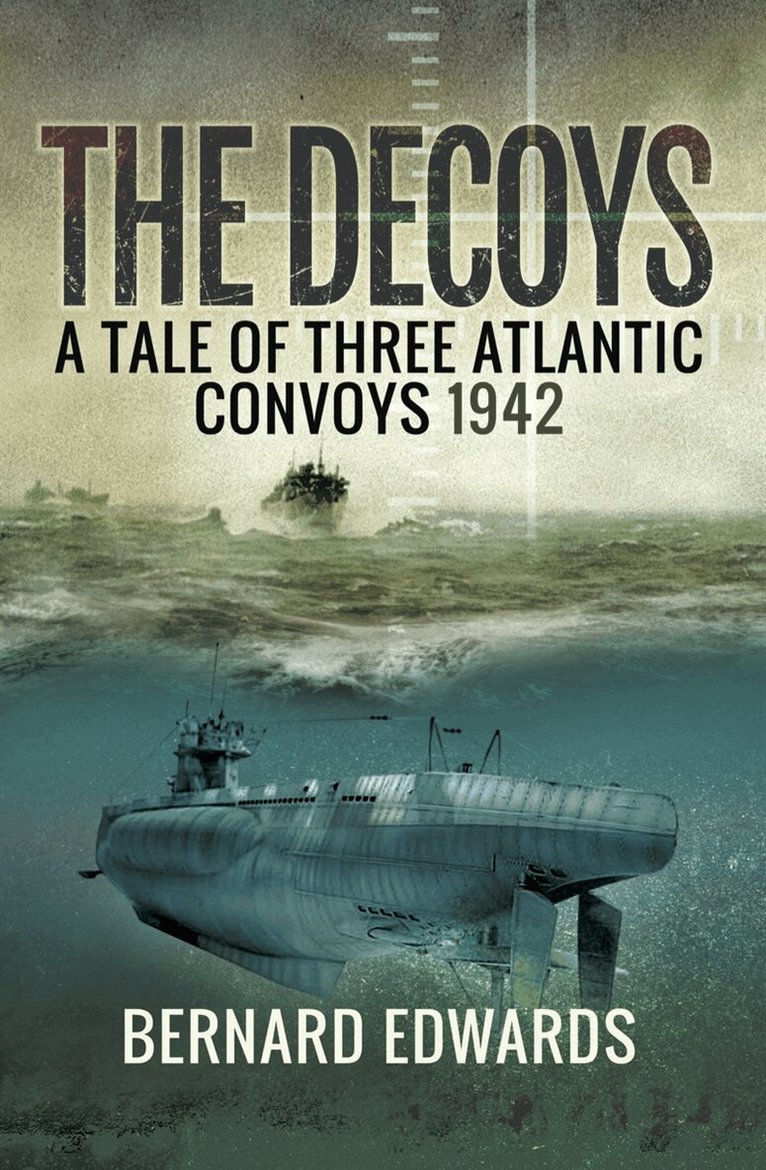
In November 1942, Britain and America launched Operation TORCH, the ambitious invasion of French North Africa. To convey 70,000 troops and their equipment required 600 merchant ships crossing the U-boat infested North Atlantic. The need for their protection meant withdrawing escorts from the routine convoys. Amongst those left without adequate defence were RB 1 and SC 107, both eastbound from America, and SL 125, northbound from Freetown. All three were at sea at the same time as the TORCH convoys.
Inbunden, Engelska, 2018
211 kr
Skickas
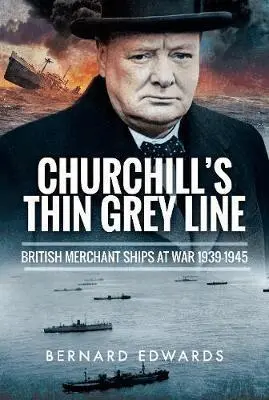
The first British casualties of the Second World War were not members of either the Royal Navy, the Army or the Royal Air Force but British merchant seamen on the liner Athenia, torpedoed by U-30 on 3 September 1939. For the duration of the War Britain's merchant fleet performed a vital role, carrying the essential supplies that kept the country running during the darkest days and then made victory possible. Their achievements came at a terrible cost with 2,535 British ocean-going merchant ships being sunk and, of the 185,000 men and women serving in the British Merchant Navy at the time, 36,749 sacrificed their lives. A further 4,707 were wounded and 5,720 ended up in prisoner of war camps. Their casualty rate of 25 percent was second only to RAF Bomber Command's. Using casebook examples, this well researched book tells the inspiring story of those brave civilian volunteers who fought so gallantly to defend their ships and the cargoes. AUTHOR: Bernard Edwards is one of the most popular and prolific authors and is well established as a front rank naval historian. His many titles include The Quiet Heroes, Twilight of the U-Boat, Japan's Blitzkrieg and, most recently, The Cruel Sea Retold. A former Merchant Navy Officer, he now lives in Gwent, South Wales.
E-bok
Engelska, 2021123 kr
Läs direkt efter köp
With their very long range, the giant Type IX U-Cruisers gave Admiral Dönitz's U-boat fleet global reach. Initially these boats operated with considerable success off the East coast of America and in the Caribbean but their main impact was in the Gulf of Guinea 1942-43 which, due to the closure of the Suez Canal, was a vital Allied supply route. Two submarines in particular (U-68 and U-505) had a profound effect causing major panic by their hugely successful operations.
E-bok
Engelska, 2021123 kr
Läs direkt efter köp
From the earliest days of the Second World War, Hitler’s U-Boats were unleashed with the mission of sinking as much Allied merchant tonnage as possible. From the sinking of the Glasgow-based ship Olivegrove by U-23, to the end of hostilities six years later officers and seamen of the Merchant Marine played a key role in winning the war by their blatant disregard of the risks from Axis forces. The most dangerous were the U-Boats working unseen but there were also surface raiders and aircraft.All too often the result was the loss of ship, cargo and, tragically, crew. But as described in this excellent book great gallantry against overwhelming odds brought rewards and surprising results.We learn of acts of both chivalry and brutal activity by the enemy.The actions described in this book are varied but always make for excellent reading.
E-bok
Engelska, 2021123 kr
Läs direkt efter köp
The men of Britain's Merchant Navy, although unarmed civilians going about their lawful business were the first to be involved with the enemy in the Second World War. Less than nine hours after the declaration of war on 3 September 1939, the Donaldson liner Athenia was sunk without warning by a German U-boat off the west coast of Ireland. From that moment onwards, British merchant seamen were constantly in the front line in all quarters of the globe. For almost six years they faced, without flinching, their own private hell of torpedoes, bombs, shells and mines, all the while fending off their old arch-enemy, the sea. Sorely pressed, and often tired near to death, they kept open Britain's tenuous lifelines, bringing millions of tons of raw materials, food, oil, arms and ammunition, without which the country could not have survived. As always, their spirit was indomitable, their professionalism unchallenged. The price they paid for their bravery and dedication was horrendous: 2,246 ships lost, 29,180 men killed, and countless hundreds maimed and wounded. This book tells the story of just a few of these quiet heroes.
E-bok
PDF, Engelska, 200814 kr
Läs direkt efter köp
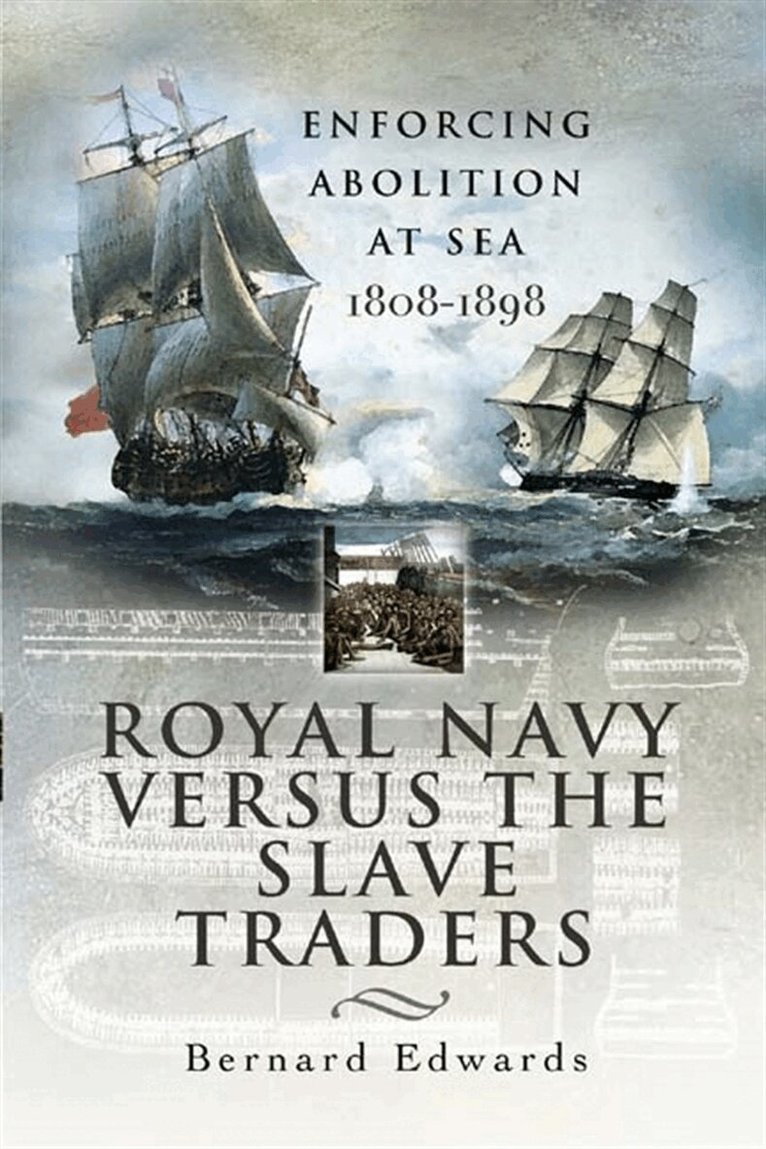
The acclaimed naval historian sheds significant light on the Royal Navy's role in fighting the African slave trade through years of bitter battle at sea. On March 16th, 1807, the British Parliament passed The Abolition of the Slave Trade Act. The following year, the Royal Navy's West African Squadron was formed for the purpose of stopping and searching ships at sea suspected of carrying enslaved people. But with typical thoroughness, the Royal Navy took the fight to the enemy, sailing boldly up uncharted rivers and creeks to attack the barracoon's where slave traders prepared their shipments. For much of its long campaign against the evil of slavery, Britain's Navy fought alone and unrecognized. Its enemies were many and formidable. Ranged against it were the African chiefs, who sold their own people into slavery, and the slave ships of the rest of the world, heavily armed, and prepared to do battle to protect their right to traffic in so-called "e;black ivory."e;
E-bok
Engelska, 2021123 kr
Läs direkt efter köp
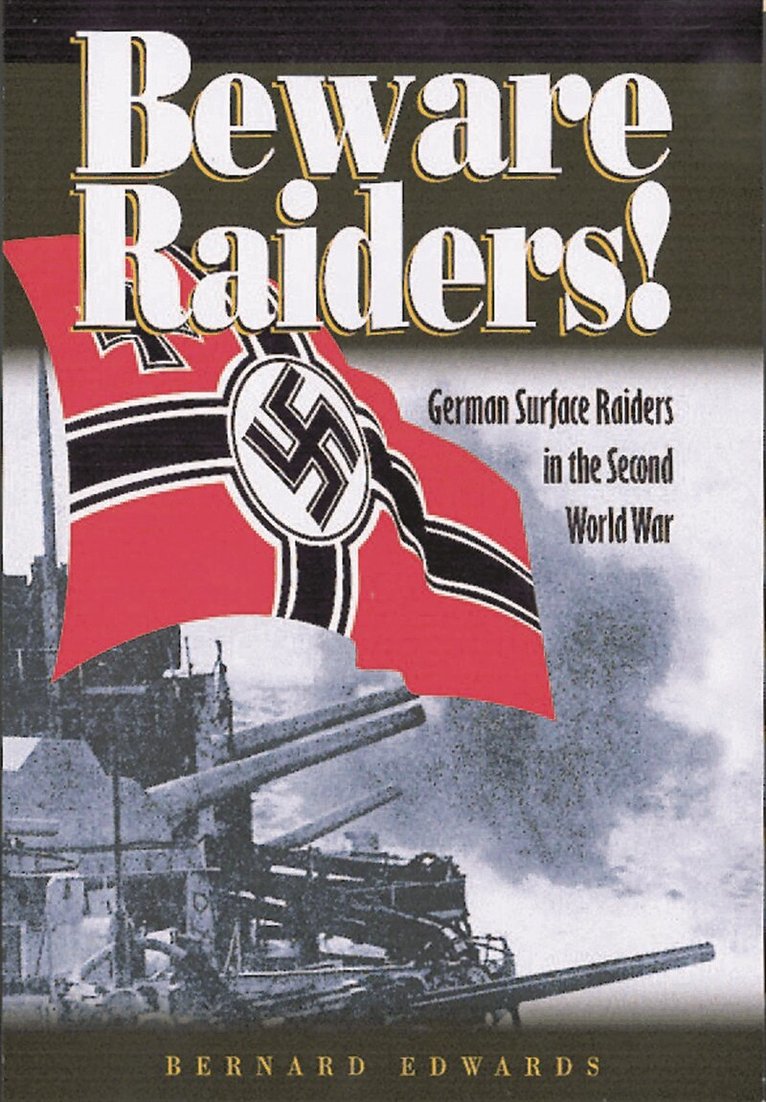
This is the fascinating story of two German surface raiders and the havoc they caused amongst Allied shipping in World War II. One was the 8-inch gun cruiser Admiral Hipper, fast, powerful and Navy-manned: the other a converted merchant man, Hansa Line's Kandelfels armed with a few old 5.9s manned largely by reservists, and sailing under the nom de guerre of Pinguin. Contrary to all expectations, the amateur man-of-war reaped a rich harvest and went out in a blaze of glory. Her purpose-built sister, on the other hand, was hard-pressed even to make her mark on the war and ended her days in ignominy.The author emphasizes the striking contrast between the conduct of Ernst Kruder, captain of the Pinguin, whose concern it was to cause as little loss of life as possible, and the callous Captain Meisel of the Admiral Hipper, who has scant regard for the lives of the men whose ships he had sunk.Captain Edwards describes in detail Kruder's most audacious coup, the capture, rather than the sinking, of the entire Norwegian Antarctic whaling fleet, which he calls '"a disaster of major proportions". Equally disastrous was the havoc wreaked upon convoys HG53 and SLS 64 by the Admiral Hipper in the North Atlantic in February 1941.
E-bok
Engelska, 2021123 kr
Läs direkt efter köp
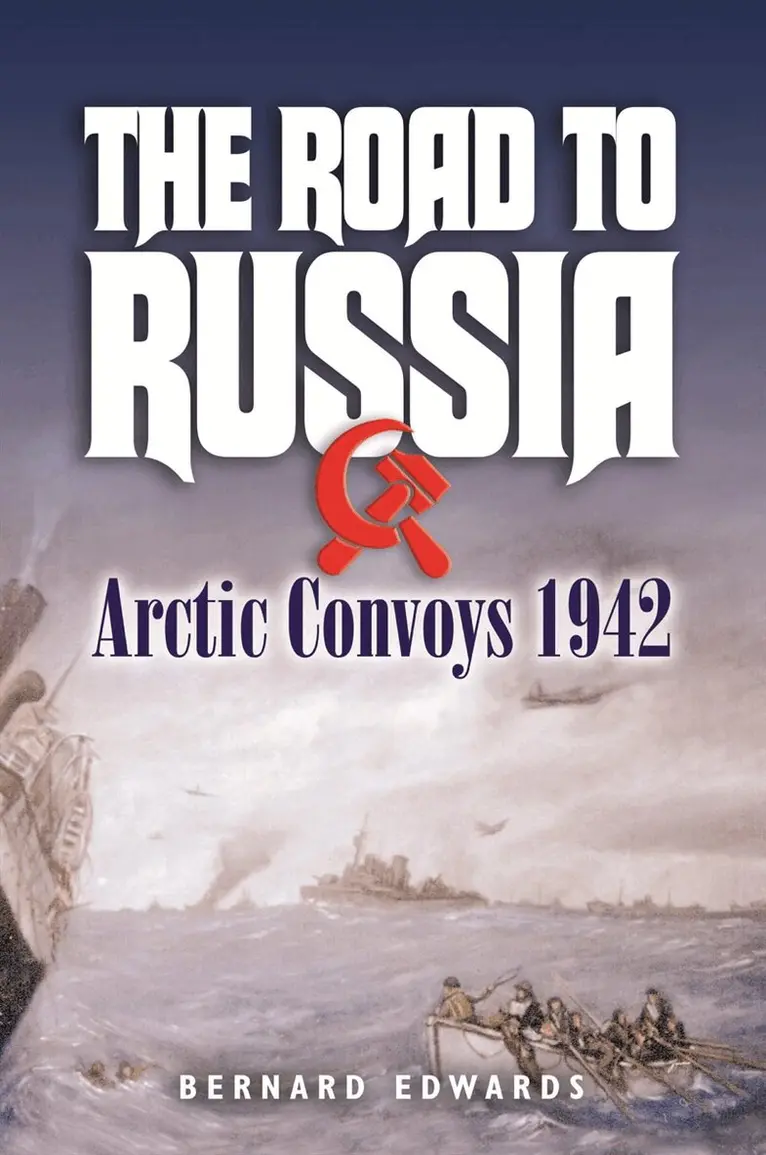
Bernard Edwards, the formidable naval historian, has researched the fate of Convoys PQ13 and PQ17 bound from Iceland to Northern Russia as well as the westbound Convoy QP13. Attacked relentlessly by aircraft and U-boats, the former lost a total of thirty ships while QP13 ran into a British minefield off Iceland, losing seven vessels. The Road to Russia is an important addition to the bibliography of this bitterly fought campaign.
E-bok
Engelska, 202177 kr
Läs direkt efter köp
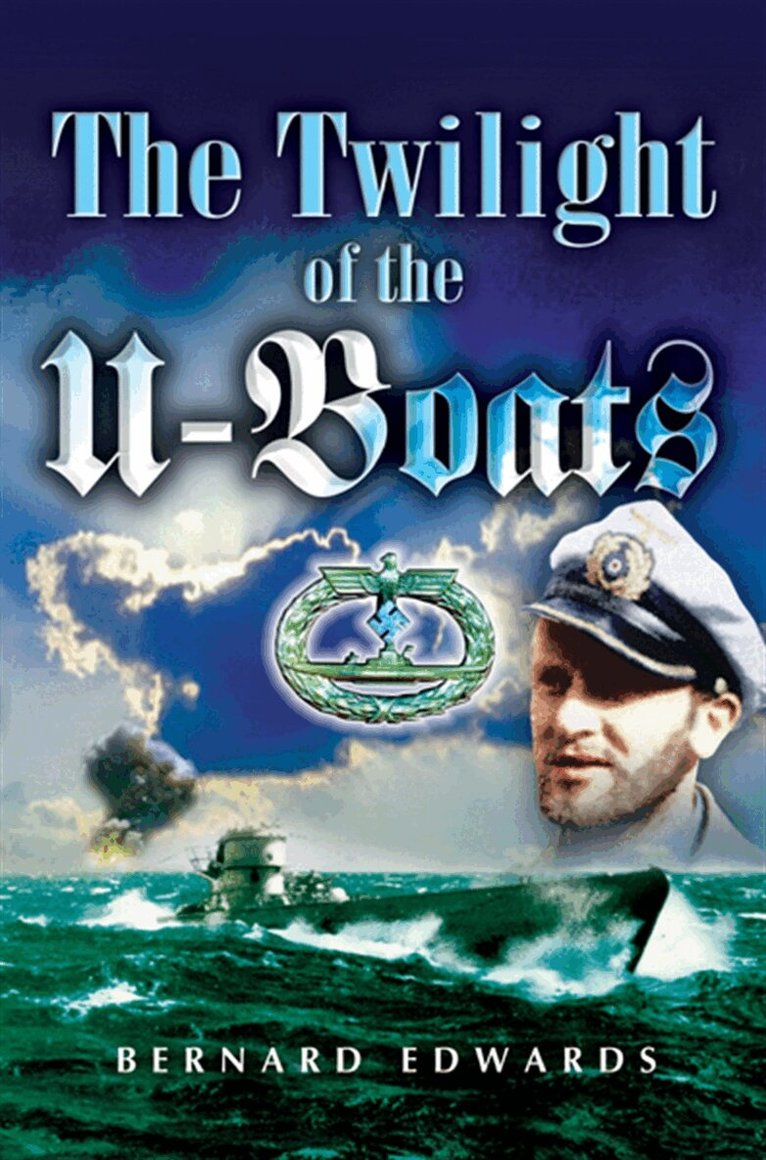
In essence, this is the story of U-223,commanded by Karl-Jurgen Wïoehter from the time of her commissioning in Kiel in January 1943 through a murderous career to her eventual but dramatic demise in the Mediterranean in March 1944. At the same time, the book covers the declining fortunes of the U-boat arm as a whole from early 1943 when it seemed invincible and seriously threatened the Allies with defeat to the end of the war.
E-bok
Engelska, 2021123 kr
Läs direkt efter köp
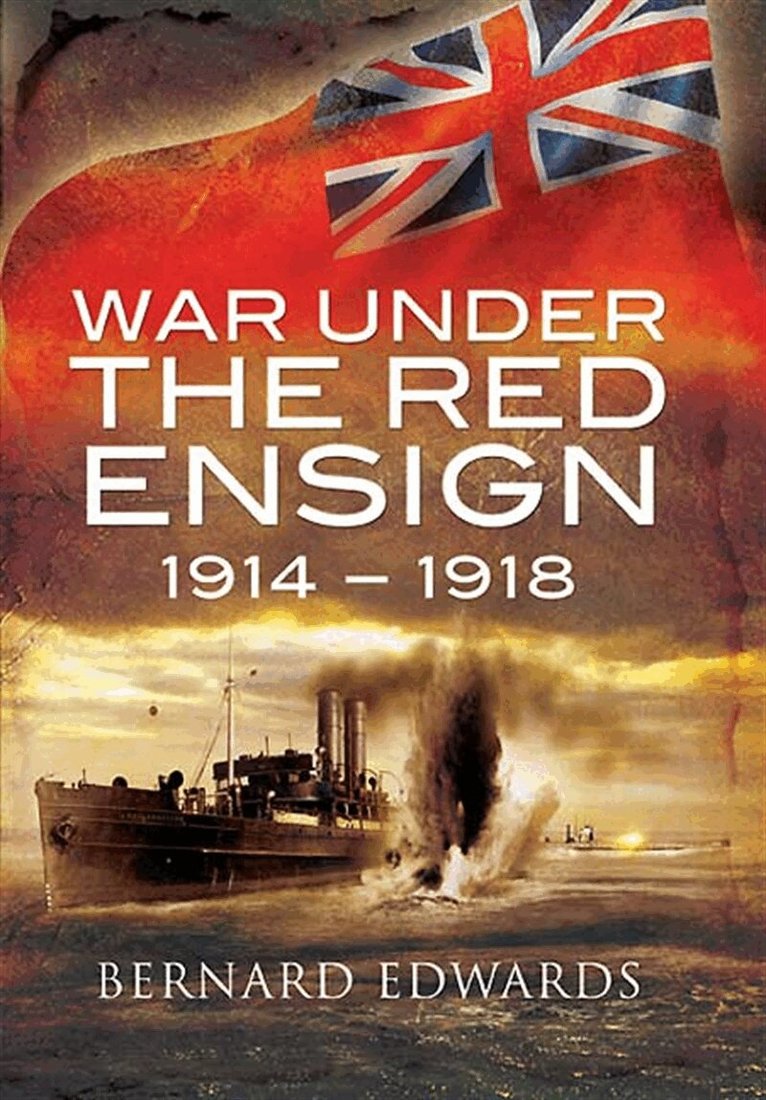
The Kaiser’s determination to starve Britain into surrender and the development of his Navy and the U-boats in particular meant that Britain’s merchant navy was in the front line throughout the Great War.This book charts the progress of the war at sea which began with the sinking of the oil tanker San Wilfrido off Cuxhaven only eight hours after the official declaration of war. The merchantman Glitra was the first victim of a German U-boat (U-17) on 20 October 1914 – she was to be joined by many, many more. As the war on land intensified so the naval struggle grew ever more bitter. As vividly described there were many incidents of atrocious behavior, amounting to war crimes, by the attackers against their hapless victims; sinking of lifeboats, machine-gunning of survivors, attacks without any warning designed to cause maximum casualties.We learn of instances where the weak gallantly fought back such as the duel between Captain Bissett-Smith’s Otaki (with one gun) and the heavily armed German surface raider Möwe. Although he went down with his ship, Captain Smith was posthumously awarded the VC, and remains the only merchant seaman so honored.War under the Red Ensign contains many inspiring and shocking accounts of war at sea and is a gripping read.
E-bok
Engelska, 2021123 kr
Läs direkt efter köp
On March 16, 1807, the British Parliament passed The Abolition of the Slave Trade Act. In the following year the Royal Navy’s African Squadron was formed, its mission to stop and search ships at sea suspected of carrying slaves from Africa to the Americas and the Middle East.
E-bok
Engelska, 2021123 kr
Läs direkt efter köp
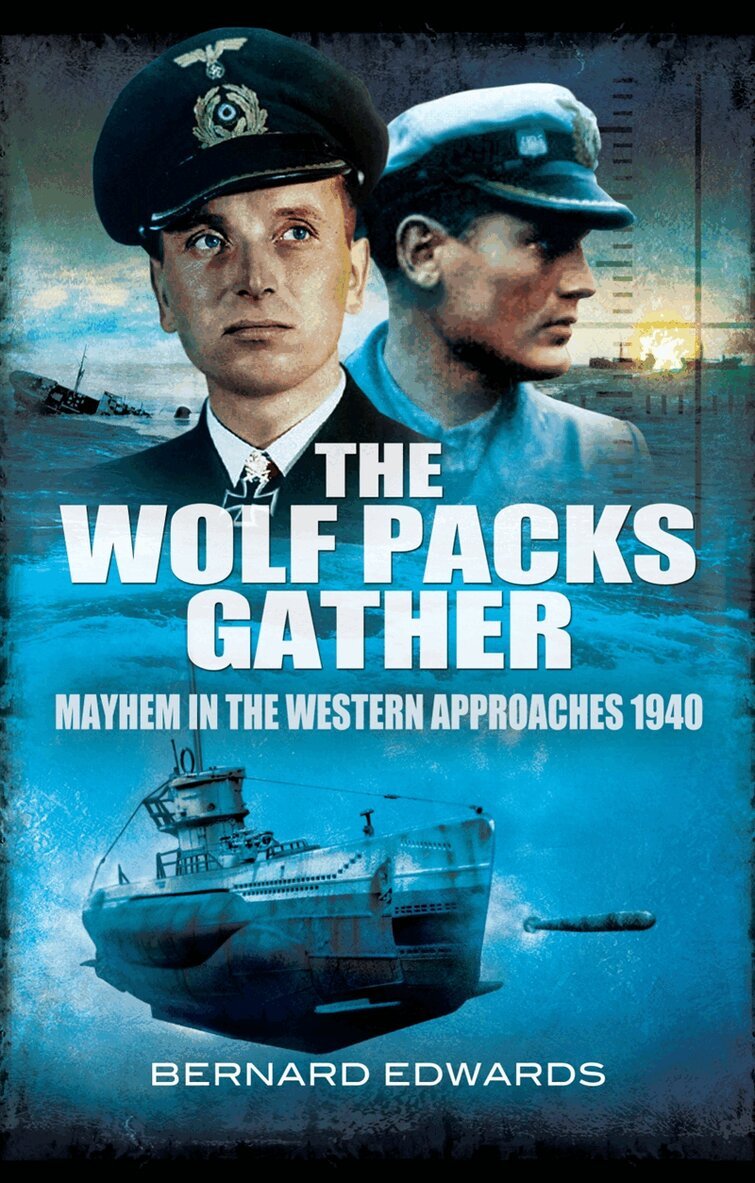
The capture by the German surface raider Atlantis of the British steamer City of Baghdad’s secret code books in July 1940 enabled the Nazis to de-cypher Admiralty convoy plans with deadly effect. This book describes the resulting appalling Allied losses suffered by four convoys during the Autumn of 1940. Admiral Dőnetz, aware of the movements of the Allied convoys, marshaled as many of his U-boats as possible. The first convoy, SC2, consisting of 53 merchant men was attacked in early September by four U-boats. Due to poor weather only five ships were lost. Shortly after HX72, with 41 ships, sailing from Nova Scotia, lost eleven ships to five Type VIIC U-boats. Top Aces Otto Kretschremer and Joachim Schepke, who penetrated inside the columns, accounted for nine. No less than nine U-boats attacked SC7 in October 1940. Of 35 merchant men a staggering 20 were lost. HX79 also fared terribly despite being a ‘fast’ convoy with ten escorts, losing twelve ships. In total forty-eight merchant men were sunk and seven more damaged without any U-boat losses at all. The Wolf Packs Gather is an authoritative account of the darkest hours of the War in the Atlantic. It describes not only the German tactics but the inadequacies of what few escorts there were and the heartbreaking loss of defenseless life.
Häftad, Engelska, 2022
205 kr
Skickas inom 5-8 vardagar
Inbunden, Engelska, 2016
537 kr
Skickas inom 5-8 vardagar
Häftad, Engelska, 2011
228 kr
Skickas inom 5-8 vardagar
Häftad, Engelska, 2013
194 kr
Skickas inom 5-8 vardagar
Inbunden, Engelska, 1987
133 kr
Tillfälligt slut