Bernd Schlipphak – författare
Visar alla böcker från författaren Bernd Schlipphak. Handla med fri frakt och snabb leverans.
4 produkter
4 produkter
347 kr
Skickas inom 10-15 vardagar
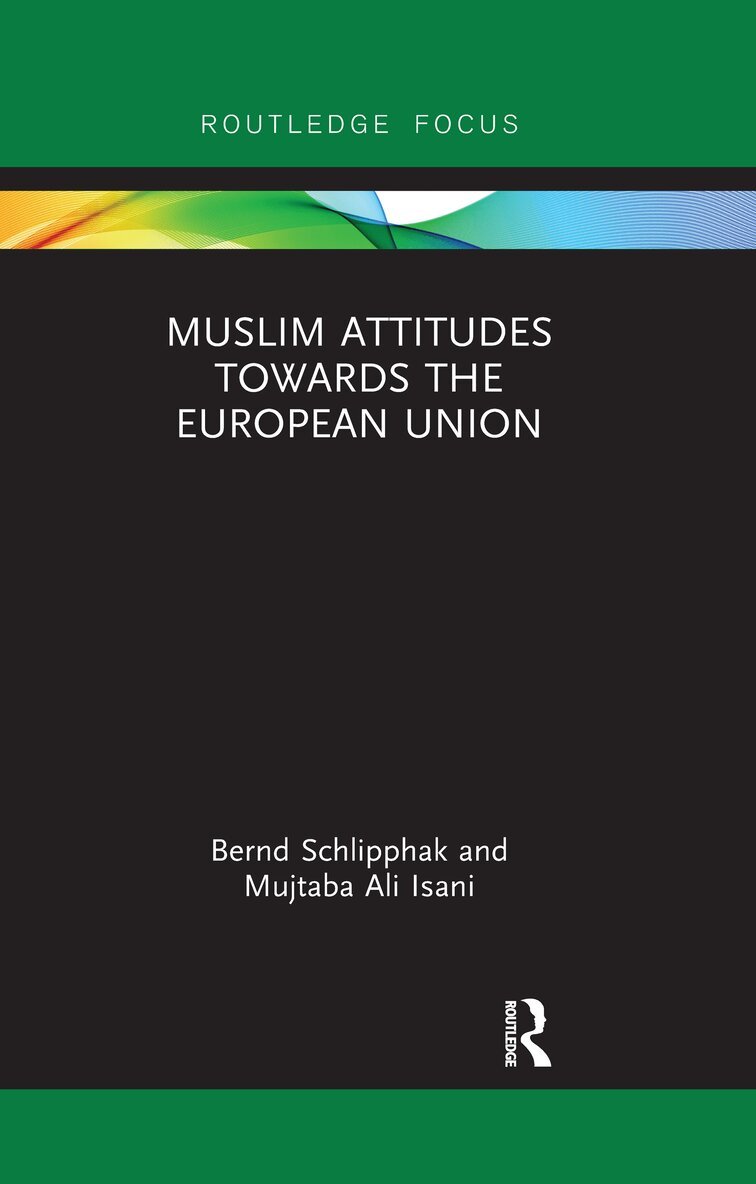
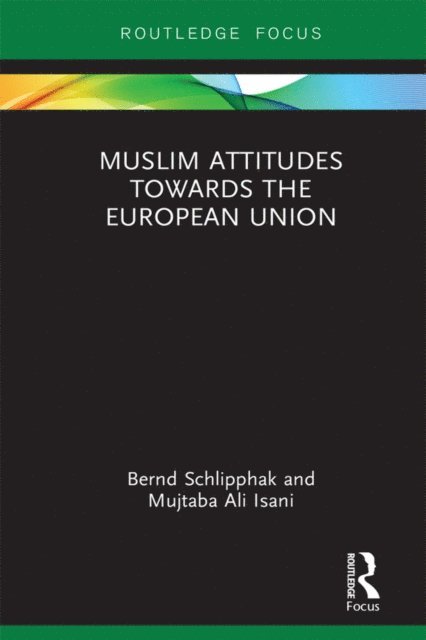
How do Muslim citizens across the globe perceive the European Union? And what factors influence their EU attitudes? This book offers the first systematic theoretical and empirical analysis of Muslim citizens’ EU attitudes in and outside the European Union. Using the best empirical data available, the book demonstrates that Muslim citizens’ attitudes are not shaped by their denomination and religious beliefs, but by material and political considerations. It finds that Muslims are most favourable toward the EU due to their positive experiences in European contexts, whereas in contrast, Muslim citizens outside the EU are more skeptical toward the European Union due to sovereignty concerns and the lack of support from the EU and its member states. Such findings not only contribute to the research on social legitimacy of international organizations and international public opinion more generally, but also provide important suggestions for (European) policy makers regarding external and domestic policies. This book will be of key interest to scholars, students and practitioners of European Union politics, Middle East studies, public opinion and International Relations.
822 kr
Skickas inom 10-15 vardagar
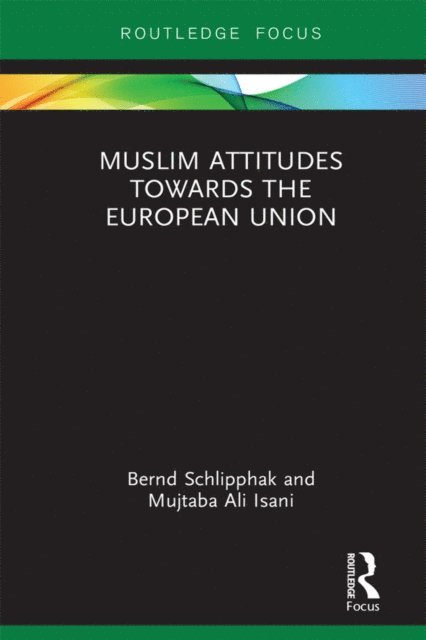
How do Muslim citizens across the globe perceive the European Union? And what factors influence their EU attitudes? This book offers the first systematic theoretical and empirical analysis of Muslim citizens’ EU attitudes in and outside the European Union. Using the best empirical data available, the book demonstrates that Muslim citizens’ attitudes are not shaped by their denomination and religious beliefs, but by material and political considerations. It finds that Muslims are most favourable toward the EU due to their positive experiences in European contexts, whereas in contrast, Muslim citizens outside the EU are more skeptical toward the European Union due to sovereignty concerns and the lack of support from the EU and its member states. Such findings not only contribute to the research on social legitimacy of international organizations and international public opinion more generally, but also provide important suggestions for (European) policy makers regarding external and domestic policies. This book will be of key interest to scholars, students and practitioners of European Union politics, Middle East studies, public opinion and International Relations.
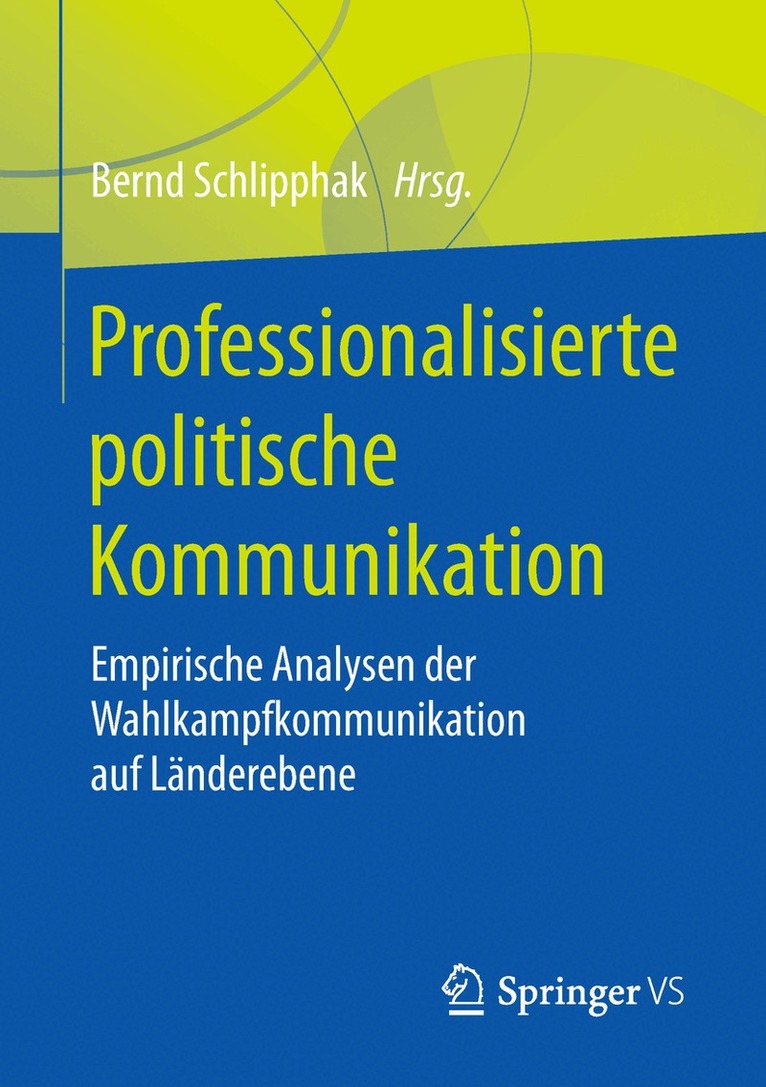
Professionalisierte politische Kommunikation
Empirische Analysen der Wahlkampfkommunikation auf Länderebene
Häftad, Tyska, 2018
401 kr
Skickas inom 10-15 vardagar
Zu welchem Ausmaß stellen Wahlkämpfe professionalisierte politische Kommunikation dar? Die These der Professionalisierung von Wahlkämpfen ist gerade im Hinblick auf die Wirkung von Kontextfaktoren – also im Vergleich von Staaten oder über Zeit hinweg – noch nicht systematisch untersucht worden. Die Beiträge in diesem Band analysieren unterschiedliche Aspekte der Professionalisierung von Wahlkämpfen auf der Ebene der deutschen Bundesländer – über Länder hinweg, über die Zeit und zwischen Parteien in einem Land. Dieser erste systematische Test der Professionalisierungsthese in einem föderalen System ermöglicht es, besonders die Wirkung von Kontextfaktoren auf die – stark variierende – Nutzung von Elementen der Professionalisierung in den Vordergrund zu rücken. Mit seinen Erkenntnissen, die auf innovativen empirischen Datenerhebungen beruhen, ist der Band für die wissenschaftliche und praktische Diskussion von größter Bedeutung.Der InhaltKampagnenstruktur • Kandidaten und ihre Partei • Kampagnenstrategie Der HerausgeberDr. Bernd Schlipphak ist Professor für empirische Methoden der Sozialwissenschaft am Institut für Politikwissenschaft an der Universität Münster.
155 kr
Skickas inom 10-15 vardagar
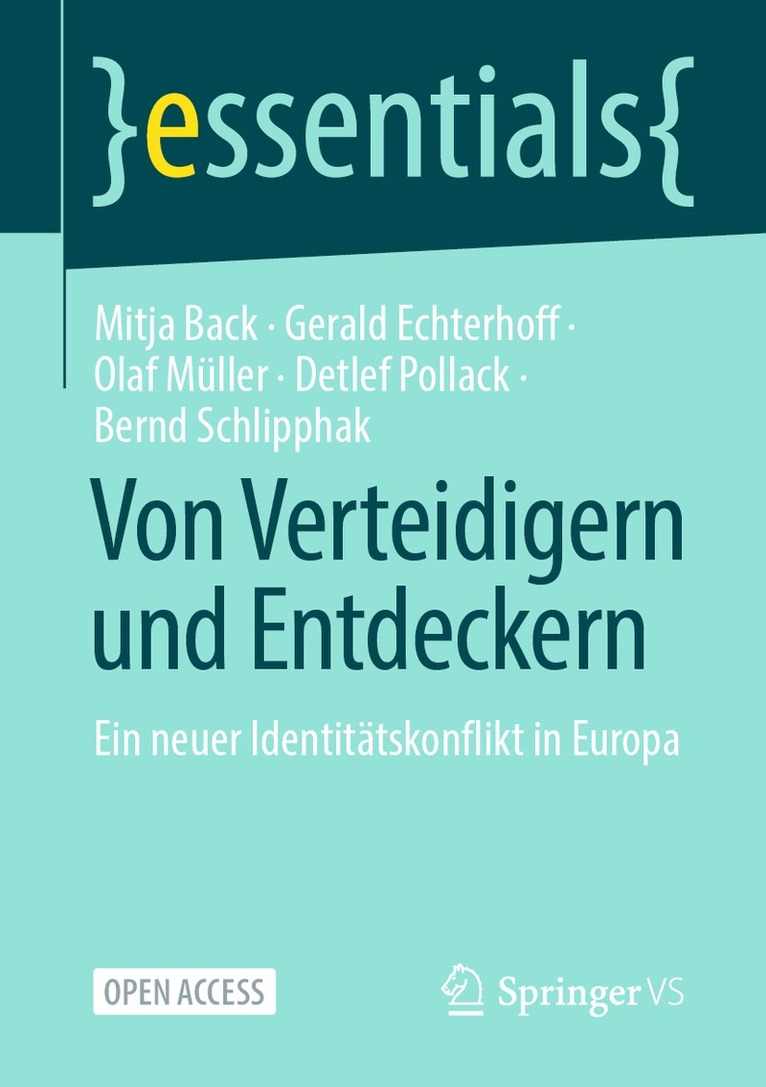
Dieses Open-Access-Buch bietet eine Einführung in den Identitätskonflikt zwischen Verteidigern und Entdeckern. Basierend auf einer Studie mit 5000 Befragten aus vier europäischen Ländern zeigen die Autoren, dass sich Verteidiger und Entdecker im Hinblick auf ihre Zugehörigkeitskonzepte und das Ausmaß wahrgenommener Bedrohung durch Muslime und Geflüchtete unterscheiden. Differenzen zwischen beiden Gruppen lassen sich auch für die jeweils wahrgenommene gesellschaftliche Marginalisierung und politische Repräsentation finden. Die Studie weist zudem nach, dass mit verschiedenen Positionen im Identitätskonflikt auch unterschiedliche Konzepte von Demokratie verbunden werden.