Bernd Wannenwetsch – författare
Visar alla böcker från författaren Bernd Wannenwetsch. Handla med fri frakt och snabb leverans.
12 produkter
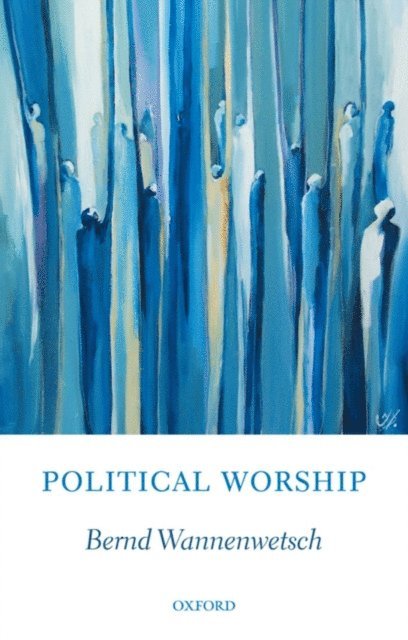
Political Worship
Ethics for Christian Citizens
E-bok, 2009
571 kr
Lägg i varukorg
How does Christian ethics begin? This pioneering study explores the grammar of the Christian life as it is embodied and learned in worship as the formative experience of the ''fellow citizens of God''s people''. The book presents the first in-depth theological investigation of the phenomenon of …
Political Worship
Ethics for Christian Citizens
Av Bernd Wannenwetsch, Bernd Wannenwetsch
Inbunden, 2004
2260 kr
Lägg i varukorg
How does Christian ethics begin? This pioneering study explores the grammar of the Christian life as it is embodied and learned in worship as the formative experience of the 'fellow citizens of God's people'. The book presents the first in-depth theological investigation of the phenomenon of …
Political Worship
Häftad, 2009
1253 kr
Lägg i varukorg
How does Christian ethics begin? This pioneering study explores the grammar of the Christian life as it is embodied and learned in worship as the formative experience of the 'fellow citizens of God's people'. The book presents the first in-depth theological investigation of the phenomenon of …
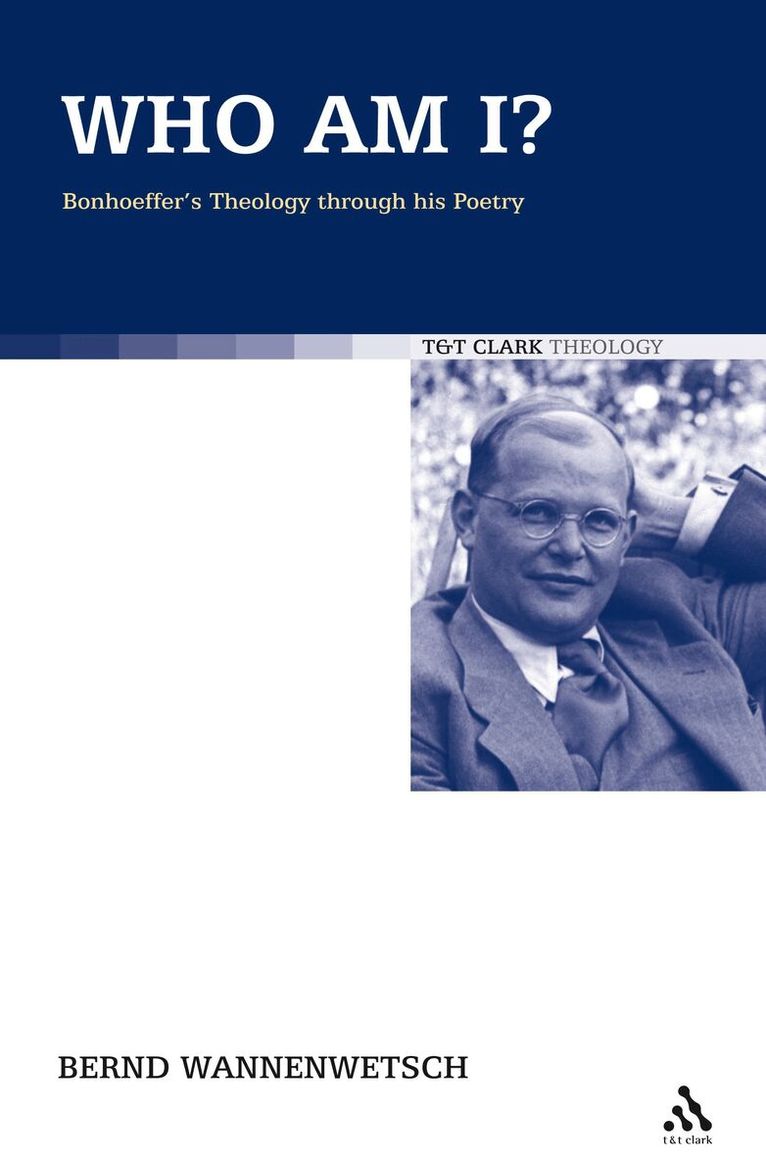
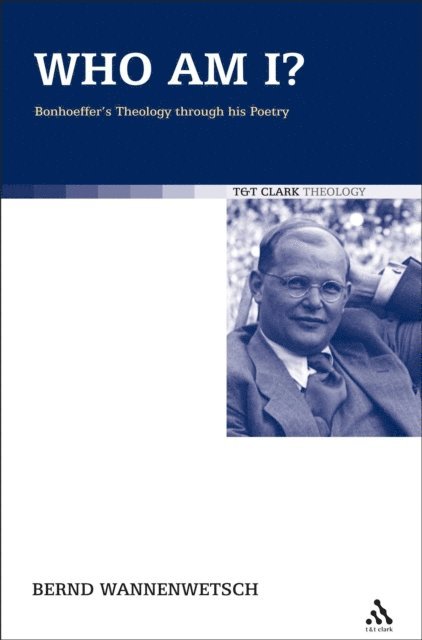
Who am I?
Bonhoeffer's Theology through his Poetry
Inbunden, 2009
2449 kr
Lägg i varukorg
It has often been noted that poetry is a particularly suitable medium when it comes to understanding the connection between theology and biography. Needless to say that this is particularly exciting in the case of Dietrich Bonhoeffer and the poems he wrote during his imprisonment by the Nazis. …
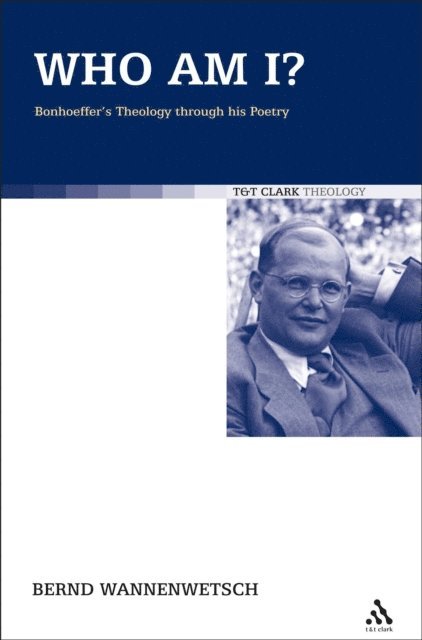
Who am I?
Bonhoeffer's Theology through his Poetry
Häftad, 2011
642 kr
Lägg i varukorg
It has often been noted that poetry is a particularly suitable medium when it comes to understanding the connection between theology and biography. Needless to say that this is particularly exciting in the case of Dietrich Bonhoeffer and the poems he wrote during his imprisonment by the Nazis. …
Who am I?
Bonhoeffer'S Theology Through His Poetry
E-bok, 2011
589 kr
Lägg i varukorg
It has often been noted that poetry is a particularly suitable medium when it comes to understanding the connection between theology and biography. Needless to say that this is particularly exciting in the case of Dietrich Bonhoeffer and the poems he wrote during his imprisonment by the Nazis. …
Who am I?
Bonhoeffer'S Theology Through His Poetry
E-bok, 2009
699 kr
Lägg i varukorg
It has often been noted that poetry is a particularly suitable medium when it comes to understanding the connection between theology and biography. Needless to say that this is particularly exciting in the case of Dietrich Bonhoeffer and the poems he wrote during his imprisonment by the Nazis. …
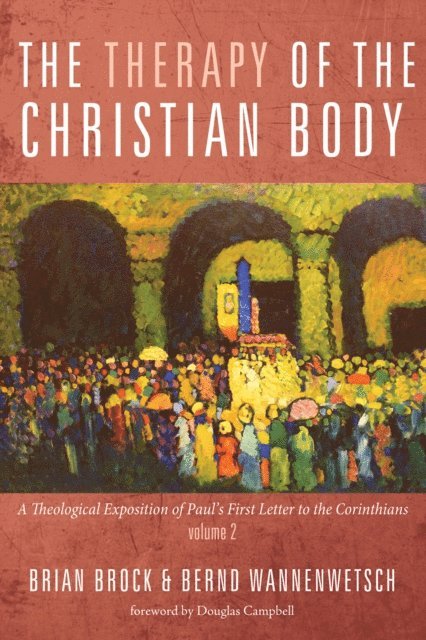
Therapy of the Christian Body
A Theological Exposition of Paul’s First Letter to the Corinthians, Volume 2
Av Bernd Wannenwetsch, Brian Brock
E-bok, 2018
621 kr
Lägg i varukorg
The troubles and ills of the church today can only be understood and healed when Christians begin to face up to their hidden alliances with the Corinthians of the first century and embrace both the Apostle''s diagnosis and therapy offered in the epistle.This is the challenge of The Malady and …
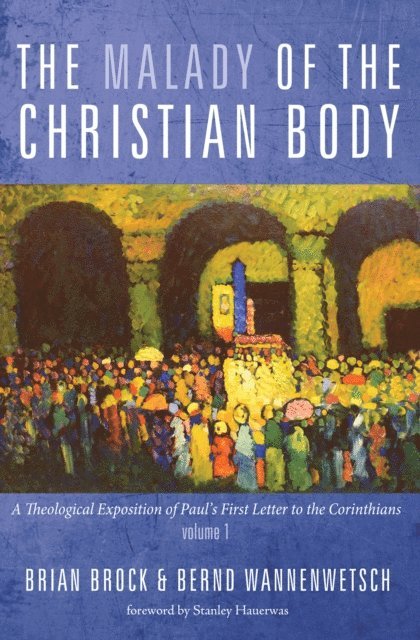
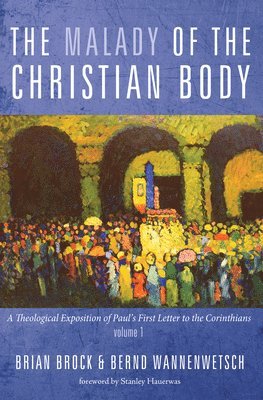
Malady of the Christian Body
A Theological Exposition of Paul’s First Letter to the Corinthians, Volume 1
Av Bernd Wannenwetsch, Brian Brock
E-bok, 2016
624 kr
Lägg i varukorg
The ailments of the contemporary church are remarkably similar to those suffered by the fractious Corinthian church in the first century. This is the challenge presented in The Malady of the Christian Body, a two-volume commentary by Brian Brock and Bernd Wannenwetsch.The manner in which Paul …