Bertrand Renaud – författare
Visar alla böcker från författaren Bertrand Renaud. Handla med fri frakt och snabb leverans.
11 produkter
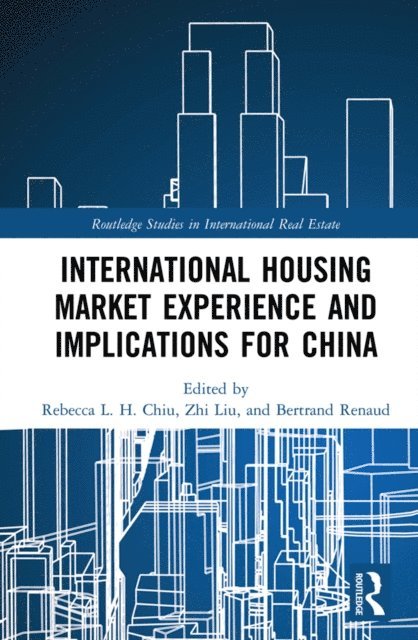
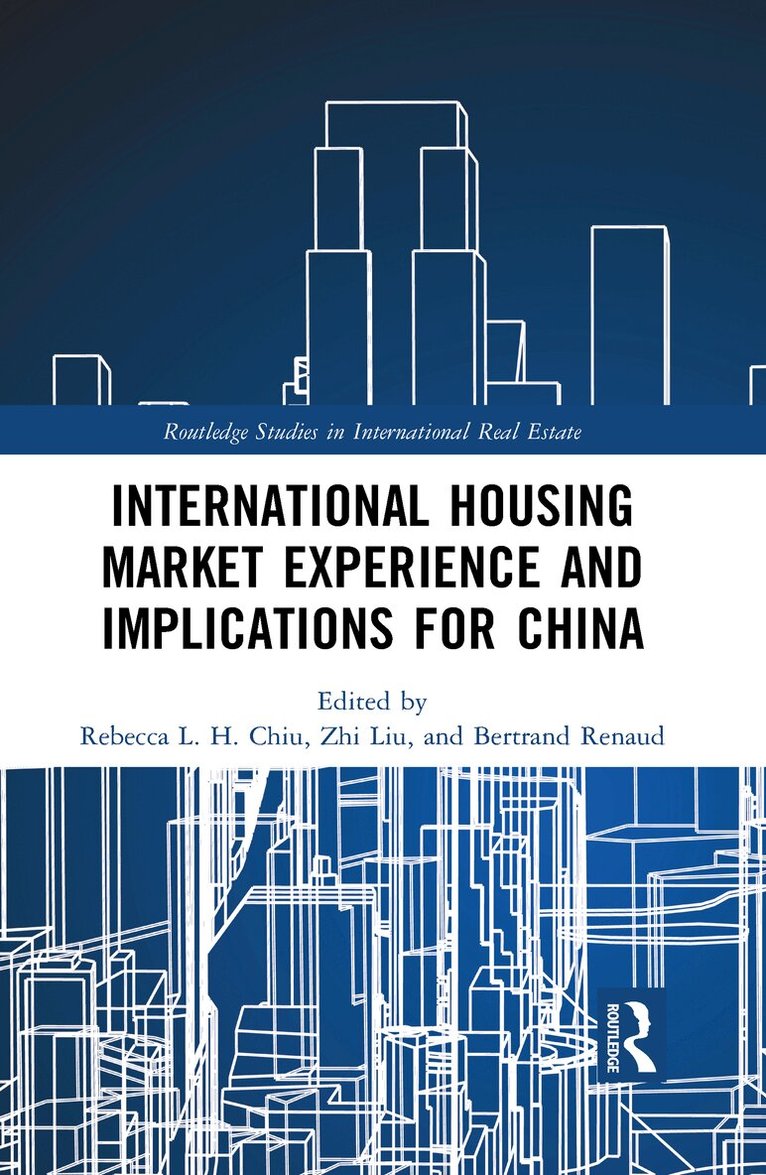
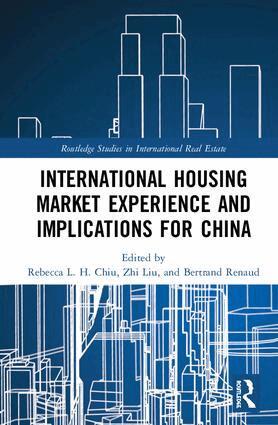
International Housing Market Experience and Implications for China
Av Bertrand Renaud, Zhi Liu m. fl.
E-bok, 2019
935 kr
Lägg i varukorg
Recent rapid housing market expansion in China is presenting new challenges for policy makers, planners, business people, and citizens. Now that housing in middle-income China is driven by consumer choices and is no longer dominated by state policy decisions, housing policy issues in Chinese cities …
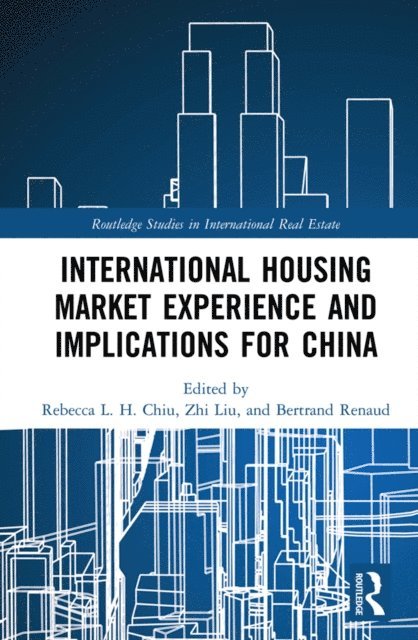
International Housing Market Experience and Implications for China
Av Bertrand Renaud, Zhi Liu m. fl.
E-bok, 2019
908 kr
Lägg i varukorg
Recent rapid housing market expansion in China is presenting new challenges for policy makers, planners, business people, and citizens. Now that housing in middle-income China is driven by consumer choices and is no longer dominated by state policy decisions, housing policy issues in Chinese cities …
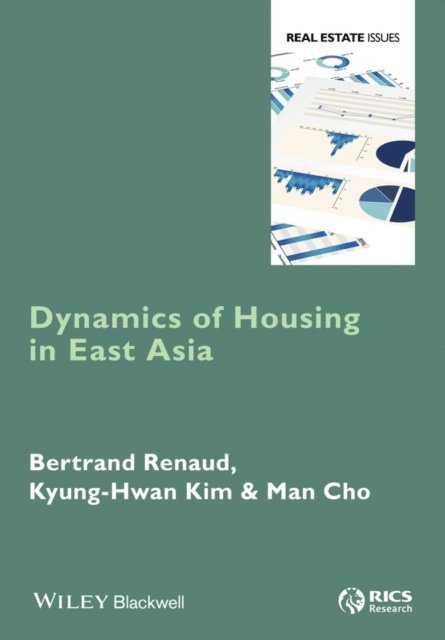
Dynamics of Housing in East Asia
Av Bertrand Renaud, Kyung-Hwan Kim m. fl.
Inbunden, 2016
1501 kr
Lägg i varukorg
This book is the first to evaluate the organisation, behaviour and performance of six major East Asian real estate markets. It offers a unique analysis of the growth and transformation of the real estate sector across East Asia. The authors examine the interactions between volatility in the sector …
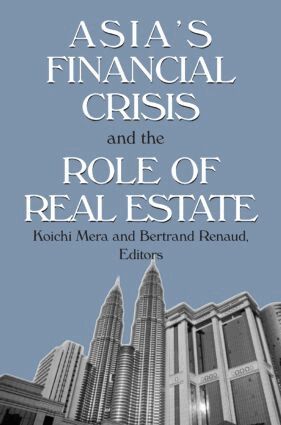
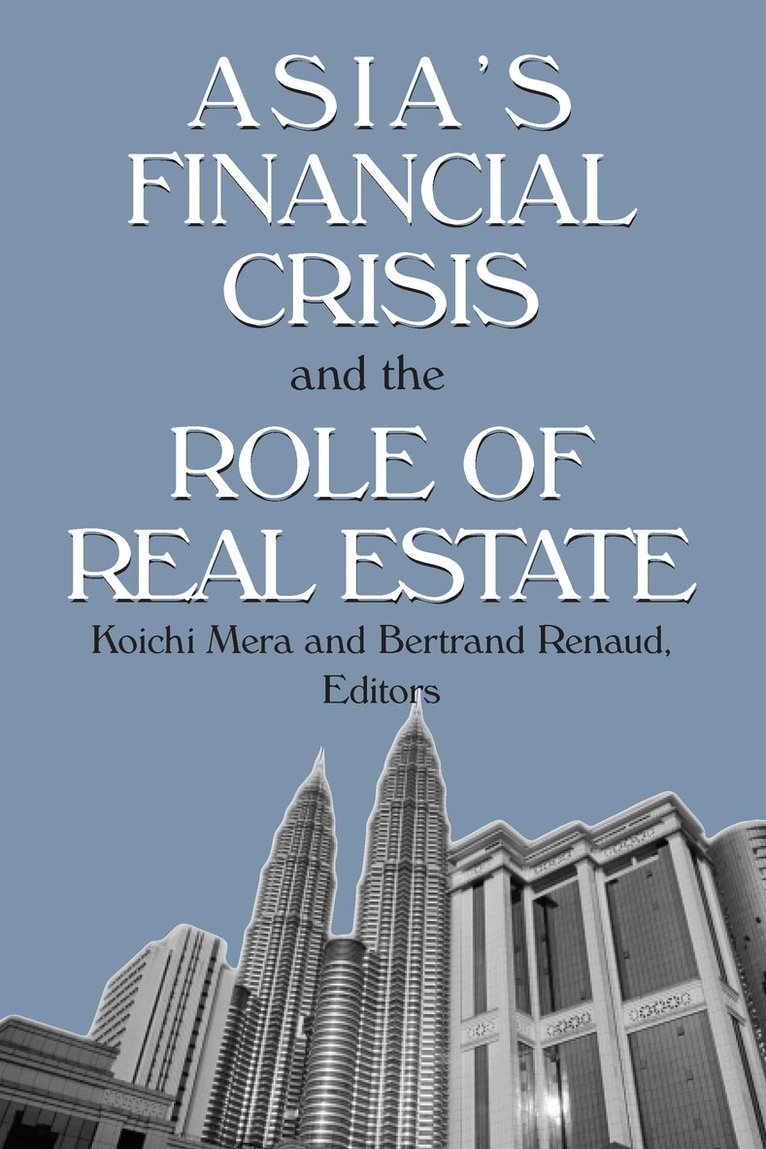
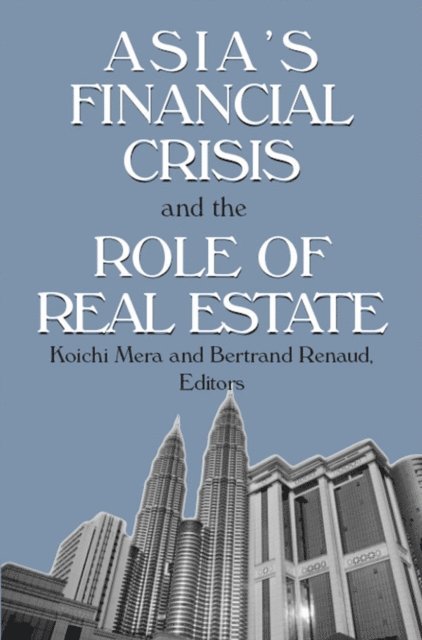
Asia's Financial Crisis and the Role of Real Estate
Av Koichi Mera, Bertrand Renaud
Inbunden, 2000
2578 kr
Lägg i varukorg
This book by a distinguished academic and a professional economist from the World Bank clearly demonstrates the significant role played by the real estate sector in inducing the Asian crisis; the linkage of the real estate sector to the general economy; the causes of real estate booms and …
Asia's Financial Crisis and the Role of Real Estate
Av Koichi Mera, Bertrand Renaud
Häftad, 2000
770 kr
Lägg i varukorg
This book by a distinguished academic and a professional economist from the World Bank clearly demonstrates the significant role played by the real estate sector in inducing the Asian crisis; the linkage of the real estate sector to the general economy; the causes of real estate booms and …
International Housing Market Experience and Implications for China
Av Rebecca L. H. Chiu, Zhi Liu m. fl.
Häftad, 2021
730 kr
Lägg i varukorg
Recent rapid housing market expansion in China is presenting new challenges for policy makers, planners, business people, and citizens. Now that housing in middle-income China is driven by consumer choices and is no longer dominated by state policy decisions, housing policy issues in Chinese cities …
Dynamics of Housing in East Asia
Av Man Cho, Kyung-Hwan Kim m. fl.
E-bok, 2016
1689 kr
Lägg i varukorg
This book is the first to evaluate the organisation, behaviour and performance of six major East Asian real estate markets. It offers a unique analysis of the growth and transformation of the real estate sector across East Asia. The authors examine the interactions between volatility in the sector …
Dynamics of Housing in East Asia
Av Man Cho, Kyung-Hwan Kim m. fl.
E-bok, 2016
1745 kr
Lägg i varukorg
This book is the first to evaluate the organisation, behaviour and performance of six major East Asian real estate markets. It offers a unique analysis of the growth and transformation of the real estate sector across East Asia. The authors examine the interactions between volatility in the sector …
International Housing Market Experience and Implications for China
Av Rebecca L. H. Chiu, Zhi Liu m. fl.
Inbunden, 2019
2517 kr
Lägg i varukorg
Recent rapid housing market expansion in China is presenting new challenges for policy makers, planners, business people, and citizens. Now that housing in middle-income China is driven by consumer choices and is no longer dominated by state policy decisions, housing policy issues in Chinese cities …
Asia's Financial Crisis and the Role of Real Estate
Av Bertrand Renaud, Koichi Mera
E-bok, 2016
910 kr
Lägg i varukorg
This book by a distinguished academic and a professional economist from the World Bank clearly demonstrates the significant role played by the real estate sector in inducing the Asian crisis; the linkage of the real estate sector to the general economy; the causes of real estate booms and …
Asia's Financial Crisis and the Role of Real Estate
Av Bertrand Renaud, Koichi Mera
E-bok, 2016
883 kr
Lägg i varukorg
This book by a distinguished academic and a professional economist from the World Bank clearly demonstrates the significant role played by the real estate sector in inducing the Asian crisis; the linkage of the real estate sector to the general economy; the causes of real estate booms and …