Beth R. Wilson – författare
1 277 kr
Skickas inom 7-10 vardagar
504 kr
Läs direkt efter köp
504 kr
Läs direkt efter köp
435 kr
Skickas inom 7-10 vardagar
2 079 kr
Skickas inom 10-15 vardagar
685 kr
Kommande
936 kr
Läs direkt efter köp
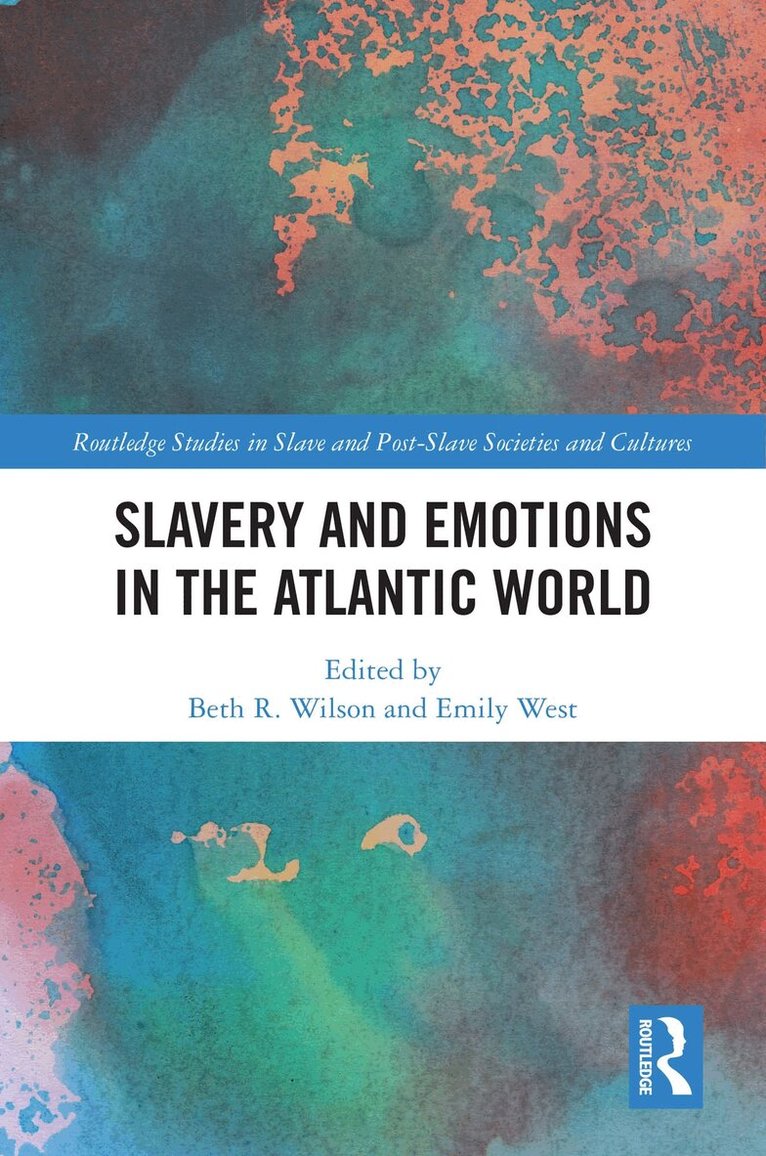
This book explores the history of slavery in the Atlantic World through the lens of emotion. Combining methods from the history of emotions with those from slavery studies often for the first time, this collection provides new and important perspectives on the role that emotion played in various slave societies across the Atlantic World.
Exploring slavery in Cuba, the United States, and British and French colonies, this book reveals how emotions were central to enslavers’ creation, justification, and perpetuation of the system of slavery. Simultaneously, chapters also evidence the ways in which the enslaved utilised emotion as a form of refusal, resistance, and survival. Finally, the book considers the legacies and afterlives of slavery, including how emotion can inform our understanding of slavery’s longer-term implications.
Taken together, the studies in this collection highlight the importance of placing emotions firmly at the centre of the study of Atlantic Slavery. This book was originally published as a special issue of the journal Slavery & Abolition.
936 kr
Läs direkt efter köp
This book explores the history of slavery in the Atlantic World through the lens of emotion. Combining methods from the history of emotions with those from slavery studies often for the first time, this collection provides new and important perspectives on the role that emotion played in various slave societies across the Atlantic World.
Exploring slavery in Cuba, the United States, and British and French colonies, this book reveals how emotions were central to enslavers’ creation, justification, and perpetuation of the system of slavery. Simultaneously, chapters also evidence the ways in which the enslaved utilised emotion as a form of refusal, resistance, and survival. Finally, the book considers the legacies and afterlives of slavery, including how emotion can inform our understanding of slavery’s longer-term implications.
Taken together, the studies in this collection highlight the importance of placing emotions firmly at the centre of the study of Atlantic Slavery. This book was originally published as a special issue of the journal Slavery & Abolition.