Beth Singler - Böcker
Visar alla böcker från författaren Beth Singler. Handla med fri frakt och snabb leverans.
8 produkter
8 produkter
567 kr
Skickas inom 10-15 vardagar
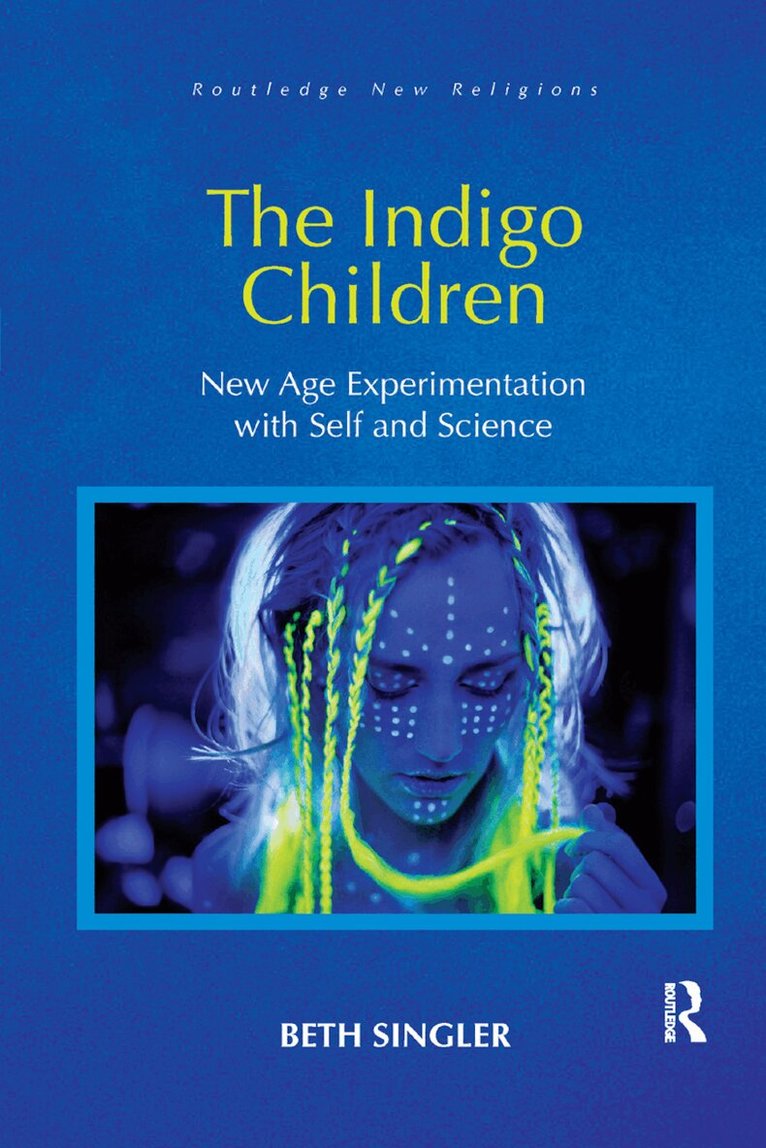
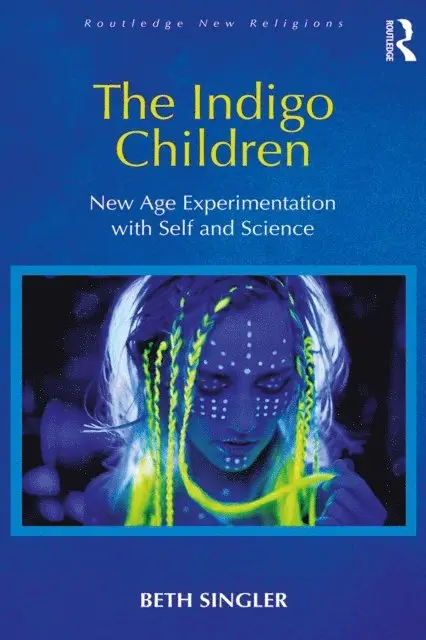
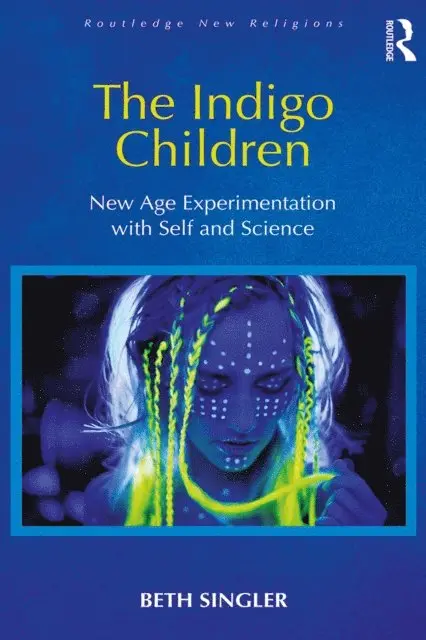
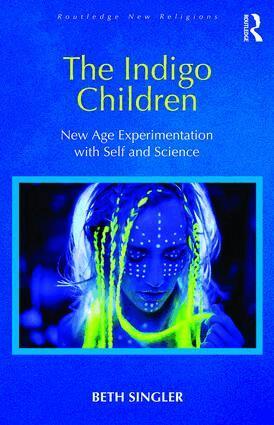
The Indigo Child concept is a contemporary New Age redefinition of self. Indigo Children are described in their primary literature as a spiritually, psychically, and genetically advanced generation. Born from the early 1980s, the Indigo Children are thought to be here to usher in a new golden age by changing the world’s current social paradigm. However, as they are "paradigm busters", they also claim to find it difficult to fit into contemporary society. Indigo Children recount difficult childhoods and school years, and the concept has also been used by members of the community to reinterpret conditions such as Attention Deficit Hyperactive Disorder (ADHD) and autism. Cynics, however, can claim that the Indigo Child concept is an example of "special snowflake" syndrome, and parodies abound.This book is the fullest introduction to the Indigo Child concept to date. Employing both on- and offline ethnographic methods, Beth Singler objectively considers the place of the Indigo Children in contemporary debates around religious identity, self-creation, online participation, conspiracy theories, race and culture, and definitions of the New Age movement.
2 103 kr
Skickas inom 10-15 vardagar
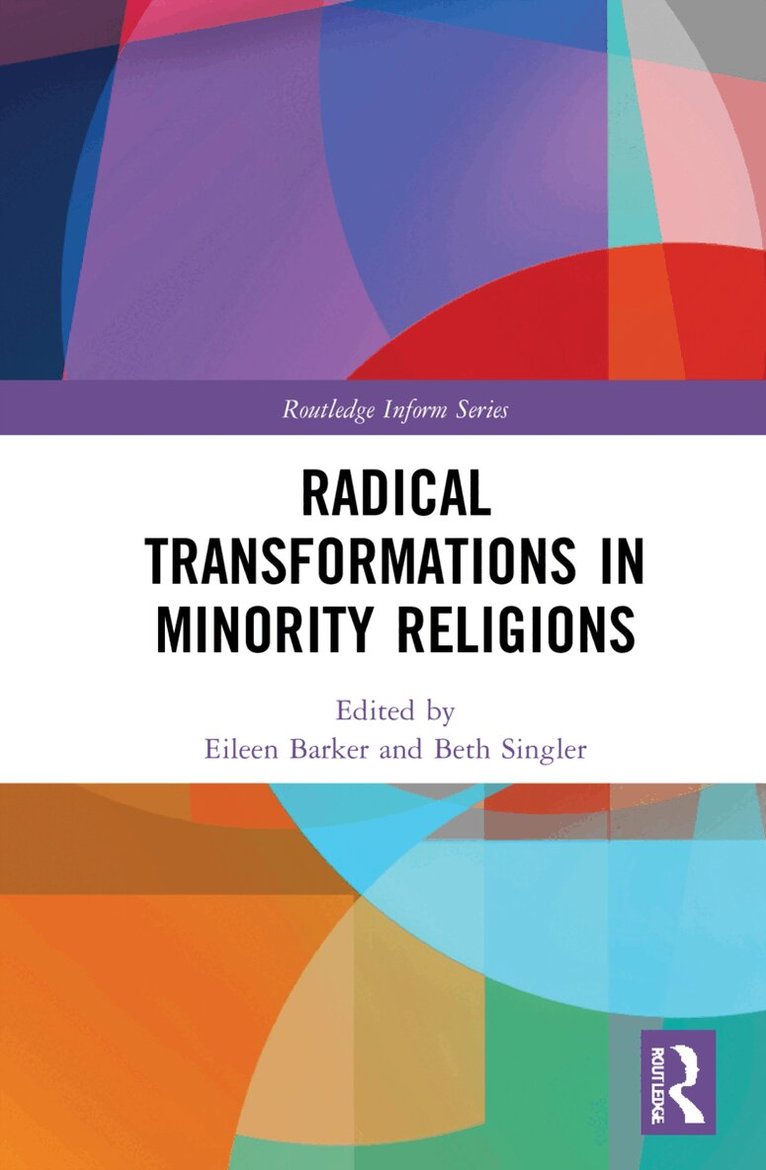
All religions undergo continuous change, but minority religions tend to be less anchored in their ways than mainstream, traditional religions. This volume examines radical transformations undergone by a variety of minority religions, including the Children of God/ Family International; Gnosticism; Jediism; various manifestations of Paganism; LGBT Muslim groups; the Plymouth Brethren; Santa Muerte; and Satanism.As with other books in the Routledge/Inform series, the contributors approach the subject from a wide range of perspectives: professional scholars include legal experts and sociologists specialising in new religious movements, but there are also chapters from those who have experienced a personal involvement. The volume is divided into four thematic parts that focus on different impetuses for radical change: interactions with society, technology and institutions, efforts at legitimation, and new revelations.This book will be a useful source of information for social scientists, historians, theologians and other scholars with an interest in social change, minority religions and ‘cults’. It will also be of interest to a wider readership including lawyers, journalists, theologians and members of the general public.
309 kr
Skickas inom 7-10 vardagar
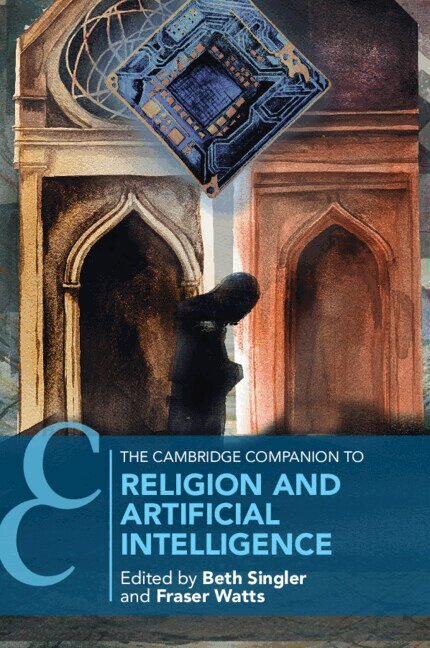
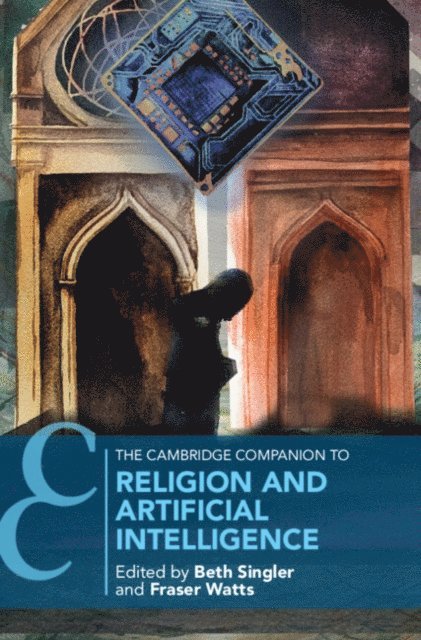
Religion and artificial intelligence are now deeply enmeshed in humanity's collective imagination, narratives, institutions, and aspirations. Their growing entanglement also runs counter to several dominant narratives that engage with long-standing historical discussions regarding the relationship between the 'sacred" and the 'secular' - technology and science. This Cambridge Companion explores the fields of Religion and AI comprehensively and provides an authoritative guide to their symbiotic relationship. It examines established topics, such as transhumanism, together with new and emerging fields, notably, computer simulations of religion. Specific chapters are devoted to Judaism, Christianity, Islam, Hinduism, and Buddhism, while others demonstrate that entanglements between religion and AI are not always encapsulated through such a paradigm. Collectively, the volume addresses issues that AI raises for religions, and contributions that AI has made to religious studies, especially the conceptual and philosophical issues inherent in the concept of an intelligent machine, and social-cultural work on attitudes to AI and its impact on contemporary life. The diverse perspectives in this Companion demonstrate how all religions are now interacting with artificial intelligence.
580 kr
Skickas inom 10-15 vardagar
All religions undergo continuous change, but minority religions tend to be less anchored in their ways than mainstream, traditional religions. This volume examines radical transformations undergone by a variety of minority religions, including the Children of God/ Family International; Gnosticism; Jediism; various manifestations of Paganism; LGBT Muslim groups; the Plymouth Brethren; Santa Muerte; and Satanism.As with other books in the Routledge/Inform series, the contributors approach the subject from a wide range of perspectives: professional scholars include legal experts and sociologists specialising in new religious movements, but there are also chapters from those who have experienced a personal involvement. The volume is divided into four thematic parts that focus on different impetuses for radical change: interactions with society, technology and institutions, efforts at legitimation, and new revelations.This book will be a useful source of information for social scientists, historians, theologians and other scholars with an interest in social change, minority religions and ‘cults’. It will also be of interest to a wider readership including lawyers, journalists, theologians and members of the general public.
1 968 kr
Skickas inom 10-15 vardagar
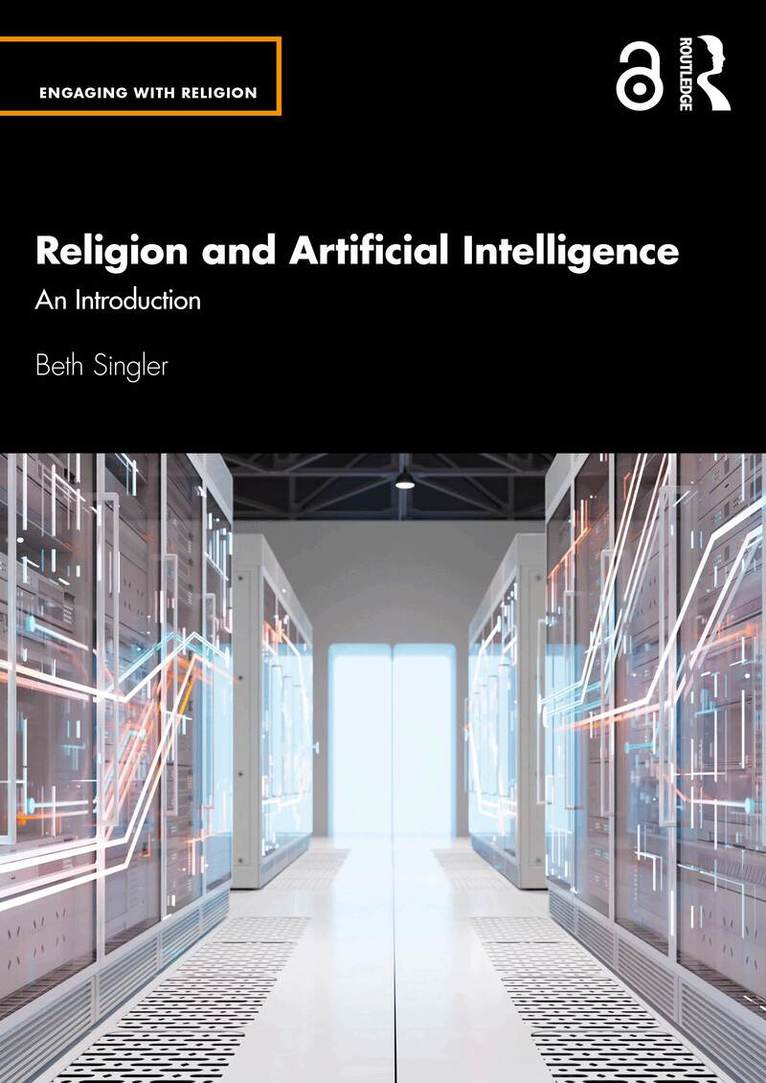
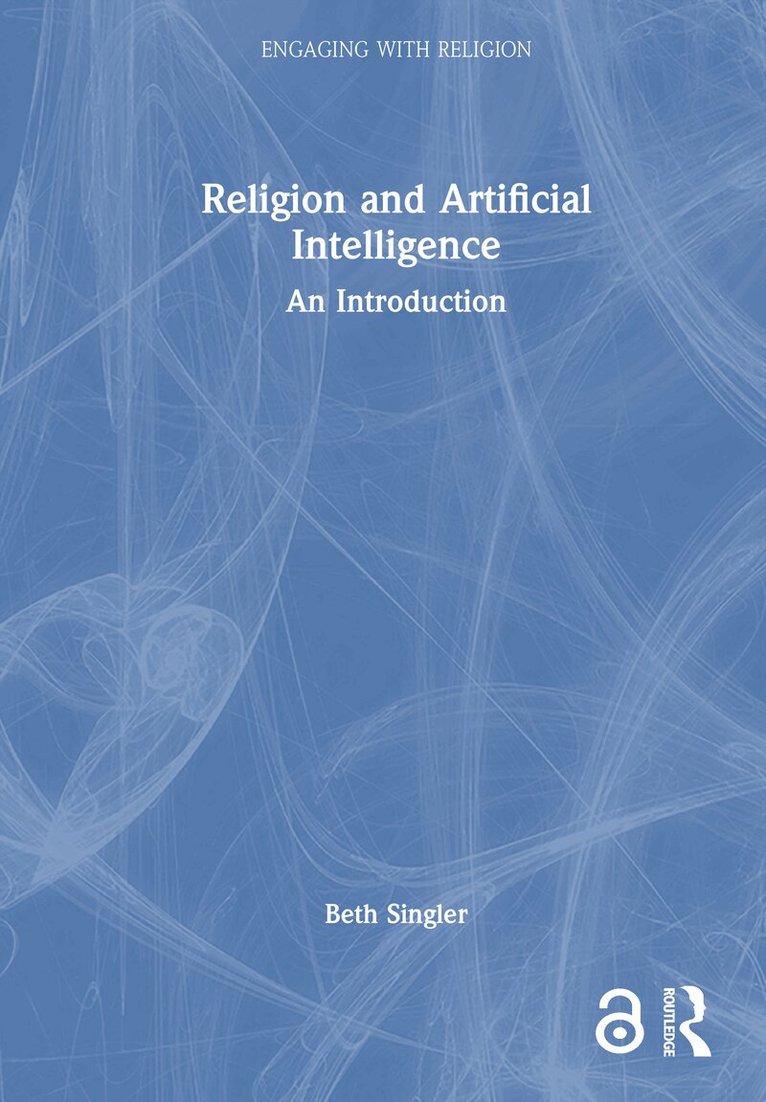
International Society for Science & Religion's 2025 Book Prize recipient, in the category of books for professionals and educatorsArtificial intelligence (AI) is rarely out of the news or the public imagination. Images of red-eyed Terminators illustrate press accounts of incremental advances in medical diagnosis, facial recognition, natural language processing, and robotics. Such advances are transforming society through measurable impacts on people’s decisions and opportunities.Religion and Artificial Intelligence: An Introduction explores an emerging field with a religious studies approach, drawing on cultural and digital anthropological methods to demonstrate the entanglements of religion and AI, our imaginaries of these objects and our ideas about their utopian or dystopian futures. It addresses key topics, including the following:What AI is and is not.How religions are reacting to AI with examples of rejection, adoption, and adaptation.How established religions understand creation and place human-like AI within that.How overtly secular and even ‘new atheist’ groups understand AI as a tool for liberation from human evolution and religion.Religious visions of superintelligent AI.This engaging book is essential for anyone considering the relationship between religion, science and technology, and interested in the questions raised by transhumanism, posthumanism, and new religious movements.The Open Access version of this book, available at http://www.taylorfrancis.com, has been made available under A creative Commons Attribution-Non Commercial-No Derivatives (CC-BY-NC-ND) 4.0 license.
526 kr
Skickas inom 10-15 vardagar
International Society for Science & Religion's 2025 Book Prize recipient, in the category of books for professionals and educatorsArtificial intelligence (AI) is rarely out of the news or the public imagination. Images of red-eyed Terminators illustrate press accounts of incremental advances in medical diagnosis, facial recognition, natural language processing, and robotics. Such advances are transforming society through measurable impacts on people’s decisions and opportunities.Religion and Artificial Intelligence: An Introduction explores an emerging field with a religious studies approach, drawing on cultural and digital anthropological methods to demonstrate the entanglements of religion and AI, our imaginaries of these objects and our ideas about their utopian or dystopian futures. It addresses key topics, including the following:What AI is and is not.How religions are reacting to AI with examples of rejection, adoption, and adaptation.How established religions understand creation and place human-like AI within that.How overtly secular and even ‘new atheist’ groups understand AI as a tool for liberation from human evolution and religion.Religious visions of superintelligent AI.This engaging book is essential for anyone considering the relationship between religion, science and technology, and interested in the questions raised by transhumanism, posthumanism, and new religious movements.The Open Access version of this book, available at http://www.taylorfrancis.com, has been made available under A creative Commons Attribution-Non Commercial-No Derivatives (CC-BY-NC-ND) 4.0 license.
961 kr
Skickas inom 7-10 vardagar
Religion and artificial intelligence are now deeply enmeshed in humanity's collective imagination, narratives, institutions, and aspirations. Their growing entanglement also runs counter to several dominant narratives that engage with long-standing historical discussions regarding the relationship between the 'sacred” and the 'secular' - technology and science. This Cambridge Companion explores the fields of Religion and AI comprehensively and provides an authoritative guide to their symbiotic relationship. It examines established topics, such as transhumanism, together with new and emerging fields, notably, computer simulations of religion. Specific chapters are devoted to Judaism, Christianity, Islam, Hinduism, and Buddhism, while others demonstrate that entanglements between religion and AI are not always encapsulated through such a paradigm. Collectively, the volume addresses issues that AI raises for religions, and contributions that AI has made to religious studies, especially the conceptual and philosophical issues inherent in the concept of an intelligent machine, and social-cultural work on attitudes to AI and its impact on contemporary life. The diverse perspectives in this Companion demonstrate how all religions are now interacting with artificial intelligence.
1 887 kr
Skickas inom 10-15 vardagar
The Indigo Child concept is a contemporary New Age redefinition of self. Indigo Children are described in their primary literature as a spiritually, psychically, and genetically advanced generation. Born from the early 1980s, the Indigo Children are thought to be here to usher in a new golden age by changing the world’s current social paradigm. However, as they are "paradigm busters", they also claim to find it difficult to fit into contemporary society. Indigo Children recount difficult childhoods and school years, and the concept has also been used by members of the community to reinterpret conditions such as Attention Deficit Hyperactive Disorder (ADHD) and autism. Cynics, however, can claim that the Indigo Child concept is an example of "special snowflake" syndrome, and parodies abound.This book is the fullest introduction to the Indigo Child concept to date. Employing both on- and offline ethnographic methods, Beth Singler objectively considers the place of the Indigo Children in contemporary debates around religious identity, self-creation, online participation, conspiracy theories, race and culture, and definitions of the New Age movement.