Beth Thomsett-Scott - Böcker
Visar alla böcker från författaren Beth Thomsett-Scott. Handla med fri frakt och snabb leverans.
4 produkter
4 produkter
833 kr
Skickas inom 10-15 vardagar
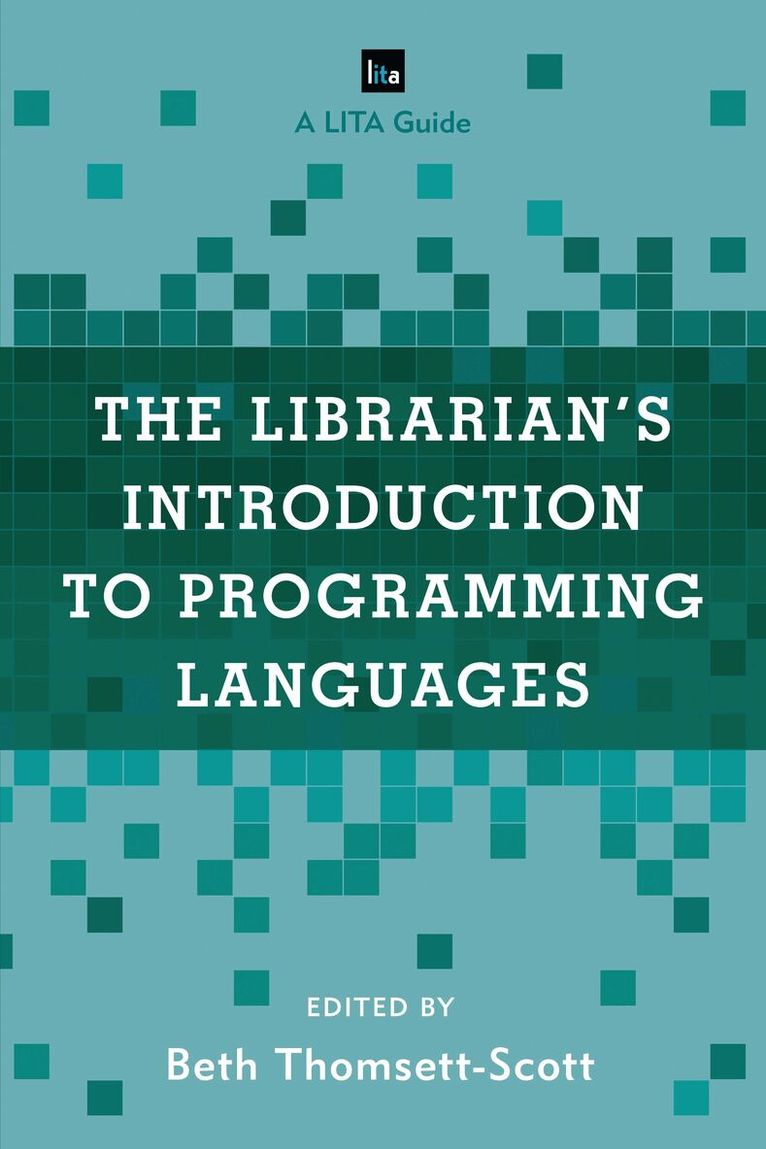
The Librarian’s Introduction to Programming Languages presents case studies and practicalapplications for using the top programming languages in library and information settings. Whilethere are books and Web sites devoted to teaching programming, there are few works thataddress multiple programming languages or address the specific reasons why programming is acritical area of learning for library and information science professionals.There are many books on programming languages but no recent items directly written for librarians that span a variety of programs. Many practicing librarians see programming as something for IT people or beyond their capabilities. This book will help these librarians to feel comfortable discussion programming with others by providing an understanding of when the language might be useful, what is needed to make it work, and relevant tools to extend its application. Additionally, the inclusion of practical examples lets readers try a small “app” for the language. This also will assist readers who want to learn a language but are unsure of which language would be the best fit for them in terms of learning curve and application. Languages covered are:JavaScriptPERLPHPSQLPythonRubyCC#JavaThis book is designed to provide a basic working knowledge of each language presented, casestudies which show the programming language used in real ways and resources for exploringeach language in more detail.
999 kr
Skickas inom 10-15 vardagar
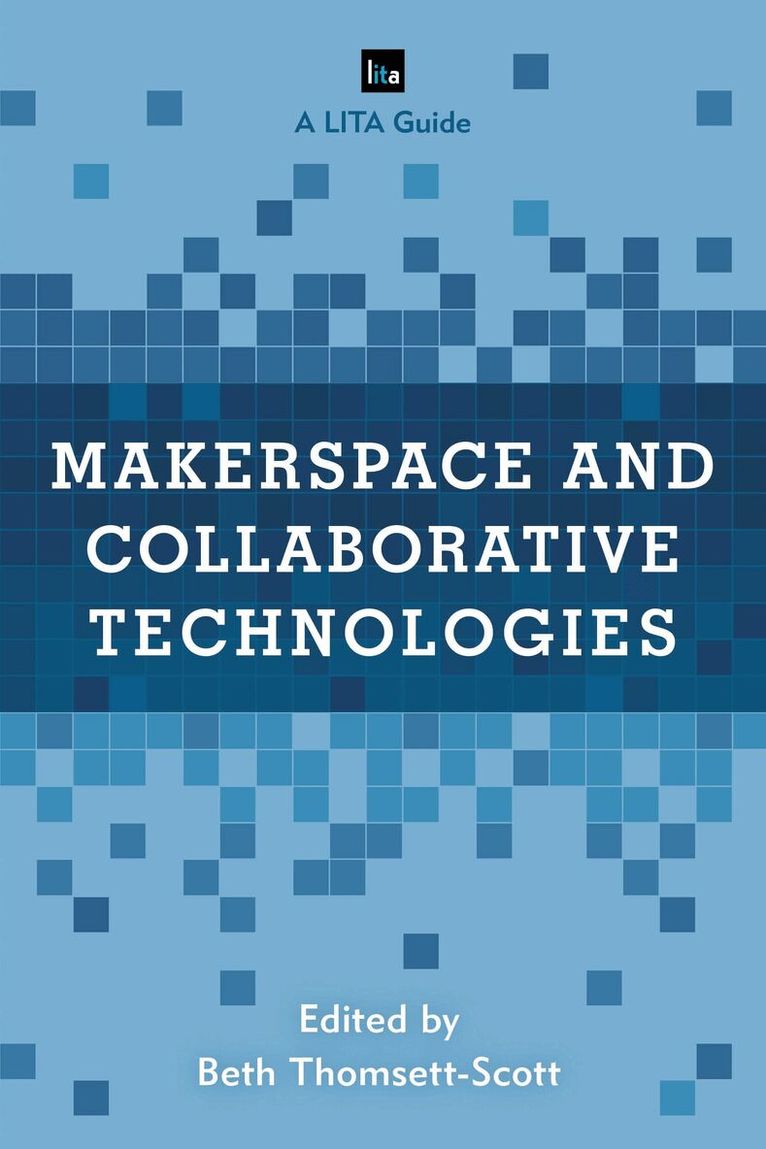
So, what are library patrons doing with makerspaces and other innovative technology? This book explores how patrons are using innovative technologies utilizing real-life case studies from a variety of academic institutions. Authors were selected based on the technology provided and their expertise in establishing and marketing this technology. Readers will discover:which pieces of technology get the most useif patrons tend to use the tech for class assignments or leisure activitiesthe importance of working with faculty to increase useunusual collaboration opportunitiesexamples of libraries nimbly expanding their spaces to include tech students needunique ways patrons employ the technologybest practices for designing collaborative creative spacesTechnologies discussed include:Microsoft Hololensvirtual reality and augmented reality systems and support tools3D modeling and printingmakerspace additions beyond the usualinstructional technologies used by patronsvideo production and editing equipmenttool librarytechnology lending programs (what students want!)Dive in to explore the uncharted seas of which technologies patrons are using, how they are using them, and the purposes of use. As added bonuses, authors include best practices on designing space, marketing the technology, and collaborating to enhance the use. While authors do not go into any depth on the workings of the technology, there are other supplementary books which will cover this area. Makerspace and Collaborative Technologies specifically looks at how and why patrons are using library-provided creative technologies. Library staff who work with creative technologies in any way, shape, or form will find this book useful. With the valuable information contained in this guide, libraries can reach their users and create spaces and interactions that keep them coming back.
483 kr
Skickas inom 10-15 vardagar
So, what are library patrons doing with makerspaces and other innovative technology? This book explores how patrons are using innovative technologies utilizing real-life case studies from a variety of academic institutions. Authors were selected based on the technology provided and their expertise in establishing and marketing this technology. Readers will discover:which pieces of technology get the most useif patrons tend to use the tech for class assignments or leisure activitiesthe importance of working with faculty to increase useunusual collaboration opportunitiesexamples of libraries nimbly expanding their spaces to include tech students needunique ways patrons employ the technologybest practices for designing collaborative creative spacesTechnologies discussed include:Microsoft Hololensvirtual reality and augmented reality systems and support tools3D modeling and printingmakerspace additions beyond the usualinstructional technologies used by patronsvideo production and editing equipmenttool librarytechnology lending programs (what students want!)Dive in to explore the uncharted seas of which technologies patrons are using, how they are using them, and the purposes of use. As added bonuses, authors include best practices on designing space, marketing the technology, and collaborating to enhance the use. While authors do not go into any depth on the workings of the technology, there are other supplementary books which will cover this area. Makerspace and Collaborative Technologies specifically looks at how and why patrons are using library-provided creative technologies. Library staff who work with creative technologies in any way, shape, or form will find this book useful. With the valuable information contained in this guide, libraries can reach their users and create spaces and interactions that keep them coming back.
1 088 kr
Skickas inom 3-6 vardagar
Social web technologies present an often confusing array of options for answering user reference questions. Applying 20 years’ experience as a reference librarian working through the development of virtual reference and the integration of new tools and technologies into the industry, Thomsett-Scott lays out how libraries are using vendor services such as LibraryH3lp, LibAnswers, and Text a Librarian, as well as free tools like Twitter and Google Voice for their reference needs. Practitioners offer details on virtual reference services such as Twitter Search, instant messaging services such as Google Voice and Chat, and collaborative services such as My Info Quest.