Betsy Winakur Tontiplaphol - Böcker
Visar alla böcker från författaren Betsy Winakur Tontiplaphol. Handla med fri frakt och snabb leverans.
6 produkter
6 produkter
883 kr
Skickas inom 10-15 vardagar
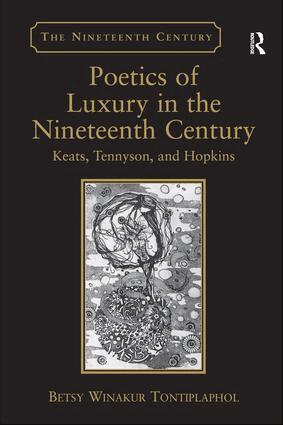
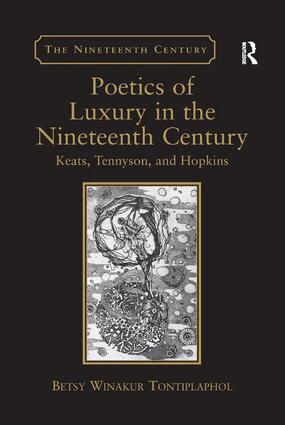
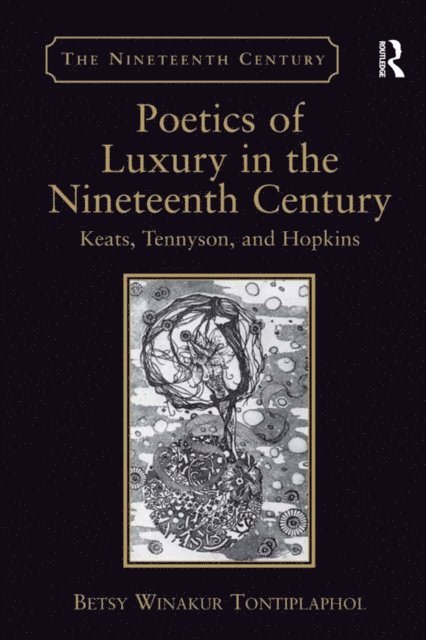
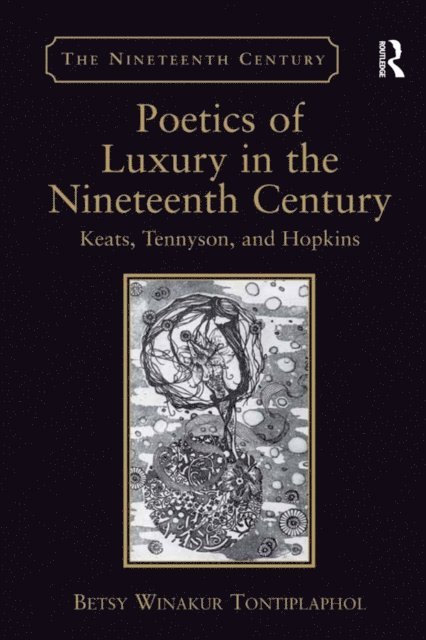
Beginning with John Keats and tracing a line of influence through Alfred Lord Tennyson and Gerard Manley Hopkins, Betsy Tontiplaphol draws on established narratives of the nineteenth century's social and literary developments to describe the relationship between poetics and luxury in an age when imperial trade and domestic consumerism reached a fevered pitch. The "luscious poem," as Tontiplaphol defines it, is a subset of the luxurious, a category that suggests richness in combination with enclosure and intimacy. For Keats, Tontiplaphol suggests, the psychological virtues of luscious experience generated a new poetics, one that combined his Romantic predecessors' sense of the ameliorative power of poetry with his own revaluation of space, both physical and prosodic. Her approach blends cultural context with close attention to the formal and affective qualities of poetry as she describes the efforts of Keats and his equally”though differently”anxious Victorian inheritors to develop textual spaces as luscious as the ones their language describes. For all three poets, that effort entailed rediscovering and reinterpreting the list, or catalogue, and each chapter's textual and formal analyses are offered in counterpoint to careful examination of the century's luscious materialities. Her book is at once a study of influence, a socio-historical critique, and a form-focused assessment of three century-defining voices.
2 508 kr
Skickas inom 10-15 vardagar
Beginning with John Keats and tracing a line of influence through Alfred Lord Tennyson and Gerard Manley Hopkins, Betsy Tontiplaphol draws on established narratives of the nineteenth century's social and literary developments to describe the relationship between poetics and luxury in an age when imperial trade and domestic consumerism reached a fevered pitch. The "luscious poem," as Tontiplaphol defines it, is a subset of the luxurious, a category that suggests richness in combination with enclosure and intimacy. For Keats, Tontiplaphol suggests, the psychological virtues of luscious experience generated a new poetics, one that combined his Romantic predecessors' sense of the ameliorative power of poetry with his own revaluation of space, both physical and prosodic. Her approach blends cultural context with close attention to the formal and affective qualities of poetry as she describes the efforts of Keats and his equally”though differently”anxious Victorian inheritors to develop textual spaces as luscious as the ones their language describes. For all three poets, that effort entailed rediscovering and reinterpreting the list, or catalogue, and each chapter's textual and formal analyses are offered in counterpoint to careful examination of the century's luscious materialities. Her book is at once a study of influence, a socio-historical critique, and a form-focused assessment of three century-defining voices.
Del 15 - Romantic Reconfigurations: Studies in Literature and Culture 1780-1850
Pointe of the Pen
Nineteenth-Century Poetry and the Balletic Imagination
Inbunden, Engelska, 2021
2 144 kr
Skickas inom 7-10 vardagar
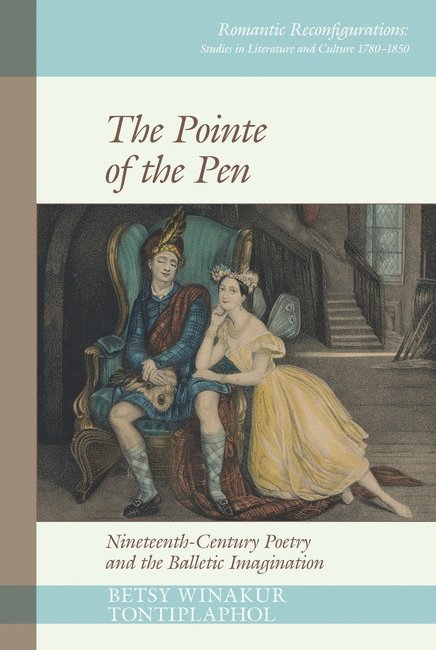
Originally a courtly art, ballet experienced dramatic evolution (but never, significantly, theprospect of extinction) as attitudes toward courtliness itself shifted in the aftermath of the French Revolution. As a result, it afforded a valuable model to poets who, like Wordsworth and his successors, aspired to make the traditionally codified, formal, and, to some degree, aristocratic art of poetry compatible with “the very language of men” and, therefore, relevant to a newclass of readers. Moreover, as a model, ballet was visible as well as valuable. Dance historians recount the extraordinary popularity of ballet and its practitioners in the nineteenth century, and The Pointe of the Pen challenges literary historians’ assertions – sometimes implicit, sometimes explicit – that writers were immune to the balletomania that shaped both Romantic and Victorian England, as well as Europe more broadly. The book draws on both primary documents (such as dance treatises and performance reviews) and scholarly histories of dance to describe the ways in which ballet's unique culture and aesthetic manifest in the forms, images, and ideologies of significant poems by Wordsworth, Byron, Shelley, and Barrett Browning.
Del 15 - Romantic Reconfigurations: Studies in Literature and Culture 1780-1850
Pointe of the Pen
Nineteenth-Century Poetry and the Balletic Imagination
Häftad, Engelska, 2024
579 kr
Skickas inom 7-10 vardagar
Originally a courtly art, ballet experienced dramatic evolution (but never, significantly, theprospect of extinction) as attitudes toward courtliness itself shifted in the aftermath of the French Revolution. As a result, it afforded a valuable model to poets who, like Wordsworth and his successors, aspired to make the traditionally codified, formal, and, to some degree, aristocratic art of poetry compatible with “the very language of men” and, therefore, relevant to a newclass of readers. Moreover, as a model, ballet was visible as well as valuable. Dance historians recount the extraordinary popularity of ballet and its practitioners in the nineteenth century, and The Pointe of the Pen challenges literary historians’ assertions – sometimes implicit, sometimes explicit – that writers were immune to the balletomania that shaped both Romantic and Victorian England, as well as Europe more broadly. The book draws on both primary documents (such as dance treatises and performance reviews) and scholarly histories of dance to describe the ways in which ballet's unique culture and aesthetic manifest in the forms, images, and ideologies of significant poems by Wordsworth, Byron, Shelley, and Barrett Browning.
1 324 kr
Skickas inom 10-15 vardagar
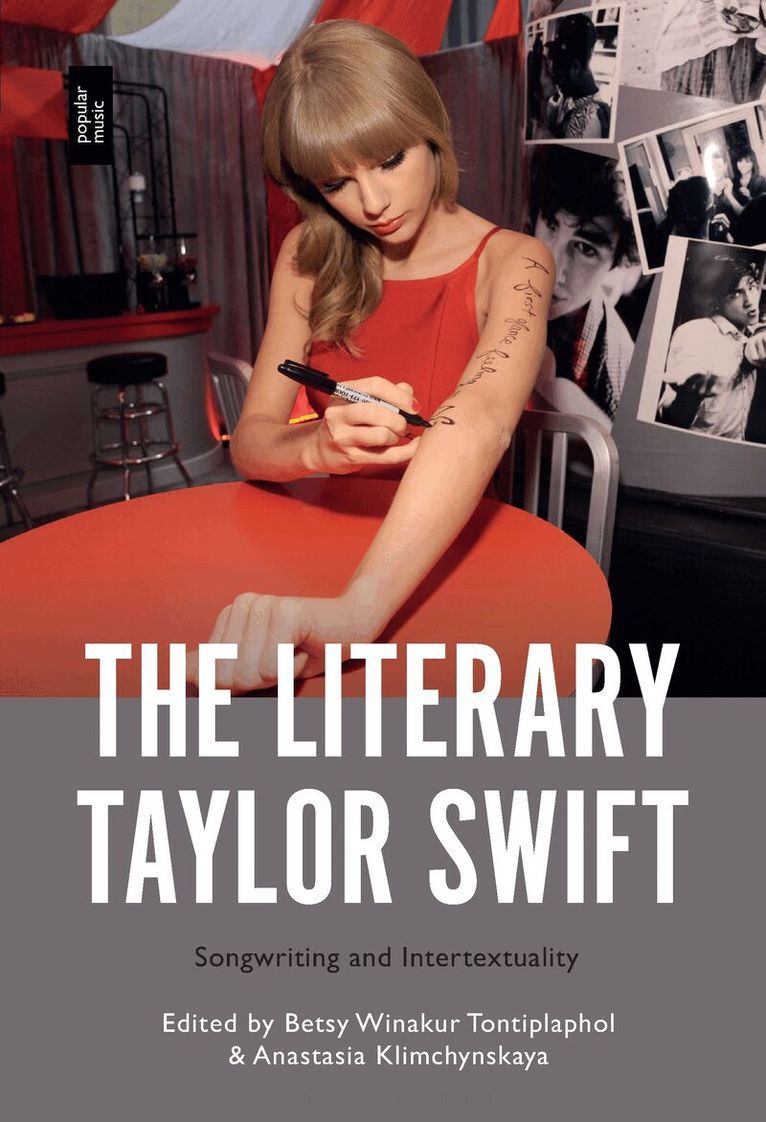
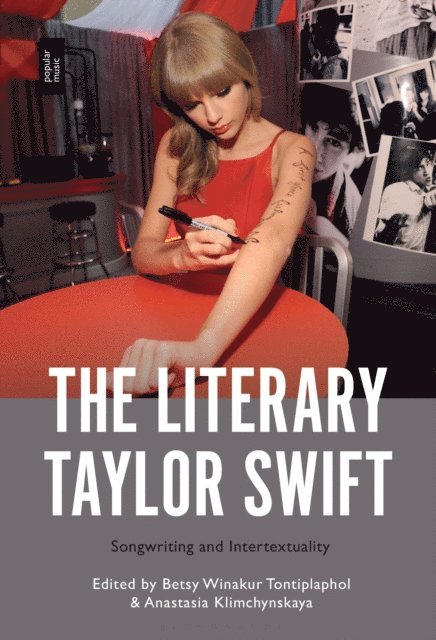
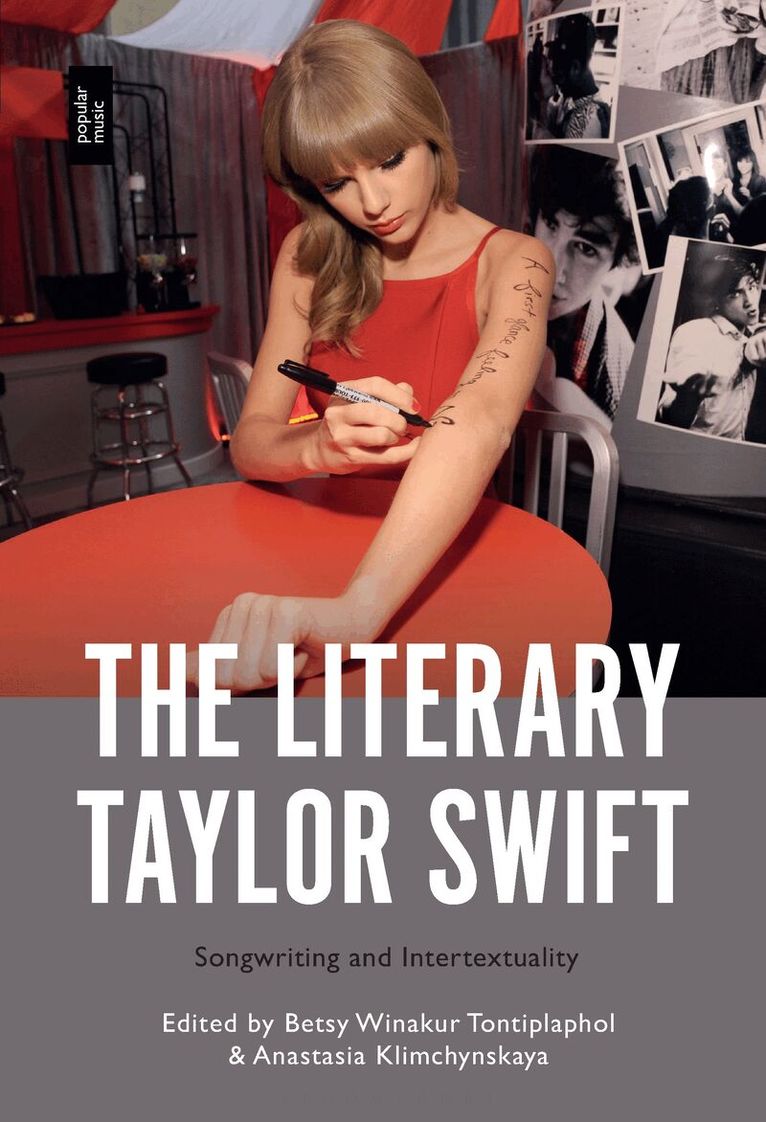
Taylor Swift, arguably the most prolific and acclaimed singer-songwriter of the 21st century, has shaped her listeners’ collective consciousness and challenged her industry’s often limiting attitudes toward genre, revision, and collaboration. Although Swift is a perennial subject in the media, cast in both a positive and a negative light, few professional scholars have considered her ever-growing body of work. The Literary Taylor Swift examines Swift’s significance and timeliness through literary analysis and theory. Taylor Swift has been celebrated for her ability to craft immersive narratives and to articulate, with lyrical acuity, a broad range of emotional experiences, and her lyrics underscore her profound relationship with text. The Literary Taylor Swift explores Swift’s engagements, intertextual and otherwise, with literature and treats her songs as literature—as, that is, stories, poems, and other textual forms to which literary-critical theories and methodologies can and should be productively applied. This collection offers carefully curated arguments constellated around four key relationships: Swift and the literary-historical canon; Swift and the language of gender and sexuality; Swift and the relationship between writing and memory; and Swift and the nature of literary craft.
404 kr
Kommande
Taylor Swift, arguably the most prolific and acclaimed singer-songwriter of the 21st century, has shaped her listeners’ collective consciousness and challenged her industry’s often limiting attitudes toward genre, revision, and collaboration. Although Swift is a perennial subject in the media, cast in both a positive and a negative light, few professional scholars have considered her ever-growing body of work. The Literary Taylor Swift examines Swift’s significance and timeliness through literary analysis and theory. Taylor Swift has been celebrated for her ability to craft immersive narratives and to articulate, with lyrical acuity, a broad range of emotional experiences, and her lyrics underscore her profound relationship with text. The Literary Taylor Swift explores Swift’s engagements, intertextual and otherwise, with literature and treats her songs as literature—as, that is, stories, poems, and other textual forms to which literary-critical theories and methodologies can and should be productively applied. This collection offers carefully curated arguments constellated around four key relationships: Swift and the literary-historical canon; Swift and the language of gender and sexuality; Swift and the relationship between writing and memory; and Swift and the nature of literary craft.