Bettina Bien Greaves – författare
Visar alla böcker från författaren Bettina Bien Greaves. Handla med fri frakt och snabb leverans.
25 produkter
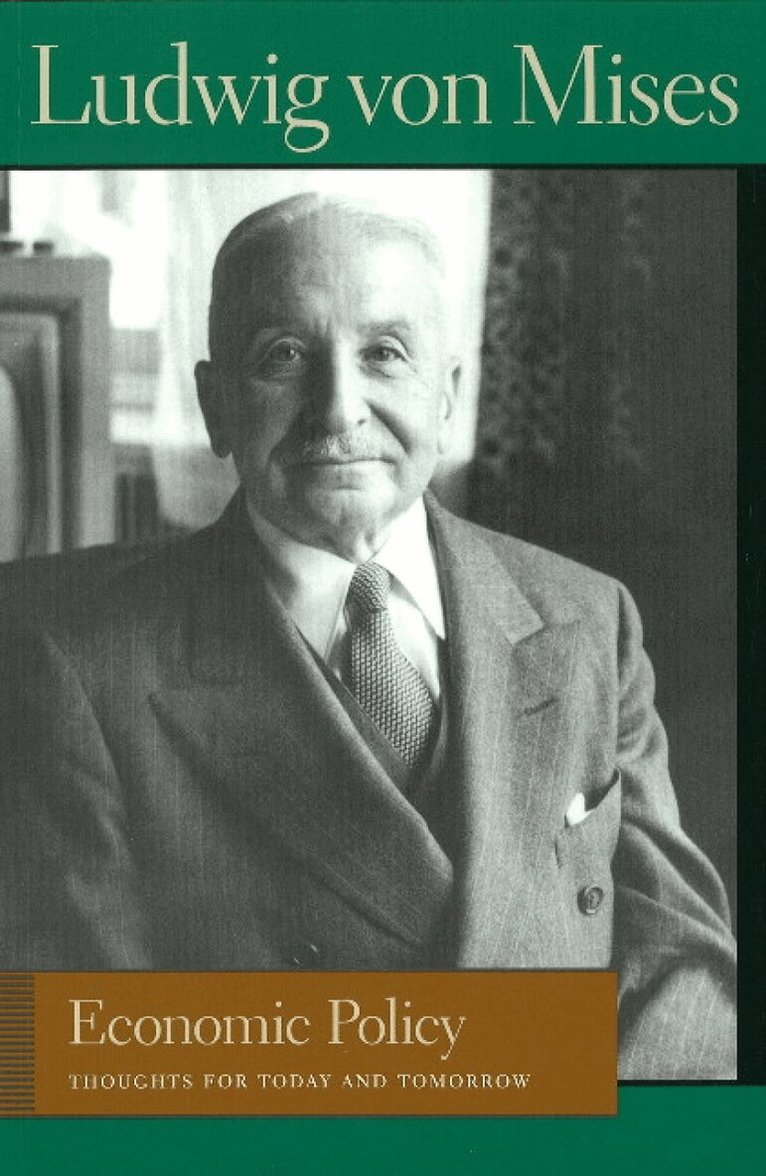
Economic Policy
Thoughts for Today & Tomorrow
Av Ludwig von Mises, Bettina Bien Greaves
Häftad, 2010
215 kr
Lägg i varukorg
"Economic Policy" contains six lectures Ludwig von Mises delivered in 1959 at the Centro de Estudios Sobre la Libertad in Argentina. The lectures were posthumously transcribed by Mises's wife, Margit, and edited by George Koether, a student and long-time friend of Mises. This volume serves as an …
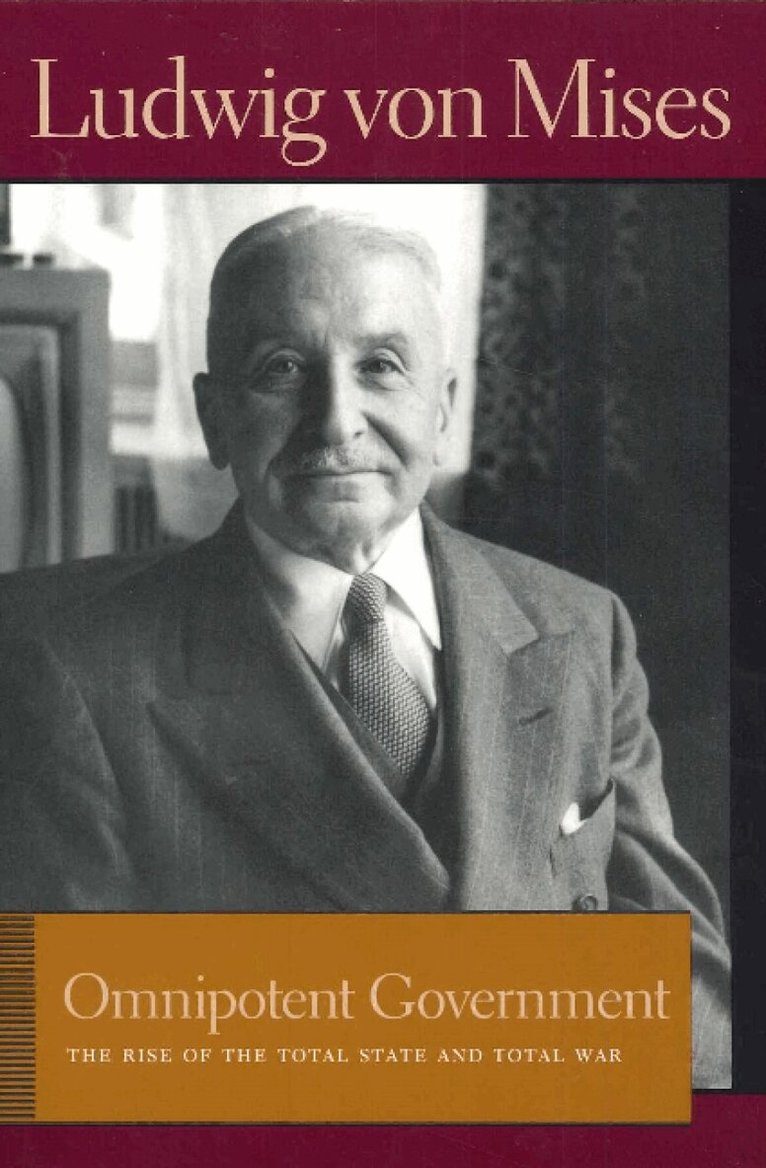
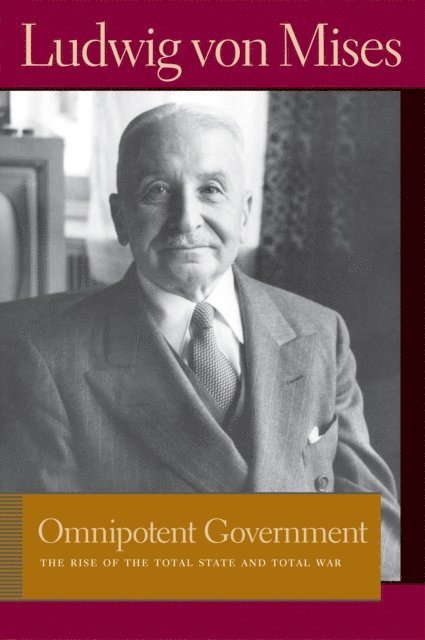
Omnipotent Government
The Rise of the Total State & Total War
Av Ludwig von Mises, Bettina Bien Greaves
Häftad, 2011
149 kr
Lägg i varukorg
Published in 1944, during World War II, Omnipotent Government was Mises's first book written and published after he arrived in the United States. In this volume Mises provides in economic terms an explanation of the international conflicts that caused both world wars. Although written more than …
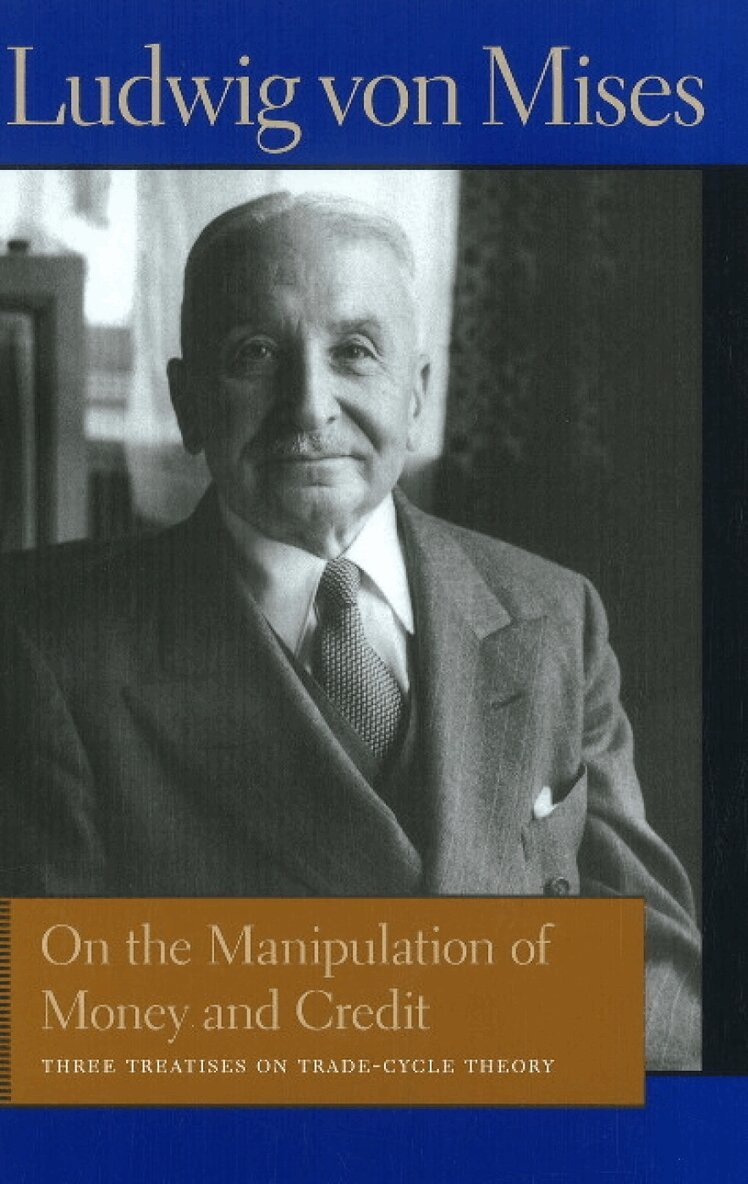
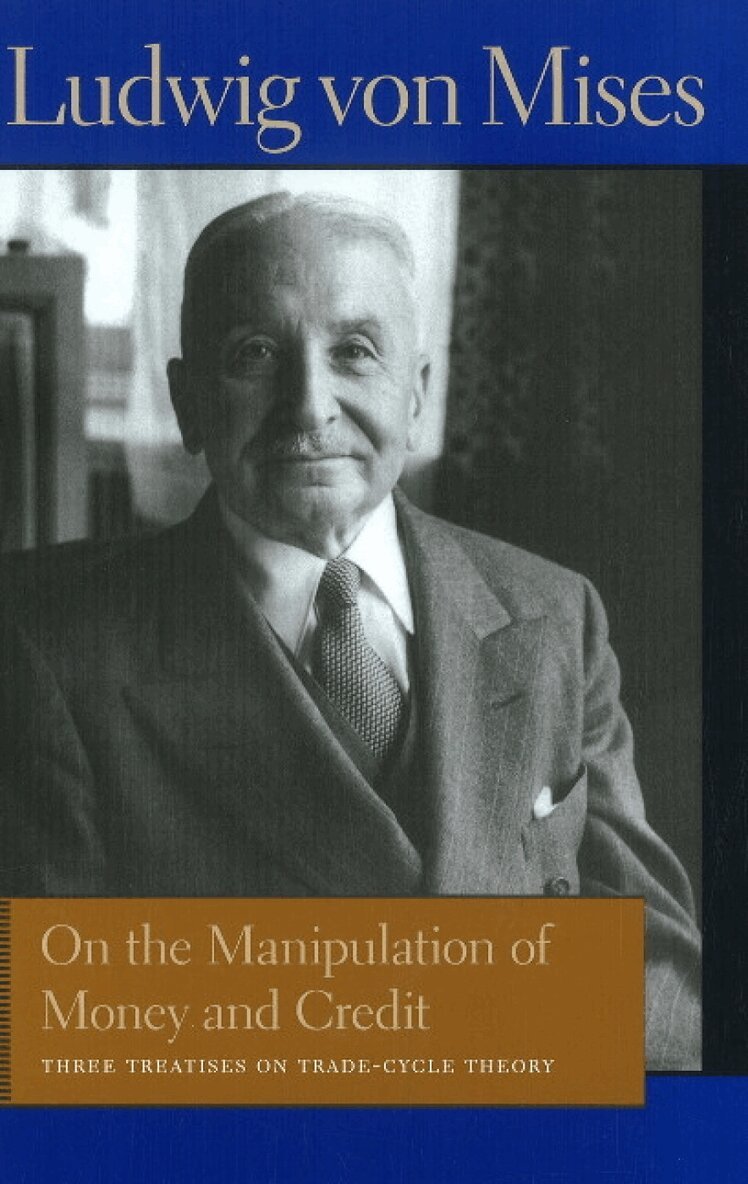
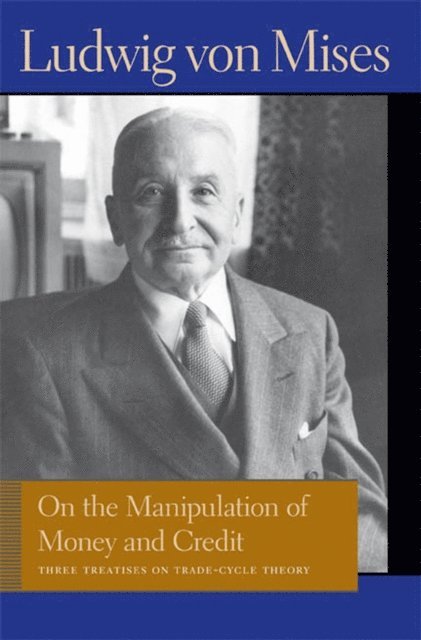
On the Manipulation of Money & Credit
Three Treatises on Trade-Cycle Theory
Av Ludwig von Mises, Bettina Bien Greaves
Häftad, 2011
129 kr
Lägg i varukorg
Published by Liberty Fund for the first time in English, "On the Manipulation of Money and Credit" consists primarily of three pieces on monetary theory written by Ludwig von Mises between 1923 and 1931. As a precursor to Human Action, Mises's magnum opus, this volume includes some of his most …
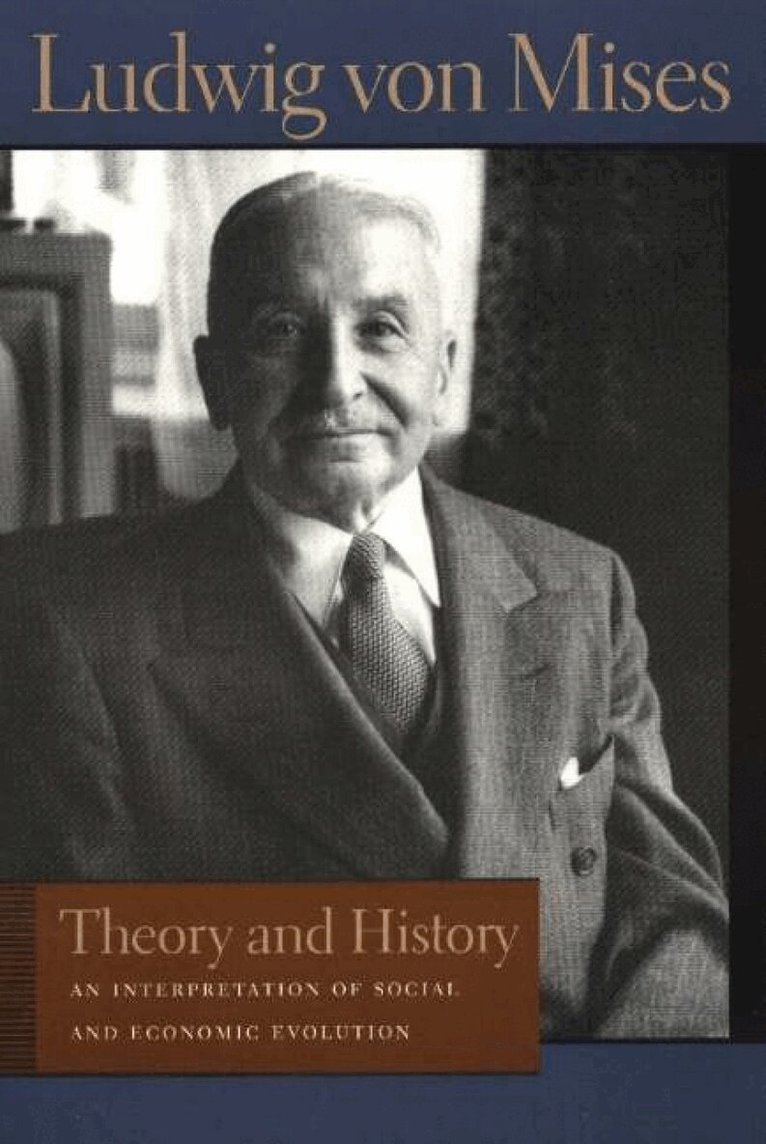
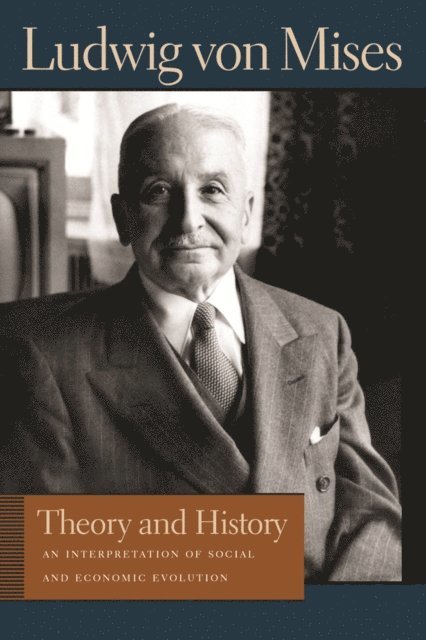
Theory & History
An Interpretation of Social & Economic Evolution
Av Ludwig von Mises, Bettina Bien Greaves
Häftad, 2005
157 kr
Lägg i varukorg
Ludwig von Mises was the leading exponent of the Austrian School of economics throughout most of the twentieth century. He has long been regarded as a most knowledgeable and respected economist, even though his teachings were generally outside the 'mainstream'. THEORY AND HISTORY is primarily a …
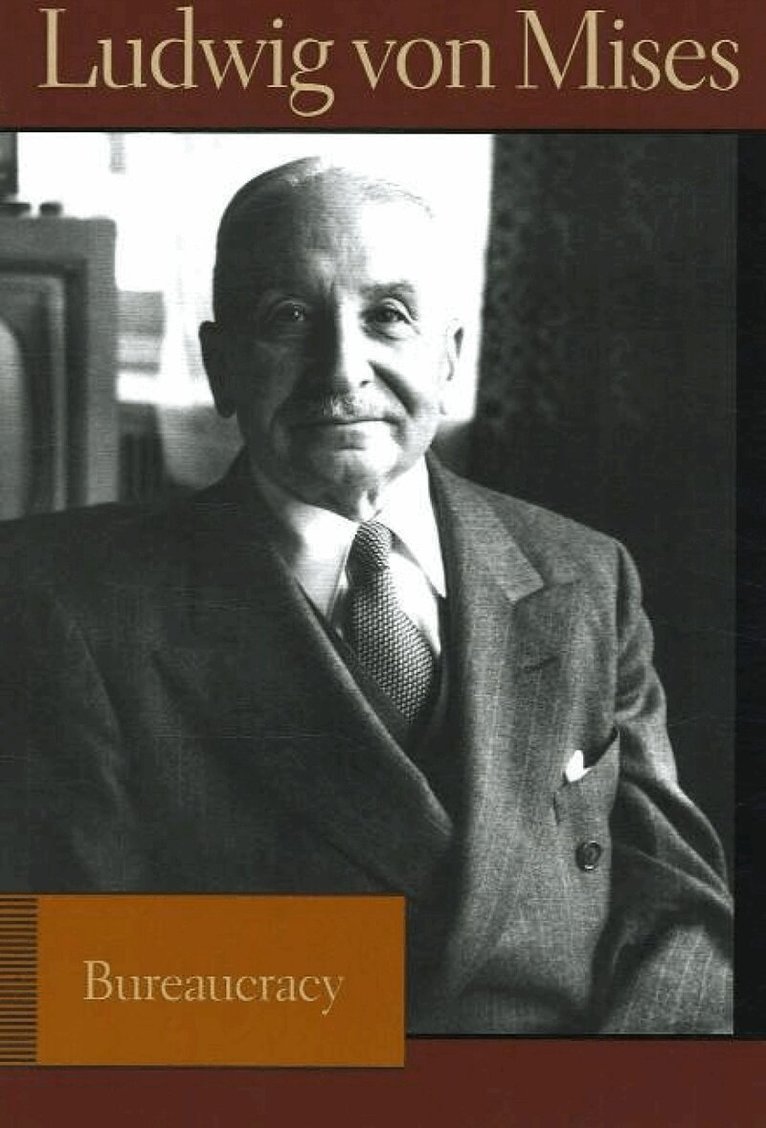
Bureaucracy
Av Ludwig von Mises, Bettina Bien Greaves
Häftad, 2007
209 kr
Lägg i varukorg
Originally published by Yale University Press in 1944, 'Bureaucracy' is a classic fundamental examination of the nature of bureaucracies and free markets in juxtaposition to various political systems. 'Bureaucracy' contrasts the two forms of economic management -- that of a free market economy and …
On the Manipulation of Money & Credit
Three Treatises on Trade-Cycle Theory
Av Ludwig von Mises, Bettina Bien Greaves
Inbunden, 2011
247 kr
Lägg i varukorg
Published by Liberty Fund for the first time in English, "On the Manipulation of Money and Credit" consists primarily of three pieces on monetary theory written by Ludwig von Mises between 1923 and 1931. As a precursor to Human Action, Mises's magnum opus, this volume includes some of his most …
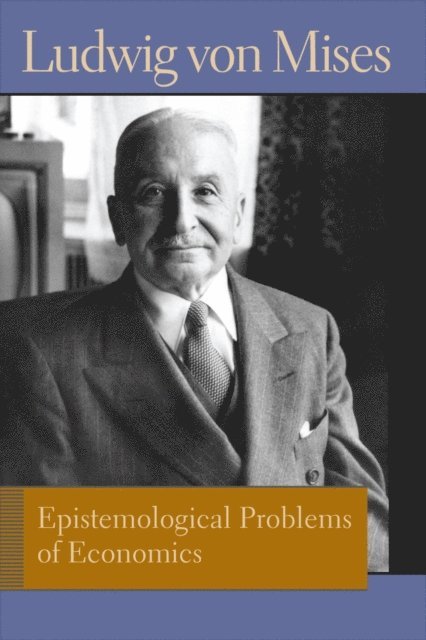
Epistemological Problems of Economics
Av Ludwig von Mises, Bettina Bien Greaves
Inbunden, 2013
326 kr
Lägg i varukorg
First published in German in 1933 and in English in 1960, Epistemological Problems of Economics presents Ludwig von Mises's views on the logical and epistemological features of social interpretation as well as his argument that the Austrian theory of value is the core element of a general theory of …
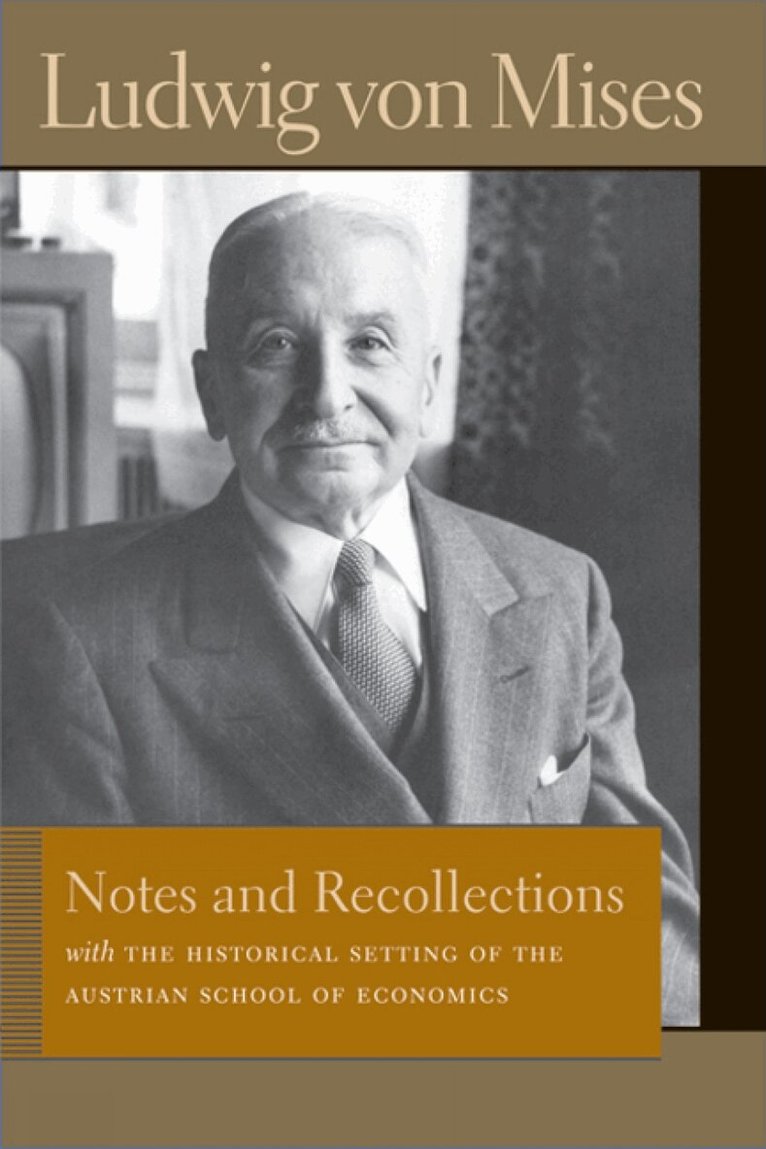
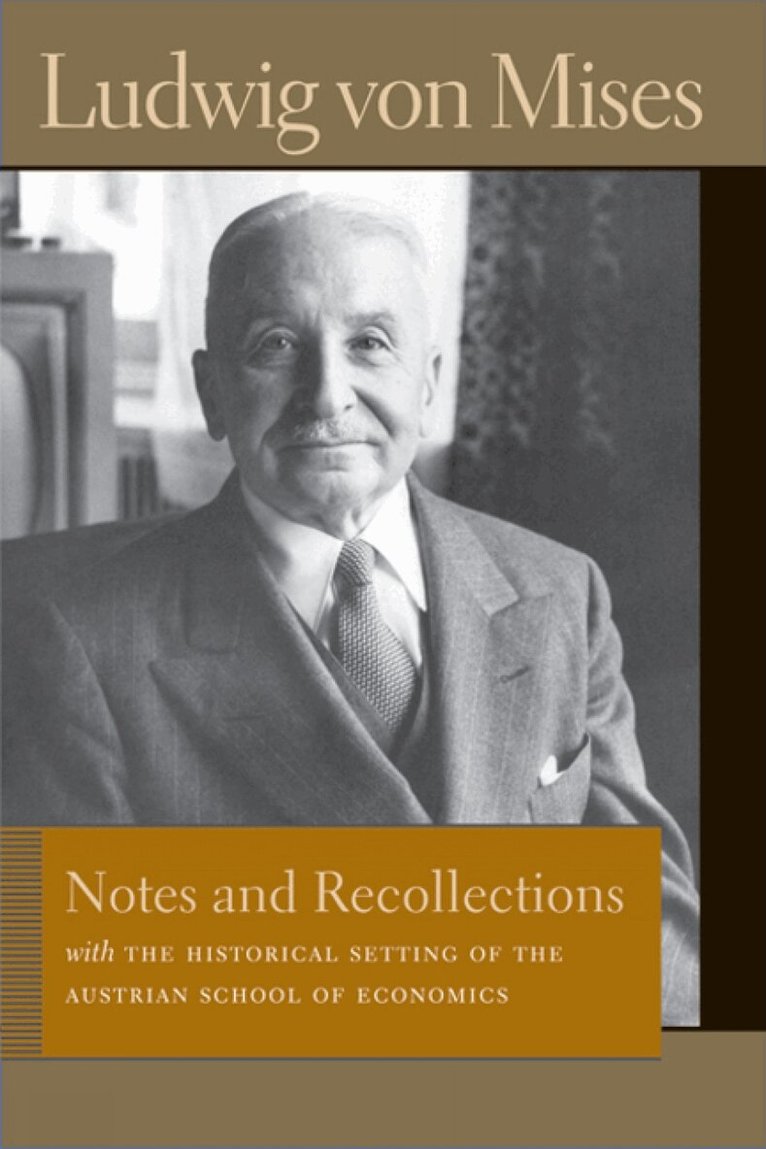
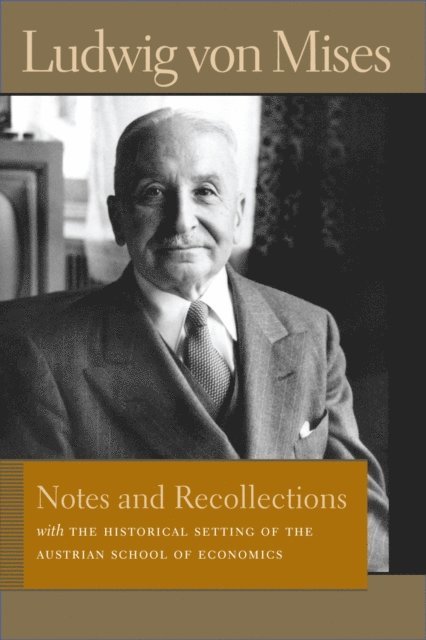
Notes & Recollections
With the Historical Setting of the Austrian School of Economics
Av Ludwig von Mises, Bettina Bien Greaves
Inbunden, 2013
247 kr
Lägg i varukorg
Published for the first time together in one volume is Ludwig von Mises's Notes and Recollections with The Historical Setting of the Austrian School of Economics. Written between 1940 and 1941, shortly after he arrived in the United States, Notes and Recollections is in effect Mises's pre-1940 …
Notes & Recollections
With the Historical Setting of the Austrian School of Economics
Av Ludwig von Mises, Bettina Bien Greaves
Häftad, 2013
215 kr
Lägg i varukorg
Published for the first time together in one volume is Ludwig von Mises's Notes and Recollections with The Historical Setting of the Austrian School of Economics. Written between 1940 and 1941, shortly after he arrived in the United States, Notes and Recollections is in effect Mises's pre-1940 …
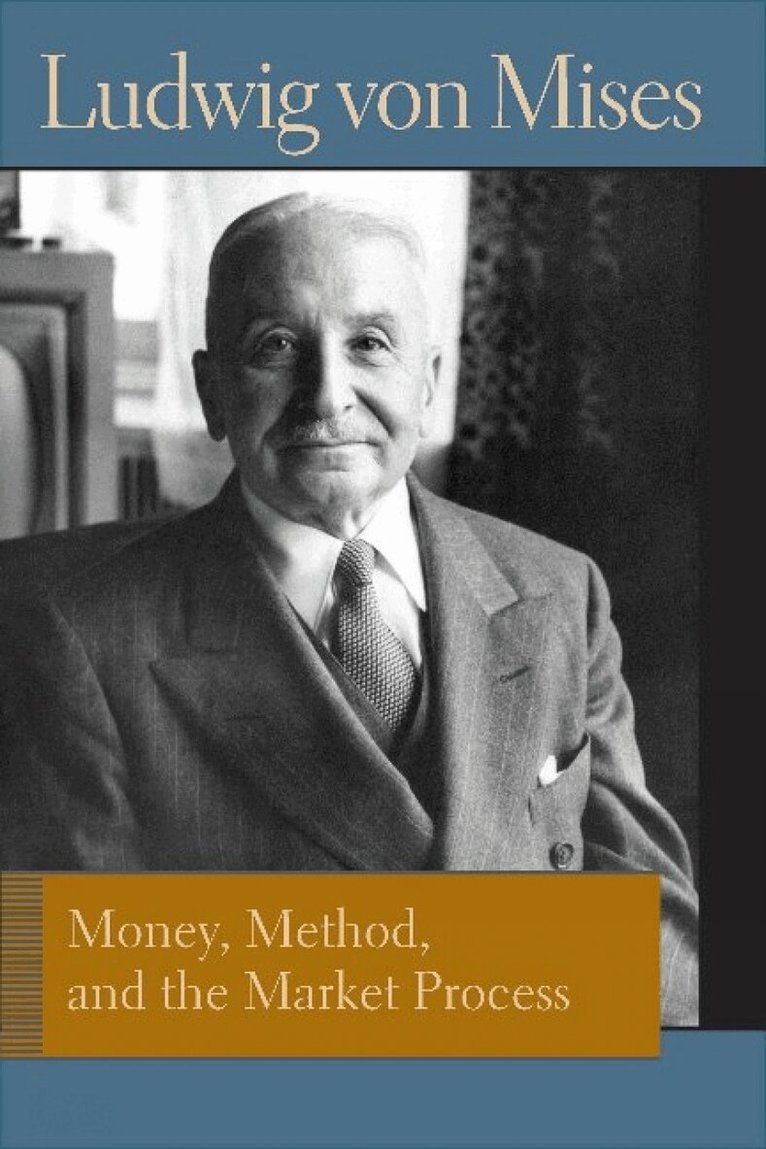
Money, Method and the Market Process
Av Ludwig von Mises, Bettina Bien Greaves
Inbunden, 2016
279 kr
Lägg i varukorg
After Ludwig von Mises's death in 1973, his wife, Margit von Mises, went through his unpublished and out-of-print essays and selected twenty-one of the essays for publication. The result was Money, Method, and the Market Process, published in 1990 by Kluwer Academic Publishers and the Ludwig von …
Money, Method and the Market Process
Av Ludwig von Mises, Bettina Bien Greaves
Häftad, 2016
157 kr
Lägg i varukorg
After Ludwig von Mises's death in 1973, his wife, Margit von Mises, went through his unpublished and out-of-print essays and selected twenty-one of the essays for publication. The result was Money, Method, and the Market Process, published in 1990 by Kluwer Academic Publishers and the Ludwig von …
Ludwig von Mises on Money and Inflation (Large Print Edition): A Synthesis of Several Lectures
Häftad
151 kr
Lägg i varukorg
Anti-capitalistic Mentality
Av Ludwig von Mises, Bettina Bien Greaves
E-bok, 2006
84 kr
Lägg i varukorg
In The Anti-capitalistic Mentality, the respected economist Ludwig von Mises plainly explains the causes of the irrational fear and hatred many intellectuals and others feel for capitalism. In five concise chapters, he traces the causation of the misunderstandings and resultant fears that cause …
Economic Policy
Thoughts for Today and Tomorrow
Av Ludwig von Mises, Bettina Bien Greaves
E-bok, 2010
82 kr
Lägg i varukorg
Economic Policy contains six lectures Ludwig von Mises delivered in 1959 for the Centro de Estudios sobre la Libertad in Argentina. The lectures were posthumously edited by Mises’s wife, Margit, and George Koether, a student and long-time friend of Mises. This volume serves as an excellent …
Human Action
A Treatise on Economics
Av Ludwig von Mises, Bettina Bien Greaves
E-bok, 2007
84 kr
Lägg i varukorg
In Human Action , Mises starts from the ideas set forth in his Theory and History that all actions and decisions are based on human needs, wants, and desires and continues deeper and further to explain how studying this human action is not only a legitimate science (praxeology) but how that science …
Liberalism
The Classical Tradition
Av Ludwig von Mises, Bettina Bien Greaves
E-bok, 2005
80 kr
Lägg i varukorg
This book presents the theoretical and practical arguments for liberalism in the classical tradition as defined by Mises as “the liberal doctrine of the harmony of the rightly understood interests of all members of a free society founded on the principle of private ownership of the means of …
Nation, State, and Economy
Contributions to the Politics and History of Our Time
Av Ludwig von Mises, Bettina Bien Greaves
E-bok, 2006
84 kr
Lägg i varukorg
Essential to Mises’s concept of a classical liberal economy is the absence of interference by the state. In World War I, Germany and its allies were overpowered by the Allied Powers in population, economic production, and military might, and its defeat was inevitable. Mises believed that Germany …
Theory and History
An Interpretation of Social and Economic Evolution
Av Ludwig von Mises, Bettina Bien Greaves
E-bok, 2005
82 kr
Lägg i varukorg
Theory and History is primarily a critique of Karl Marx, his materialism, and his prediction of the inevitability of socialism. Marx attributes the creation of tools and machines, as well as the economic structure of society, to undefined “material productive forces.” Mises rejects this …
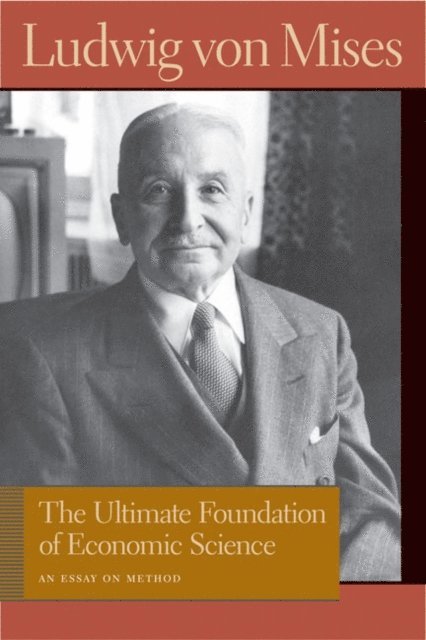
Ultimate Foundation of Economic Science
An Essay on Method
Av Ludwig von Mises, Bettina Bien Greaves
E-bok, 2006
82 kr
Lägg i varukorg
In this volume, Mises argued that economics is a science because human action is a natural order of life and that it is the actions of humans that determine markets and capital decisions. Since Mises believed these links could be proven scientifically, he concluded that economics, with its basis on …
On the Manipulation of Money and Credit
Three Treatises on Trade-Cycle Theory
Av Ludwig von Mises, Jr. Percy L. Greaves m. fl.
E-bok, 2011
82 kr
Lägg i varukorg
The three treatises in On the Manipulation of Money and Credit were written in German between 1923 and 1931. Together they include some of Mises’s most important contributions to monetary and trade-cycle theories and constitute a precursor to Mises’s major work, Human Action . Ludwig von Mises …
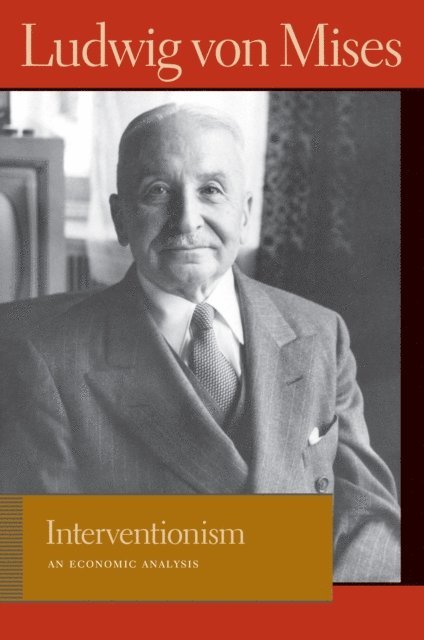
Interventionism
An Economic Analysis
Av Ludwig von Mises, Bettina Bien Greaves
E-bok, 2011
84 kr
Lägg i varukorg
Interventionism provides Mises’s analysis of the problems of government interference in business from the Austrian school perspective. Written in 1940, before the United States was officially involved in World War II, this book offers a rare insight into the war economies of Hitler’s Germany and …
Omnipotent Government
The Rise of the Total State and Total War
Av Ludwig von Mises, Bettina Bien Greaves
E-bok, 2011
82 kr
Lägg i varukorg
Published in 1944, during World War II, Omnipotent Government was Mises’s first book written and published after he arrived in the United States. In this volume Mises provides in economic terms an explanation of the international conflicts that caused both world wars. Although written more than …
Epistemological Problems of Economics
Av Ludwig von Mises, Bettina Bien Greaves
E-bok, 2013
84 kr
Lägg i varukorg
First published in German in 1933 and in English in 1960, Epistemological Problems of Economics presents Ludwig von Mises’s views on the logical and epistemological features of social interpretation as well as his argument that the Austrian theory of value is the core element of a general theory of …
Notes and Recollections
With The Historical Setting of the Austrian School of Economics
Av Ludwig von Mises, Bettina Bien Greaves
E-bok, 2013
79 kr
Lägg i varukorg
Published for the first time together in one volume is Ludwig von Mises’s Notes and Recollections with The Historical Setting of the Austrian School of Economics . Written between 1940 and 1941, shortly after he arrived in the United States, Notes and Recollections is in effect Mises’s pre-1940 …