Beverly Dawn Metcalfe - Böcker
Visar alla böcker från författaren Beverly Dawn Metcalfe. Handla med fri frakt och snabb leverans.
6 produkter
6 produkter
2 306 kr
Skickas inom 10-15 vardagar
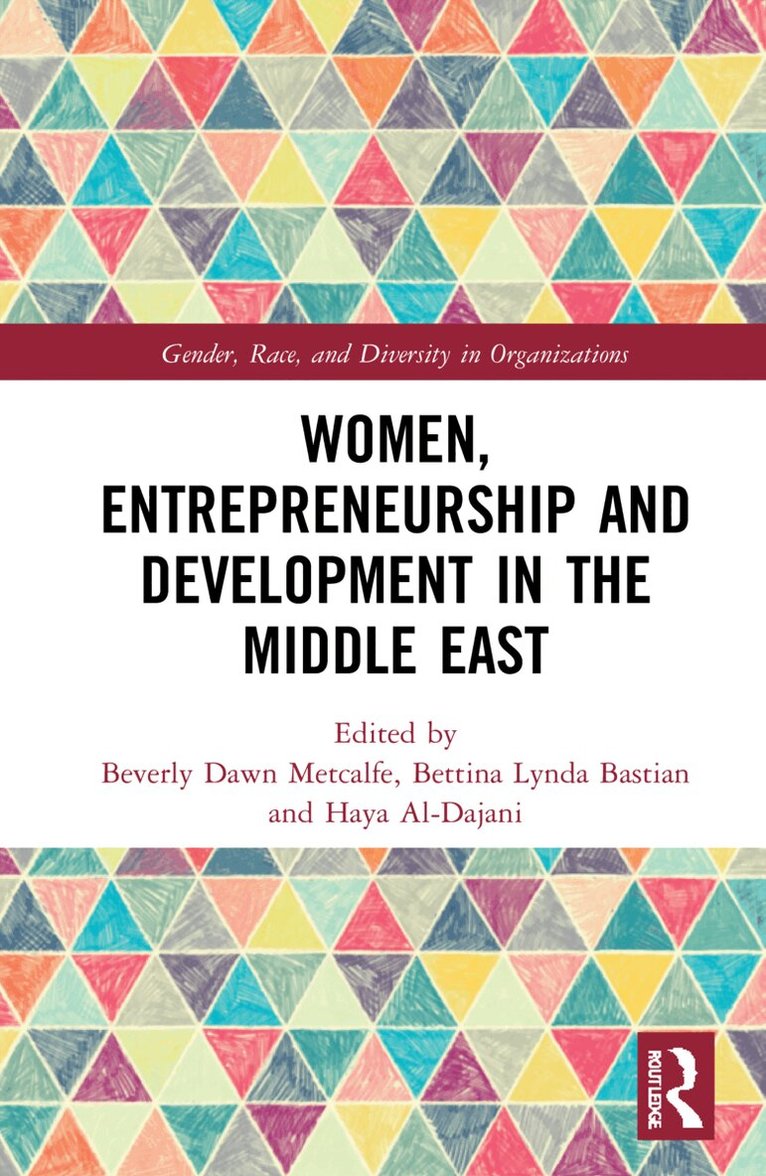
The Middle East was the region least impacted in the 2008 crisis, has investment systems markedly different to the West, is largely governed by Islamic Shari’a, and has varying forms of governance and institutional organization, which are not understood by many, nor how these systems shape entrepreneurial and industrial development. While the Middle East as a region has seen a small growth in entrepreneurship for women, and business scholarship on the Middle East has grown, there is no text in English that has brought critical insights from the Middle East together in a single volume. In examining women’s entrepreneurship in the Middle East, this book aims to challenge Global North assumptions about the disempowering impacts of Islamic Shari’a and governance. Referring to the constraints of Islam on women’s subjectivity and agency greatly misunderstands religious identity, of both men and women, and the way in which public administration and private sector institutions are organized in very different ways to Western regions. This timely text expands and adds new insights to the theorizations of women’s entrepreneurship in the Middle East, through unravelling spatialized themes, and incorporates contemporary themes including: an Islamic science reading of women, work and venturing; changing families and entrepreneurship development; women managing social crises; Islamization, governance and women; Islamic feminist activisms and entrepreneurship; representations of women’s entrepreneurship on social media; and women’s collectives leading entrepreneurship via Facebook entrepreneurship. It will be of interest to researchers, academics, and students in the fields of entrepreneurship, gender, work and organizations.
751 kr
Skickas inom 10-15 vardagar
The Middle East was the region least impacted in the 2008 crisis, has investment systems markedly different to the West, is largely governed by Islamic Shari’a, and has varying forms of governance and institutional organization, which are not understood by many, nor how these systems shape entrepreneurial and industrial development. While the Middle East as a region has seen a small growth in entrepreneurship for women, and business scholarship on the Middle East has grown, there is no text in English that has brought critical insights from the Middle East together in a single volume. In examining women’s entrepreneurship in the Middle East, this book aims to challenge Global North assumptions about the disempowering impacts of Islamic Shari’a and governance. Referring to the constraints of Islam on women’s subjectivity and agency greatly misunderstands religious identity, of both men and women, and the way in which public administration and private sector institutions are organized in very different ways to Western regions. This timely text expands and adds new insights to the theorizations of women’s entrepreneurship in the Middle East, through unravelling spatialized themes, and incorporates contemporary themes including: an Islamic science reading of women, work and venturing; changing families and entrepreneurship development; women managing social crises; Islamization, governance and women; Islamic feminist activisms and entrepreneurship; representations of women’s entrepreneurship on social media; and women’s collectives leading entrepreneurship via Facebook entrepreneurship. It will be of interest to researchers, academics, and students in the fields of entrepreneurship, gender, work and organizations.
647 kr
Skickas inom 7-10 vardagar
Leadership in the Middle East has never been as vital as it is in the wake of the global financial crisis and the Arab Spring -- yet there is a lack of detailed knowledge concerning strategies for developing capacity in leadership, national skills and knowledge management. This volume aims to address this deficit. This book is the first text on the subject of leadership development in the Middle East to be published in English (drawing on both English and Arabic scholarship) and will contribute to the knowledge and understanding of leadership theory and practice in the global economy. The volume provides in-depth analysis of the social, political and economic factors that shape leadership capacity building efforts and shows how leadership behaviors and practices differ from those in the West, reflecting an ethic of care, social responsibility and concern for developing both organization and individual capabilities as well as fostering community improvement and nation-building and advancing social justice and human well-being. The book reveals the complexity of leadership behaviors in the region and contextualizes analyses with broader contemporary debates including migration, governance, climate change and political leadership succession. The book also includes original insights into the role of women in leadership in business, politics and the community. This unique volume will benefit international organizational behavior/development specialists, international human resource development practitioners and students at undergraduate and postgraduate levels. It will be invaluable to development specialists, HR consultants and practitioners on assignment in the Middle East and for policy and capacity development experts in NGOs and international organizations such as the ILO, UN and World Bank. Contributors: S. Abuznaid, A.J. Ali, R. Althakhri, R. Common, R. Hayat, K. Hutchings, A. Mamman, B.D. Metcalfe, F. Mimouni, K. Mohannak, T. Murfin, L. Mutlaq, M.F. Özbilgin, C.J. Rees, G. Rice, S. Sendjaya, A.M. Suliman, N. Sultan, D. Weir, R. Wilson
629 kr
Skickas inom 10-15 vardagar
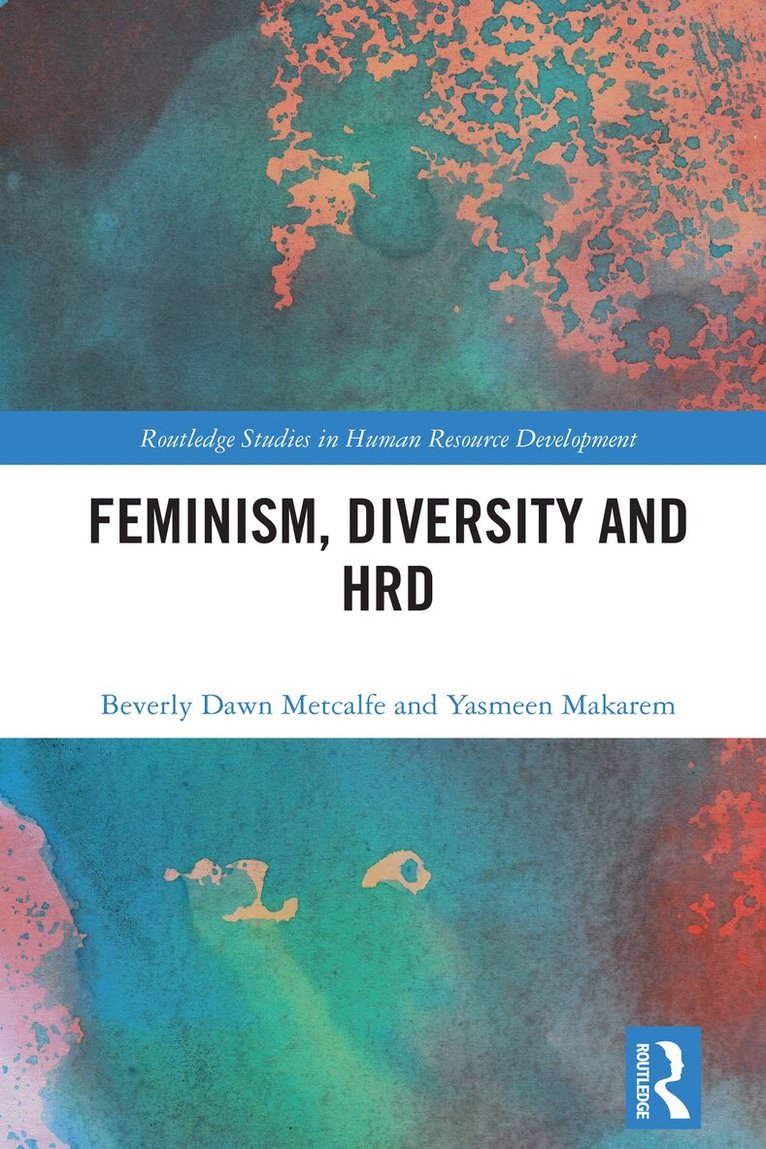
Feminism, Diversity and HRD aims to enhance critical understandings of feminism, diversity and HRD theorization and practice in the global political economy. This involves addressing race, class and intersectional approaches to evaluating inequalities in society/organizations.The book will bring together cutting-edge analysis to offer a critical interdisciplinary overview of the feminism, diversity and HRD debates that are only just emerging. Crucially, it will offer new insights on the governance and policy-making dimensions of national HRD, and the gender agendas advocated by global institutions which are influenced by social justice themes.In this respect, the contributions in this volume offer more than just a tried and tested analysis of the political, knowledge and skill gap problems that face organizations and nation states. Rather, they are agenda-setting and forward-looking since they critically consider what the HRD solutions currently on offer are, and how they can be further improved. Thus, the contributions will cover theoretical and policy perspectives not previously covered in a critical text of this kind.
1 968 kr
Skickas inom 10-15 vardagar
Feminism, Diversity and HRD aims to enhance critical understandings of feminism, diversity and HRD theorization and practice in the global political economy. This involves addressing race, class and intersectional approaches to evaluating inequalities in society/organizations.The book will bring together cutting-edge analysis to offer a critical interdisciplinary overview of the feminism, diversity and HRD debates that are only just emerging. Crucially, it will offer new insights on the governance and policy-making dimensions of national HRD, and the gender agendas advocated by global institutions which are influenced by social justice themes.In this respect, the contributions in this volume offer more than just a tried and tested analysis of the political, knowledge and skill gap problems that face organizations and nation states. Rather, they are agenda-setting and forward-looking since they critically consider what the HRD solutions currently on offer are, and how they can be further improved. Thus, the contributions will cover theoretical and policy perspectives not previously covered in a critical text of this kind.
2 535 kr
Skickas inom 7-10 vardagar
Leadership in the Middle East has never been as vital as it is in the wake of the global financial crisis and the Arab Spring -- yet there is a lack of detailed knowledge concerning strategies for developing capacity in leadership, national skills and knowledge management. This volume aims to address this deficit. This book is the first text on the subject of leadership development in the Middle East to be published in English (drawing on both English and Arabic scholarship) and will contribute to the knowledge and understanding of leadership theory and practice in the global economy. The volume provides in-depth analysis of the social, political and economic factors that shape leadership capacity building efforts and shows how leadership behaviors and practices differ from those in the West, reflecting an ethic of care, social responsibility and concern for developing both organization and individual capabilities as well as fostering community improvement and nation-building and advancing social justice and human well-being. The book reveals the complexity of leadership behaviors in the region and contextualizes analyses with broader contemporary debates including migration, governance, climate change and political leadership succession. The book also includes original insights into the role of women in leadership in business, politics and the community. This unique volume will benefit international organizational behavior/development specialists, international human resource development practitioners and students at undergraduate and postgraduate levels. It will be invaluable to development specialists, HR consultants and practitioners on assignment in the Middle East and for policy and capacity development experts in NGOs and international organizations such as the ILO, UN and World Bank. Contributors: S. Abuznaid, A.J. Ali, R. Althakhri, R. Common, R. Hayat, K. Hutchings, A. Mamman, B.D. Metcalfe, F. Mimouni, K. Mohannak, T. Murfin, L. Mutlaq, M.F. Özbilgin, C.J. Rees, G. Rice, S. Sendjaya, A.M. Suliman, N. Sultan, D. Weir, R. Wilson