Beverly E. Robertson - Böcker
Visar alla böcker från författaren Beverly E. Robertson. Handla med fri frakt och snabb leverans.
2 produkter
2 produkter
Del 21 - Understanding Chemical Reactivity
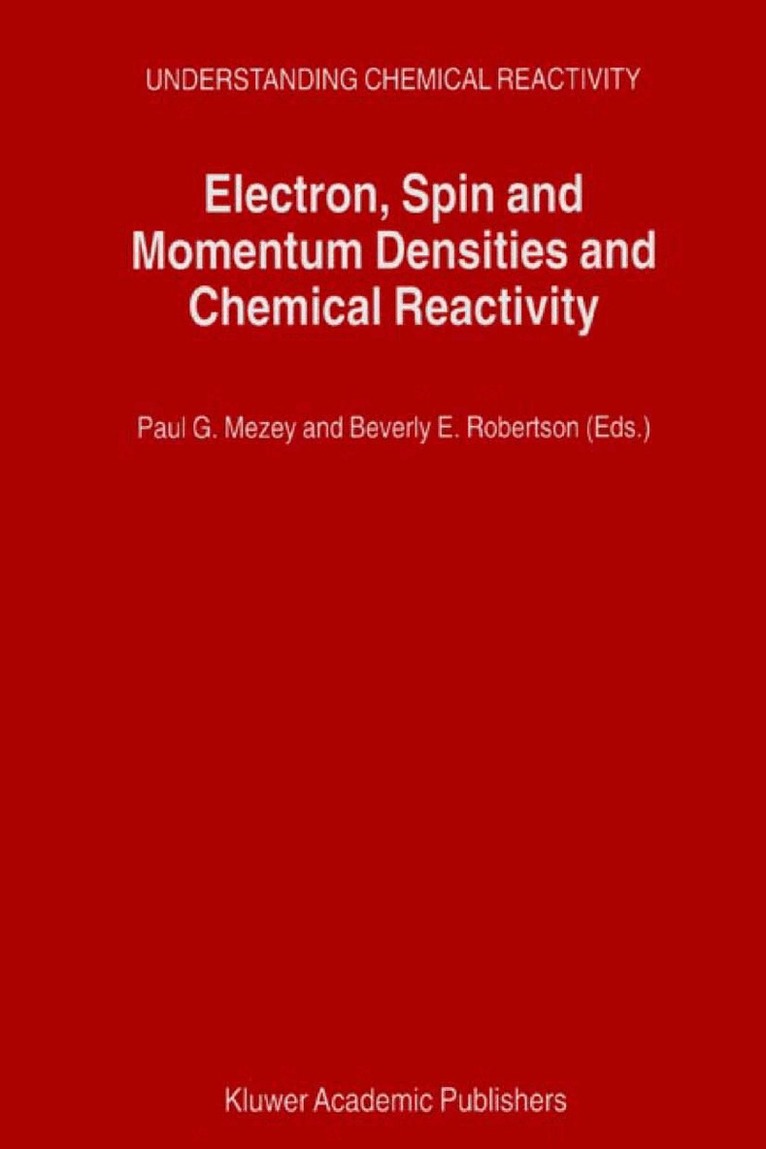
Electron, Spin and Momentum Densities and Chemical Reactivity
Inbunden, Engelska, 2000
1 593 kr
Skickas inom 10-15 vardagar
The electron density of a nondegenerate ground state system determines essentially all physical properties of the system. This statement of the Hohenberg-Kohn theorem of Density Functional Theory plays an important role among all the fundamental relations of molecular physics. Electron densities provide detailed information that gives insight into the fundamentals of molecular structure and a better understanding of chemical reactions. If the functional form of a molecular electron density is known, then various molecular properties affecting reactivity can be determined by quantum chemical computational techniques or alternative approximate methods. This book contains a selection of chapters based on papers given at the 12th conference of the Commission of Charge, Spin and Momentum Density of the International Union for Crystallography, held in Waskiesiu, Prince Albert National Park, Canada, on July 27 - August 1, 1997. The choice of topics represents some of the latest advances in the field of electron, spin, and momentum densities and the analysis of these densities with respect to their roles in determining chemical reactivity.
1 578 kr
Skickas inom 10-15 vardagar
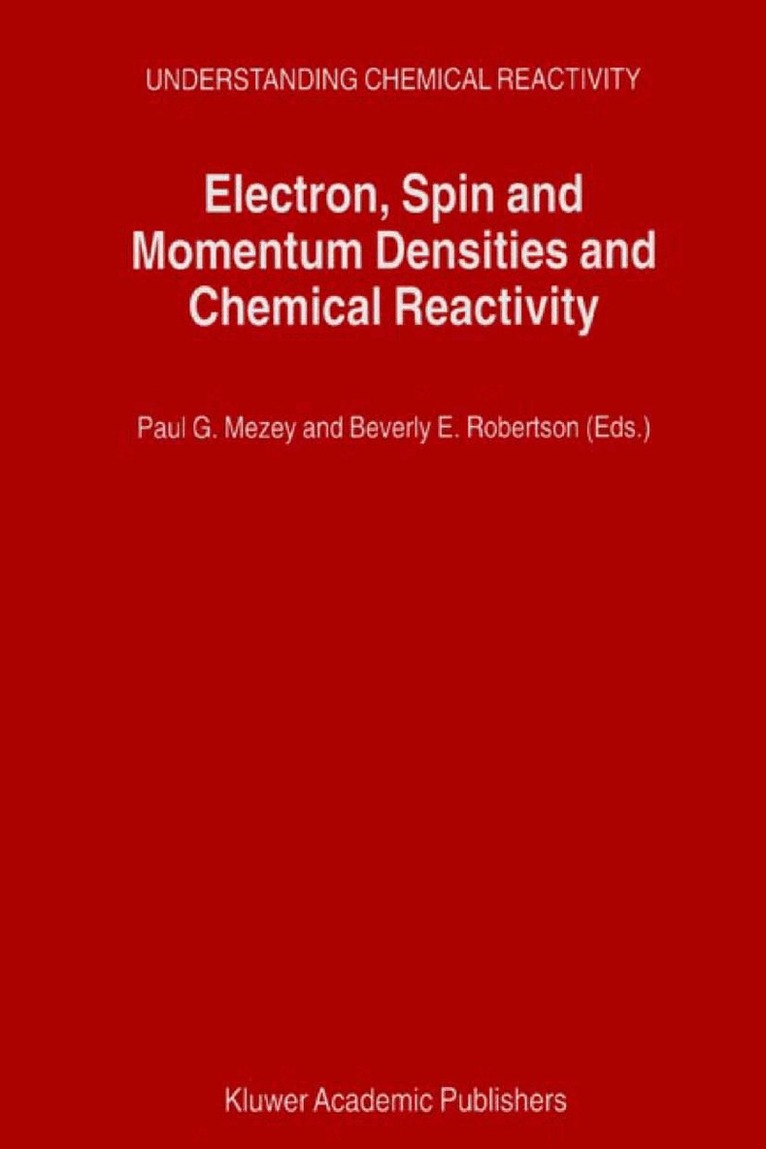
The electron density of a non-degenerate ground state system determines essentially all physical properties of the system. This statement of the Hohenberg–Kohn theorem of Density Functional Theory plays an exceptionally important role among all the fundamental relations of Molecular Physics. In particular, the electron density distribution and the dynamic properties of this density determine both the local and global reactivities of molecules. High resolution experimental electron densities are increasingly becoming available for more and more molecules, including macromolecules such as proteins. Furthermore, many of the early difficulties with the determination of electron densities in the vicinity of light nuclei have been overcome. These electron densities provide detailed information that gives important insight into the fundamentals of molecular structure and a better understanding of chemical reactions. The results of electron density analysis are used in a variety of applied fields, such as pharmaceutical drug discovery and biotechnology. If the functional form of a molecular electron density is known, then various molecular properties affecting reactivity can be determined by quantum chemical computational techniques or alternative approximate methods.