Bharat H. Desai - Böcker
Visar alla böcker från författaren Bharat H. Desai. Handla med fri frakt och snabb leverans.
7 produkter
7 produkter
1 218 kr
Skickas inom 7-10 vardagar
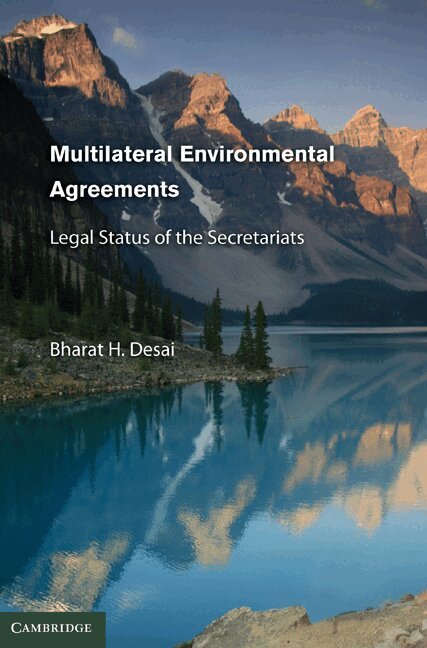
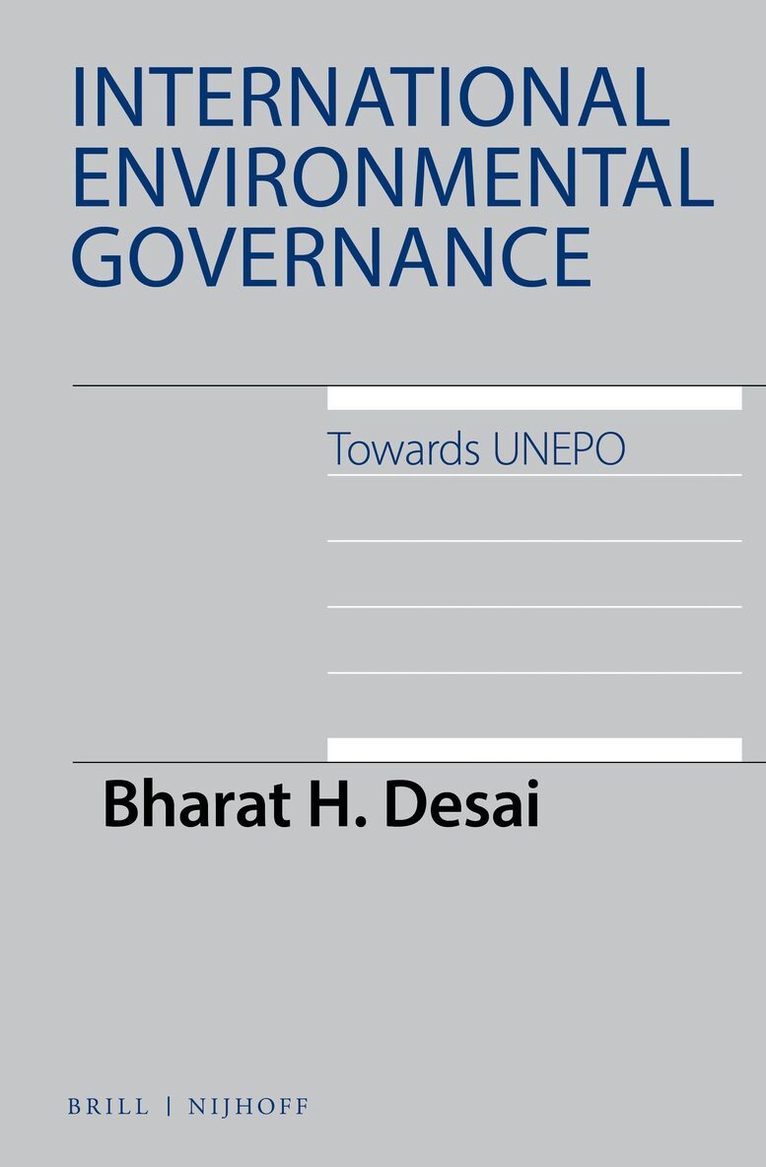
The present study seeks to examine the genesis, development, and proliferation of multilateral environmental agreements (MEAs) - in-built law-making mechanisms and processes of institutionalization - and their ad hoc treaty-based status and the issue of the legal personality of their secretariats. It provides legal understanding of the location of MEA secretariats within an existing international host institution, as well as discussion of the issue of relationship agreements and interpretation of the commonly used language that triggers such relationships. It places under scrutiny the standard MEA phrase 'providing a secretariat', delegation of authority by the host institution to the head of the convention secretariat, possible conflict areas, host country agreement, and the workings of the relationship agreements. The book offers an authoritative account of the growing phenomenon in which an existing international institution provides a servicing base for MEA that, in turn, triggers a chain of legal implications involving the secretariat, the host institution, and the host country.
467 kr
Skickas inom 7-10 vardagar
The present study seeks to examine the genesis, development, and proliferation of multilateral environmental agreements (MEAs) - in-built law-making mechanisms and processes of institutionalization - and their ad hoc treaty-based status and the issue of the legal personality of their secretariats. It provides legal understanding of the location of MEA secretariats within an existing international host institution, as well as discussion of the issue of relationship agreements and interpretation of the commonly used language that triggers such relationships. It places under scrutiny the standard MEA phrase 'providing a secretariat', delegation of authority by the host institution to the head of the convention secretariat, possible conflict areas, host country agreement, and the workings of the relationship agreements. The book offers an authoritative account of the growing phenomenon in which an existing international institution provides a servicing base for MEA that, in turn, triggers a chain of legal implications involving the secretariat, the host institution, and the host country.
1 644 kr
Skickas inom 10-15 vardagar
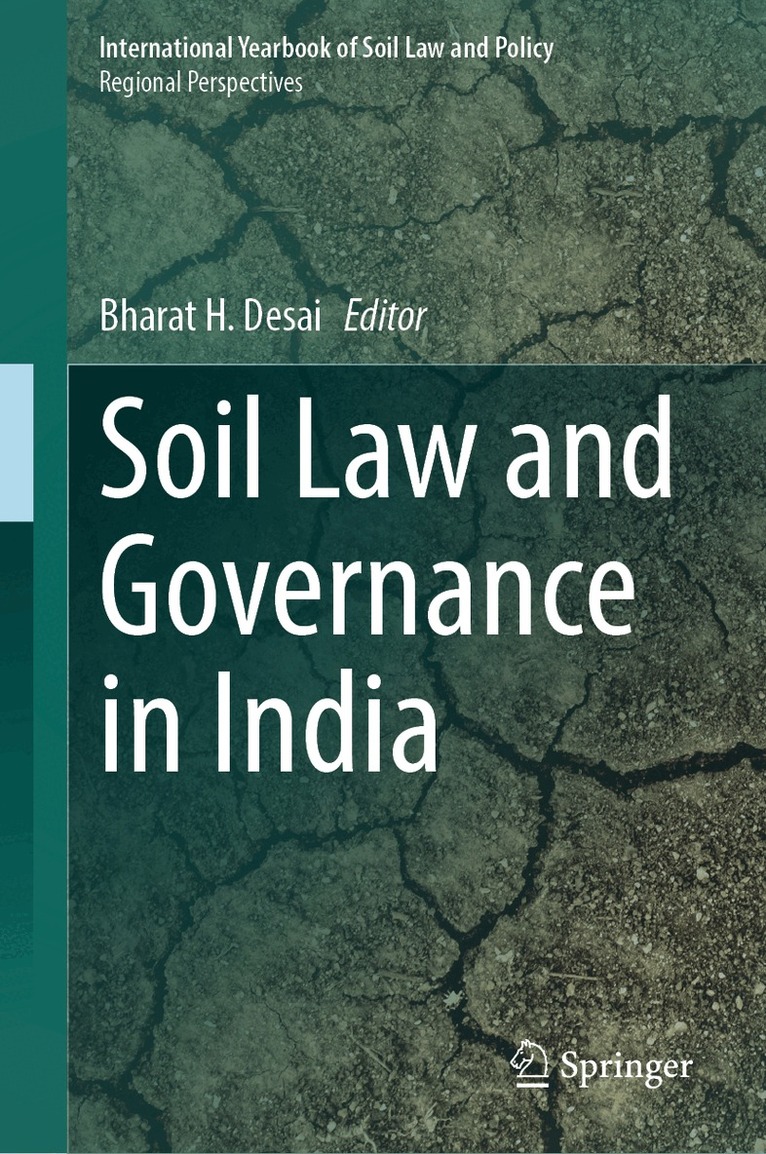
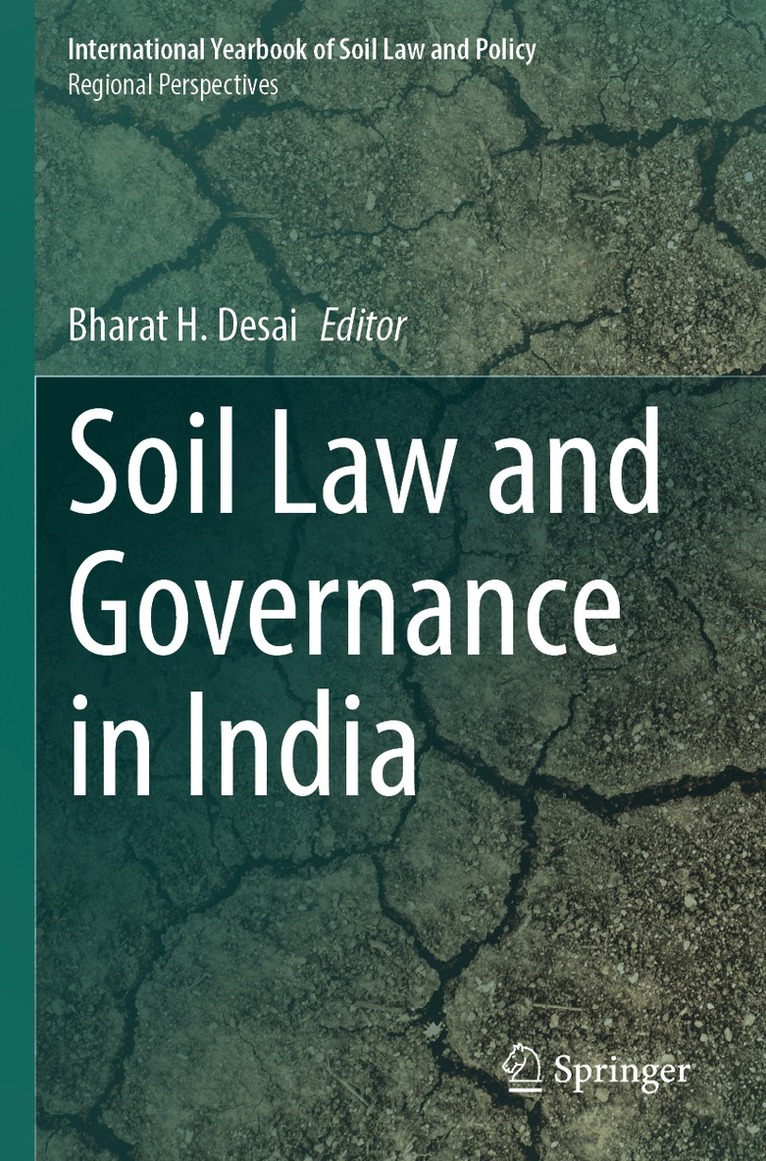
This curated book addresses, in the scholarly realm, the problems of soil degradation and provides some practical solutions for them to save soil life. It comprises ten specially invited chapters that address the global soil framework, soil challenges in India, existing policy, law and institutional framework as well as other perspectives.Soil is our biological capital. The soil health is critical for survival of the humans (and other life forms) since almost 95% of our food comes from it. It also has significant potential as a sink for carbon through sequestering. Excessive and inappropriate land use leads to various forms of land degradation that becomes contributing factor for hunger, migration and even wars. There are several multilateral environmental agreements (MEAs) including UN Convention to Combat Desertification (UNCCD) that hold relevance for addressing the global soil problematique. The UNCCD Strategic Framework (2018-2030) has declared desertification/land degradation and drought (DLDD) as “challenges of a global dimension”. As a result, sustainable soil management (SSM) has emerged as an important goal for attaining Sustainable Development Goals 2030 (SDGs 2030).In the backdrop of these globally ordained processes, India appears to be seriously pursuing the Land Degradation Neutrality (LDN) target within the framework of the UNCCD. As a corollary, India has set an ambitious goal of halting any further land degradation by 2030 and rehabilitate at least 30 million hectares of degraded wasteland, forest land and agricultural land.This ideational effort by eminent legal scholars, soil scientists and practitioners aim to promote concerted teaching and research in the field of soil law and governance in the University Faculties of Law, National Law Schools, Institutions of Eminence and other legal and scientific bodies. The ‘seeds sown’ in the soil of knowledge through this effort will, hopefully, provide an impetus for more in-depth research concerning soil law and governance in India and beyond.
1 644 kr
Skickas inom 10-15 vardagar
This curated book addresses, in the scholarly realm, the problems of soil degradation and provides some practical solutions for them to save soil life. It comprises ten specially invited chapters that address the global soil framework, soil challenges in India, existing policy, law and institutional framework as well as other perspectives.Soil is our biological capital. The soil health is critical for survival of the humans (and other life forms) since almost 95% of our food comes from it. It also has significant potential as a sink for carbon through sequestering. Excessive and inappropriate land use leads to various forms of land degradation that becomes contributing factor for hunger, migration and even wars. There are several multilateral environmental agreements (MEAs) including UN Convention to Combat Desertification (UNCCD) that hold relevance for addressing the global soil problematique. The UNCCD Strategic Framework (2018-2030) has declared desertification/land degradation and drought (DLDD) as “challenges of a global dimension”. As a result, sustainable soil management (SSM) has emerged as an important goal for attaining Sustainable Development Goals 2030 (SDGs 2030).In the backdrop of these globally ordained processes, India appears to be seriously pursuing the Land Degradation Neutrality (LDN) target within the framework of the UNCCD. As a corollary, India has set an ambitious goal of halting any further land degradation by 2030 and rehabilitate at least 30 million hectares of degraded wasteland, forest land and agricultural land.This ideational effort by eminent legal scholars, soil scientists and practitioners aim to promote concerted teaching and research in the field of soil law and governance in the University Faculties of Law, National Law Schools, Institutions of Eminence and other legal and scientific bodies. The ‘seeds sown’ in the soil of knowledge through this effort will, hopefully, provide an impetus for more in-depth research concerning soil law and governance in India and beyond.
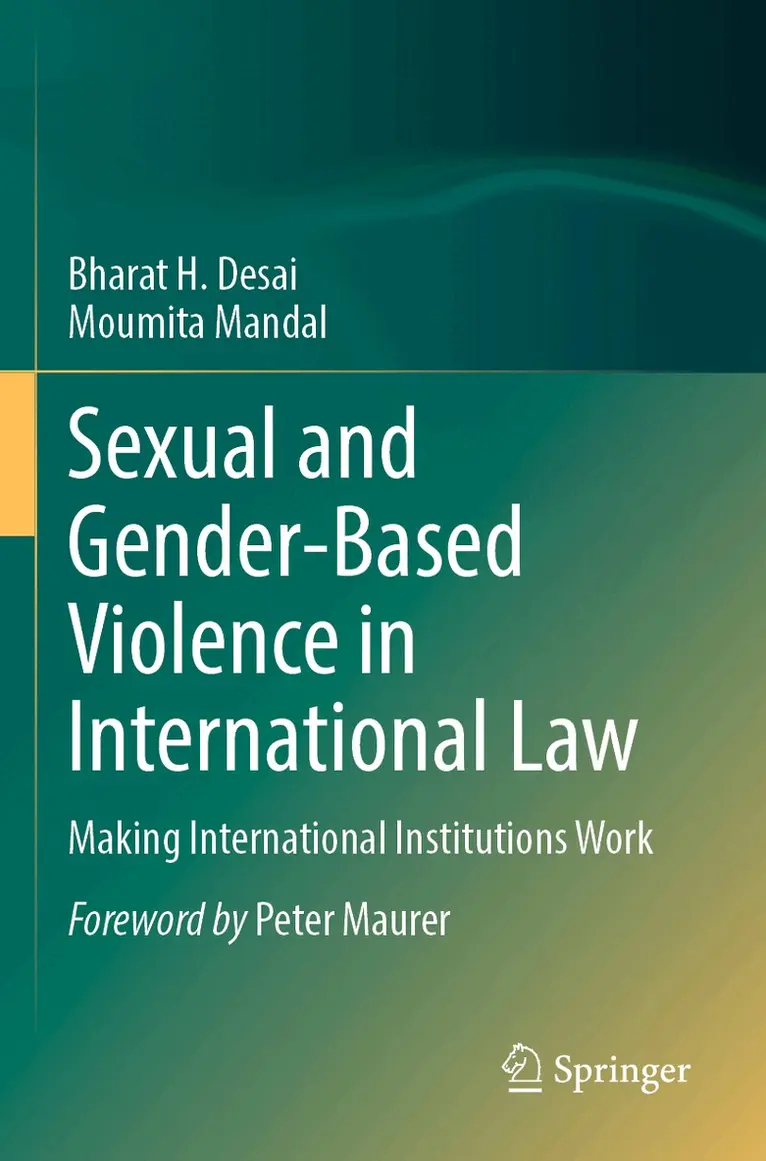
Sexual and Gender-Based Violence in International Law
Making International Institutions Work
Inbunden, Engelska, 2022
1 076 kr
Skickas inom 10-15 vardagar
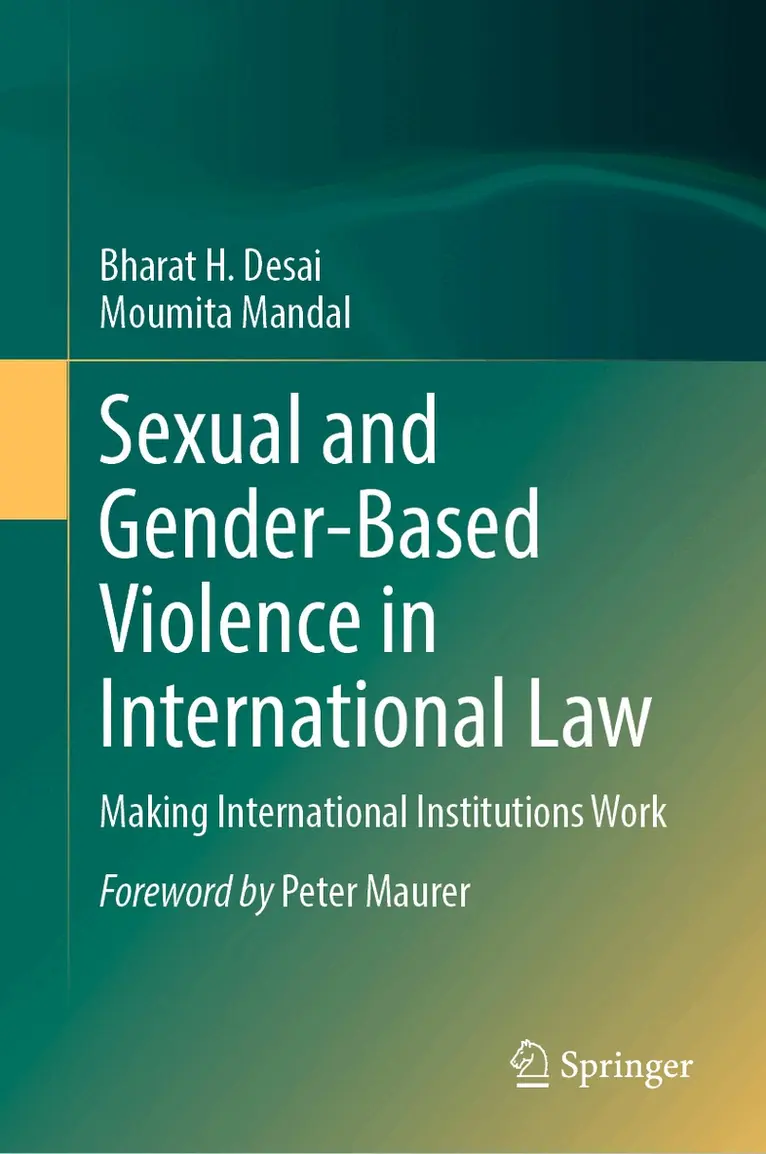
This book addresses sexual and gender-based violence (SGBV) against women from an international law point of view. It identifies the reasons behind SGBV against women with a specific focus on cultural practices that try to justify it and highlights the legal challenges related to the topic for both national and international justice systems. The seven chapters of the book are: i) Introduction ii) SGBV a global concern; iii) International legal protection; iv) Role of international institutions; v) Role of cultural factors and vi) Challenges vii) Conclusions. In the light of concerted global efforts to bring to an end, or at least severely contain SGBV against women, the book provides a future roadmap to the United Nations system, States, international institutions, multidisciplinary scholars, civil society organizations and other global actors.The book contains a Foreword by Peter Maurer, President of International Committee of the Red Cross (ICRC).
Sexual and Gender-Based Violence in International Law
Making International Institutions Work
Häftad, Engelska, 2023
1 076 kr
Skickas inom 10-15 vardagar
This book addresses sexual and gender-based violence (SGBV) against women from an international law point of view. It identifies the reasons behind SGBV against women with a specific focus on cultural practices that try to justify it and highlights the legal challenges related to the topic for both national and international justice systems. The seven chapters of the book are: i) Introduction ii) SGBV a global concern; iii) International legal protection; iv) Role of international institutions; v) Role of cultural factors and vi) Challenges vii) Conclusions. In the light of concerted global efforts to bring to an end, or at least severely contain SGBV against women, the book provides a future roadmap to the United Nations system, States, international institutions, multidisciplinary scholars, civil society organizations and other global actors.The book contains a Foreword by Peter Maurer, President of International Committee of the Red Cross (ICRC).
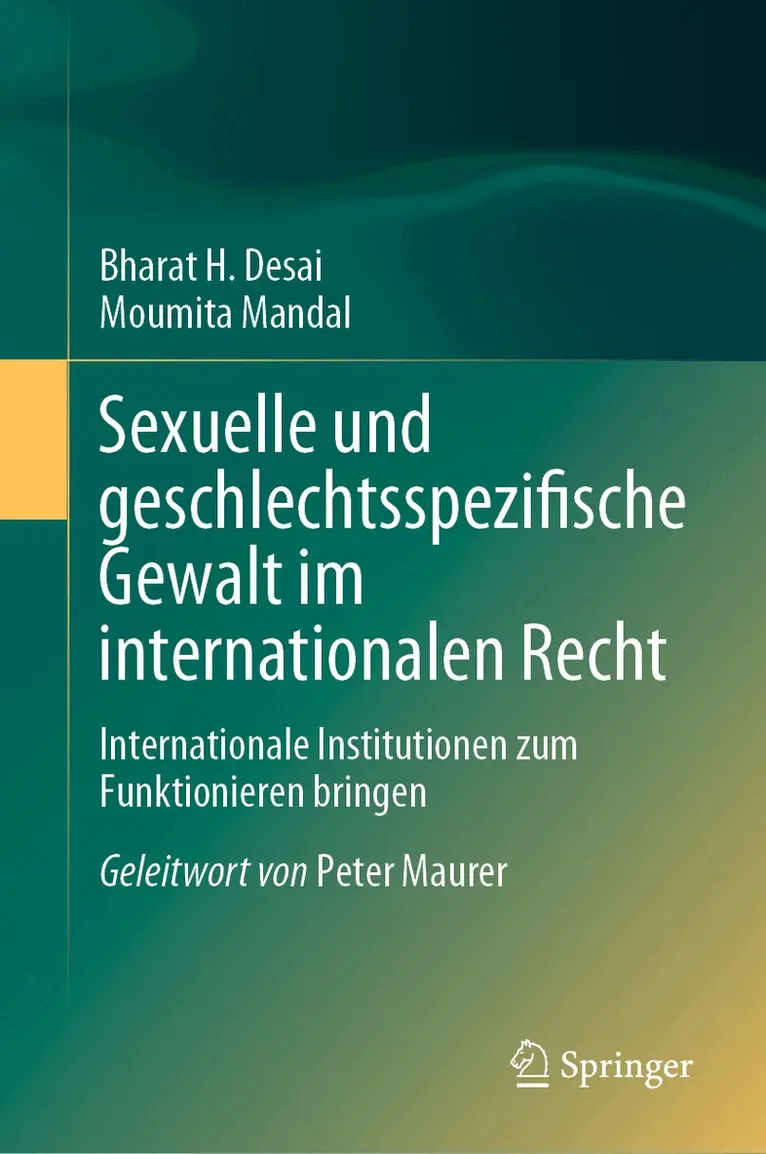
Sexuelle und geschlechtsspezifische Gewalt im internationalen Recht
Internationale Institutionen zum Funktionieren bringen
Inbunden, Tyska, 2023
916 kr
Skickas inom 10-15 vardagar
Dieses Buch behandelt sexuelle und geschlechtsspezifische Gewalt (SGBV) gegen Frauen aus völkerrechtlicher Sicht. Es zeigt die Gründe für SGBV gegen Frauen auf, wobei der Schwerpunkt auf kulturellen Praktiken liegt, mit denen versucht wird, sie zu rechtfertigen, und verdeutlicht die rechtlichen Herausforderungen im Zusammenhang mit dem Thema sowohl für nationale als auch internationale Justizsysteme. Die sieben Kapitel des Buches sind: i) Einleitung ii) SGBV ein globales Problem; iii) Internationaler Rechtsschutz; iv) Rolle der internationalen Institutionen; v) Rolle kultureller Faktoren und vi) Herausforderungen vii) Schlussfolgerungen. Vor dem Hintergrund konzertierter globaler Bemühungen, SGBV gegen Frauen zu beenden oder zumindest stark einzudämmen, bietet das Buch einen Fahrplan für das System der Vereinten Nationen, Staaten, internationale Institutionen, multidisziplinäre Wissenschaftler, Organisationen der Zivilgesellschaft und andere globale Akteure.Das Buch enthält ein Vorwort von Peter Maurer, Präsident des Internationalen Komitees vom Roten Kreuz (IKRK).