Bianca Nogrady – författare
Visar alla böcker från författaren Bianca Nogrady. Handla med fri frakt och snabb leverans.
6 produkter
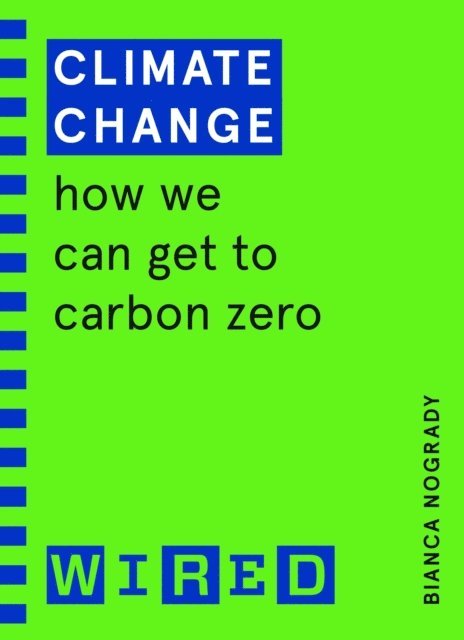
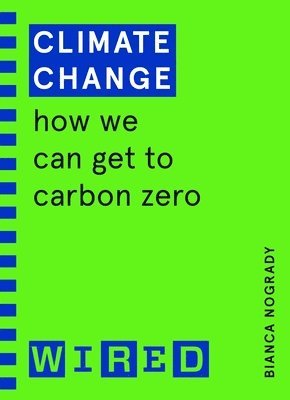
Climate Change (WIRED guides)
How We Can Get to Carbon Zero
Av Bianca Nogrady, WIRED
E-bok, 2021
105 kr
Lägg i varukorg
Man-made global warming is advancing inexorably. Are there ways to halt it?In this invaluable, one-stop guide Bianca Nogrady analyses the science of climate change and offers a concise overview of the ways in which our carbon emissions might be reduced. She examines the challenges posed by food and …
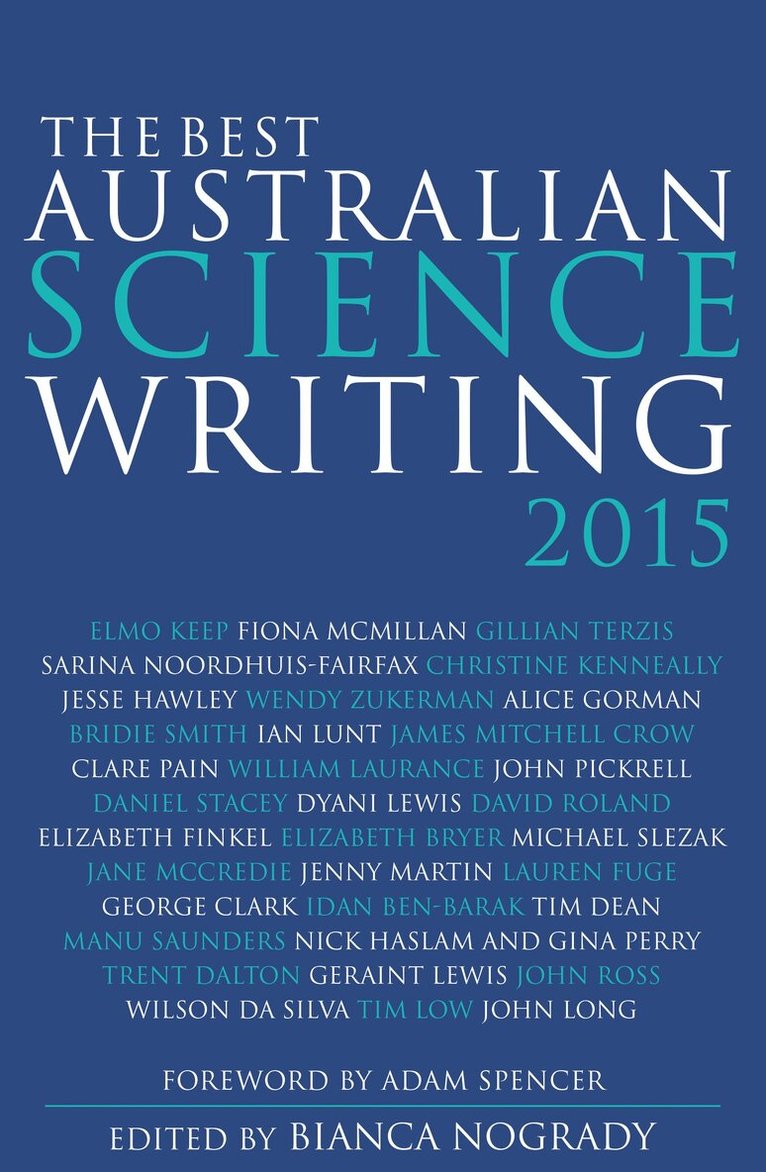
Best Australian Science Writing 2015
Av Bianca Nogrady, Bianca Nogrady
Häftad, 2015
232 kr
Lägg i varukorg
How does dust connect the cosmos with our bed sheets? Why do lobsters do the Mexican Wave backwards? Can we live without a pulse? And what makes us feel ‘wetness’ when there’s no such thing as ‘wet’ nerve receptors?Now in its fifth year, The Best Australian Science Writing 2015 draws on the …
Best Australian Science Writing 2019
Häftad, 2019
246 kr
Lägg i varukorg
Good science writing makes you feel. It makes you delight in the discovery of a black hole munching on a star, laugh at the image of aliens puzzling over golf balls on the Moon, wonder at the mystery of the Spanish influenza’s deadly rampage, grieve for baby shearwater chicks dying with …
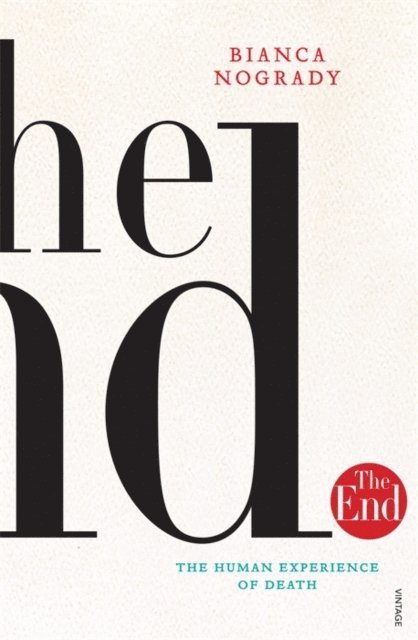
End
The Human Experience Of Death
E-bok, 2013
334 kr
Lägg i varukorg
A fascinating exploration of the universal human experience of death. We sat around and on the bed, laughing and joking as if this was a typical family gathering. The shrunken form of our dying grandmother lay on the bed, breathing fast and shallow, her once-bright eyes half closed and sunken in …
Climate Change (WIRED guides)
How We Can Get to Carbon Zero
Av Bianca Nogrady, WIRED
Häftad, 2021
121 kr
Lägg i varukorg
Man-made global warming is advancing inexorably. Are there ways to halt it?In this invaluable, one-stop guide Bianca Nogrady analyses the science of climate change and offers a concise overview of the ways in which our carbon emissions might be reduced. She examines the challenges posed by food and …
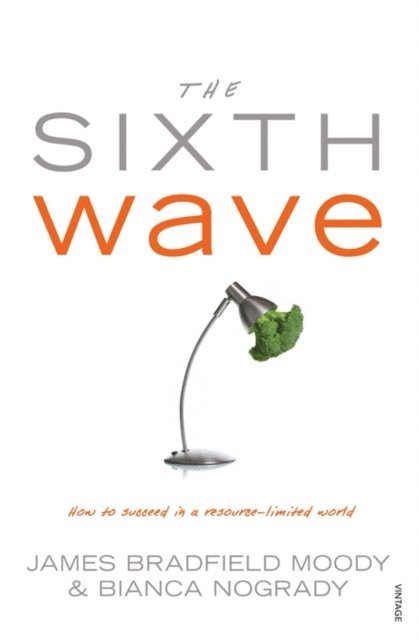
Sixth Wave
How to Succeed in a Resource-Limited World
Av James Bradfield Moody, Bianca Nogrady
E-bok, 2010
291 kr
Lägg i varukorg
How to succeed in a resource limited world. Making predictions about the future is a dangerous game, particularly when that future has never looked more uncertain. Natural resources are dwindling and we are wasting the resources we do have at an unparalleled rate. Climate change threatens our way …