Bill Winders – författare
Visar alla böcker från författaren Bill Winders. Handla med fri frakt och snabb leverans.
5 produkter
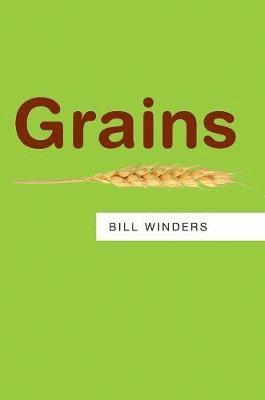
Grains
Av Bill Winders
Inbunden, 2016
706 kr
Lägg i varukorg
Grains - particularly maize, rice, and wheat - are the central component of most people’s diets, but we rarely stop to think about the wider role they play in national and international policy-making, as well as global issues like food security, biotechnology, and even climate change. But why are …
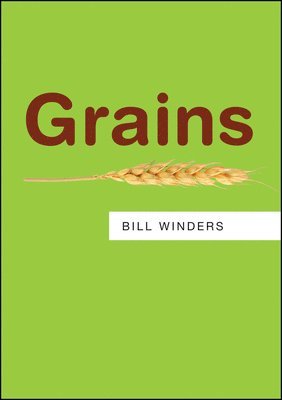
Grains
Av Bill Winders
Häftad, 2016
217 kr
Lägg i varukorg
Grains - particularly maize, rice, and wheat - are the central component of most people’s diets, but we rarely stop to think about the wider role they play in national and international policy-making, as well as global issues like food security, biotechnology, and even climate change. But why are …
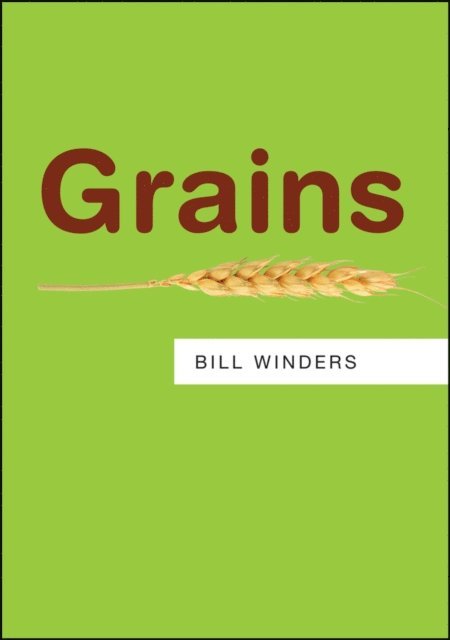
Grains
Av Bill Winders
E-bok, 2016
239 kr
Lägg i varukorg
Grains - particularly maize, rice, and wheat - are the central component of most people’s diets, but we rarely stop to think about the wider role they play in national and international policy-making, as well as global issues like food security, biotechnology, and even climate change. But why are …
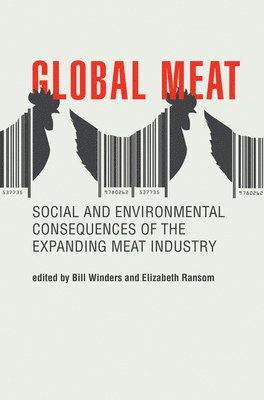
Global Meat
Social and Environmental Consequences of the Expanding Meat Industry
Av Bill Winders, Elizabeth Ransom
Häftad, 2019
338 kr
Tillfälligt slut
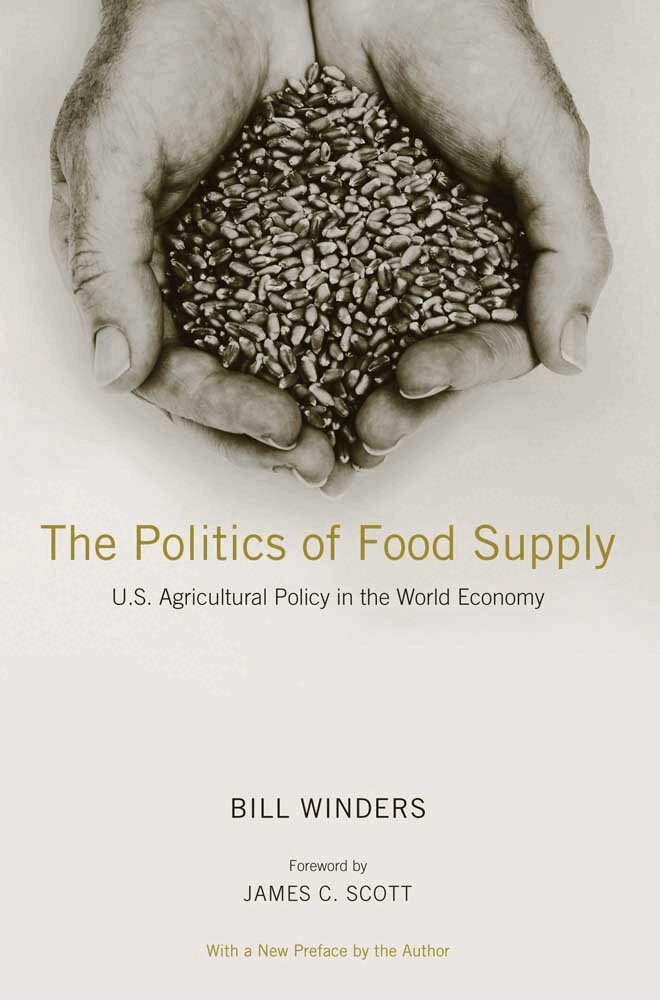
Politics of Food Supply
U.S. Agricultural Policy in the World Economy
Av Bill Winders
Häftad, 2012
345 kr
Tillfälligt slut
This book deals with an important and timely issue: the political and economic forces that have shaped agricultural policies in the United States during the past eighty years. It explores the complex interactions of class, market, and state as they have affected the formulation and application of …