Billy Fields – författare
Visar alla böcker från författaren Billy Fields. Handla med fri frakt och snabb leverans.
5 produkter
Adaptation Urbanism and Resilient Communities
Transforming Streets to Address Climate Change
Av Billy Fields, John L. Renne
Inbunden, 2021
2504 kr
Lägg i varukorg
Adaptation Urbanism and Resilient Communities outlines and explains adaptation urbanism as a theoretical framework for understanding and evaluating resilience projects in cities and relates it to pressing contemporary policy issues related to urban climate change mitigation and adaptation. Through …
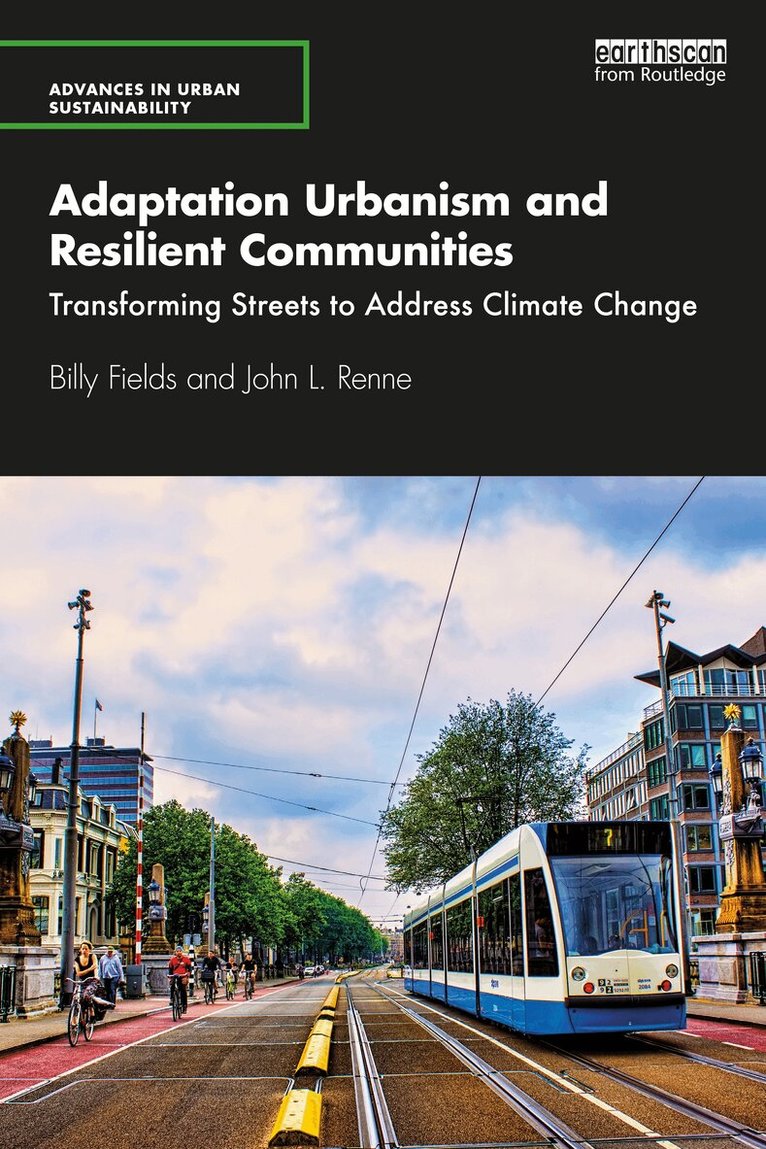
Adaptation Urbanism and Resilient Communities
Transforming Streets to Address Climate Change
Av Billy Fields, John L. Renne
Häftad, 2021
617 kr
Lägg i varukorg
Adaptation Urbanism and Resilient Communities outlines and explains adaptation urbanism as a theoretical framework for understanding and evaluating resilience projects in cities and relates it to pressing contemporary policy issues related to urban climate change mitigation and adaptation. Through …
Adaptation Urbanism and Resilient Communities
Transforming Streets to Address Climate Change
Av John L. Renne, Billy Fields
E-bok, 2021
712 kr
Lägg i varukorg
Adaptation Urbanism and Resilient Communities outlines and explains adaptation urbanism as a theoretical framework for understanding and evaluating resilience projects in cities and relates it to pressing contemporary policy issues related to urban climate change mitigation and adaptation. Through …
Adaptation Urbanism and Resilient Communities
Transforming Streets to Address Climate Change
Av John L. Renne, Billy Fields
E-bok, 2021
712 kr
Lägg i varukorg
Adaptation Urbanism and Resilient Communities outlines and explains adaptation urbanism as a theoretical framework for understanding and evaluating resilience projects in cities and relates it to pressing contemporary policy issues related to urban climate change mitigation and adaptation. Through …
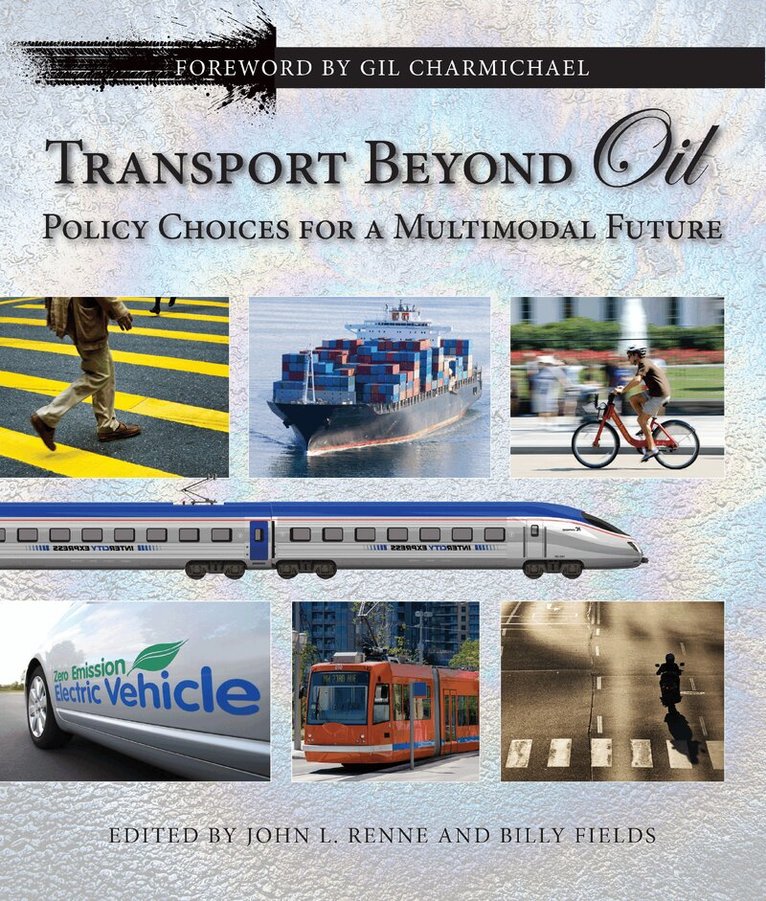
Transport Beyond Oil
Policy Choices for a Multimodal Future
Av John L. Renne, Billy Fields m. fl.
Häftad, 2013
480 kr
Tillfälligt slut
Seventy percent of the oil America uses each year goes to transportation. In "Transport Beyond Oil", leading experts show how to slash that statistic and reduce dependence on fossil fuels. The authors demonstrate that smarter development and land use decisions, paired with better transportation …