Bimal J. Deb – författare
Visar alla böcker från författaren Bimal J. Deb. Handla med fri frakt och snabb leverans.
3 produkter
3 produkter
E-bok
Engelska, 2002963 kr
Läs direkt efter köp
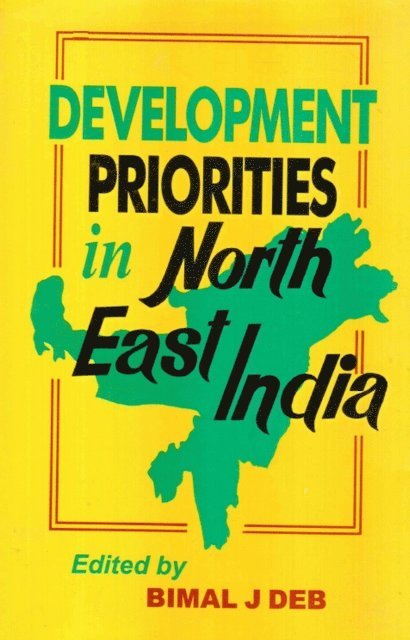
There can be no two opinions about the fact that special category status of North Eastern states by itself failed to generate any worthwhile development and as a result the region continues to remain in the vortex of backwardness. It is against this background that the new development initiatives ought to be taken into account. What is, however, urgently needed is to set forth an agenda for development outlining the priorities so that concerted efforts could be set in motion to achieve the objectives. Hard decisions are indeed needed to tackle misdirected efforts and this calls for creation of a congenial atmosphere for investment and entrepreneurial activity. This book provides an indepth analysis of the core issues that require immediate attention of planners and administrators.
E-bok
Engelska, 20144 450 kr
Läs direkt efter köp
This book titled, “Plant Science” provides readers with an introduction to plants and plant science. Attempts have been made to focus on evolutionary history of plants and plant science. The book focuses on dendrology, horticulture, plant pathology and disease resistance. The processes of photosynthesis, germination, biological pigmentation and immune system are also given with focus on plant ecology, plant perception and rapid plant movement. This book contains following chapters: Introduction to Plants and Plant Science; Evolutionary History of Plants and Plant Science; Focus on Dendrology, Horticulture, Plant Pathology and Disease Resistance; Focus on Photosynthesis, Germination, Biological Pigment and Immune System; Focus on Plant Ecology, Plant Perception and Rapid Plant Movement and Bibliography etc.
E-bok
Engelska, 20102 170 kr
Läs direkt efter köp
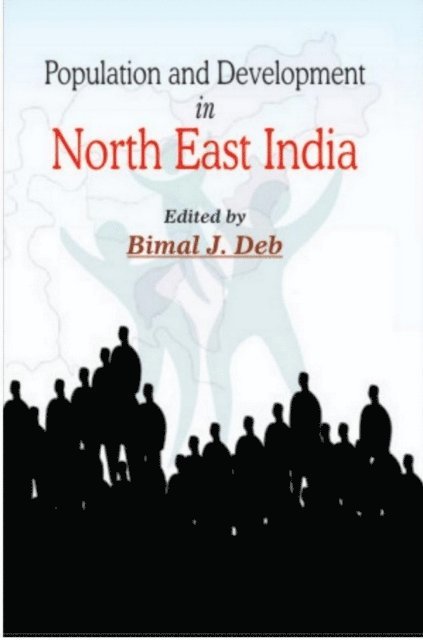
This compendium of 28 papers attempt to examine the population dynamics and development pattern in North-East India. Taking a close look at the population of agricultural workers and their work participation, it discusses at length the population growth and changes in demographic structure in the region, forest degradation, and the qualitative as well as quantitative dimensions of population dynamics. The contributors also deliberate on the quality of women life, polemics of migration, socio economic implications of population growth, urbanization and growth of slums, the trend of multi-culturalism, religious minorities and communal harmony.