Birgit Boogaard – författare
Visar alla böcker från författaren Birgit Boogaard. Handla med fri frakt och snabb leverans.
3 produkter
3 produkter
Häftad, Engelska, 2021
512 kr
Skickas inom 10-15 vardagar
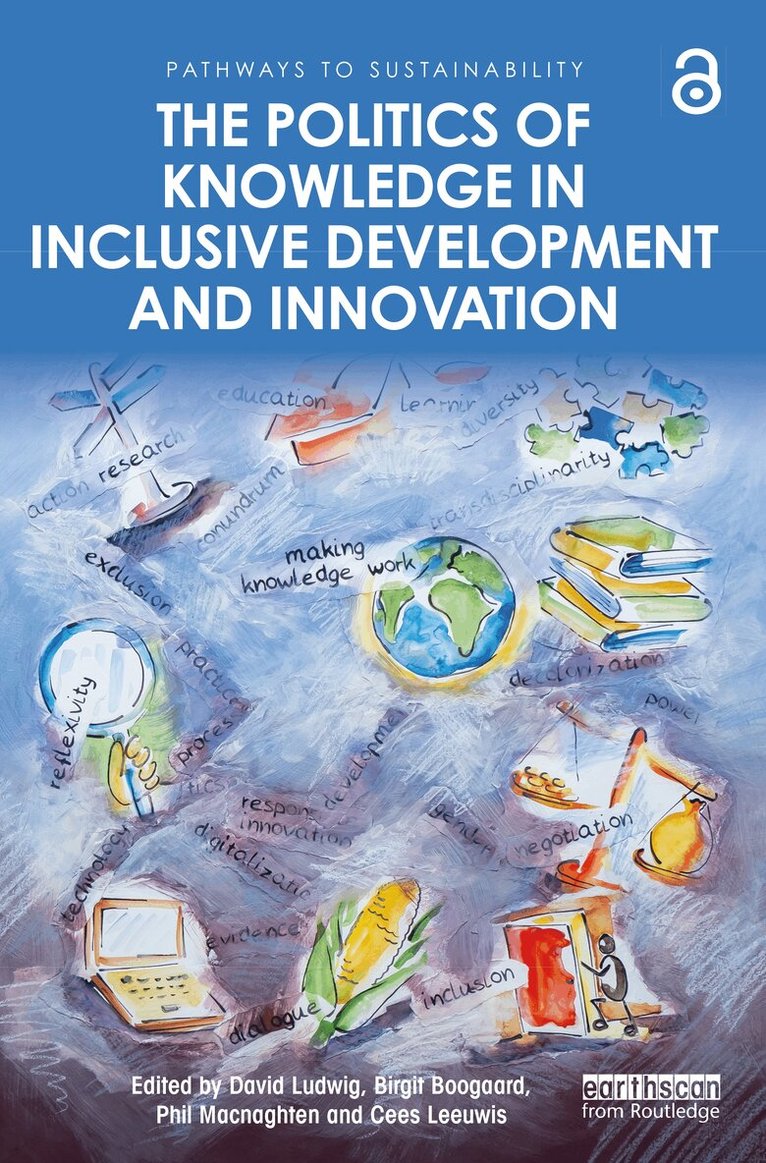
This book develops an integrated perspective on the practices and politics of making knowledge work in inclusive development and innovation. While debates about development and innovation commonly appeal to the authority of academic researchers, many current approaches emphasise the plurality of actors with relevant expertise for addressing livelihood challenges. Adopting an action-oriented and reflexive approach, this volume explores the variety of ways in which knowledge works, paying particular attention to dilemmas and controversies. The six parts of the book address the complex interplay of knowledge and politics, starting with the need for knowledge integration in the first part and decolonial perspectives on the politics of knowledge integration in the second part. The following three parts focus on the practices of inclusive development and innovation through three major themes of learning for transformative change, evidence, and digitisation. The final part of the book addresses the governance of knowledge and innovation in the light of political struggles about inclusivity. Exploring conceptual and practical themes through case studies from the Global North and South, this book will be of great interest to students, scholars, and practitioners researching and working in development studies, epistemology, innovation studies, science and technology studies, and sustainability studies more broadly.
Inbunden, Engelska, 2021
2 182 kr
Skickas inom 10-15 vardagar
This book develops an integrated perspective on the practices and politics of making knowledge work in inclusive development and innovation. While debates about development and innovation commonly appeal to the authority of academic researchers, many current approaches emphasise the plurality of actors with relevant expertise for addressing livelihood challenges. Adopting an action-oriented and reflexive approach, this volume explores the variety of ways in which knowledge works, paying particular attention to dilemmas and controversies. The six parts of the book address the complex interplay of knowledge and politics, starting with the need for knowledge integration in the first part and decolonial perspectives on the politics of knowledge integration in the second part. The following three parts focus on the practices of inclusive development and innovation through three major themes of learning for transformative change, evidence, and digitisation. The final part of the book addresses the governance of knowledge and innovation in the light of political struggles about inclusivity. Exploring conceptual and practical themes through case studies from the Global North and South, this book will be of great interest to students, scholars, and practitioners researching and working in development studies, epistemology, innovation studies, science and technology studies, and sustainability studies more broadly.
Del 39 - International Library of Environmental, Agricultural and Food Ethics
African Philosophy and the Politics of Food Systems
Inbunden, Engelska, 2026
549 kr
Skickas inom 10-15 vardagar
This open access edited volume argues that food systems need to be questioned on ethical and epistemic grounds, and firmly posits African philosophy as a valuable and much-needed source in doing so. It presents critical perspectives on the ethical and epistemic complexities of food systems whilst also providing a practical outlook through success stories of food systems underpinned by African ways of thinking and doing. The central premise is the necessity of taking an intercultural approach in examining and re-thinking food systems successfully, which means to draw from and do justice to a diversity of knowledge. As such, it sets out to challenge the status quo and the prevailing western dominant narrative whilst asserting its importance alongside other forms of knowledge in tackling issues in the food system. The book introduces the reader into the politics of food systems, while highlighting the relevance of African philosophy through illuminating the relationship between ongoing western hegemony and the violation of the universal human right to food. Case studies across the continent are presented to unearth and critique inequalities and injustices in various domains of Africa's agricultural sector, ranging from seed systems to markets. However, first and foremost, the book presents African philosophy as an essential source for bringing back balance and justice in food systems that can feed all. To this end, the book starts from African philosophy, such as ubu-ntu, Akan and Shona Philiosophy, and illustrates ethical and epistemic inquiries with real-life examples in practice. This is a must-read for both academics and advanced (masters-level) students interested in African perspectives on food systems.