Bishnupriya Gupta – författare
Visar alla böcker från författaren Bishnupriya Gupta. Handla med fri frakt och snabb leverans.
8 produkter
Economic History of India
Growth, Income and Inequalities from the Mughals to the 21st Century
Inbunden, 2025
1411 kr
Lägg i varukorg
This book offers a major new economic history of India from the reign of Akbar in the sixteenth century to India's post-independence integration into the global economy. Using concepts and theories from economics and economic history alongside extensive new data, Bishnupriya Gupta builds a new …
Economic History of India
Growth, Income and Inequalities from the Mughals to the 21st Century
Häftad, 2025
432 kr
Lägg i varukorg
This book offers a major new economic history of India from the reign of Akbar in the sixteenth century to India's post-independence integration into the global economy. Using concepts and theories from economics and economic history alongside extensive new data, Bishnupriya Gupta builds a new …
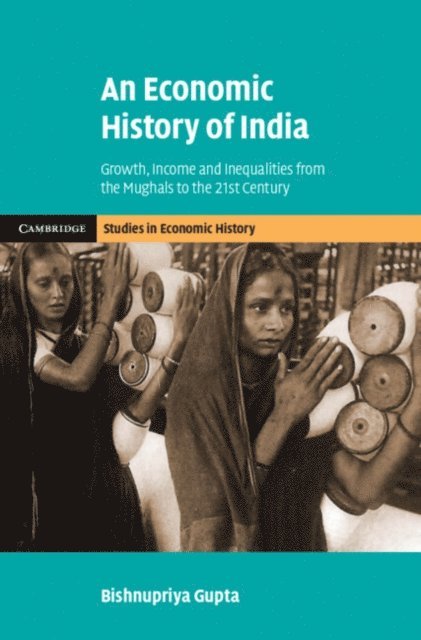
Economic History of India
Growth, Income and Inequalities from the Mughals to the 21st Century
E-bok, 2025
444 kr
Lägg i varukorg
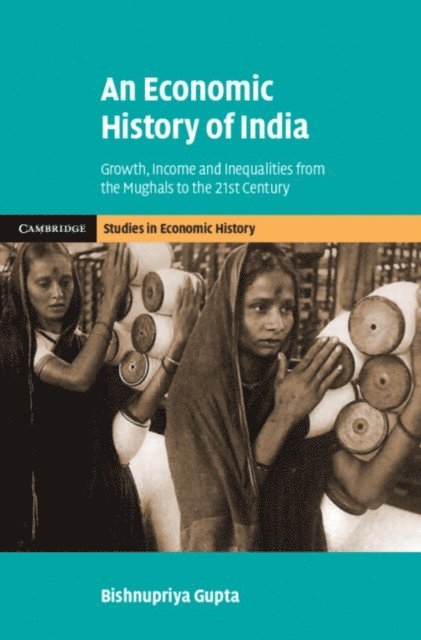
Economic History of India
Growth, Income and Inequalities from the Mughals to the 21st Century
E-bok, 2025
453 kr
Lägg i varukorg
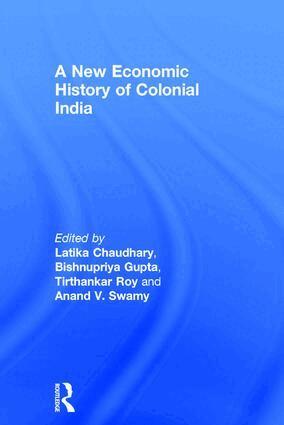
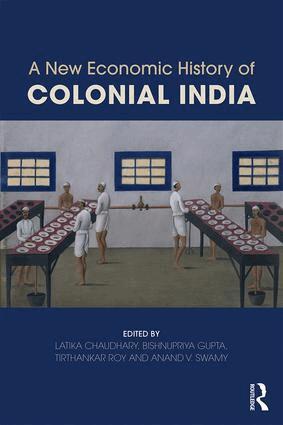
New Economic History of Colonial India
Av Latika Chaudhary, Bishnupriya Gupta m. fl.
Inbunden, 2015
2585 kr
Lägg i varukorg
A New Economic History of Colonial India provides a new perspective on Indian economic history. Using economic theory and quantitative methods, it shows how the discipline is being redefined and how new scholarship on India is beginning to embrace and make use of concepts from the larger field of …
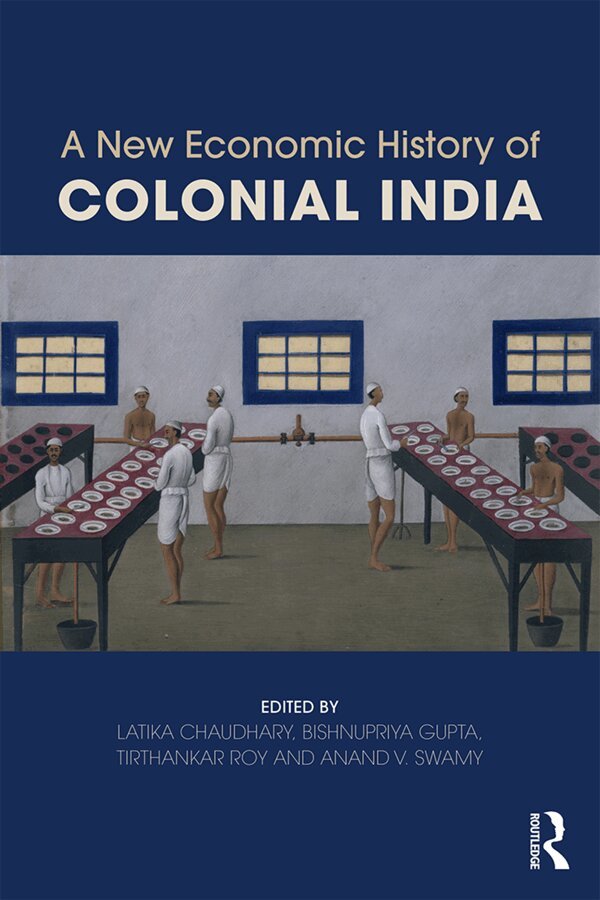
New Economic History of Colonial India
Av Latika Chaudhary, Bishnupriya Gupta m. fl.
Häftad, 2015
787 kr
Lägg i varukorg
A New Economic History of Colonial India provides a new perspective on Indian economic history. Using economic theory and quantitative methods, it shows how the discipline is being redefined and how new scholarship on India is beginning to embrace and make use of concepts from the larger field of …
New Economic History of Colonial India
Av Latika Chaudhary, Bishnupriya Gupta m. fl.
E-bok, 2015
927 kr
Lägg i varukorg
A New Economic History of Colonial India provides a new perspective on Indian economic history. Using economic theory and quantitative methods, it shows how the discipline is being redefined and how new scholarship on India is beginning to embrace and make use of concepts from the larger field of …
New Economic History of Colonial India
Av Latika Chaudhary, Bishnupriya Gupta m. fl.
E-bok, 2015
927 kr
Lägg i varukorg
A New Economic History of Colonial India provides a new perspective on Indian economic history. Using economic theory and quantitative methods, it shows how the discipline is being redefined and how new scholarship on India is beginning to embrace and make use of concepts from the larger field of …