Biswajit Mandal – författare
237 kr
Skickas inom 7-10 vardagar
294 kr
Läs direkt efter köp
283 kr
Läs direkt efter köp
769 kr
Läs direkt efter köp
797 kr
Läs direkt efter köp
2 250 kr
Skickas inom 10-15 vardagar
1 112 kr
Skickas inom 10-15 vardagar
1 420 kr
Läs direkt efter köp
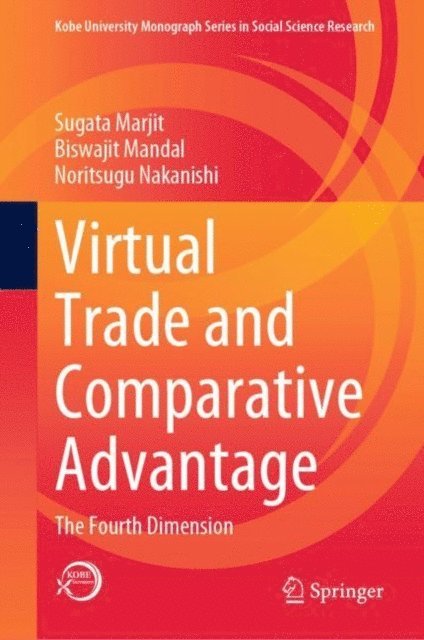
The main purpose of this book is to expose economics graduate students and researchers to the most significant development in international trade that has taken place in the recent past. Service transactions now make up a sizeable portion of global trade. Trade in both final and intermediate inputs is done virtually through information and communication networks, raising afresh the question of the basis of trade and calling for in-depth investigation. This book succinctly comes up with a relatively new explanation for the basis of trade, thus it adds a new dimension to three existing building blocks: technology, endowment, and returns to scale.
Against a backdrop of standard Ricardian and Heckscher–Ohlin competitive models of trade, the chapters of this book nicely introduce the issue of communication cost and the difference in time zones between two trading nations. Then follow many intricate phenomena such as informality, skill formation, growth, wage inequality, and decisions regarding foreign direct investment (FDI). However, imperfectly competitive models are not dealt with in great detail as they deserve more space than can be allotted to them here. Given the nonexistence of any research-oriented in-depth analyses of competitive trade models with time-zone differences, this book is a valuable addition to the resources available to researchers and policymakers interested in deciphering recent developments in global trade patterns and the subsequent welfare effect.
1 112 kr
Skickas inom 10-15 vardagar
2 216 kr
Skickas inom 10-15 vardagar
2 925 kr
Läs direkt efter köp
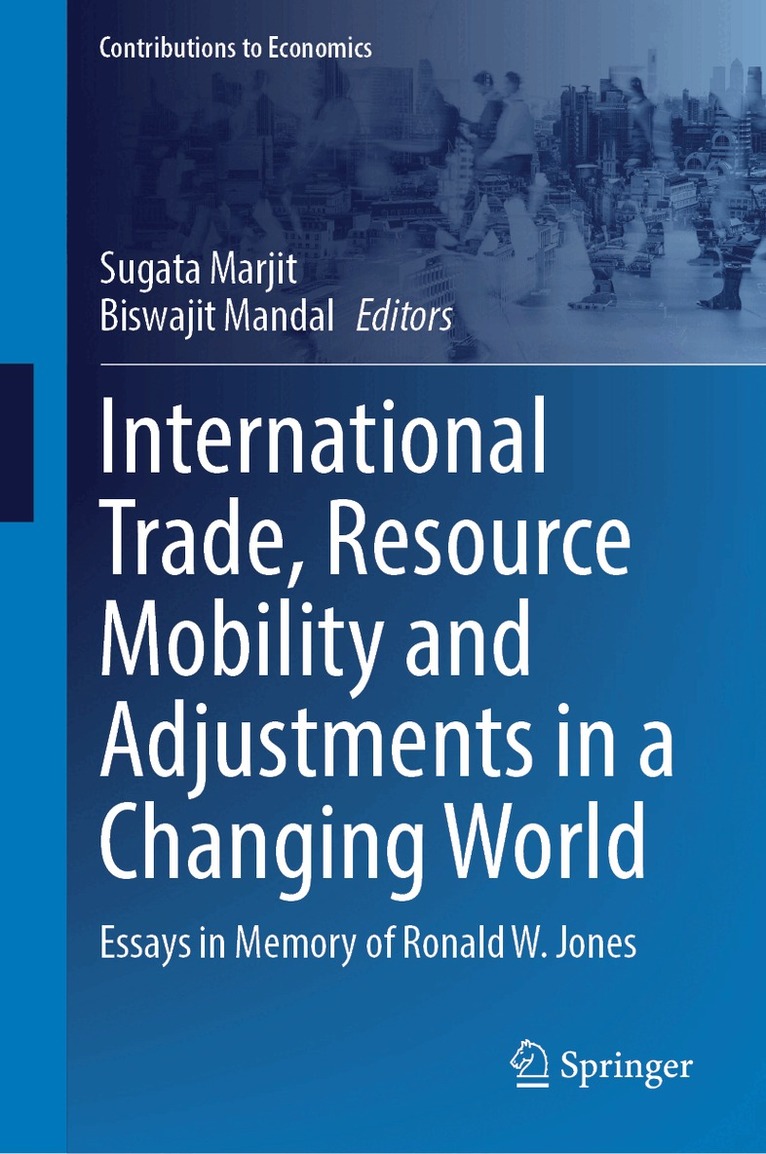
This volume mainly focuses on the relevance and application of Heckscher-Ohlin Model and Specific Factors Model of trade, while also addressing other latest global issues which are connected with two most celebrated structures of trade models developed by the legendary trade theorist Prof. Ronald Winthrop Jones. The two models were published as ''The Structure of Simple General Equilibrium Models'' (1965) and ''A Three Factor Model in Theory, Trade and History'' (1971). Both the structures are used extensively by trade economists and development economists to decipher a bunch of interesting and intertwined ideas. The models being easy to follow, are capable of explaining some contemporary global concerns if modified judiciously. This includes both theory and policy in both competitive and imperfectly competitive markets. It also has some empirical dimensions.
This book is a must read for those who want to keep abreast of latest frontiers in the domain of research on internationaltrade theory and policy, especially advanced graduate students, researchers, and policy makers in general. It exposes its readers to methodological techniques and contemporary research issues so that one can easily draw clues, in terms of both relevant techniques and future research directions, to carry on their own research; policy makers can understand the channels of possible welfare improvement owing to new policy changes.