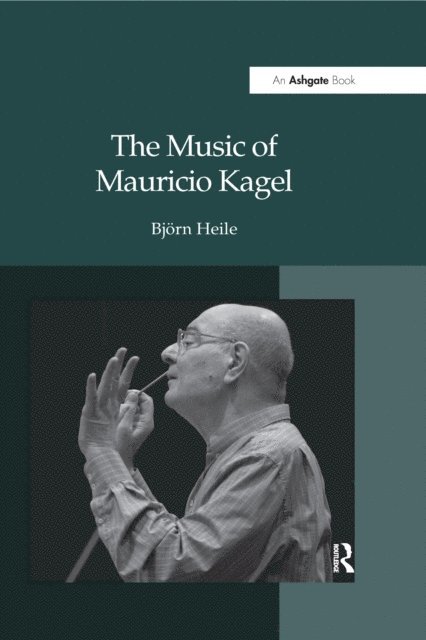
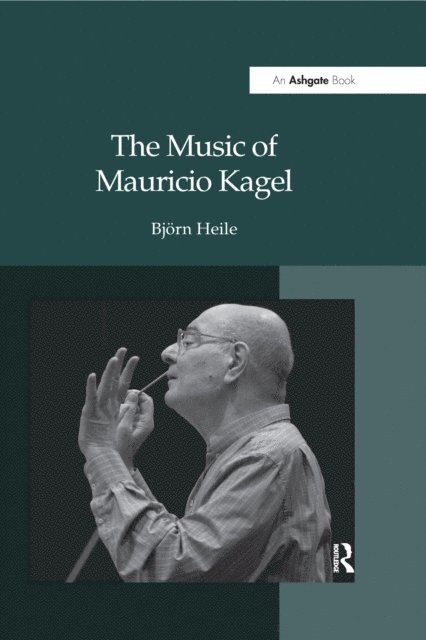
Bjorn Heile – författare
1 415 kr
Läs direkt efter köp
1 415 kr
Läs direkt efter köp
836 kr
Läs direkt efter köp
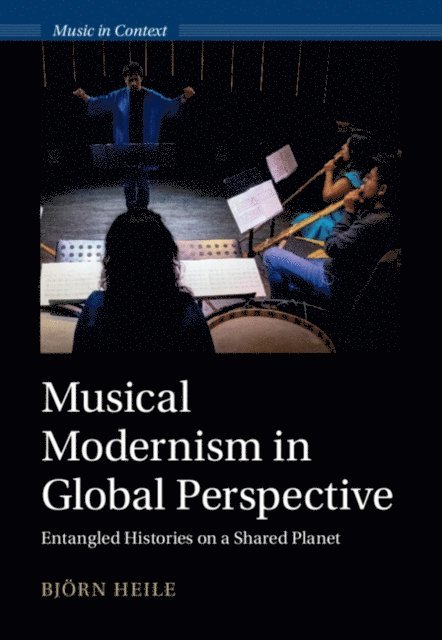
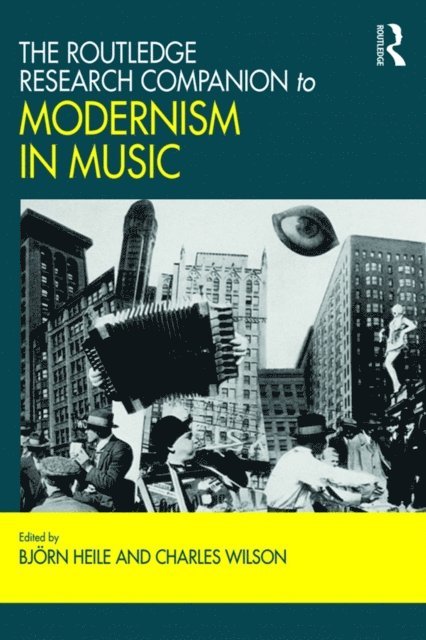
Modernism in music still arouses passions and is riven by controversies. Taking root in the early decades of the twentieth century, it achieved ideological dominance for almost three decades following the Second World War, before becoming the object of widespread critique in the last two decades of the century, both from critics and composers of a postmodern persuasion and from prominent scholars associated with the ‘new musicology’. Yet these critiques have failed to dampen its ongoing resilience. The picture of modernism has considerably broadened and diversified, and has remained a pivotal focus of debate well into the twenty-first century. This Research Companion does not seek to limit what musical modernism might be. At the same time, it resists any dilution of the term that would see its indiscriminate application to practically any and all music of a certain period.
In addition to addressing issues already well established in modernist studies such as aesthetics, history, institutions, place, diaspora, cosmopolitanism, production and performance, communication technologies and the interface with postmodernism, this volume also explores topics that are less established; among them: modernism and affect, modernism and comedy, modernism versus the ‘contemporary’, and the crucial distinction between modernism in popular culture and a ‘popular modernism’, a modernism of the people. In doing so, this text seeks to define modernism in music by probing its margins as much as by restating its supposed essence.
836 kr
Läs direkt efter köp
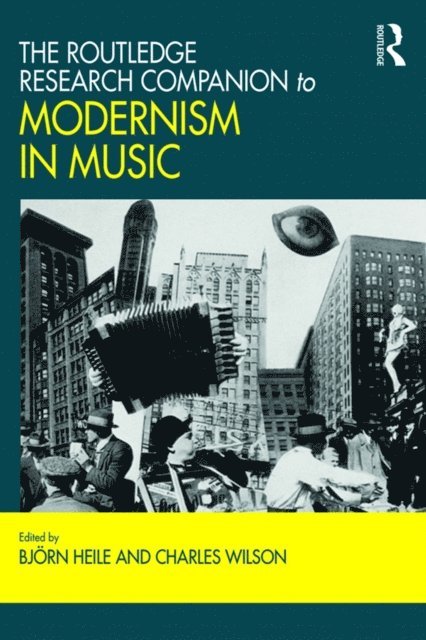
Modernism in music still arouses passions and is riven by controversies. Taking root in the early decades of the twentieth century, it achieved ideological dominance for almost three decades following the Second World War, before becoming the object of widespread critique in the last two decades of the century, both from critics and composers of a postmodern persuasion and from prominent scholars associated with the ‘new musicology’. Yet these critiques have failed to dampen its ongoing resilience. The picture of modernism has considerably broadened and diversified, and has remained a pivotal focus of debate well into the twenty-first century. This Research Companion does not seek to limit what musical modernism might be. At the same time, it resists any dilution of the term that would see its indiscriminate application to practically any and all music of a certain period.
In addition to addressing issues already well established in modernist studies such as aesthetics, history, institutions, place, diaspora, cosmopolitanism, production and performance, communication technologies and the interface with postmodernism, this volume also explores topics that are less established; among them: modernism and affect, modernism and comedy, modernism versus the ‘contemporary’, and the crucial distinction between modernism in popular culture and a ‘popular modernism’, a modernism of the people. In doing so, this text seeks to define modernism in music by probing its margins as much as by restating its supposed essence.
769 kr
Läs direkt efter köp
In this book, the contributors reconsider the fundamentals of Music as a university discipline by engaging with the questions: What should university study of music consist of? Are there any aspects, repertoires, pieces, composers and musicians that we want all students to know about? Are there any skills that we expect them to be able to master? How can we guarantee the relevance, rigour and cohesiveness of our curriculum? What is specific to higher education in music and what does it mean now and for the future? The book addresses many of the challenges students and teachers face in current higher education; indeed, the majority of today’s music students undoubtedly encounter a greater diversity of musical traditions and critical approaches to their study as well as a wider set of skills than their forebears. Welcome as these developments may be, they pose some risks too: more material cannot be added to the curriculum without either sacrificing depth for breadth or making much of it optional. The former provides students with a superficial and deceptive familiarity with a wide range of subject matter, but without the analytical skills and intellectual discipline required to truly master any of it. The latter easily results in a fragmentation of knowledge and skills, without a realistic opportunity for students to draw meaningful connections and arrive at a synthesis.
The authors, Music academics from the University of Glasgow, provide case studies from their own extensive experience, which are complemented by an Afterword from Nicholas Cook, 1684 Professor of Music at the University of Cambridge. Together, they examine what students can and should learn about and from music and what skills and knowledge music graduates could or should possess in order to operate successfully in professional and public life. Coupled with these considerations are reflections on music’s social function and universities’ role in public life, concluding with the conviction that a university education in music is more than a personal investment in one’s future; it contributes to the public good.
769 kr
Läs direkt efter köp
In this book, the contributors reconsider the fundamentals of Music as a university discipline by engaging with the questions: What should university study of music consist of? Are there any aspects, repertoires, pieces, composers and musicians that we want all students to know about? Are there any skills that we expect them to be able to master? How can we guarantee the relevance, rigour and cohesiveness of our curriculum? What is specific to higher education in music and what does it mean now and for the future? The book addresses many of the challenges students and teachers face in current higher education; indeed, the majority of today’s music students undoubtedly encounter a greater diversity of musical traditions and critical approaches to their study as well as a wider set of skills than their forebears. Welcome as these developments may be, they pose some risks too: more material cannot be added to the curriculum without either sacrificing depth for breadth or making much of it optional. The former provides students with a superficial and deceptive familiarity with a wide range of subject matter, but without the analytical skills and intellectual discipline required to truly master any of it. The latter easily results in a fragmentation of knowledge and skills, without a realistic opportunity for students to draw meaningful connections and arrive at a synthesis.
The authors, Music academics from the University of Glasgow, provide case studies from their own extensive experience, which are complemented by an Afterword from Nicholas Cook, 1684 Professor of Music at the University of Cambridge. Together, they examine what students can and should learn about and from music and what skills and knowledge music graduates could or should possess in order to operate successfully in professional and public life. Coupled with these considerations are reflections on music’s social function and universities’ role in public life, concluding with the conviction that a university education in music is more than a personal investment in one’s future; it contributes to the public good.